Tag Archives: videography

Easy Steps to Plan Your Training Video Production

Creating a training video can be a powerful way to communicate valuable information to your employees, clients, or customers. Whether you’re showcasing a new process, demonstrating a product, or explaining your company’s values, a training video offers a clear, engaging way to convey complex ideas. However, creating an effective training video requires careful planning, coordination, and the right team to ensure the message is communicated clearly and effectively.

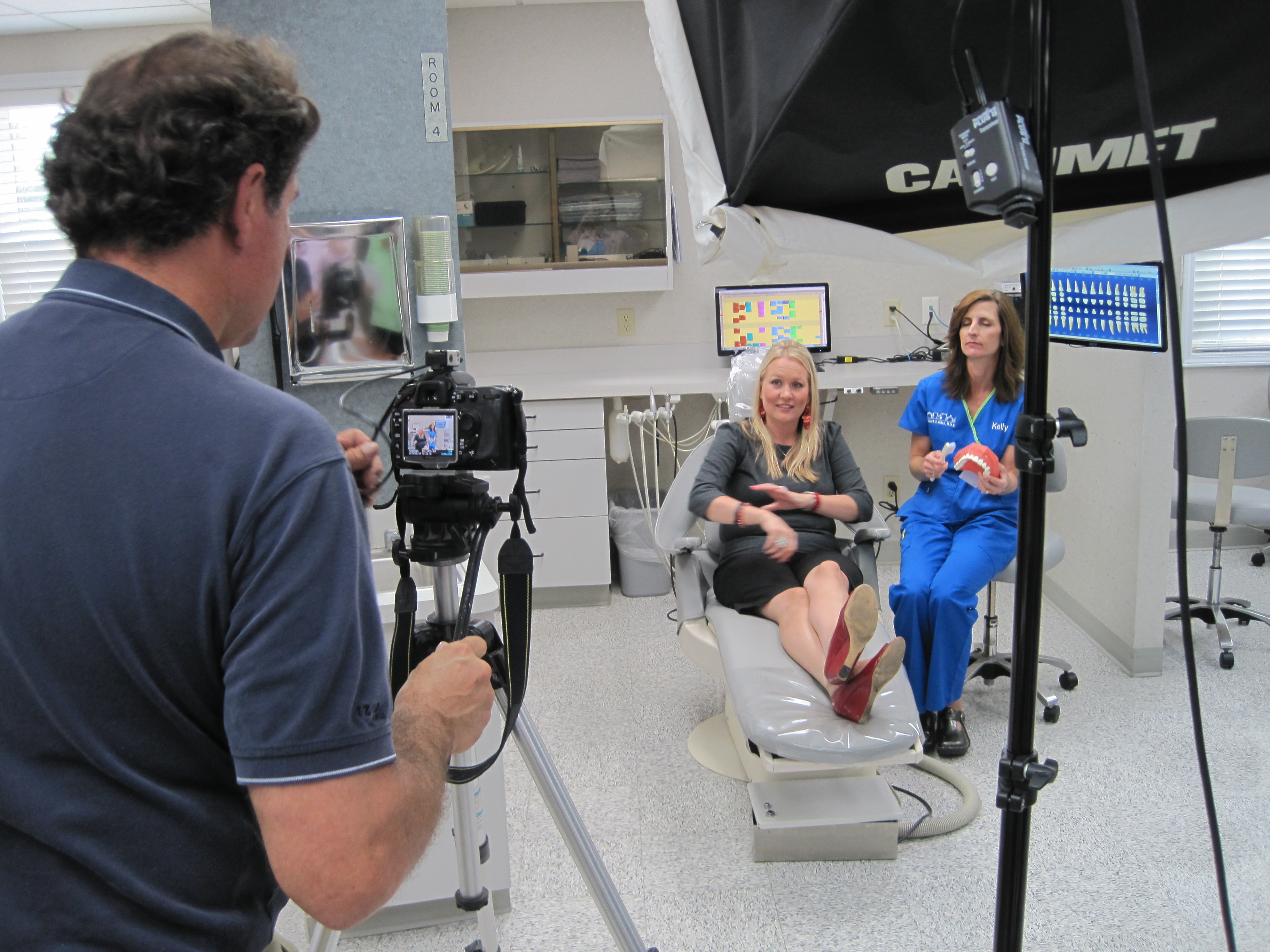
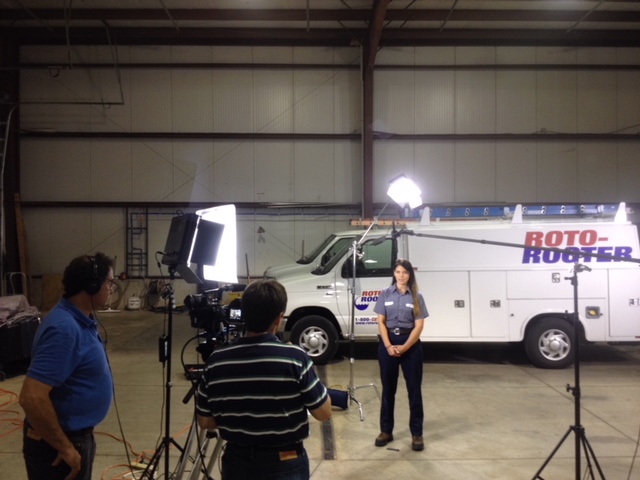
Whether you’re shooting in a studio or on-location, the environment should complement the content.

In this article, we’ll walk you through the essential steps to planning a successful training video production. These steps will guide you from pre-production through to post-production, ensuring your video achieves its objectives.

1. Define the Goal and Audience

The first step in any video production is to define the purpose of the video and the audience you want to reach. Is the training video meant to onboard new employees? Educate customers on how to use a product? The more specific you are about the goal, the better the outcome will be.

Understanding your audience is equally important. What’s their level of knowledge about the subject? Are they looking for a deep dive into a topic or just a quick overview? Tailoring your content to the audience ensures the video is relevant and impactful.
2. Create a Script or Outline

Once you know your objective and audience, the next step is to create a script or outline. This is a crucial stage where the structure and flow of the video are established.

For a training video, the script should cover all the key points that need to be communicated. Be sure to break it down into sections, with each part clearly outlining what’s going to be covered. This makes the video easier to digest for the audience. The script should also incorporate any visual or graphic elements you want to include, such as on-screen text, animations, or diagrams.

3. Choose the Right Location and Equipment

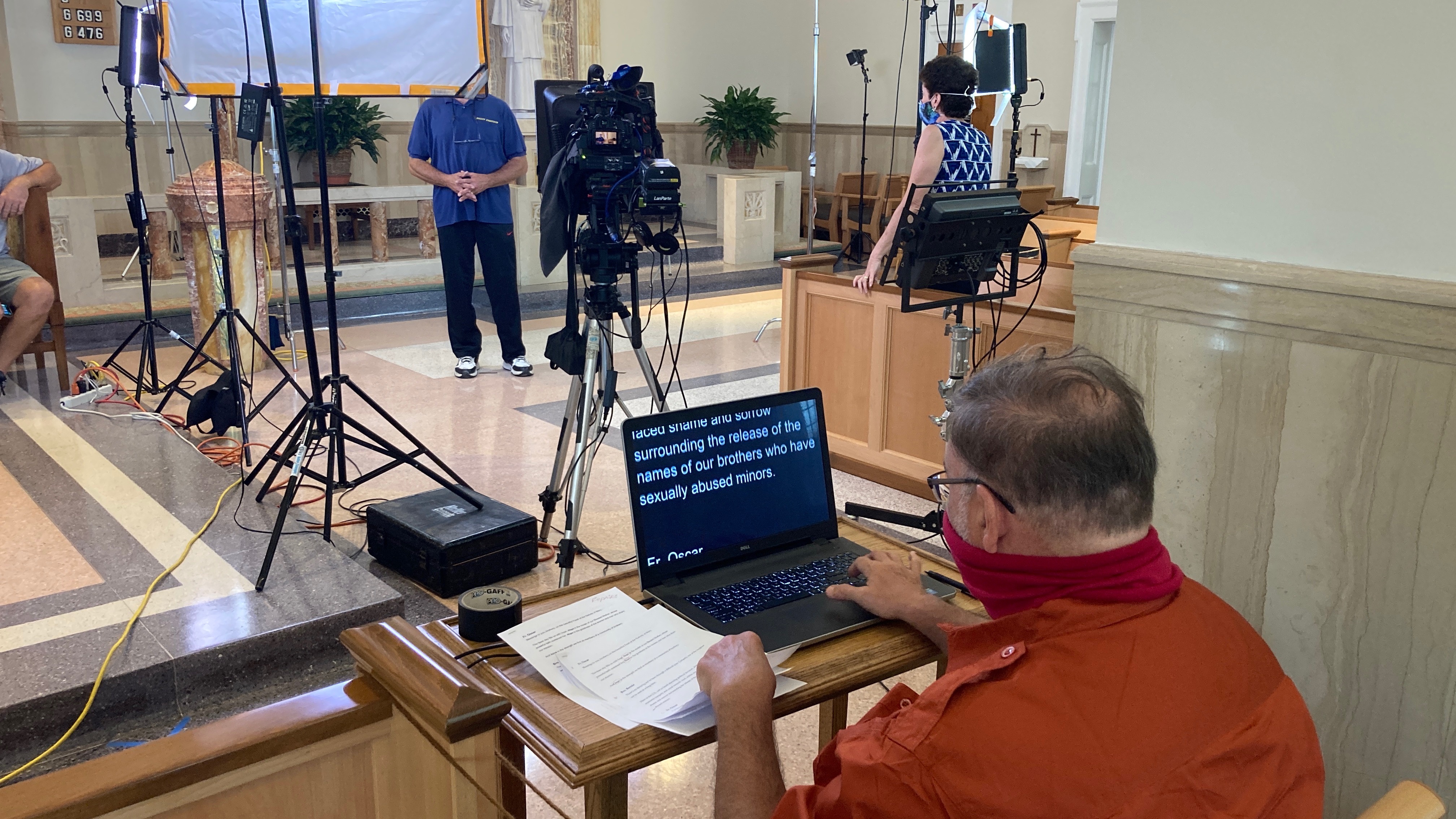
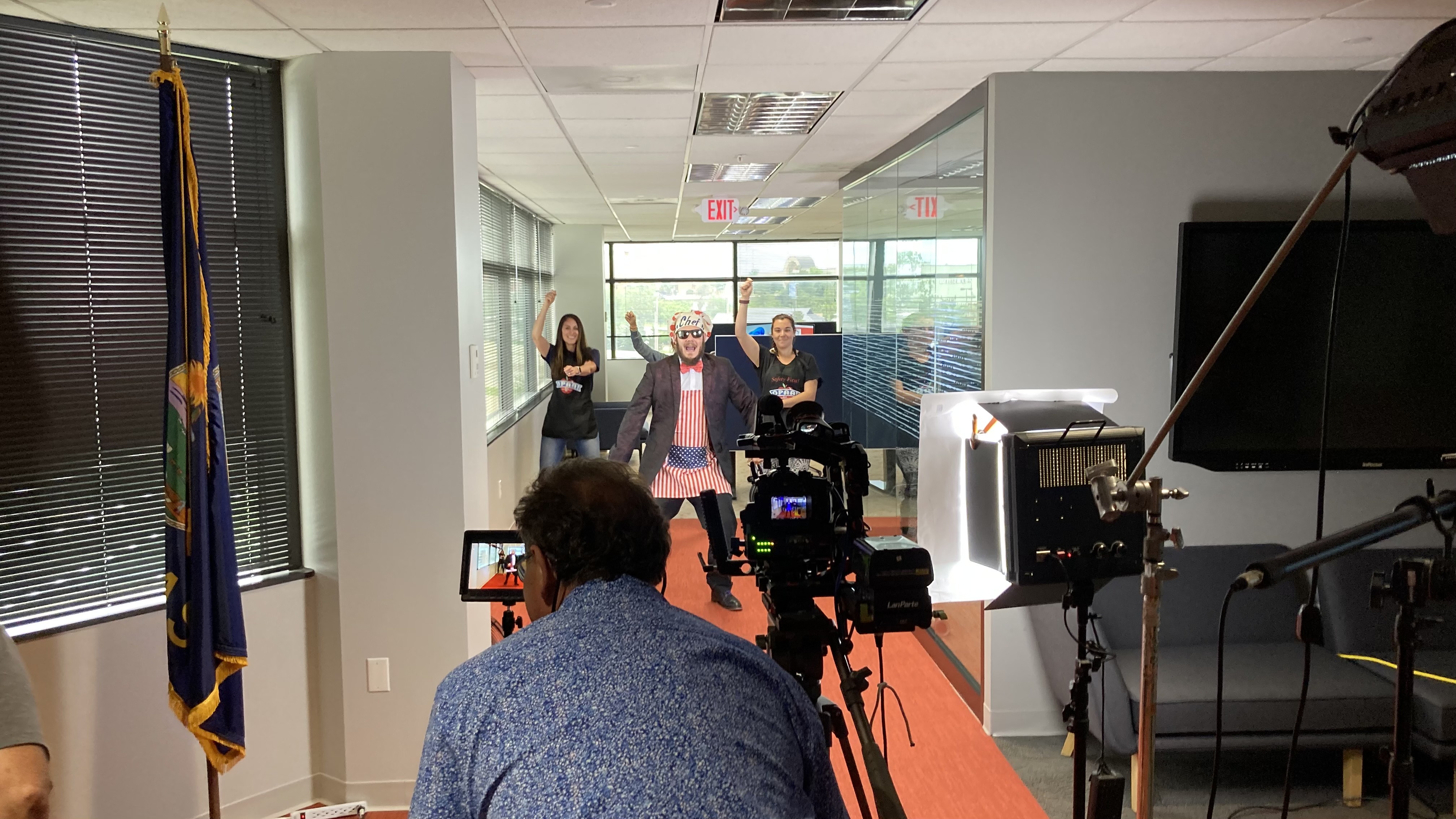
Choosing the right location is vital for setting the tone and ensuring high production value. Whether you’re shooting in a studio or on-location, the environment should complement the content. The setting should be clean, uncluttered, and conducive to clear communication.

At St. Louis Commercial Video, we offer a private studio with lighting and visual setups perfect for small productions and interview scenes. Our large studio can even accommodate props to round out your set and help create an immersive learning environment. For on-location shoots, we have extensive experience working in a wide variety of settings, including offices, factories, and more.

In addition to location, having the right equipment is key to producing high-quality training videos. This includes cameras, lighting, sound equipment, and editing software. Our team at St. Louis Commercial Video is equipped with the latest tools to ensure your training video looks professional and polished. We can also fly specialized drones indoors for dynamic aerial shots.

4. Pre-Production Planning

Pre-production is where you plan all the details for your video shoot. This includes securing the necessary permits, scheduling crew members, and organizing the props, costumes, and any additional materials needed for the production. You’ll also want to create a shooting schedule that outlines what shots will be captured and in what order.

A solid pre-production plan will save time on the day of the shoot and ensure everything goes smoothly. Make sure to communicate clearly with your team about their roles, expectations, and timelines.

5. Filming the Training Video

The filming stage is where everything comes together. The director, camera operators, sound engineers, and other crew members will collaborate to capture the footage according to the plan.

At St. Louis Commercial Video, we provide sound and camera operators, as well as the equipment necessary for a successful shoot. Whether it’s a simple interview or a complex multi-location production, we have the experience and resources to handle it all.

6. Editing and Post-Production

Once filming is complete, the editing process begins. This is where the raw footage is turned into a cohesive video. Editing involves cutting unnecessary footage, adding transitions, inserting graphics or text, and adjusting the sound. This is also the stage where you can integrate any special effects, animations, or on-screen prompts to enhance learning.

Our team at St. Louis Commercial Video is well-versed in all file types and styles of media, ensuring that the final product is compatible with your preferred platform or distribution method. We also specialize in repurposing video and photography content, so you can maximize the value of your training materials across various channels.

7. Review and Final Adjustments

Before delivering the final training video, it’s important to review the video to ensure it meets the objectives and resonates with the audience. Get feedback from key stakeholders and make any necessary revisions. If your training video includes instructional material, it’s essential to verify that all information is accurate and easy to follow.

8. Distribution and Tracking Effectiveness

Once your video is finalized, it’s time to distribute it to your audience. Depending on your needs, this might involve uploading it to your internal learning management system (LMS), hosting it on a website, or sharing it via email. Consider tracking the effectiveness of your training video by monitoring engagement and feedback.

Why Choose St. Louis Commercial Video?

At St. Louis Commercial Video, we’ve been providing professional photography and video production services since 1982. Our experienced team is dedicated to creating top-quality videos that meet your corporate needs, from training materials to promotional content.

We offer full-service studio and location video and photography, along with editing, post-production, and licensed drone pilots. Our private studio features customizable setups perfect for small productions and interview scenes, and we can even accommodate props to enhance your set. Whether you need a custom interview studio or a full production team, we’ve got you covered. We’re experts in repurposing photography and video branding to help you gain more traction across various platforms.

Let St. Louis Commercial Video be your trusted partner in creating successful training videos that engage and educate your audience. With the right equipment and creative crew, we ensure every production is executed with precision and professionalism. Contact us today to start planning your next video production!

stlouiscommercialvideo@gmail.com

 314-913-5626

The Pros and Cons of Different Video Production Interview Styles

In the world of corporate video production, interviews are often the backbone of content creation. Whether it’s for marketing, internal communications, or customer testimonials, the style of interview you choose will significantly impact the overall effectiveness and engagement of your video. Different styles serve different purposes, and each has its unique advantages and challenges. In this blog post, we will explore the pros and cons of various video production interview styles to help you make an informed decision for your next project.

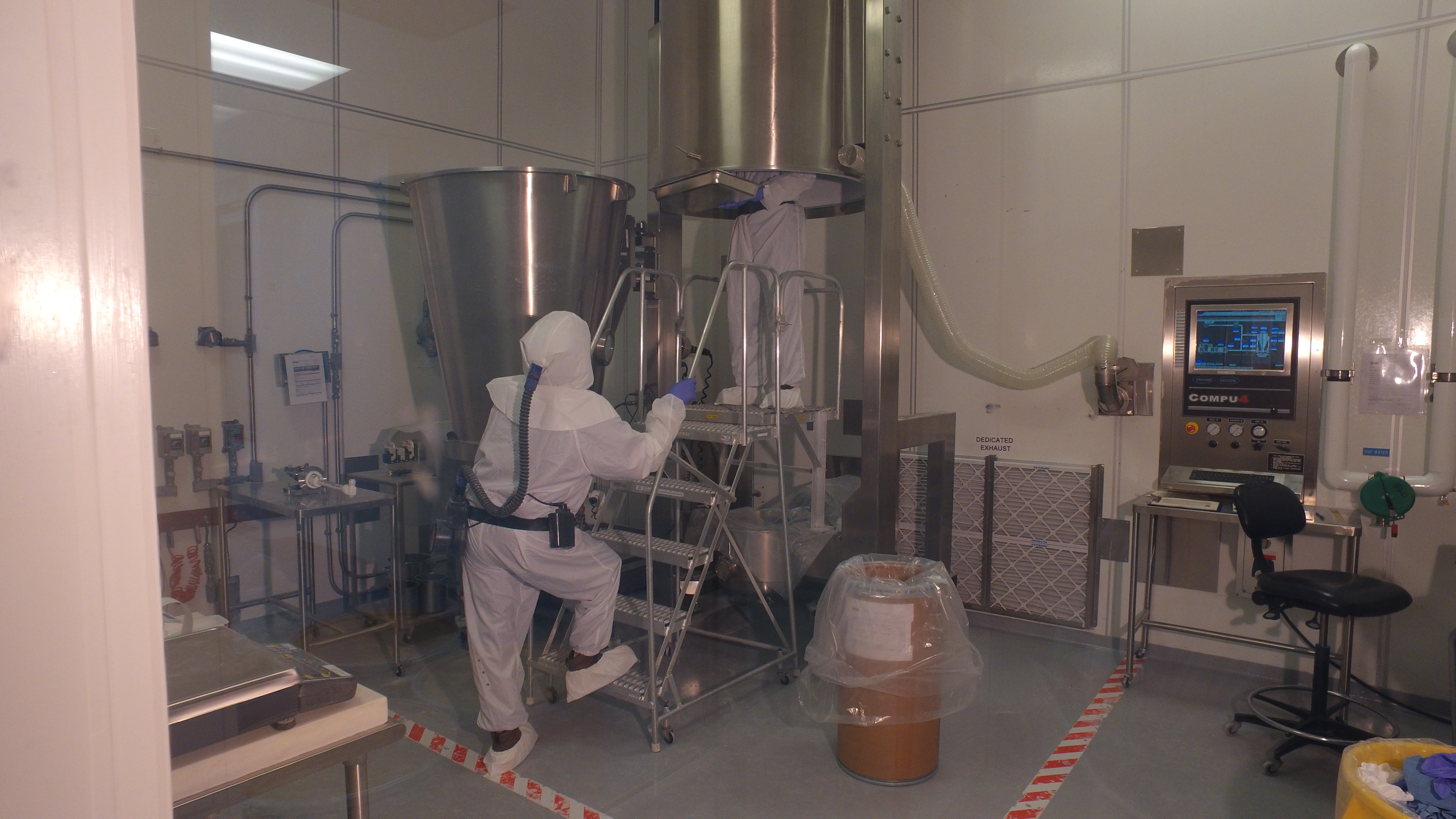
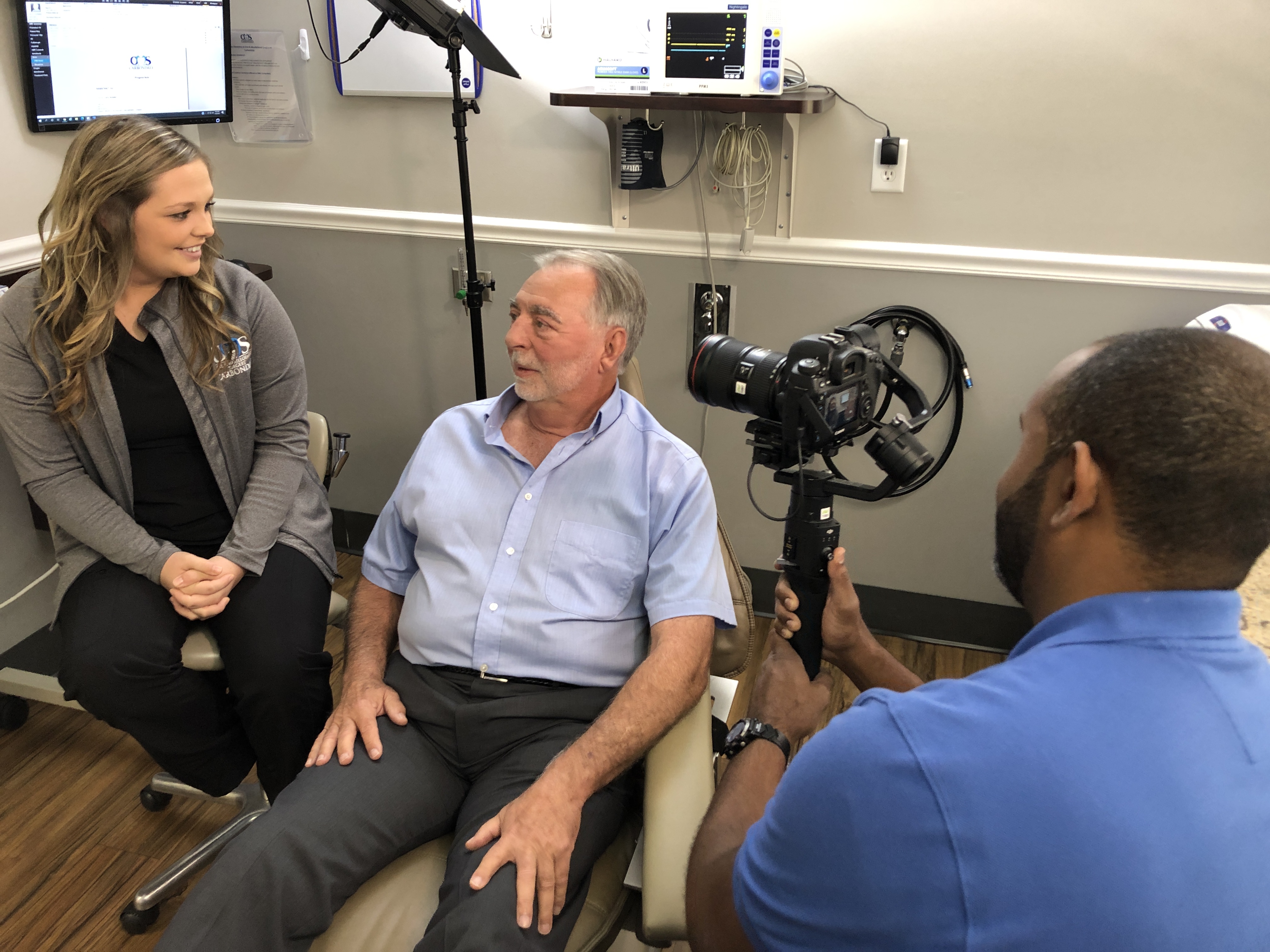
With two cameras, you can switch between shots for a more dynamic and visually interesting experience.

1. The Traditional Sit-Down Interview

The sit-down interview is the most classic and widely used format in corporate video production. In this style, the interviewee is typically seated facing the camera, with a background that complements the topic of the interview.

Pros:

  • Simplicity and Professionalism: The traditional style is clean and professional, making it perfect for corporate settings. It allows the viewer to focus on the subject matter without distractions.
  • Controlled Environment: You can control the lighting, sound, and other elements, ensuring consistency in every shot.
  • Effective for Authority Figures: It works well for leaders, executives, or anyone whose authority and expertise need to be highlighted.

Cons:

  • Lack of Variety: A static shot can make the video feel monotonous if not executed well. Viewers may lose interest, especially in long interviews.
  • Less Dynamic: It may not be ideal for storytelling or conveying emotion, as the interviewee may appear too rigid.

2. On-Location Interviews

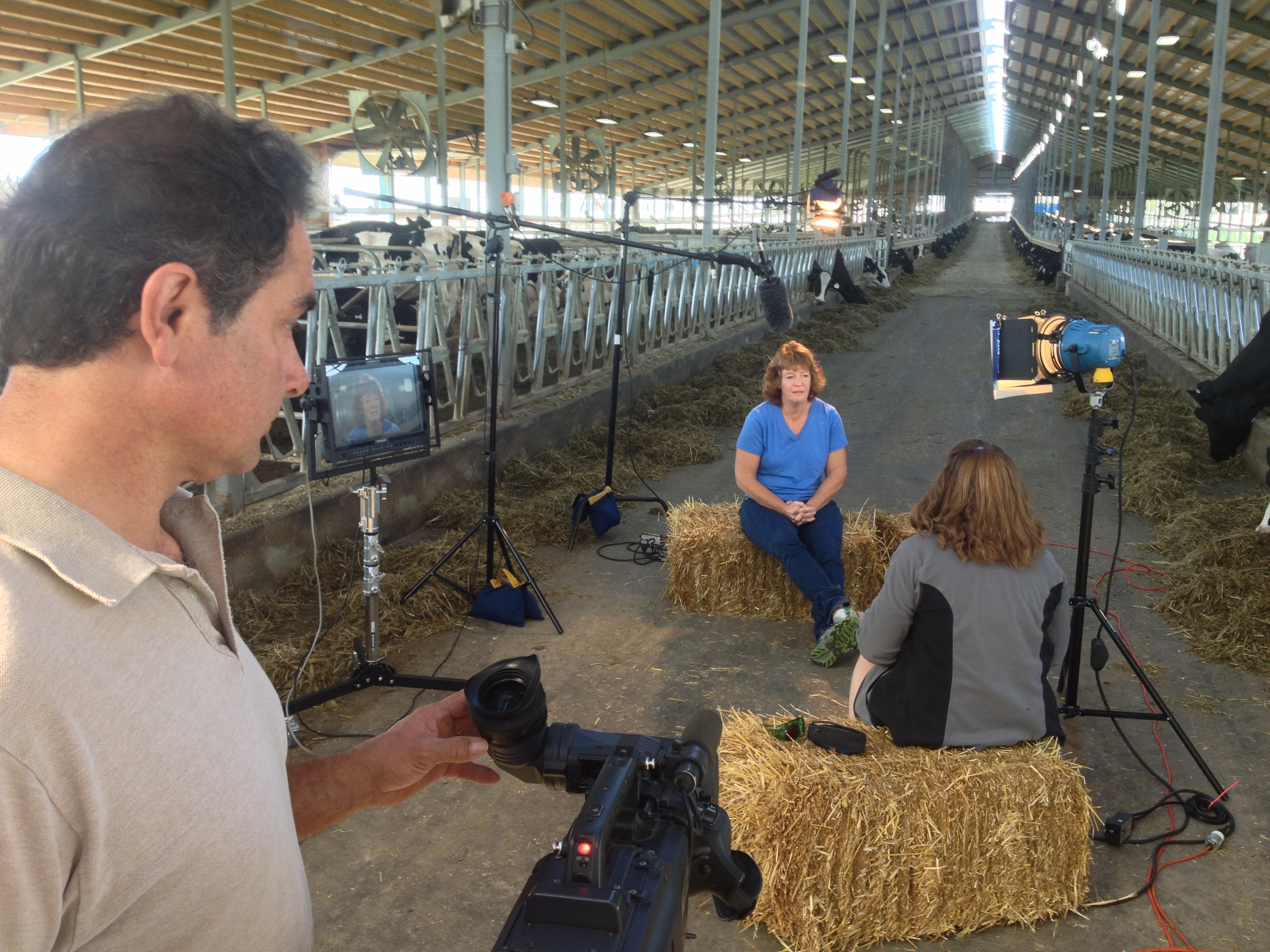
On-location interviews are conducted in a real-world setting, whether at the interviewee’s office, a customer’s home, or an outdoor location. This style provides more context and can make the video feel more authentic.

Pros:

  • Contextual Relevance: The location can add meaning to the interview, visually reinforcing the subject matter. For example, a real estate agent in a home or a business executive at the office creates a sense of authenticity.
  • Dynamic Environment: The changing environment adds visual interest, making the video feel more lively and engaging.

Cons:

  • Less Control: Filming on-location comes with its challenges, such as uncontrolled lighting, noise, and possible distractions. These factors can impact video quality.
  • Logistical Complexity: Securing permits, coordinating schedules, and dealing with unpredictable weather can add time and cost to the production process.

3. Walking Interviews

In a walking interview, the subject walks through a location while being filmed, often with the interviewer off-camera asking questions. This style can create a more dynamic and informal feel.

Pros:

  • Natural Movement: This style allows the interviewee to appear more relaxed and natural, as if they’re having a conversation rather than answering stiff questions.
  • Engaging Visuals: The movement adds visual interest, and the environment can be used to support the narrative of the interview.

Cons:

  • Logistical Challenges: Walking and talking while being filmed requires careful coordination of cameras and lighting, which can be challenging to execute smoothly.
  • Distractions: The movement may detract from the subject matter if the setting is too busy or noisy.

4. Two-Camera Interviews

In a two-camera interview, multiple cameras are used to capture different angles of the subject, such as a wide shot and a close-up.

Pros:

  • Dynamic Perspective: With two cameras, you can switch between shots for a more dynamic and visually interesting experience.
  • Improved Engagement: Changing perspectives keeps the viewer engaged and creates a more immersive viewing experience.
  • Ideal for Editing: This style is perfect for editing, as the two angles give you more flexibility in the post-production phase.

Cons:

  • More Complex Setup: Using multiple cameras requires more equipment, crew, and time for setup, making it more expensive and labor-intensive.
  • Increased Editing Time: The additional footage will also add time to the post-production phase.

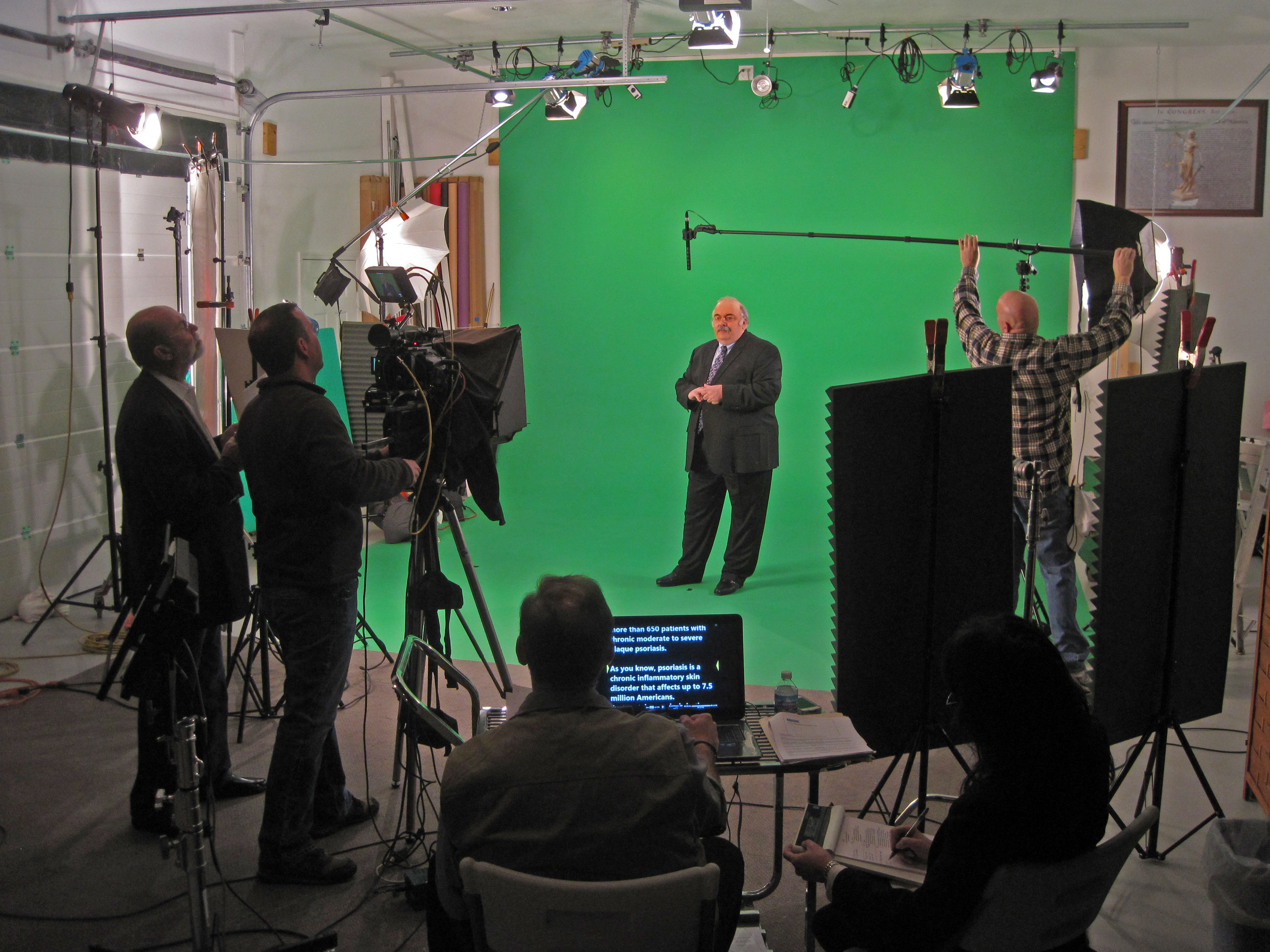
5. Green Screen Interviews

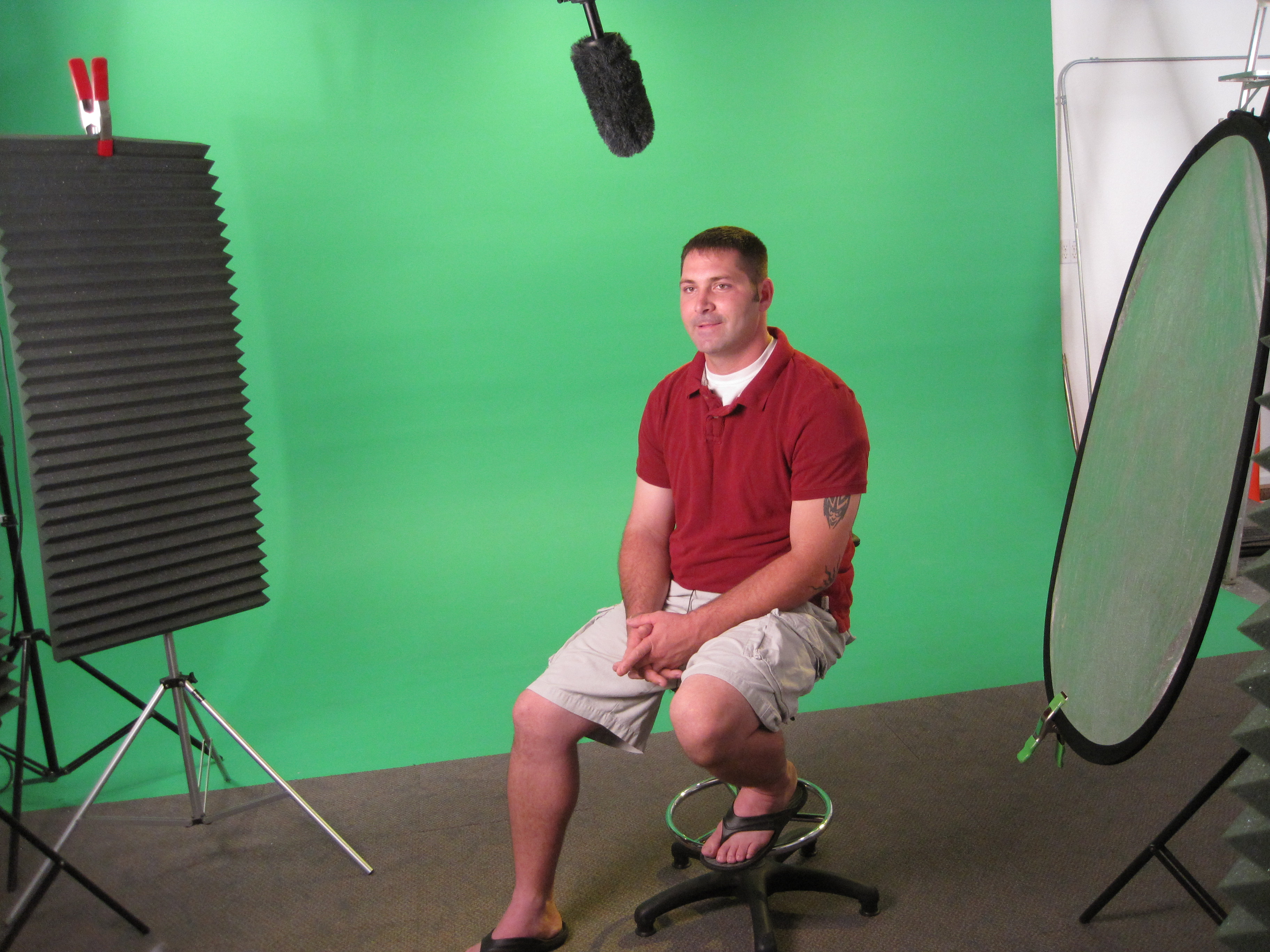
A green screen interview involves shooting the interview with a solid green background, which can later be replaced with any desired background in post-production.

Pros:

  • Endless Possibilities: You can create any environment for your interviewee, whether it’s a corporate office, a digital background, or an abstract visual.
  • Controlled Environment: Like the traditional sit-down interview, a green screen setup gives you complete control over lighting, sound, and other elements.

Cons:

  • Post-Production Intensive: This style requires significant work in post-production to insert the background, which can be time-consuming and costly.
  • Unnatural Look: If not done well, green screen effects can look artificial or distract from the message of the interview.

6. Roundtable Interviews

Roundtable interviews feature multiple people participating in a discussion, often with each individual facing the camera. This style is ideal for panel discussions, brainstorming sessions, or group interviews.

Pros:

  • Collaborative Atmosphere: A roundtable interview can showcase a collaborative environment, emphasizing teamwork and the exchange of ideas.
  • Multiple Perspectives: It provides a broader range of viewpoints, making it perfect for exploring diverse opinions on a topic.

Cons:

  • Coordination Challenges: Managing multiple people in a single shot requires careful camera work and coordination to ensure everyone is adequately framed and heard.
  • Potential for Disorganization: If not moderated properly, the conversation may become disorganized, leading to less cohesive messaging.

St. Louis Commercial Video: Your Trusted Partner for Video Production Success

At St. Louis Commercial Video, we have been working with businesses, marketing firms, and agencies since 1982 to provide professional video and photography production services. Our extensive experience in the industry means we understand the unique needs of each production, whether it’s a traditional sit-down interview or a dynamic on-location video shoot.

As a full-service professional commercial photography and video production company, we offer everything you need for a successful production, including full-service studio and location video and photography, editing, post-production, and licensed drone pilots. Our team of creative professionals is well-versed in a variety of file types and media styles, ensuring that your content is perfectly tailored to your objectives.

Our private studio is equipped with customizable lighting setups for small productions and interview scenes. It’s large enough to incorporate props, allowing us to create the perfect environment for your interview or video shoot. We specialize in flying drones indoors, adding a unique touch to your video production.

No matter what style of interview or video production you choose, St. Louis Commercial Video can help with every part of the process—from private custom interview studio setups to providing sound and camera operators, and even offering specialized equipment for perfect video results.

Choose St. Louis Commercial Video for your next project, and experience the difference our equipment, expertise, and creative vision can make in bringing your ideas to life.

stlouiscommercialvideo@gmail.com

 314-913-5626

Essential Tips for Hiring a Videographer for Your Business

The demand for high-quality video content is higher than ever before. Whether you’re a small startup or a large corporation, utilizing professional videography services can significantly enhance your marketing efforts, training programs, and overall brand image. However, not all videographers are created equal, and choosing the right one for your business can be a daunting task. To help you navigate this process effectively, we’ve compiled a list of essential tips for hiring a videographer that meets your specific needs and requirements.

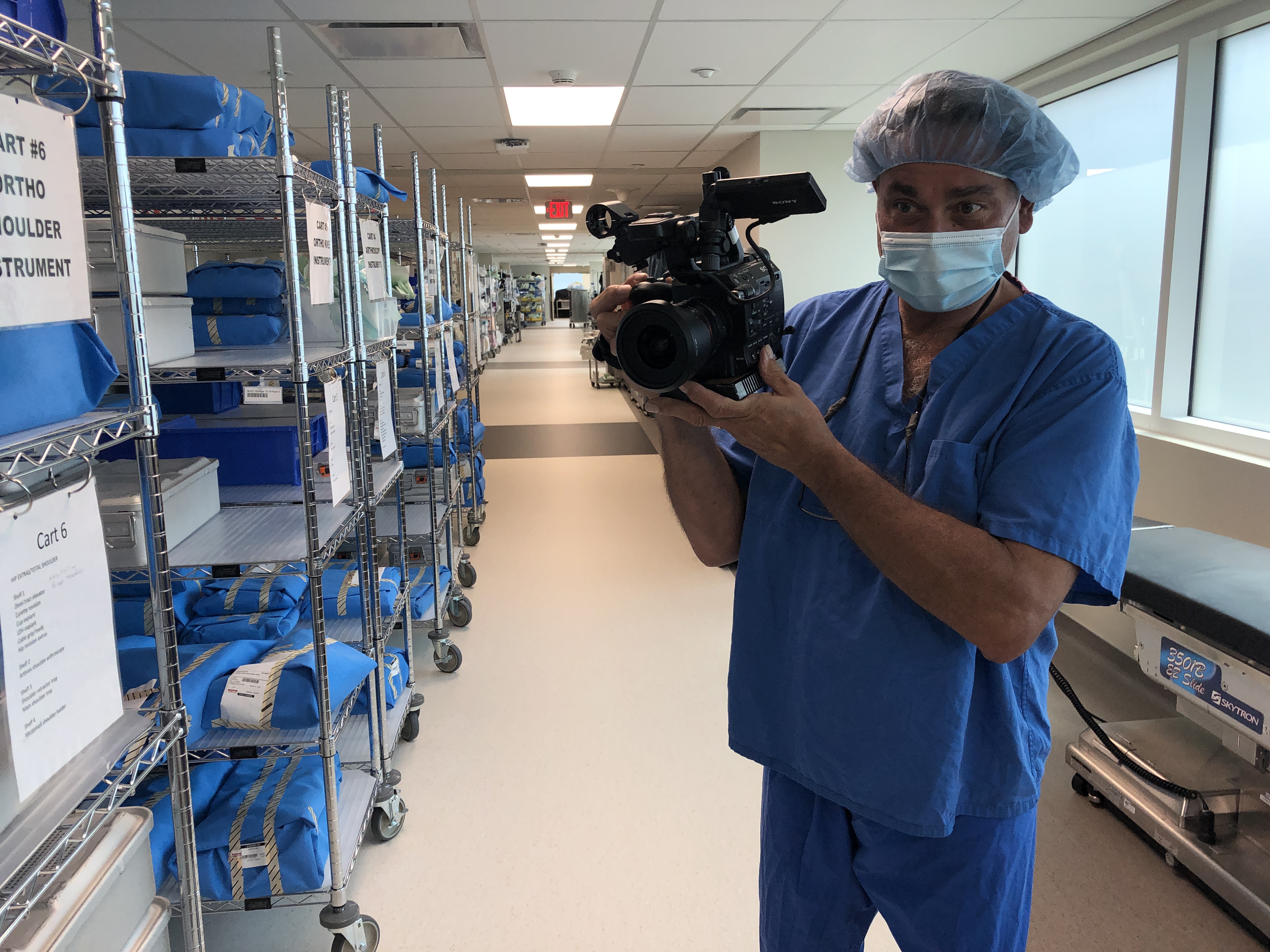
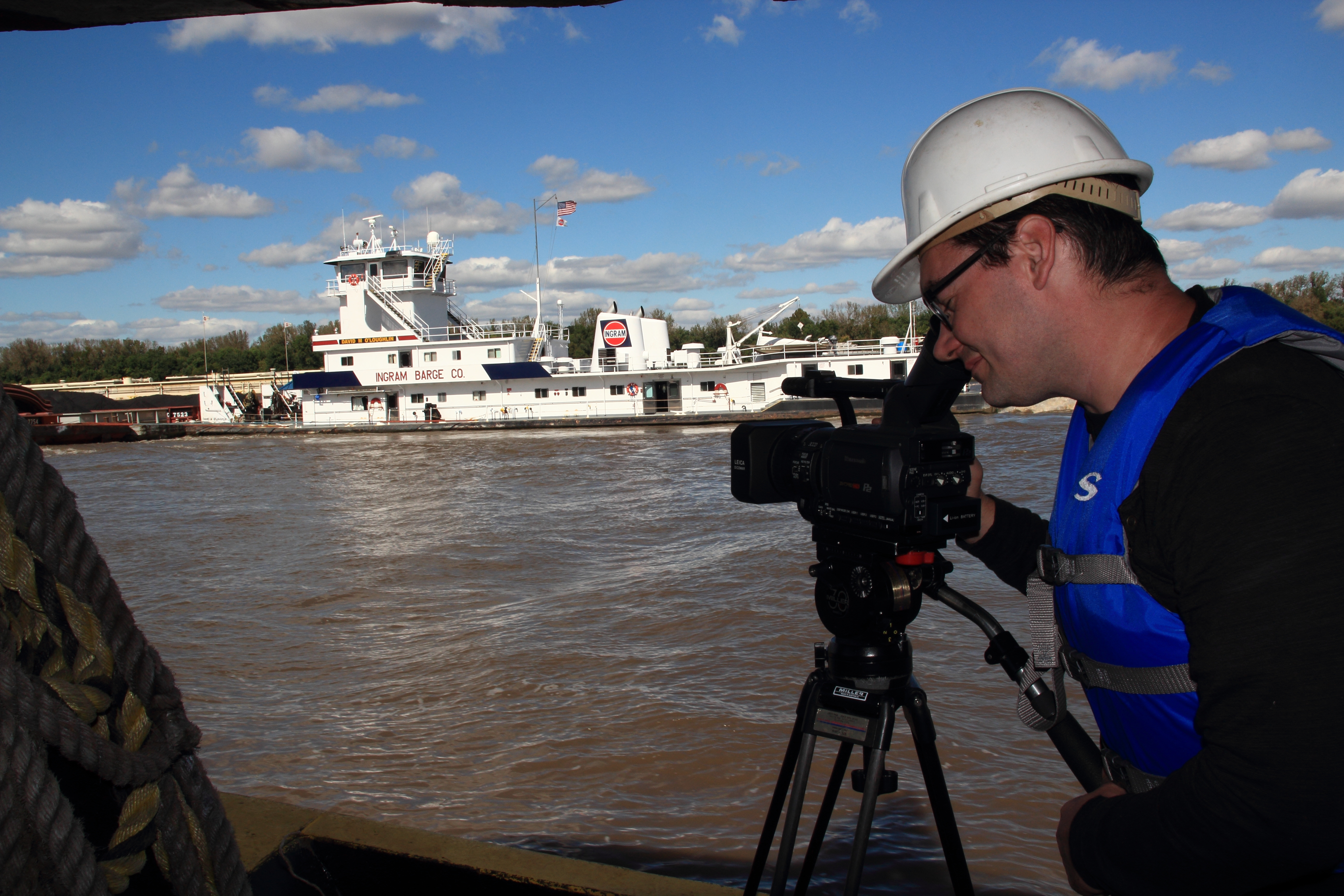
While technical expertise is essential, don’t overlook the importance of creativity and innovation when selecting a videographer.

1. Define Your Goals and Objectives

Before you start searching for a videographer, it’s crucial to have a clear understanding of what you hope to achieve with your video project. Are you looking to create a promotional video for your product or service? Do you need training videos for your employees? Are you planning to document an event or conference? By defining your goals and objectives upfront, you’ll be better equipped to communicate your vision to potential videographers.

2. Research and Review Portfolios

Once you’ve identified your goals, it’s time to start researching potential videographers. Take the time to review their portfolios and past work samples to get a sense of their style, creativity, and technical expertise. Look for videographers who have experience working on projects similar to yours and who demonstrate versatility in their approach.

3. Check References and Reviews

In addition to reviewing portfolios, don’t hesitate to ask for references from past clients. Speaking directly with previous clients can provide valuable insights into a videographer’s professionalism, communication skills, and overall satisfaction with the final product. Additionally, read online reviews and testimonials to gather feedback from other businesses and organizations that have worked with the videographer.

4. Discuss Budget and Pricing

Before committing to a videographer, be transparent about your budget and pricing expectations. While quality videography services may come with a higher price tag, it’s essential to find a balance between your budget and the level of quality you require. A reputable videographer will work with you to develop a customized package that aligns with your financial constraints while still delivering exceptional results.

5. Evaluate Equipment and Technology

Inquire about the equipment and technology that the videographer utilizes to ensure they have the necessary tools to bring your vision to life. From high-definition cameras and lighting equipment to editing software and post-production capabilities, it’s essential that the videographer is equipped with state-of-the-art technology to deliver professional-grade results.

6. Communicate Your Vision Clearly

Effective communication is key to a successful videography project. Clearly articulate your vision, expectations, and any specific requirements to the videographer from the outset. Establishing open lines of communication and maintaining regular contact throughout the project will help ensure that everyone is on the same page and that the final product meets your standards.

7. Prioritize Creativity and Innovation

While technical expertise is essential, don’t overlook the importance of creativity and innovation when selecting a videographer. Look for someone who can bring fresh ideas to the table and who is willing to think outside the box to create engaging and memorable content that sets your business apart from the competition.

8. Review Contracts and Agreements

Before finalizing any agreements, carefully review the contract provided by the videographer. Pay close attention to terms and conditions, deliverables, timelines, and payment schedules to avoid any misunderstandings or discrepancies down the line. If you have any questions or concerns, don’t hesitate to seek clarification before signing on the dotted line.

Conclusion

Hiring the right videographer for your business is a critical decision that can have a significant impact on the success of your video projects. By following these essential tips and guidelines, you can confidently navigate the selection process and find a videographer who not only meets your needs but exceeds your expectations.

As a full-service video and photography production company, St Louis Commercial Video Production has worked with many businesses, marketing firms, and agencies in the St. Louis area for their corporate photography and video. With our extensive experience, state-of-the-art equipment, and creative expertise, we are well-equipped to handle all your videography needs. Contact us today to learn more about how we can help bring your vision to life!

Call to Action: Contact St Louis Commercial Video Production today to discuss your videography needs and discover how our full-service production capabilities can elevate your business’s visual content.

stlouiscommercialvideo@gmail.com

 314-913-5626