Tag Archives: st louis video streaming

Lights, Camera, No Anxiety: Mastering the Teleprompter for Confident On-Screen Talent

In the world of commercial video and photography, we often work with incredible people who are experts in their field – but not necessarily seasoned on-screen performers. For business owners, CEOs, and spokespersons, the prospect of delivering lines directly to a camera can be daunting. Nerves can lead to a stiff delivery, forgotten lines, and ultimately, a less impactful message.

This is where the humble teleprompter becomes an indispensable tool. Far more than just a scrolling script, a teleprompter, when used correctly, is a confidence-builder and a performance enhancer. As experienced professionals at St Louis Commercial Video, we understand how to leverage this technology to ensure your non-professional talent shines, delivering your message with authenticity and authority.

Understanding the “Why”: The Psychological Advantage of the Teleprompter

Imagine trying to recall complex statistics, company initiatives, or a heartfelt message while simultaneously worrying about your posture, eye contact, and tone. It’s a recipe for mental overload. The teleprompter alleviates a significant portion of this pressure by providing a constant, reliable safety net.

  • Reduces Memorization Stress: The most obvious benefit. Talent doesn’t need to commit every word to memory, freeing their mental energy to focus on delivery, inflection, and connecting with the audience.
  • Ensures Accuracy and Consistency: For crucial messages, legal disclosures, or specific terminology, the teleprompter guarantees every word is delivered precisely as intended, reducing the risk of errors or misstatements.
  • Maintains Eye Contact: A well-positioned teleprompter allows talent to look directly into the camera lens while reading, creating a sense of direct engagement and sincerity with the viewer. This is critical for building trust and rapport.
  • Boosts Confidence: Knowing the script is right there, ready and waiting, dramatically reduces anxiety. This newfound confidence translates into a more natural, relaxed, and charismatic performance.
  • Saves Time and Money: Less fumbling for words means fewer takes. This efficiency translates directly into reduced production time and, consequently, lower costs.

Setting the Stage for Success: Pre-Production and Teleprompter Prep

The effectiveness of a teleprompter isn’t just about turning it on; it’s about thoughtful preparation and execution.

  1. Crafting a Conversational Script: This is paramount. A script written for the ear, not just the eye, will sound natural. Avoid overly formal language, long sentences, and complex jargon. Read it aloud yourself – if it sounds clunky to you, it will sound clunky on camera.
  2. Pacing and Flow: We work with clients to ensure the script’s pace matches a natural speaking rhythm. This involves breaking up paragraphs, using punctuation effectively, and identifying natural pauses for breath and emphasis.
  3. Font Size and Contrast: The text needs to be large enough and have sufficient contrast against the background for comfortable reading. Our prompter operators customize these settings for each individual’s comfort and vision.
  4. Practice, Practice, Practice (But Not Memorize): Encourage talent to read through the script several times with the teleprompter. This familiarizes them with the flow, identifies any awkward phrasing, and allows them to get comfortable with theprompter’s rhythm. The goal isn’t memorization, but rather a smooth, almost unconscious reading.
  5. Marking for Emphasis: We often suggest marking the script with cues for emphasis, pauses, or even smiling points. These subtle visual reminders on the teleprompter can guide the talent’s delivery.
On Set: Guiding Talent to a Flawless Performance

Even with perfect preparation, the on-set experience is crucial for success.

  1. Comfort and Positioning: The teleprompter is positioned directly in front of the camera lens, ensuring the talent’s gaze appears to be aimed at the viewer. We meticulously adjust height and distance for optimal comfort and readability.
  2. The Operator is Key: An experienced teleprompter operator is an unsung hero. They expertly control the scroll speed, matching it precisely to the talent’s natural speaking pace. They can subtly slow down if the talent stumbles or speed up if they’re moving quickly. This responsiveness is vital.
  3. Initial Read-Through: Before hitting record, we always do a few practice runs with the teleprompter running. This allows the talent to get into a rhythm and for the operator to fine-tune the speed.
  4. Focus on Connection, Not Perfection: We coach talent to focus on conveying their message and connecting with the audience, rather than obsessing over reading every single word perfectly. A slight deviation or natural pause is always preferable to a robotic delivery.
  5. Breaks and Hydration: Taking short breaks and staying hydrated helps maintain focus and vocal quality, especially during longer shoots.
  6. Trust Your Crew: We create a relaxed and supportive environment. Knowing that the video and photography crew is professional and there to help ease any concerns allows the talent to focus on their performance.

Beyond the Teleprompter: St Louis Commercial Video’s Holistic Approach

While the teleprompter is a fantastic tool, it’s just one component of a successful production. At St Louis Commercial Video, we understand that true image acquisition success comes from a comprehensive, expert approach.

Since 1982, St Louis Commercial Video has been a full-service professional commercial photography and video production company, providing businesses, marketing firms, and creative agencies in the St. Louis area with unparalleled marketing photography and video. We possess the right equipment and a creative crew with extensive service experience to ensure your image acquisition is not just successful, but exceptional.

We offer full-service studio and location video and photography, as well as comprehensive editing, post-production, and even licensed drone pilots for those unique aerial perspectives. Our team is adept at customizing your productions for diverse types of media requirements, ensuring your message resonates across all platforms. Repurposing your photography and video branding to gain more traction is another one of our specialties, allowing you to maximize your investment. We are well-versed in all file types and styles of media and accompanying software, staying ahead of the curve with the latest in Artificial Intelligence for all our media services.

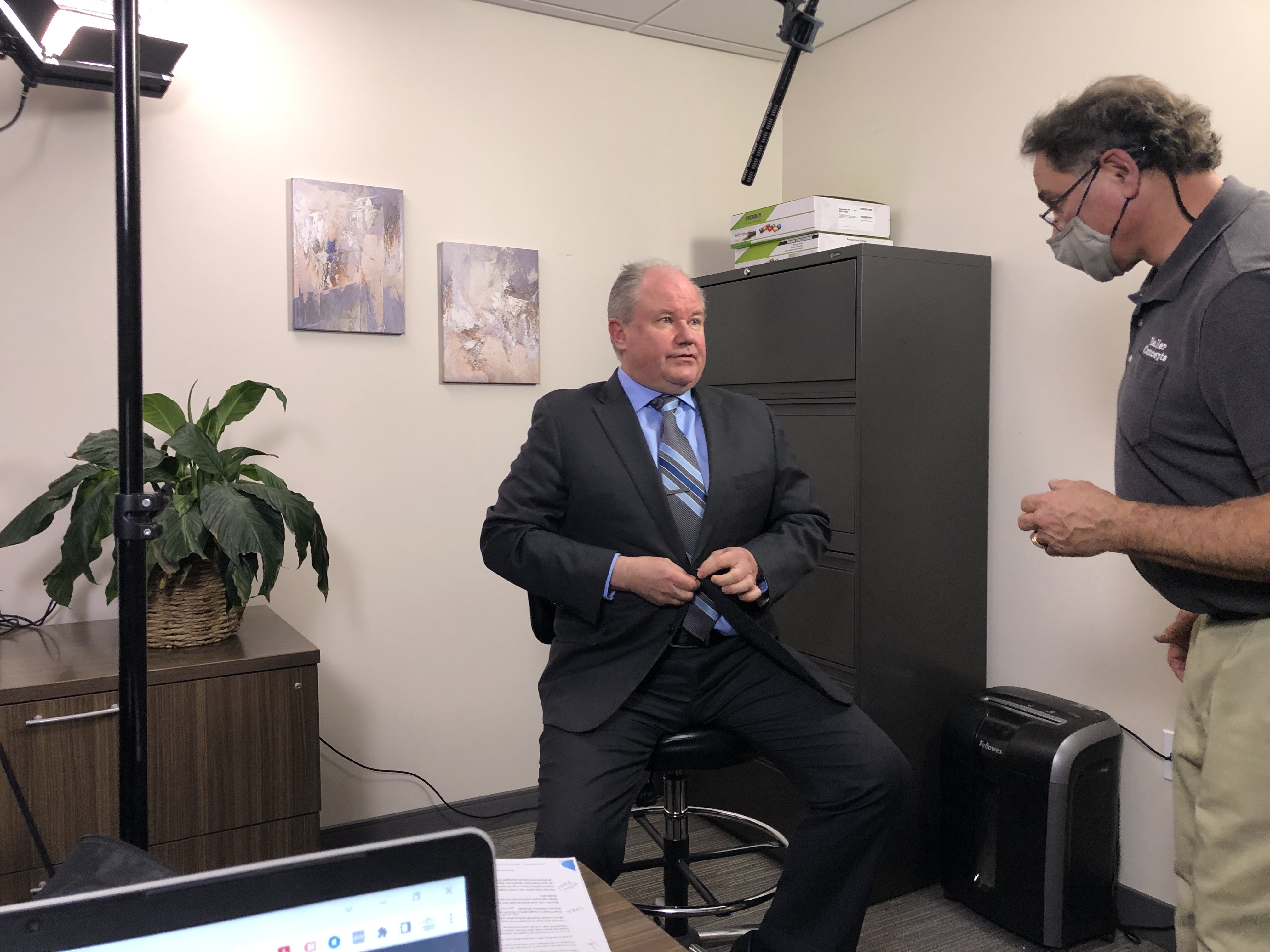
Our private studio lighting and visual setup is perfect for small productions and interview scenes, providing a controlled and comfortable environment. Our studio is also large enough to incorporate props, allowing us to round out your set with elements that enhance your brand story. We support every aspect of your production—from setting up a private, custom interview studio to supplying professional sound and camera operators, as well as providing the right equipment—ensuring your next video production is seamless and successful. And yes, we can even fly our specialized drones indoors for those dynamic, close-quarter shots.

When you partner with St Louis Commercial Video, you’re not just getting a production company; you’re gaining a strategic partner dedicated to making your non-professional talent look and sound like seasoned pros, delivering your brand’s message with clarity, confidence, and compelling visual impact. Let us help you tell your story.

Contact

Mike Haller 314-913-5626 stlouiscommercialvideo@gmail.com

Private Studio 4501 Mattis Road St. Louis, MO 63128

The Power of Drone Footage in Modern Video Production

In the ever-evolving landscape of video production, staying ahead of the curve is crucial for businesses and organizations looking to make a lasting impact. One of the most significant advancements in recent years has been the integration of drone footage into video production. Drones offer a unique perspective that can elevate the quality and engagement of your videos, making them an invaluable tool for any video production strategy. In this post, we will explore the benefits of drone footage, its applications, and how it can enhance your video projects.

Identify key locations and angles that will best tell your story and enhance the visual appeal of your video.

The Benefits of Drone Footage

1. Unique Perspectives

Drones provide aerial views that are simply unattainable with traditional cameras. This bird’s-eye view can capture expansive landscapes, intricate building structures, and dynamic event scenes, offering a fresh and compelling perspective.

2. Cost-Effective

Previously, achieving aerial shots required expensive equipment like helicopters or cranes. Drones have made it possible to obtain high-quality aerial footage at a fraction of the cost, making it accessible to a wider range of businesses and projects.

3. High-Quality Footage

Modern drones come equipped with advanced cameras capable of shooting in 4K resolution or higher. This ensures that the footage is sharp, clear, and suitable for professional-grade productions.

4. Versatility

Drones are incredibly versatile and can be used in various settings and scenarios, from outdoor landscapes to indoor events. Their ability to maneuver in tight spaces and at varying altitudes makes them ideal for capturing dynamic and diverse shots.

5. Increased Engagement

Aerial footage adds a ‘wow’ factor to your videos, capturing the viewer’s attention and keeping them engaged. This is particularly beneficial in marketing and promotional videos where first impressions are crucial.

Applications of Drone Footage

1. Real Estate

Drones can showcase properties from stunning angles, highlighting the surrounding areas and providing potential buyers with a comprehensive view of the property.

2. Events

Capture the scale and excitement of events such as festivals, sports events, and concerts. Aerial footage can provide an overview of the event layout and highlight key moments from a unique vantage point.

3. Corporate Videos

Enhance corporate videos by showcasing company facilities, construction progress, or large-scale operations. This can help in presenting a comprehensive and professional image to stakeholders.

4. Tourism

Promote travel destinations by capturing the beauty of landscapes, cities, and cultural landmarks. Aerial footage can make promotional videos more enticing and informative for potential visitors.

5. Construction and Infrastructure

Monitor construction progress, inspect infrastructure, and provide detailed views of large projects. This can improve project management and documentation.

Enhancing Your Video Projects with Drone Footage

Incorporating drone footage into your video projects can significantly enhance their quality and impact. Here are some tips for effectively using drone footage:

1. Plan Your Shots

Careful planning is essential to make the most out of drone footage. Identify key locations and angles that will best tell your story and enhance the visual appeal of your video.

2. Combine with Ground Shots

While drone footage is impressive, combining it with ground-level shots can create a more dynamic and comprehensive video. This juxtaposition of perspectives can add depth and context to your narrative.

3. Use Professional Operators

Operating a drone requires skill and precision. Hiring experienced drone pilots ensures that the footage is captured safely and professionally, adhering to all regulations and guidelines.

4. Focus on Quality

Ensure that your drone footage is of the highest quality by using drones equipped with high-resolution cameras and stabilizing technology. This will make your footage look more polished and professional.

St Louis Commercial Video: Your Partner in Professional Video Production

At St Louis Commercial Video, we understand the power of high-quality video content. As a full-service professional commercial photography and video production company, we have the right equipment and creative crew to ensure successful image acquisition. We offer comprehensive studio and location video and photography services, including editing, post-production, and licensed drone operations.

Our team can customize your productions to meet diverse media requirements, and we specialize in repurposing your photography and video content to gain more traction. We are well-versed in all file types and styles of media and accompanying software. Our private studio lighting and visual setup are perfect for small productions and interview scenes, and our studio is large enough to incorporate props to round out your set.

Whether you need a private custom interview studio setup, sound and camera operators, or specialized indoor drone flying, we have everything to make your next video production perfect. As a full-service video and photography production company, St Louis Commercial Video has worked with many businesses, marketing firms, and agencies in the St. Louis area for their corporate photography and video needs.

Let us help you take your video production to the next level with the power of drone footage. Contact us today to discuss how we can bring your vision to life.

Recording Home Office Testimonials: A Step-by-Step Guide

In today’s digital age, testimonials have become a powerful tool for businesses to showcase their products or services. With the rise of remote work and home offices, it’s crucial for companies to gather testimonials that reflect the effectiveness of their offerings in a home office setting. In this comprehensive guide, we’ll walk you through the process of recording home office testimonials, step by step.

Focus on capturing genuine experiences, provide a professional recording environment, and promote the testimonials effectively.

Introduction

Testimonials provide social proof and help build trust with potential customers. They serve as a testament to the quality and value of a product or service, influencing the purchasing decisions of others. With the increasing number of professionals working from home, it’s essential to capture testimonials specifically tailored to the home office environment.

Step 1: Identify Your Target Audience

Before you start recording testimonials, it’s crucial to identify your target audience. Consider who your ideal customers are and what challenges they might face while working from a home office. Understanding their needs will help you craft questions and choose the right participants for your testimonials.

Step 2: Select Testimonial Participants

To ensure authenticity, select participants who genuinely use your product or service in their home offices. Look for individuals who can articulate their experiences clearly and passionately. Consider reaching out to loyal customers, employees, or industry influencers who have a significant following in the remote work community.

Step 3: Craft Testimonial Questions

Crafting well-thought-out questions is vital to eliciting valuable responses from your participants. Focus on asking open-ended questions that allow them to provide detailed feedback. Here are a few sample questions to consider:

  • How has our product/service improved your productivity in your home office?
  • Can you share a specific instance where our product/service helped you overcome a challenge while working remotely?
  • What features of our product/service do you find most beneficial for your home office setup?

Step 4: Set Up a Professional Recording Environment

Creating a professional recording environment ensures high-quality testimonials that reflect positively on your brand. Consider the following aspects:

Lighting:

Position participants in a well-lit area to avoid shadows or harsh lighting. Natural light is often ideal, but if necessary, use soft, diffused lighting to create a flattering and professional appearance.

Background:

Choose a clean and clutter-free background that doesn’t distract from the participant. A simple home office setup or a neutral-colored wall often works well.

Audio:

Invest in a good-quality microphone or headset to capture clear audio. Avoid background noise and ensure participants are in a quiet environment during recording.

Camera Setup:

Use a high-resolution camera, preferably a DSLR or a webcam with good image quality. Position the camera at eye level for a flattering and engaging perspective.

Step 5: Prepare Participants

Help participants feel comfortable and confident before recording their testimonials. Provide them with an overview of the process, the questions they will be asked, and any specific instructions. Encourage them to practice their responses beforehand to ensure clarity and coherence.

Step 6: Conduct the Recording

During the recording session, make participants feel at ease by creating a friendly and supportive environment. Remind them to speak clearly and to maintain eye contact with the camera. Encourage natural and genuine responses rather than scripted ones. If necessary, conduct multiple takes to ensure the best possible outcome.

Step 7: Edit and Enhance the Testimonials

After the recording session, carefully review the footage and select the best parts for editing. Trim any unnecessary content and enhance the audio and video quality, if needed. Add captions or subtitles to improve accessibility and engagement. Consider including overlay text to highlight key points or statistics mentioned in the testimonials.

Step 8: Obtain Consent and Release Forms

To protect both your business and the participants, ensure you obtain consent and release forms from each participant. These forms should clearly state that the participants are giving permission for their testimonials to be used by your company for marketing purposes. Include details such as the intended platforms, duration of use, and any compensation or incentives provided.

Step 9: Promote and Share Testimonials

Once the testimonials are edited and ready, it’s time to share them with your target audience. Here are a few effective ways to promote and share your home office testimonials:

  • Website: Feature the testimonials prominently on your website, particularly on pages related to home office solutions or remote work.
  • Social Media: Share the testimonials on your social media channels. Craft engaging captions that highlight the key points and encourage viewers to watch the full testimonials.
  • Email Campaigns: Incorporate testimonials into your email marketing campaigns to showcase the positive experiences of your customers in home office settings.
  • Video Platforms: Upload the testimonials to video-sharing platforms like YouTube or Vimeo. Optimize the titles, descriptions, and tags to make them discoverable by potential customers.
  • Collaboration: Partner with relevant influencers or industry leaders to share your testimonials with their audience. This can help expand your reach and credibility.

Step 10: Monitor and Measure Impact

To gauge the effectiveness of your home office testimonials, monitor their impact and collect feedback. Track metrics such as website traffic, engagement rates, and conversion rates to assess the testimonials’ influence on your target audience. Listen to customer feedback and make adjustments as necessary to continually improve the testimonial collection and sharing process.

Conclusion

Recording home office testimonials is an essential part of any marketing strategy in today’s remote work landscape. By following this step-by-step guide, you can ensure that your testimonials are authentic, compelling, and resonate with your target audience. Remember to focus on capturing genuine experiences, provide a professional recording environment, and promote the testimonials effectively. With well-crafted and strategically shared testimonials, you can showcase the value of your products or services in the home office setting and build trust with potential customers.

stlouiscommercialvideo@gmail.com  314-913-5626

Creating Compelling Video Content for Your St Louis Small Business

Understand Your Audience

Creating awesome video content for your small biz? Start by understanding your target audience. Who are they? What do they know? What matters to them? And what do they want to learn from you? Knowing this info will help you create videos that are appealing and engaging. Plus, you’ll build an emotional bond with the viewer.

Now, let’s look at the steps you need to take for your video content to reach its maximum potential.

St. Louis small business owners can use social media to promote their videos. This will get them more views and encourage viewers to visit their websites or subscribe for more content.

Research your target audience

For successful video content for your small biz advertising in St. Louis, understand what appeals to your target audience. Before creating, research who they are and how to show them the special qualities that make your business stand out.

Research includes:

  • Identifying the target audience’s demographics.
  • Studying their needs and how you can provide solutions with your product/service.
  • Looking at their buying behavior.
  • Checking their subtle tastes and preferences.
  • Discovering the main channels they use for media and entertainment.

Knowing and understanding these answers before creating video content will ensure advertisers create material that appeals to their target market – leading to successful promotion of small biz in St. Louis!

Identify their interests, needs, and wants

To make great video content, be intentional when selecting your audience and topics. Every audience has their own interests, needs and wants. Knowing these will help ensure the content you create is useful.

Create an ideal customer profile to know what your target audience desires from a video. Think about their age range, profession, hobbies, geographic location, needs and wants. With this info, you can make your videos more impactful.

Also, get insights into why your customers are watching St Louis business videos. Are they looking for advice, entertainment or product instructions? Knowing this helps you include all points-of-view when creating your video content.

Take the time to research and understand your customers. This will ensure your video angles and delivery style speak to their interests, needs and wants. Then, you’ll be able to make compelling videos that get results!

Develop Your Video Content Strategy

For your small business in St. Louis, creating intriguing video content is a great way to promote it and draw in new customers. To make sure your content resonates with your desired audience, you should have a complete video content plan.

This includes aims, objectives, target viewer ‘personas’ and the kind of content you’ll create. Let’s examine the elements of a successful video content plan more deeply.

Brainstorm topics that will engage your target audience

Brainstorming is a great way to start a successful video content strategy. Consider the goal of the video, what experiences can be shared, and who the target audience is. Research current trends to make sure your video is relevant. Look at social media platforms like Instagram, TikTok, YouTube, Twitter, and Facebook for insights into popular topics in your industry. See which types of videos are most engaging for users. Twitter polls and YouTube’s trending list can show you what videos are successful.

Content has a short shelf life, so it’s important to have good ideas based on audience interests to create memorable content that is shared organically.

Set goals for your video content

Planning and intentionality are key to creating compelling video content. Think about what you want to achieve. Set clear and achievable goals that align with your company’s core objectives. For instance, if your goal is to raise brand awareness, show customers why your product or service is better than others.

Define a longer-term aim for all your video content. This goal will make sure all videos fit with your message. Ask yourself:

  • Who is my target audience?
  • How can I get my message across?
  • What aspects of our business should be highlighted?
  • What content is likely to engage viewers?

By developing a strategy before making any promotional videos, small business owners in St Louis can get the best results.

Create Your Video Content

Video content is essential for St. Louis small businesses who want to thrive. It can be used to promote products, services and events. Plus, engage with potential customers and clients.

Here’s how to make awesome video content that stands out!

Choose the right video format

For compelling video content in St. Louis, there are many options. Traditional short-form videos draw viewers. There are also tools for businesses to create videos on any budget.

Explainer Videos: These short-form videos present complex topics with visuals, graphics, audio, and text. They grab attention and offer entertainment value.

Live Action Videos: Live action videos show people interacting. Short-form videos can be recorded with a hand-held device. But, usually planning with storyboards, scripts, and production design is needed. Plus, actors and team members may be needed.

Animations: Animations convey messages with interesting storytelling and visuals. Different types exist like 3D animation, motion graphics, stop motion video, or gifs created with Photoshop or iMovie.

Interactive Content: Interactive content allows viewers to explore topics of interest. It increases engagement time compared with traditional media formats. This includes polls & quizzes, interactive infographics & maps – all at different prices!

Write a script for your video

Creating unique video content starts with a planned script. Writing a script for your video helps you stay on-message, and makes it easier to direct the flow of info. Without a script, it may be hard to keep viewers engaged throughout.

Keep your target audience in mind when making the script. Work out what kind of info they’ll find useful and create an outline that’s easy to follow. Add visuals or special effects too, that will make your video stand out and be memorable.

When writing the dialogue, use language that’s natural but professional. Speak as if you’re talking to someone, not reading from a page – this will help you seem genuine. Make sure there are no typos or awkward pauses, which can ruin the quality.

Before you start filming, read through the script a few times for typos or revisions. With a good plan, you’ll be ready to create an effective video for your St. Louis small business!

Record your video

Recording your video is a great start to making amazing video content for your St. Louis small business! Pick the setting, scene, and subject for your shoot. Be sure that you are prepared for recording with these tips:

  • Pick a great camera and microphone. Quality equipment is important for good video content. Buy quality digital camera and microphone, depending on your budget.
  • Lighting should be great – have enough light to make the picture clear and vibrant.
  • Check your background – Be aware of the background and make sure it won’t take away from your message. Objects can make distractions, so hide them.
  • Look at special effects – Use transitions, titles, music, and other effects to convey more meaning in your video content.

By following these steps, you can make quality content even with a small budget! Recording your video is only one of the steps to creating great video content for your St. Louis small business. Look out for our posts on editing software and hosting tips too!

Promote Your Video Content

Creating video content for your small business in St. Louis is a must. It can draw people to your website and convert customers. Plus, your brand awareness will grow.

How do you promote the video content? Here are some of the best ways.

Create a video marketing plan

Creating a successful video marketing plan is great for small businesses. It helps reach new customers, create extra revenue, and build a positive image. Here are the steps to consider:

1. Define Goals: Before creating videos, figure out what you want to accomplish. Drive people to your website? Promote a product? Create brand presence?

2. Decide Your Audience: Think about who you want to watch the video. Consider their demographics, location, and interests.

3. Choose Content and Style: Pick a relevant and engaging topic. Use high-quality visuals and sound. Maybe use animation techniques.

4. Promote Your Video: Use organic posts and paid advertising campaigns. Try influencer/ambassador strategies.

Video content can bring real success. It can increase visibility, educate customers, generate revenue, and build loyalty. Establish yourself as a thought leader in St Louis!

Leverage social media platforms

Social media platforms are great for promoting videos. Through them, you can reach more people, get potential customers, and increase your brand’s visibility. You can also use them to get leads and drive website traffic.

When using social media, be creative. Create hashtags related to the video or design visuals that go along with the video’s story. Analyze the engagement of each platform and adjust your strategy as needed.

St. Louis small business owners can use social media to promote their videos. This will get them more views and encourage viewers to visit their websites or subscribe for more content.

Optimize your video content for SEO

Video content is key in SEO. To optimize videos for your small biz, focus on text elements. Use keywords and phrases in titles, descriptions and tags. This helps search engines find and rank your content higher. Increase reach by sharing across social media.

Try keyword-stacking for short, mid, and long-form phrases. Eg: “St. Louis Best Bites: Where to Find the Best Restaurants”. Utilizing proper keywords connects with potential customers searching for their interests.

Link each video to a specific page on your website or blog. Give each one a unique title and description but link back to the same page. Also use high quality imagery to keep viewers watching longer. This earns recognition beyond textual aspects.

Explainer videos are a fantastic way to educate audiences. Their short, concise nature makes them great for conveying the essential details of a business, product, service, or idea. In a short amount of time, they can facilitate a quick understanding of the topic.

Are you looking for an engaging way to capture the attention of your audience? An explainer video is the best tool to educate and inform them quickly, concisely and effectively. You can communicate the broad strokes of your business, product, service or concept in a simple yet effective way that resonates with your viewers.

An explainer video is THE ultimate tool for audience education It communicates the broad strokes of a business product service or concept in a quick snappy way concisely communicating the important key points and creating instant understanding.

Introduction: What is an Explainer Video?

An explainer video is a short, compelling, and illustrative motion graphic video which helps to explain a business, product, service or concept in an engaging way. Explainer videos can be used to introduce customers to your brand story and its goals and to highlight the features of a product or service. Explainer videos have become essential visual aids for businesses as they create a memorable visual representation that communicates the key elements of a company’s message.

Explainer videos work by quickly summarizing complex concepts by leaving out unnecessary details. The end goal is to provide viewers with enough information so that they are excited about your product or brand while also understanding how it works and providing them with enough information so that they know what you offer compared with other competitors.

Companies use explainer videos as an effective tool for interactive marketing because it:

  • Increases engagement rate from potential customers
  • Encourages them to take action
  • Makes it easier for them to comprehend your product offering

Benefits of Using an Explainer Video

An explainer video makes it simpler for viewers to grasp messages, including complex ideas in a short amount of time. It also enables prospects to gain an understanding into the business, product or service and hang onto that knowledge, quickly driving engagement and interest.

Explainer videos create instant understanding. This can lead to increased conversions from your website and other marketing platforms. As explainer videos provide an immediate understanding of the services on offer, it encourages viewers to consider making a purchase there and then or remember the company for potential future purchases.

In addition to motivating prospective customers, explainer videos save time during onboarding processes by simplifying any complex topics – helping to decrease customer queries during training and support channels. They can be re-used over time, saving costs every time they need updating content-wise as they require minimal changes; meaning any ambiguities are addressed without needing large costs incurred through full video production processes again and again.

How an Explainer Video Can Help Your Business

Explainer videos are short, succinct videos, typically between two and three minutes long, that outline a product’s key features, explain how it works and the benefits it offers users. They are designed to inform and assist prospective customers in their journey toward making a purchase decision.

Explainer videos are fast becoming the go-to tactics for many businesses today. Not only do they quickly catch attention and drive engagement with viewers, they provide an interactive platform to teach customers about your offerings while delivering lasting impression and excellent Return on Investment (ROI). Explainer videos are an incredibly powerful way to get your key messages across quickly and effectively.

Explainer videos have been proven to significantly impact buying decisions – helping potential buyers form a more comprehensive view about what your business is offering. Customers viewing explainer videos are more likely to develop brand loyalty, understanding and trust than audiences who haven’t seen one.

Created by professional video production studios capable of developing creative scripts and visuals tailored towards your target audience that focus on the benefits of your product or service and not just unique features. An explainer video can take the complicated message you want to communicate and make it easy to understand through visual cues which makes them perfect for all types of audiences especially digital native generations like Generation Z or Millennials who prefer visually captivating content over long-form text-based information as they do not have enough time or patience to read through long tutorials or FAQs sections of websites.

Explainer Videos can also be used in webinars, seminars as well as being utilized in sales pitches that help close leads quickly while ensuring they get access to necessary information without taxing their time resources too heavily giving you higher ROI from investments made in such marketing campaigns with minimal cost margins associated with outsourced production costs etc.

If you want more eyes on your business thus generating maximum engagement along with higher sales conversion rate Explainer Videos should be an integral part of your marketing campaign strategies moving forward!

How to Create an Effective Explainer Video

Creating an explainer video that is effective for audience engagement and education can feel like a daunting task, but with the right elements in place, it can be done in a relatively short amount of time. Here are a few steps to help you get started:

  1. Start by deciding on the target audience and what they hope to gain from your explainer video. You will want to use language that is both easy to engage with, and speaks directly to the target demographic. A successful explainer video will use visual techniques such as storytelling and animation to keep the viewer entertained while conveying information clearly and concisely.
  2. Identify what makes your product or service stand out from others – this key element should be made clear in the explainer video so that viewers can quickly understand what they’re being offered by you. Consider which visuals would best represent how your product or service works and then create storyboards outlining the key features that you wish to demonstrate. Remember – viewers only have limited attention spans, so keep it short (aim for 1-3 minutes max).
  3. Once your storyboard is complete, it’s time for production! Choose engaging music and sound effects, ensure each element ties into your desired message, shoot footage where necessary (only if absolutely necessary), animate graphics in keeping with your overall style – these are just some of the choices you will need to make during production editing. If needed, source a voice over artist who has experience narrating corporate style videos; good narration will ensure that viewers follow along with ease.
  4. Finally – review colors, fonts and styling options used across all aspects of production; consistent design choices between all elements used in an explainer video will give viewers automatic assurance they are viewing something professionally produced without confusion or interruption of their viewing experience throughout its entirety.
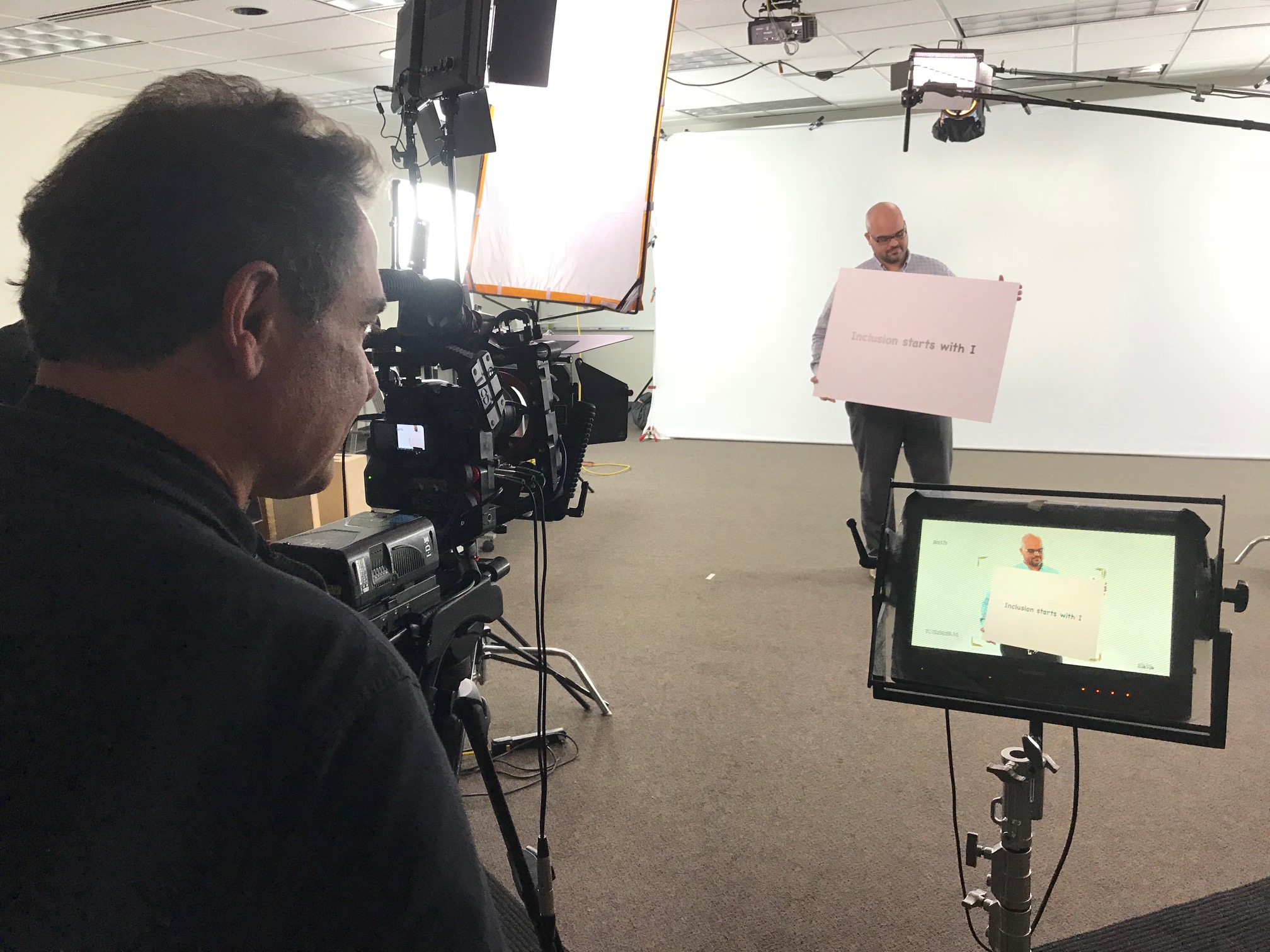
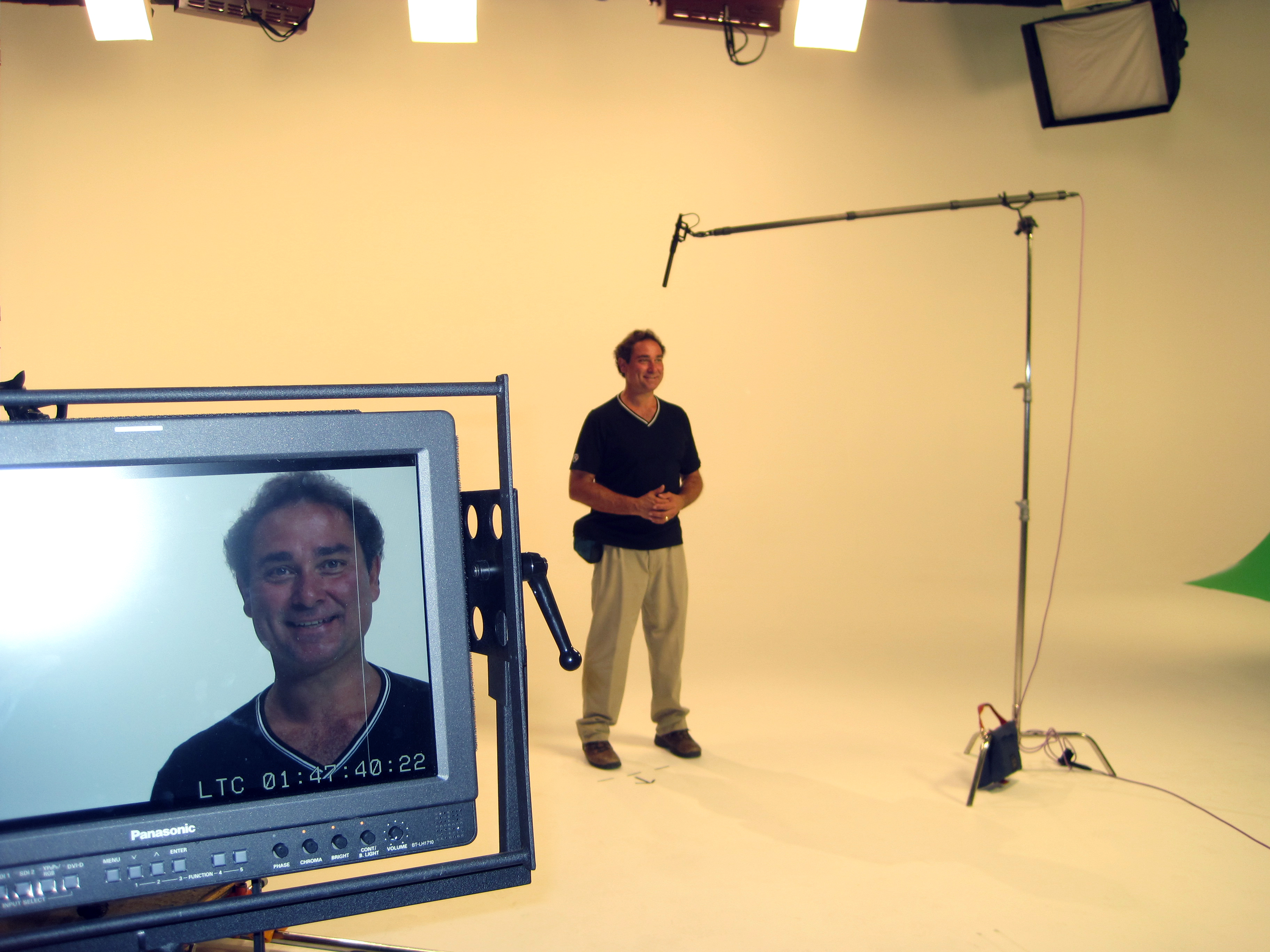
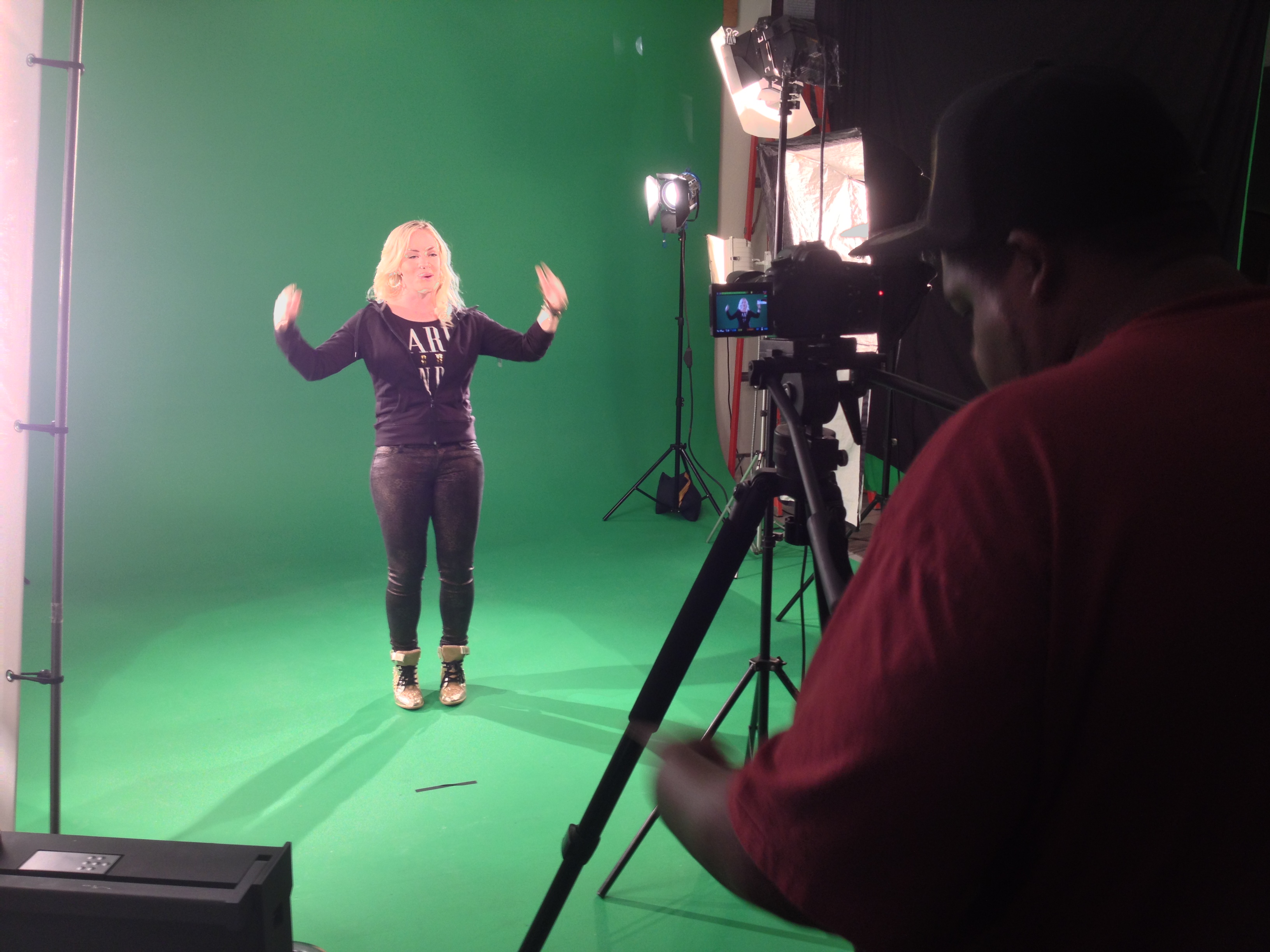
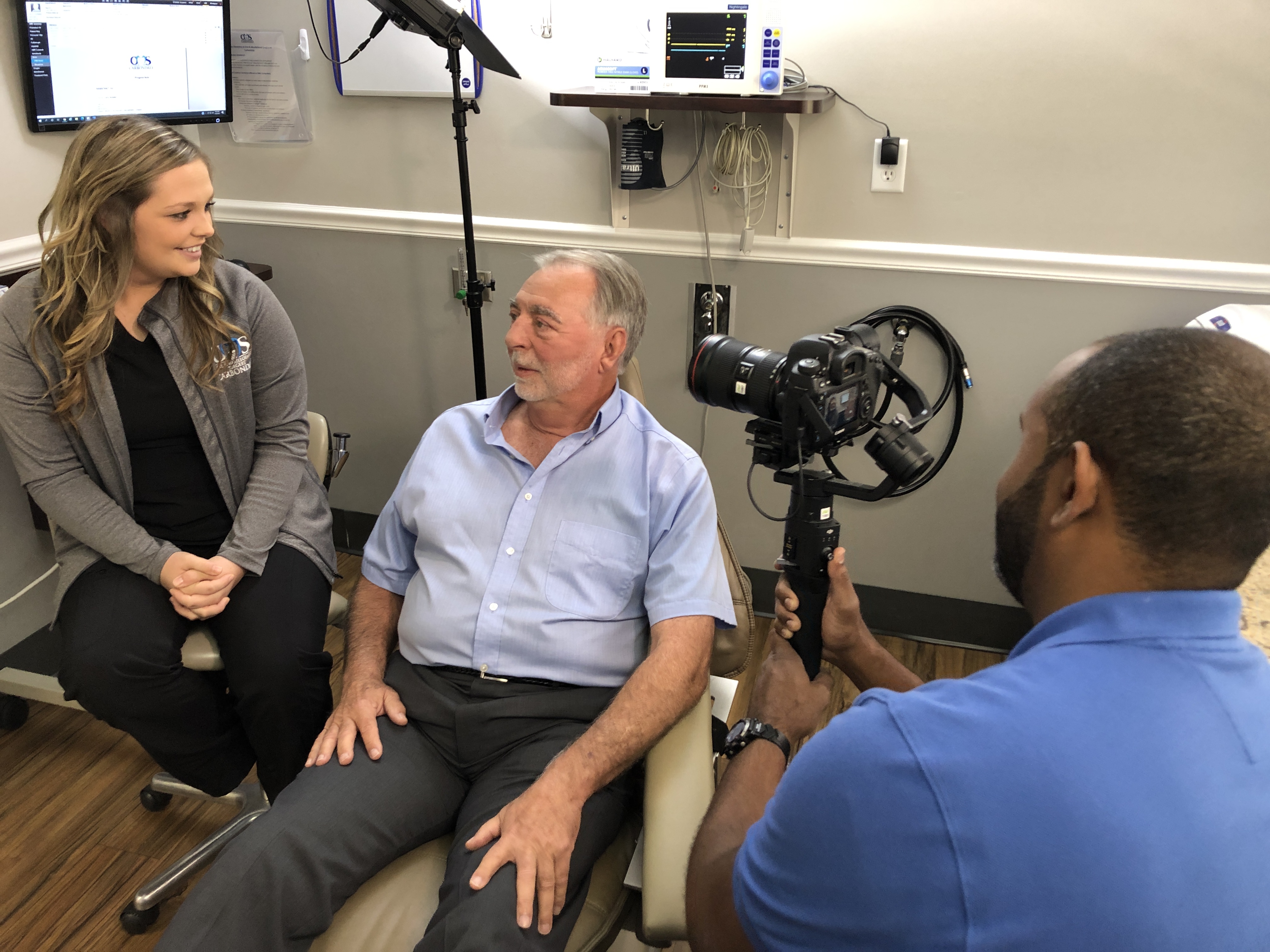
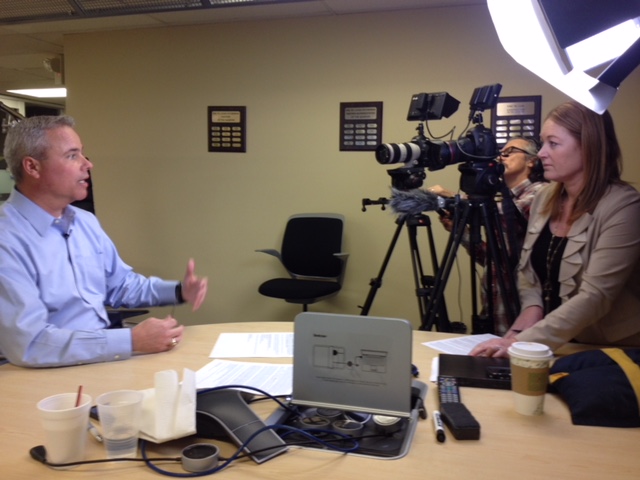
Explainer video production with producer, talent and camera operator.

Different Types of Explainer Videos

Explainer videos come in different shapes and sizes, with the ultimate goal to simplify a concept and educate an audience. The types of explainer videos can be broadly divided into four main categories:

  1. Animated Explainer Videos: These videos will use predetermined characters and visuals, designed with tools like Adobe After Effects or Adobe Premiere Pro to make an audience understand how a product or service works. This format is often used when a business wants to create a fun, engaging video that appeals to many age groups and backgrounds.
  2. Live Action Explainer Videos: This type of video uses footage from real people instead of animations. It can showcase customer testimonials or provide “innovative demonstrations” for explaining complex concepts in simple terms. Live Action explainer videos have the power to almost directly appeal to the audience emotionally and create deeper connections than animation could ever do in a short time frame.
  3. Educational Explainer Videos: These are specially crafted for younger audiences who require special attention when it comes to learning and comprehension. This type of explainer video is usually presented using easy words, clear visuals, focused objectives, and often mnemonic devices in order to help the core message stick better with the kids. Viewers most efficiently process information during play rather than lengthy lectures or instructions accompanied by subtitles as they often fail miserably attempting this task as they mostly aim at lecturing rather than playing around topics making them bored eventually with messages hardly sticking even while adult audiences might comprehend messages quickly without feeling desperate.
  4. Interactive Explainer Videos: Through interactive videos, businesses can turn passive viewership into active engagement-driven activities that constantly excite the user throughout their journey on your website/app leading up video page, thus providing for longer watch period combined with enhanced learning capability due its interactive nature enabling users practice activities related solving problems showcasing all features of products helping potential customers get hands on experience even before purchase/usage driving personalization & giving customers overall enriching ride!

Tips for Creating an Engaging Explainer Video

In a world of digital marketing where attention spans are dwindling, it’s more important than ever to create explainer videos that engage viewers and keep them interested. Here are some tips to help you create an engaging explainer video:

  1. Make It Creative: Make sure your explainer video stands out from the crowd by taking a creative approach. Think outside the box, use vibrant visuals, employ storytelling techniques and add humor whenever relevant – these will all help make your video feel unique.
  2. Focus on Your Audience: When creating an explainer video, make sure to keep your target audience in mind throughout the process. Take the time to research their pain points and consider any potential roadblocks they may face so you can include relevant information that resonates with them in the video.
  3. Add Music: One of the best ways to ensure your viewers remain engaged is by including music in your explainer video. It helps set the tone for the entire production and can be used as a tool to further emphasize key points or evoke emotions from viewers.
  4. Keep It Short: Nothing will dampen an audience’s enthusiasm faster than an overly long explanation – so keep explanations short and sweet (ideally under 90 seconds) when creating your explainer videos! Short videos not only appeal more to viewers but also help increase conversions because people are likely to watch until completion before taking action.

Explainer Video Examples

Explainer videos come in all shapes and sizes, from whiteboard animation to motion graphics and beyond. When creating an explainer video for your business or organization, the options are seemingly boundless. To get an idea of the type of video that might work best for you, let’s explore some example explainer videos to help inform your choice:

  • Whiteboard Animation: This type of explainer video typically relies on drawings instead of live footage or animation to tell its story. It uses text along with hand-drawn images or animated “stick figures” to walk viewers through a concept, product or service. Through its playful nature, whiteboard animations can be great at engaging an audience while still providing a depth of understanding with simple visuals.
  • Motion Graphics & 2D Animation: Such videos might involve movement in objects or text, 3D figures that appear as cutouts on screen, high-quality imagery and clean typography that highlights key features and messages. This type of video is great for showcasing complicated concepts in a concise manner, as well as for driving home certain aspects for which more involved imagery would create too much clutter.
  • Live Action Explainer Video: Live action videos typically combine actors on set with more illustrative elements like icons and logos that help display the concept being discussed. This is a great option when your product has tangible components or you want the demonstrative nature of actors to highlight features and benefits more strongly than graphics alone could do.
  • 3D Animation Explainer Video: 3D animation combines 3D models with motion paths and special effects to create stunning visuals that grab viewers’ attention right away. They’re especially effective at demonstrating complicated processes like manufacturing or software development in ways otherwise hard to replicate using other techniques while maintaining a high level of profundity without overcomplicating matters thanks to scenes featuring only user interface elements (or virtually any other aspect imaginable).

A well-made explainer video is arguably one of the most powerful tools for instant audience education.

It allows you to quickly explain your business offering, product, service or concept in a way that easily reaches both current and potential customers.

The content within an explainer video should clearly communicate your brand’s key points, leaving your audience with an understanding of who you are, what you offer and why they should choose you.

To ensure maximum success with an audience, use data to create an effective video script specifically tailored to your audience. Your explainer video will then provide the perfect platform to power conversion, build trust and accurately display the value of your offering with clarity and urgency. With its ability to engage viewers emotionally as well as intellectually, it is no wonder that many marketers consider an explainer video THE ultimate tool for audience education today.

Mike Haller
314-913-5626 stlouiscommercialvideo@gmail.com

How to Create a Day in the Life Video for Your Product or Service: Tips and Strategies for Engaging Content.

Tips for creating an engaging day in the life video

– Start with the end in mind – Create an outline or storyboard of your day in the life video before you start filming. Having a plan will help you stay on track and avoid getting off track. It’s easy to get wrapped up in the filming process and forget why you’re capturing the footage in the first place. Having an outline will help you stay focused on your goal. – Make sure you have permission to film – Be sure to get permission to film in any location you plan to shoot in. It’s not only disrespectful but illegal to film in private places without permission. Be sure to check your local laws as well before filming. You don’t want to be in a sticky situation with authorities. – Cast a real person in your video – You don’t have to cast a professional actor, but you do want to cast a real person in your video. If you cast a professional actor, people will be less likely to relate to your video and the message you are trying to convey. If you cast a real person, customers will be able to relate to the person in your video, and the message you are trying to convey. – Create visual and concise content – Don’t make your video too long, but don’t make it too short either. If your video is too long, people will get bored and stop watching. If your video is too short, people won’t have enough information and may not be inspired to take action. Shoot for a video that is between 3 and 5 minutes long.

Storyboarding and scripting your day in the life video

Before you start filming, it’s important to sketch out your storyboard. A storyboard is a visual representation of your video, and it will help you create an effective video. It will also help you stay on track while shooting your video. You can create a storyboard using a tool like Google Drawing or with paper and pencil. It’s important to sketch out your storyboard before you start filming because it will help you stay focused and on track. Once you have your storyboard, it’s time to start scripting your video. It’s important to script your video because it will help you convey the message you are trying to get across to your audience more effectively. It will help you avoid rambling and stringing words together without any direction or focus. It will also help you avoid getting off track during the shoot.

Selecting the right equipment

– Camera – Any camera will do, but it’s important to use a camera that is easy to use. You want to avoid unnecessary distractions while you’re filming your day in the life video. Be sure to pick a camera that is easy to use and will allow you to film in different environments. If you plan to film outside, you will want a camera that can handle different weather conditions. – Sound equipment – The sound quality of your day in the life video will have a big impact on the overall quality of your video. If your sound quality is poor, your video may not be engaging or effective. It’s important to pick the right equipment to ensure the sound quality of your video is high-quality. You don’t need a lot of expensive equipment to ensure your sound quality is good. – Lighting equipment – Poor lighting can ruin the quality of your day in the life video. You don’t have to have fancy lights, but you do want to make sure you have enough light to film in. You don’t want your video to be too dark because it will be hard to see what’s going on in the video. It’s important to pick the right equipment to ensure your day in the life video is well-lit.

Choosing the right locations

– Pick a location that represents your brand – Before you pick a location, you want to make sure it represents your brand. You want to pick a location that represents your brand, and will help your brand come to life. – Pick a location that will make your video engaging – You don’t have to shoot in a fancy location. You just need to shoot in a location that will make your video engaging. Pick an interesting location that will make your day in the life video more engaging for your audience. – Pick a location that is easy to access – You don’t want to pick a location that is hard to access. You want to make your job as easy as possible. It’s important to pick a location that is easy to access.

Building relationships with your audience

When you create a day in the life video, you are showcasing the people who are using your product or service. It’s an intimate glimpse into the lives of your customers, and it shows them as real people with real stories to tell. The video gives your audience a chance to connect with your brand on a more personal level. You can use your day in the life video to ask your customers questions, and ask them how they use your product or service. It’s a great way to start a dialogue with your audience. You can also invite members of the audience to be a part of the video by asking them to participate in the shoot. It’s a great way to build relationships with your audience, and give them an opportunity to be a part of your video.

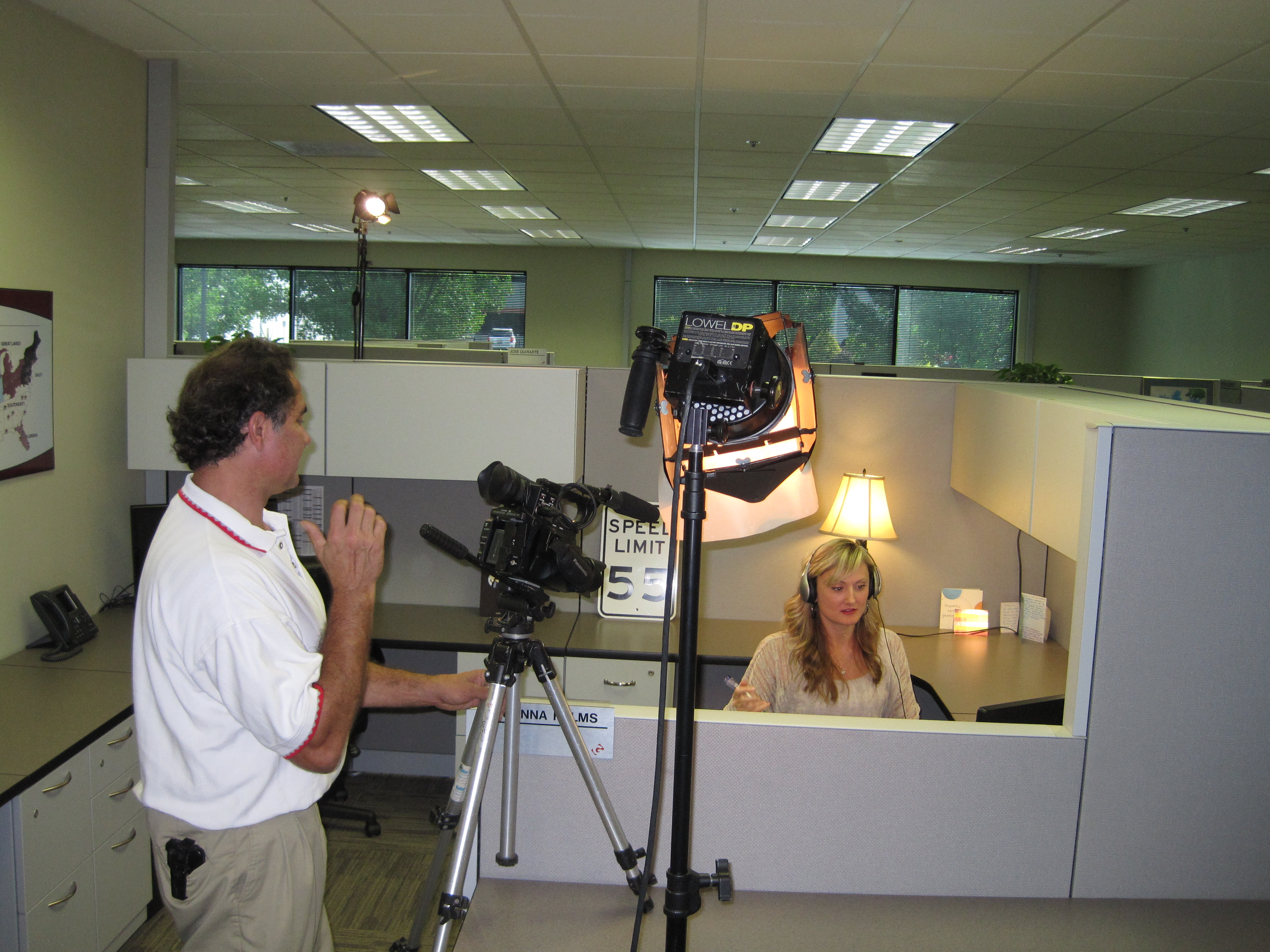
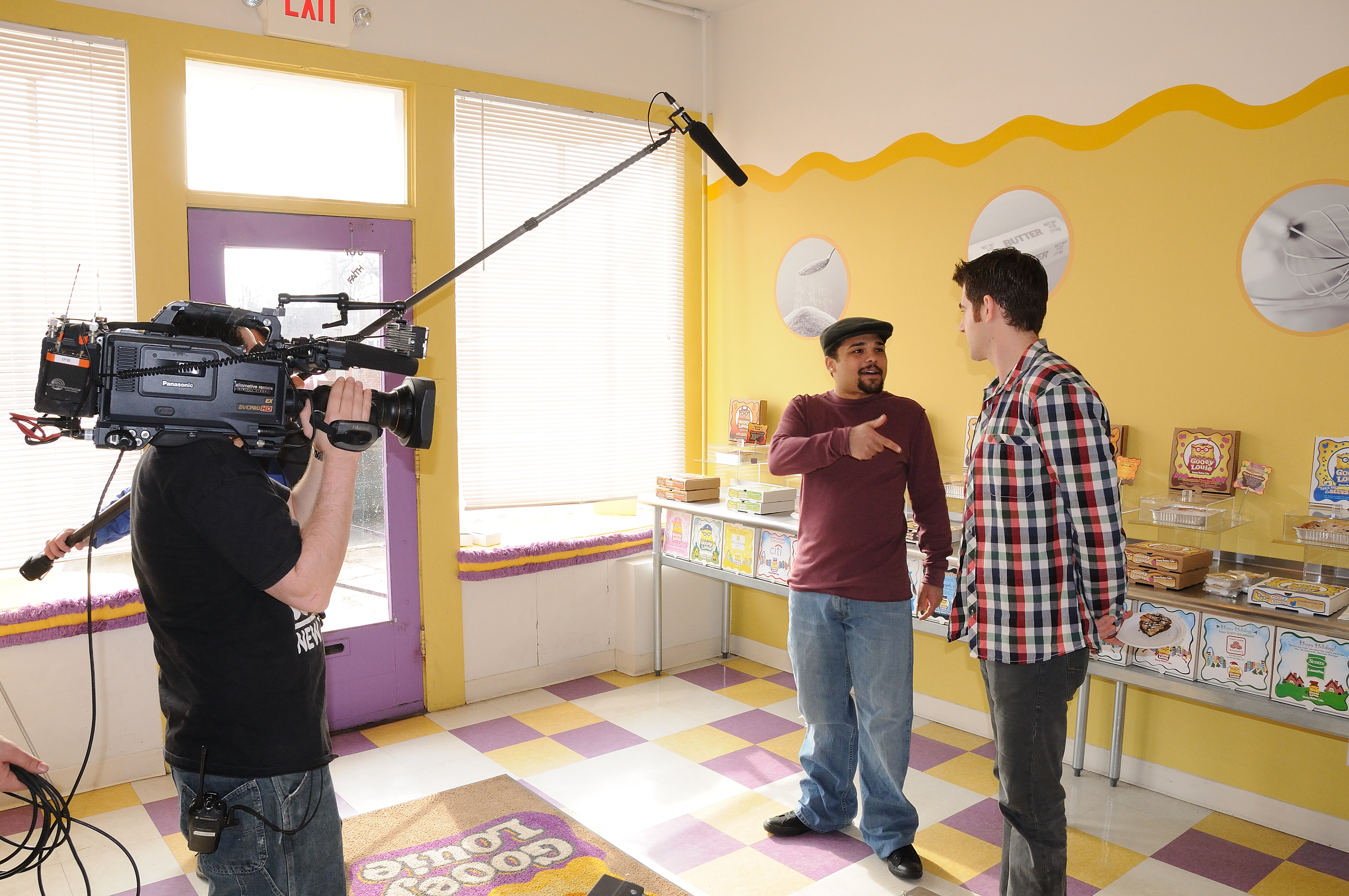
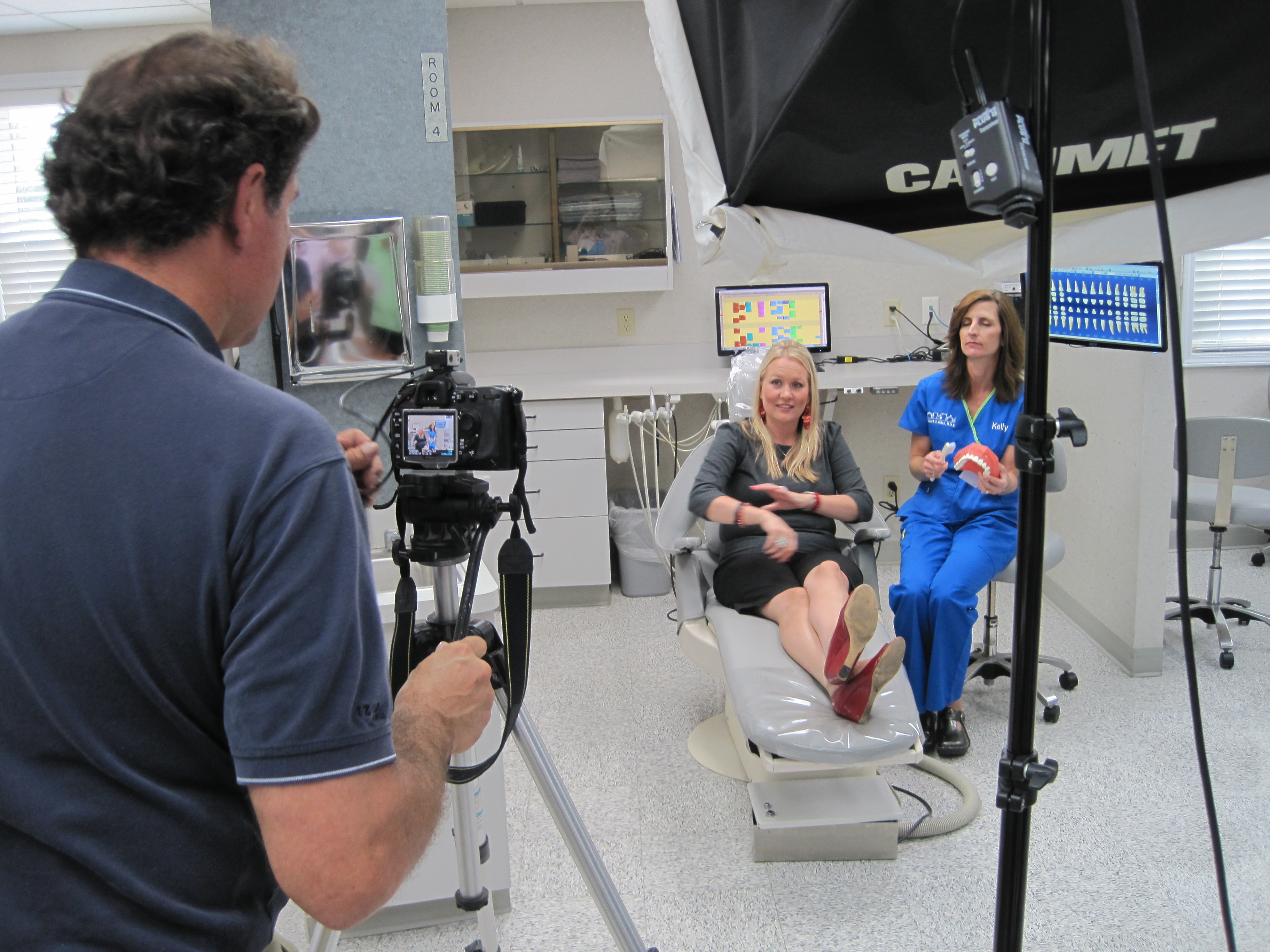
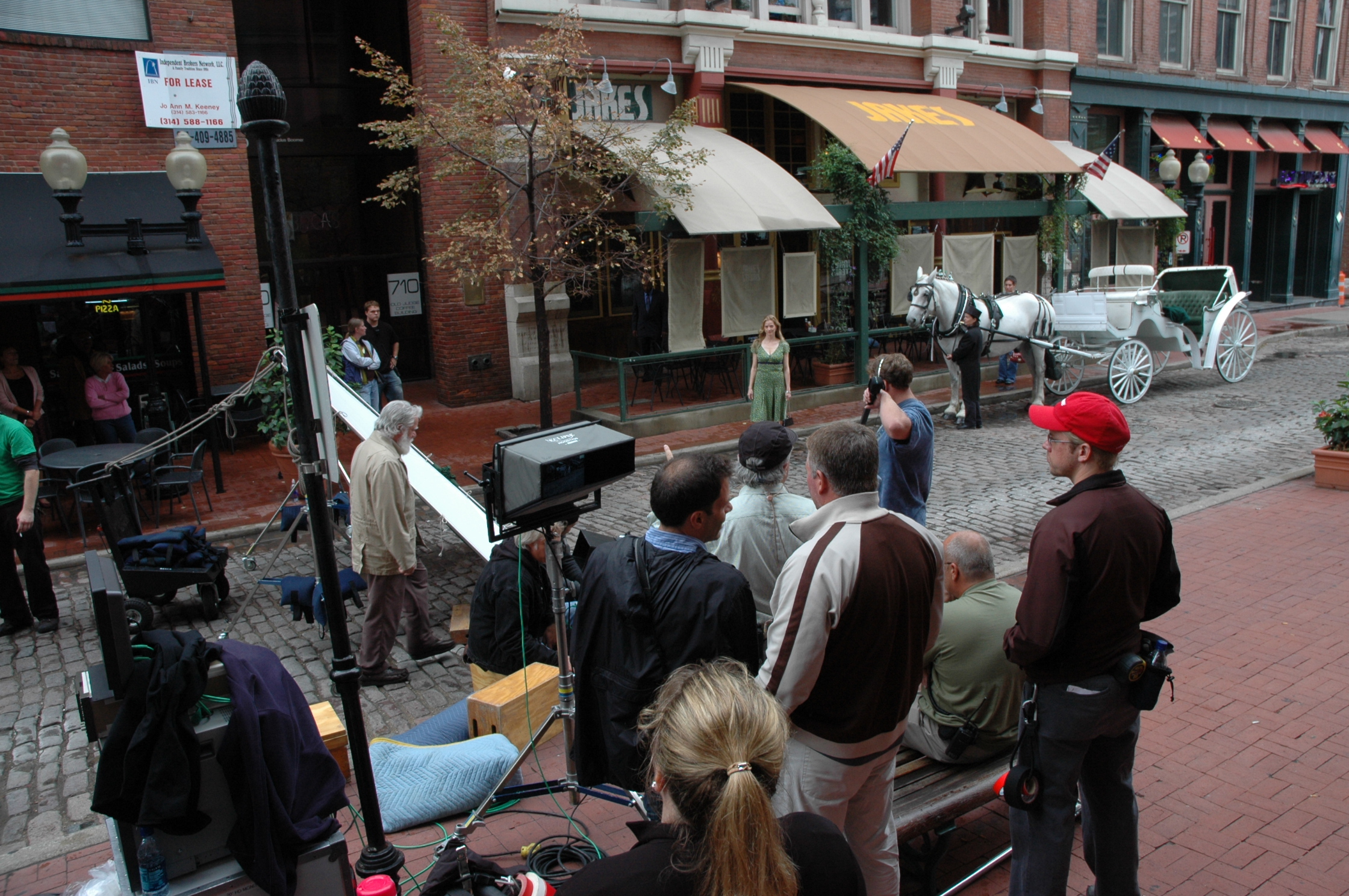
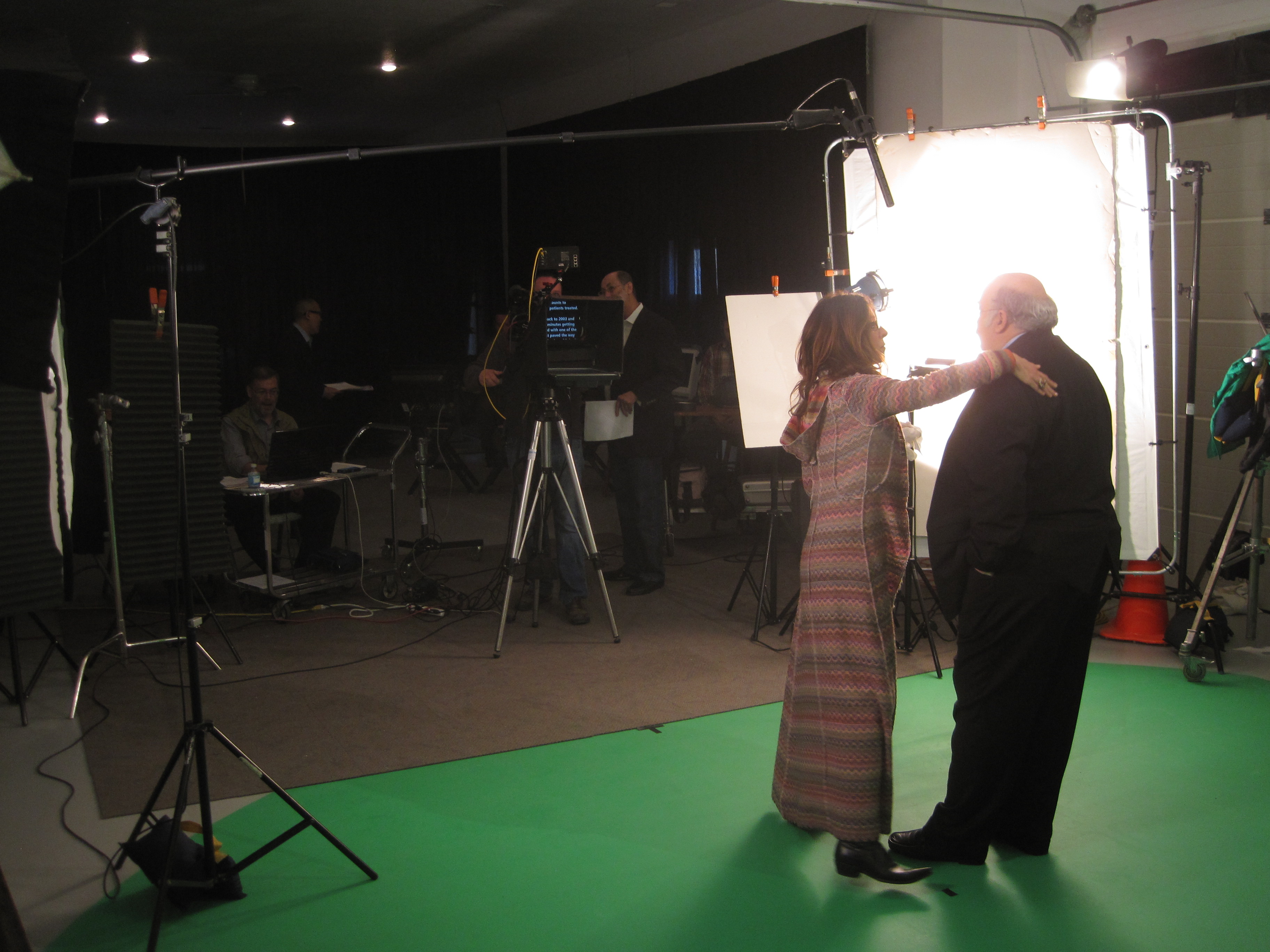
Shooting a Day-In-The-Life film to edit for the web and broadcast commercials

Driving sales through day-in-the-life videos

Once you’re done creating your day in the life video, you can use the video to drive sales. You can create a blog post or an email sequence around your video. You can use the blog post or email sequence to drive traffic to your video, which will help you drive sales. The blog post or email sequence can be used as additional content to go along with your day in the life video. The content can be used to help you sell your product or service, and drive sales. Blog posts and email sequences are great ways to use your day-in-the-life video.

Mike Haller
314-913-5626 stlouiscommercialvideo@gmail.com

Video Production is a Good Investment for Your Marketing Communications.

As a marketing tactic, video production is an investment. The equipment required to produce and edit video is not cheap and if you do not have the in-house expertise to create high-quality video, you will need to pay for the services of a video production company. While this might appear to be an expensive marketing tactic, the ROI of video is incredibly high. Statistics show that audiences are three times more likely to purchase a product after watching a branded video than if they read the same description in text form, and almost twice as likely if they read reviews written by other customers. Video also gives your brand the ability to connect and engage with your audience on a personal level. It allows you to place a face behind your product or service and show potential customers the people behind your business. This will help to build trust and make your brand more relatable, which is essential in the competitive world of business.

Video Content is Incredibly Influential

Video is a highly engaging format that has been proven to increase brand awareness and drive sales for businesses. However, many companies are still hesitant to incorporate it into their marketing plans because they don’t think their target audience will find it interesting or valuable. This couldn’t be further from the truth. Video is compelling and engaging, regardless of whether the viewer is interested in your product or service. When used correctly, video can be incredibly influential and has the power to impact an audience and change their behavior. This type of impact is difficult to achieve with other marketing strategies because of the level of engagement video content has with viewers. Whereas articles and blog posts require the reader to be actively interested in the topic and take the time to read and understand them, video is a passive engagement that can be watched without effort from the viewer.

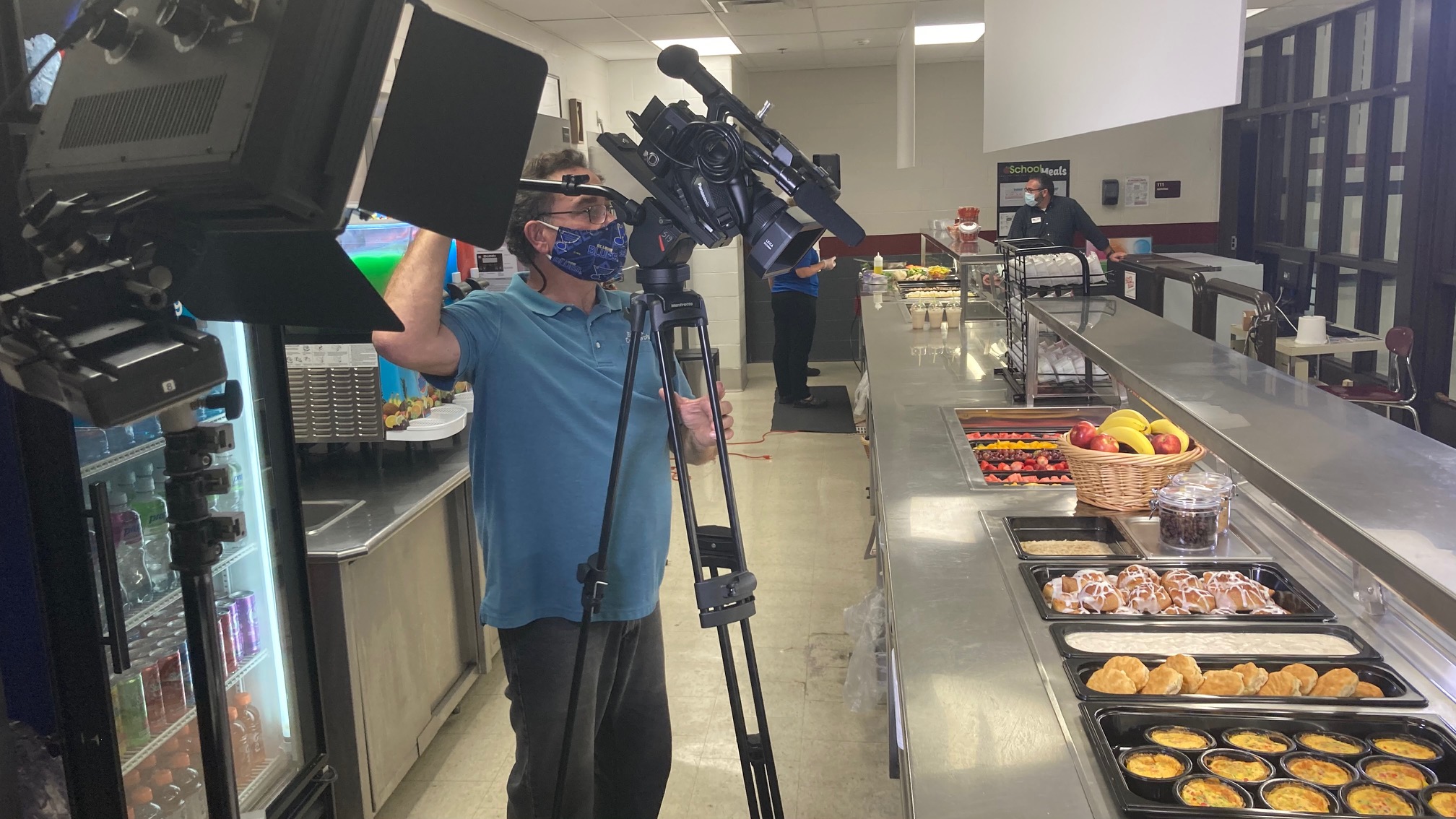
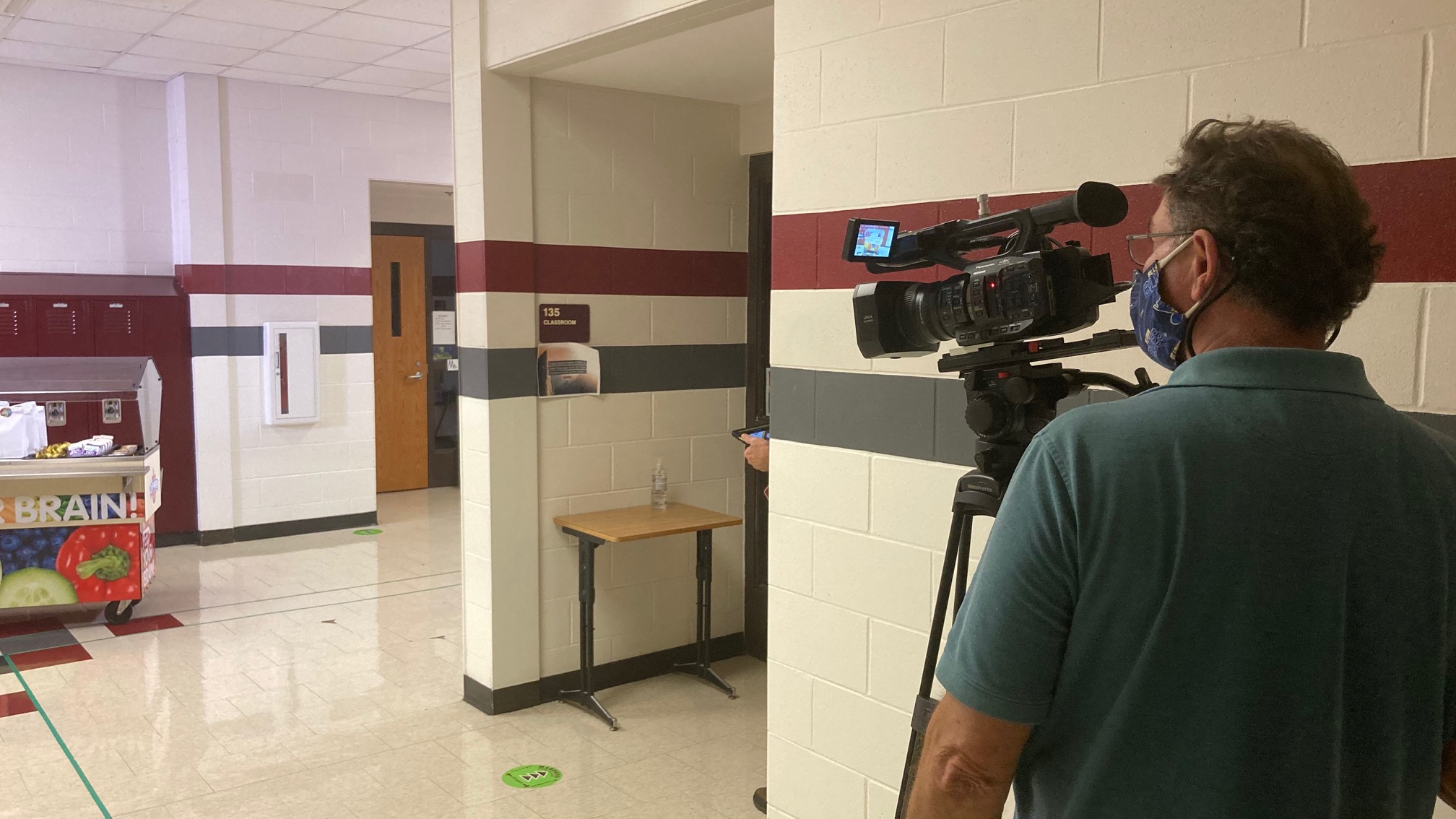
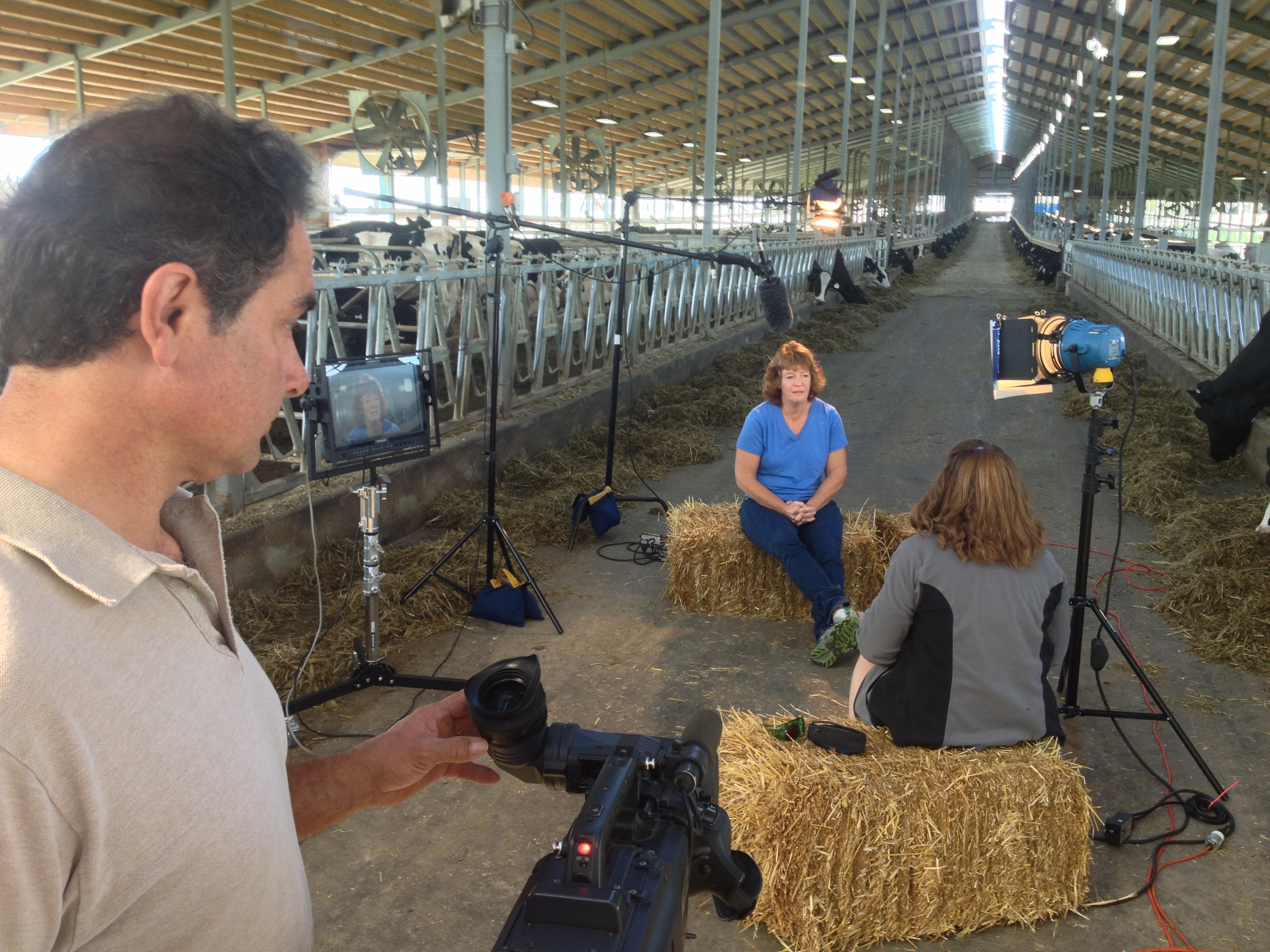
Commercial video production is a wise investment for future sales.  Remote location taping outside.
Commercial video production is a wise investment for future sales. Remote location taping outside.

Video can be easily shared

Video is easily shareable and is one of the primary metrics used to track the success of marketing campaigns. You may be wondering how you will be able to track the success of your video marketing campaigns if you do not know who is viewing your videos and where they are being viewed. However, this information can be easily retrieved from most tracking platforms. Once you have created your video marketing campaign, you can share it across all of your social media channels and encourage your followers to do the same. This will allow your video to travel further than your personal network and increase your video views and engagement statistics. When choosing the platform on which to host your video, make sure you choose a host that allows you to embed your video onto other websites. This will make it easy for you to share your video with a wider audience and will help increase your video views and engagement statistics.

Video content is effective at educating and selling

Video is a great format to use when trying to educate your audience about your products and services and sell them on purchasing from your company. However, it is important to choose the right type of video for the goal you are trying to achieve. For example, if you are trying to sell your products, it is best to create an explainer video. Explainer videos are short, to-the-point videos that explain what your business does and why your products are valuable. They are great for selling because they allow viewers to see how your products work and what they can do for them without any extra effort from the customer. If you are trying to educate your audience about a specific aspect of your business, you might want to create an educational video. These types of videos are designed to be longer and more in-depth than an explainer video and are useful for answering your customers’ questions.

Spending on video production is a good investment

Video is an engaging form of content that can help your business to rank higher in search engines, increase brand awareness and drive more sales. Despite these benefits, many companies are hesitant to incorporate video into their marketing strategy. Video can be an expensive marketing tactic, but it has a high return on investment and can be easily shared across social media channels to reach a wider audience. Video can be used to educate customers and sell your products, making it an effective marketing tool for businesses.

Mike Haller
314-913-5626 stlouiscommercialvideo@gmail.com

St Louis Video and Photography Studio.

St. Louis Studio Photographers and Videographers
We focus on your business objectives to create images that will carry maximum impact. We specialize in telling stories with images. We have been around since 1982 with experience in photojournalism, business photography and corporate video. We have the expertise to present your commercial subject matter in the best light.

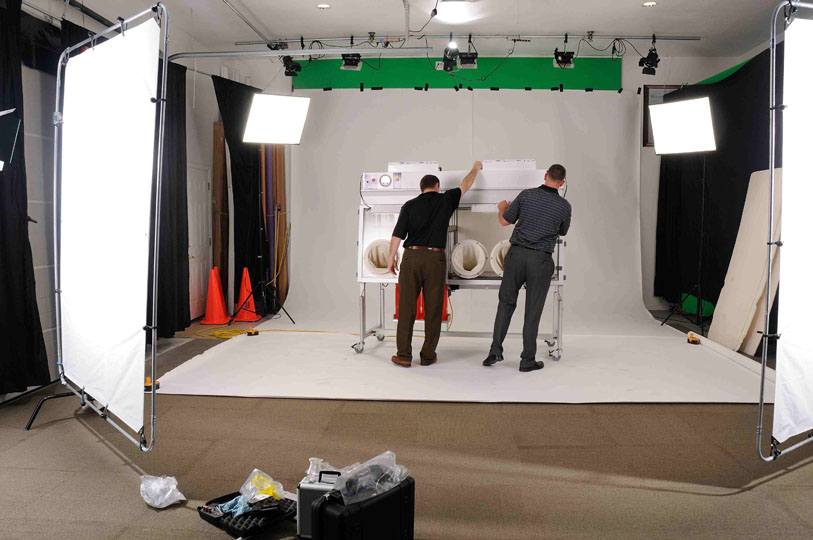
Filming and photography production studio in St Louis.

Mike Haller
314-913-5626 stlouiscommercialvideo@gmail.com