Tag Archives: st louis video company

Essential Tips for Incorporating B-Roll into Your Training Videos

In the ever-evolving landscape of corporate training and education, video content has become a cornerstone. It’s an effective medium for conveying information, engaging learners, and ensuring that complex concepts are understood. However, not all training videos are created equal. To truly capture your audience’s attention and maximize the educational impact of your content, you need to master the art of incorporating B-roll footage.

During the editing process, be ruthless with your B-roll selection. Trim excess footage that doesn’t contribute to the narrative or serves as filler.

As a seasoned videographer at St. Louis Commercial Video Production, I’ve had the privilege of working on countless training video projects. In this comprehensive guide, I’ll share my insights and expertise on how to seamlessly integrate B-roll into your training videos. By the end of this article, you’ll have a solid understanding of the importance of B-roll, practical tips for shooting and editing it, and how it can elevate your training content to the next level.

The Power of B-Roll in Training Videos

Before we dive into the nitty-gritty details of incorporating B-roll into your training videos, let’s first understand why it’s so crucial.

1. Visual Engagement

Human brains are wired to process visual information more efficiently than text or spoken words. B-roll provides a visual context that complements the primary content of your training video. It engages your audience by offering a change of scenery, breaking up the monotony of a single shot or talking head, and providing a deeper understanding of the subject matter.

2. Clarification and Demonstration

Some concepts are challenging to explain solely through narration or static visuals. B-roll allows you to demonstrate processes, procedures, and scenarios, making complex topics easier to grasp. It’s particularly valuable for technical or hands-on training where seeing the action is essential.

3. Aesthetic Appeal

Well-chosen B-roll footage not only enhances the educational value of your video but also adds an aesthetic quality to it. It can make your training video more visually appealing and enjoyable to watch, which can boost learner engagement and retention.

4. Storytelling

B-roll plays a crucial role in storytelling. It can help you create a narrative within your training video, making it more compelling and memorable. Whether you’re showcasing success stories or illustrating challenges, B-roll can help weave a narrative thread throughout your content.

Practical Tips for Shooting B-Roll

Now that you understand the significance of B-roll, let’s explore some practical tips for capturing high-quality B-roll footage.

1. Plan Ahead

Effective B-roll starts with careful planning. Before you even start shooting, create a shot list of the specific B-roll shots you’ll need to support your training content. This ensures that you capture all the necessary visuals and saves time during the editing process.

2. Match the Tone

Consistency in tone and style is crucial. Ensure that your B-roll footage aligns with the overall look and feel of your training video. Whether it’s a corporate setting, a laboratory, or a manufacturing plant, make sure the visuals are coherent and relevant.

3. Use the Right Equipment

At St. Louis Commercial Video Production, we understand the importance of having the right tools for the job. Invest in quality camera equipment, stabilizers, and lenses to capture smooth and visually appealing B-roll shots. Consider using drones for aerial footage or sliders for cinematic movements.

4. Pay Attention to Composition

Composition matters just as much in B-roll as it does in the main shots. Follow the rule of thirds, use leading lines, and think about framing and perspective. Well-composed B-roll shots can elevate the overall production quality.

5. Capture Plenty of Coverage

It’s better to have more B-roll footage than you need rather than falling short during editing. Shoot multiple takes from various angles to give your editor plenty of options. This flexibility is invaluable during the post-production phase.

6. Focus on Details

B-roll should capture the small details that help tell the story. Close-ups of hands working on a task, machinery in motion, or products being manufactured can add depth and authenticity to your training video.

7. Utilize Natural Lighting

Whenever possible, use natural light for your B-roll shots. It creates a more realistic and flattering look. If you must use artificial lighting, ensure it matches the lighting in your primary shots to maintain consistency.

8. Pay Attention to Sound

While B-roll is primarily about visuals, don’t neglect the importance of sound. Recording ambient sounds during your B-roll shoots can enhance the immersive experience and add authenticity to your training videos.

B-Roll Editing Techniques

Shooting quality B-roll is only half the battle. The other half lies in the editing room. Here are some essential techniques for seamlessly integrating B-roll into your training videos.

1. Establish a Hierarchy

Identify the key B-roll shots that will complement your primary content. Create a hierarchy that guides the viewer’s attention. Use establishing shots to set the scene and detail shots for specific actions or elements.

2. Maintain a Flow

Transition smoothly between your primary content and B-roll footage. Use cuts, fades, or other transitions to avoid jarring jumps between shots. The goal is to maintain a natural flow that keeps the viewer engaged.

3. Sync with Narration

Sync your B-roll footage with the narration or spoken content. The visuals should reinforce and complement what’s being said. This synchronization helps reinforce key points and ensures that your B-roll serves an educational purpose.

4. Keep it Relevant

Resist the temptation to use B-roll merely for visual flair. Each B-roll shot should have a clear purpose and relevance to the training content. Overusing or misusing B-roll can distract from the main message.

5. Trim Excess Footage

During the editing process, be ruthless with your B-roll selection. Trim excess footage that doesn’t contribute to the narrative or serves as filler. Conciseness is key to keeping your training video engaging.

6. Add Graphics and Text

Incorporate graphics, text overlays, or captions when necessary to provide additional context or information. This can be especially useful when explaining diagrams, charts, or data in your training videos.

The Role of Music and Sound Effects

While B-roll primarily focuses on visuals, the auditory elements also play a significant role in enhancing the training video experience. Here’s how to leverage music and sound effects effectively:

1. Choose the Right Music

Select background music that complements the tone and message of your training video. Ensure it doesn’t overpower the narration or distract from the visuals. The music should enhance the overall experience without being obtrusive.

2. Use Sound Effects Sparingly

Sound effects can add realism and engagement to your training video. However, use them sparingly and purposefully. Overusing sound effects can make your video feel gimmicky and detract from the educational content.

Final Thoughts

Incorporating B-roll into your training videos is a skill that can significantly elevate the quality and impact of your content. Whether you’re a corporate trainer, educator, or content creator, mastering the art of B-roll is essential in today’s visual-centric learning landscape.

At St. Louis Commercial Video Production, we understand the importance of creating compelling and effective training videos. With our extensive experience in both studio and location video production, we have the expertise and equipment to help you achieve your training video goals. Our full-service video company has worked with businesses of all sizes in the St. Louis area, delivering top-notch video and photography services for a wide range of projects.

If you’re ready to take your training videos to the next level, we invite you to partner with us. Contact St. Louis Commercial Video Production today, and let us help you enhance your internal and external communications through the power of B-roll and expert video production.

Call to Action: As a full-service video company, St. Louis Commercial Video Production has worked with businesses of all sizes in the St. Louis area. We are experts at simultaneously shooting video and photography for your next project. Contact us today to elevate your training videos and achieve your communication goals through the art of B-roll and expert video production.
stlouiscommercialvideo@gmail.com

 314-913-5626

Explainer videos are a fantastic way to educate audiences. Their short, concise nature makes them great for conveying the essential details of a business, product, service, or idea. In a short amount of time, they can facilitate a quick understanding of the topic.

Are you looking for an engaging way to capture the attention of your audience? An explainer video is the best tool to educate and inform them quickly, concisely and effectively. You can communicate the broad strokes of your business, product, service or concept in a simple yet effective way that resonates with your viewers.

An explainer video is THE ultimate tool for audience education It communicates the broad strokes of a business product service or concept in a quick snappy way concisely communicating the important key points and creating instant understanding.

Introduction: What is an Explainer Video?

An explainer video is a short, compelling, and illustrative motion graphic video which helps to explain a business, product, service or concept in an engaging way. Explainer videos can be used to introduce customers to your brand story and its goals and to highlight the features of a product or service. Explainer videos have become essential visual aids for businesses as they create a memorable visual representation that communicates the key elements of a company’s message.

Explainer videos work by quickly summarizing complex concepts by leaving out unnecessary details. The end goal is to provide viewers with enough information so that they are excited about your product or brand while also understanding how it works and providing them with enough information so that they know what you offer compared with other competitors.

Companies use explainer videos as an effective tool for interactive marketing because it:

  • Increases engagement rate from potential customers
  • Encourages them to take action
  • Makes it easier for them to comprehend your product offering

Benefits of Using an Explainer Video

An explainer video makes it simpler for viewers to grasp messages, including complex ideas in a short amount of time. It also enables prospects to gain an understanding into the business, product or service and hang onto that knowledge, quickly driving engagement and interest.

Explainer videos create instant understanding. This can lead to increased conversions from your website and other marketing platforms. As explainer videos provide an immediate understanding of the services on offer, it encourages viewers to consider making a purchase there and then or remember the company for potential future purchases.

In addition to motivating prospective customers, explainer videos save time during onboarding processes by simplifying any complex topics – helping to decrease customer queries during training and support channels. They can be re-used over time, saving costs every time they need updating content-wise as they require minimal changes; meaning any ambiguities are addressed without needing large costs incurred through full video production processes again and again.

How an Explainer Video Can Help Your Business

Explainer videos are short, succinct videos, typically between two and three minutes long, that outline a product’s key features, explain how it works and the benefits it offers users. They are designed to inform and assist prospective customers in their journey toward making a purchase decision.

Explainer videos are fast becoming the go-to tactics for many businesses today. Not only do they quickly catch attention and drive engagement with viewers, they provide an interactive platform to teach customers about your offerings while delivering lasting impression and excellent Return on Investment (ROI). Explainer videos are an incredibly powerful way to get your key messages across quickly and effectively.

Explainer videos have been proven to significantly impact buying decisions – helping potential buyers form a more comprehensive view about what your business is offering. Customers viewing explainer videos are more likely to develop brand loyalty, understanding and trust than audiences who haven’t seen one.

Created by professional video production studios capable of developing creative scripts and visuals tailored towards your target audience that focus on the benefits of your product or service and not just unique features. An explainer video can take the complicated message you want to communicate and make it easy to understand through visual cues which makes them perfect for all types of audiences especially digital native generations like Generation Z or Millennials who prefer visually captivating content over long-form text-based information as they do not have enough time or patience to read through long tutorials or FAQs sections of websites.

Explainer Videos can also be used in webinars, seminars as well as being utilized in sales pitches that help close leads quickly while ensuring they get access to necessary information without taxing their time resources too heavily giving you higher ROI from investments made in such marketing campaigns with minimal cost margins associated with outsourced production costs etc.

If you want more eyes on your business thus generating maximum engagement along with higher sales conversion rate Explainer Videos should be an integral part of your marketing campaign strategies moving forward!

How to Create an Effective Explainer Video

Creating an explainer video that is effective for audience engagement and education can feel like a daunting task, but with the right elements in place, it can be done in a relatively short amount of time. Here are a few steps to help you get started:

  1. Start by deciding on the target audience and what they hope to gain from your explainer video. You will want to use language that is both easy to engage with, and speaks directly to the target demographic. A successful explainer video will use visual techniques such as storytelling and animation to keep the viewer entertained while conveying information clearly and concisely.
  2. Identify what makes your product or service stand out from others – this key element should be made clear in the explainer video so that viewers can quickly understand what they’re being offered by you. Consider which visuals would best represent how your product or service works and then create storyboards outlining the key features that you wish to demonstrate. Remember – viewers only have limited attention spans, so keep it short (aim for 1-3 minutes max).
  3. Once your storyboard is complete, it’s time for production! Choose engaging music and sound effects, ensure each element ties into your desired message, shoot footage where necessary (only if absolutely necessary), animate graphics in keeping with your overall style – these are just some of the choices you will need to make during production editing. If needed, source a voice over artist who has experience narrating corporate style videos; good narration will ensure that viewers follow along with ease.
  4. Finally – review colors, fonts and styling options used across all aspects of production; consistent design choices between all elements used in an explainer video will give viewers automatic assurance they are viewing something professionally produced without confusion or interruption of their viewing experience throughout its entirety.
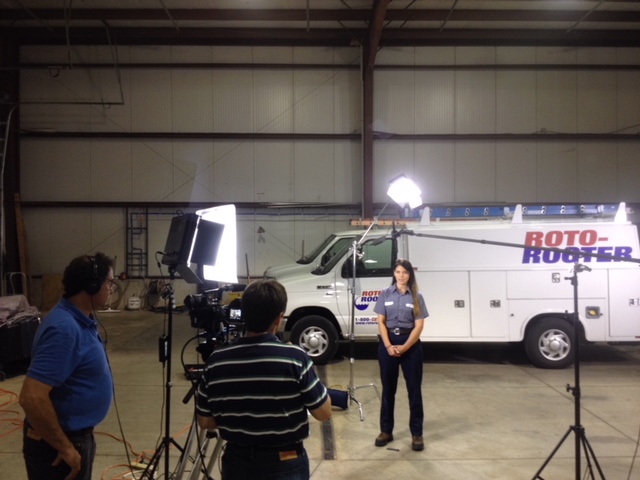
Explainer video production with producer, talent and camera operator.

Different Types of Explainer Videos

Explainer videos come in different shapes and sizes, with the ultimate goal to simplify a concept and educate an audience. The types of explainer videos can be broadly divided into four main categories:

  1. Animated Explainer Videos: These videos will use predetermined characters and visuals, designed with tools like Adobe After Effects or Adobe Premiere Pro to make an audience understand how a product or service works. This format is often used when a business wants to create a fun, engaging video that appeals to many age groups and backgrounds.
  2. Live Action Explainer Videos: This type of video uses footage from real people instead of animations. It can showcase customer testimonials or provide “innovative demonstrations” for explaining complex concepts in simple terms. Live Action explainer videos have the power to almost directly appeal to the audience emotionally and create deeper connections than animation could ever do in a short time frame.
  3. Educational Explainer Videos: These are specially crafted for younger audiences who require special attention when it comes to learning and comprehension. This type of explainer video is usually presented using easy words, clear visuals, focused objectives, and often mnemonic devices in order to help the core message stick better with the kids. Viewers most efficiently process information during play rather than lengthy lectures or instructions accompanied by subtitles as they often fail miserably attempting this task as they mostly aim at lecturing rather than playing around topics making them bored eventually with messages hardly sticking even while adult audiences might comprehend messages quickly without feeling desperate.
  4. Interactive Explainer Videos: Through interactive videos, businesses can turn passive viewership into active engagement-driven activities that constantly excite the user throughout their journey on your website/app leading up video page, thus providing for longer watch period combined with enhanced learning capability due its interactive nature enabling users practice activities related solving problems showcasing all features of products helping potential customers get hands on experience even before purchase/usage driving personalization & giving customers overall enriching ride!

Tips for Creating an Engaging Explainer Video

In a world of digital marketing where attention spans are dwindling, it’s more important than ever to create explainer videos that engage viewers and keep them interested. Here are some tips to help you create an engaging explainer video:

  1. Make It Creative: Make sure your explainer video stands out from the crowd by taking a creative approach. Think outside the box, use vibrant visuals, employ storytelling techniques and add humor whenever relevant – these will all help make your video feel unique.
  2. Focus on Your Audience: When creating an explainer video, make sure to keep your target audience in mind throughout the process. Take the time to research their pain points and consider any potential roadblocks they may face so you can include relevant information that resonates with them in the video.
  3. Add Music: One of the best ways to ensure your viewers remain engaged is by including music in your explainer video. It helps set the tone for the entire production and can be used as a tool to further emphasize key points or evoke emotions from viewers.
  4. Keep It Short: Nothing will dampen an audience’s enthusiasm faster than an overly long explanation – so keep explanations short and sweet (ideally under 90 seconds) when creating your explainer videos! Short videos not only appeal more to viewers but also help increase conversions because people are likely to watch until completion before taking action.

Explainer Video Examples

Explainer videos come in all shapes and sizes, from whiteboard animation to motion graphics and beyond. When creating an explainer video for your business or organization, the options are seemingly boundless. To get an idea of the type of video that might work best for you, let’s explore some example explainer videos to help inform your choice:

  • Whiteboard Animation: This type of explainer video typically relies on drawings instead of live footage or animation to tell its story. It uses text along with hand-drawn images or animated “stick figures” to walk viewers through a concept, product or service. Through its playful nature, whiteboard animations can be great at engaging an audience while still providing a depth of understanding with simple visuals.
  • Motion Graphics & 2D Animation: Such videos might involve movement in objects or text, 3D figures that appear as cutouts on screen, high-quality imagery and clean typography that highlights key features and messages. This type of video is great for showcasing complicated concepts in a concise manner, as well as for driving home certain aspects for which more involved imagery would create too much clutter.
  • Live Action Explainer Video: Live action videos typically combine actors on set with more illustrative elements like icons and logos that help display the concept being discussed. This is a great option when your product has tangible components or you want the demonstrative nature of actors to highlight features and benefits more strongly than graphics alone could do.
  • 3D Animation Explainer Video: 3D animation combines 3D models with motion paths and special effects to create stunning visuals that grab viewers’ attention right away. They’re especially effective at demonstrating complicated processes like manufacturing or software development in ways otherwise hard to replicate using other techniques while maintaining a high level of profundity without overcomplicating matters thanks to scenes featuring only user interface elements (or virtually any other aspect imaginable).

A well-made explainer video is arguably one of the most powerful tools for instant audience education.

It allows you to quickly explain your business offering, product, service or concept in a way that easily reaches both current and potential customers.

The content within an explainer video should clearly communicate your brand’s key points, leaving your audience with an understanding of who you are, what you offer and why they should choose you.

To ensure maximum success with an audience, use data to create an effective video script specifically tailored to your audience. Your explainer video will then provide the perfect platform to power conversion, build trust and accurately display the value of your offering with clarity and urgency. With its ability to engage viewers emotionally as well as intellectually, it is no wonder that many marketers consider an explainer video THE ultimate tool for audience education today.

Mike Haller
314-913-5626 stlouiscommercialvideo@gmail.com

How to Create a Day in the Life Video for Your Product or Service: Tips and Strategies for Engaging Content.

Tips for creating an engaging day in the life video

– Start with the end in mind – Create an outline or storyboard of your day in the life video before you start filming. Having a plan will help you stay on track and avoid getting off track. It’s easy to get wrapped up in the filming process and forget why you’re capturing the footage in the first place. Having an outline will help you stay focused on your goal. – Make sure you have permission to film – Be sure to get permission to film in any location you plan to shoot in. It’s not only disrespectful but illegal to film in private places without permission. Be sure to check your local laws as well before filming. You don’t want to be in a sticky situation with authorities. – Cast a real person in your video – You don’t have to cast a professional actor, but you do want to cast a real person in your video. If you cast a professional actor, people will be less likely to relate to your video and the message you are trying to convey. If you cast a real person, customers will be able to relate to the person in your video, and the message you are trying to convey. – Create visual and concise content – Don’t make your video too long, but don’t make it too short either. If your video is too long, people will get bored and stop watching. If your video is too short, people won’t have enough information and may not be inspired to take action. Shoot for a video that is between 3 and 5 minutes long.

Storyboarding and scripting your day in the life video

Before you start filming, it’s important to sketch out your storyboard. A storyboard is a visual representation of your video, and it will help you create an effective video. It will also help you stay on track while shooting your video. You can create a storyboard using a tool like Google Drawing or with paper and pencil. It’s important to sketch out your storyboard before you start filming because it will help you stay focused and on track. Once you have your storyboard, it’s time to start scripting your video. It’s important to script your video because it will help you convey the message you are trying to get across to your audience more effectively. It will help you avoid rambling and stringing words together without any direction or focus. It will also help you avoid getting off track during the shoot.

Selecting the right equipment

– Camera – Any camera will do, but it’s important to use a camera that is easy to use. You want to avoid unnecessary distractions while you’re filming your day in the life video. Be sure to pick a camera that is easy to use and will allow you to film in different environments. If you plan to film outside, you will want a camera that can handle different weather conditions. – Sound equipment – The sound quality of your day in the life video will have a big impact on the overall quality of your video. If your sound quality is poor, your video may not be engaging or effective. It’s important to pick the right equipment to ensure the sound quality of your video is high-quality. You don’t need a lot of expensive equipment to ensure your sound quality is good. – Lighting equipment – Poor lighting can ruin the quality of your day in the life video. You don’t have to have fancy lights, but you do want to make sure you have enough light to film in. You don’t want your video to be too dark because it will be hard to see what’s going on in the video. It’s important to pick the right equipment to ensure your day in the life video is well-lit.

Choosing the right locations

– Pick a location that represents your brand – Before you pick a location, you want to make sure it represents your brand. You want to pick a location that represents your brand, and will help your brand come to life. – Pick a location that will make your video engaging – You don’t have to shoot in a fancy location. You just need to shoot in a location that will make your video engaging. Pick an interesting location that will make your day in the life video more engaging for your audience. – Pick a location that is easy to access – You don’t want to pick a location that is hard to access. You want to make your job as easy as possible. It’s important to pick a location that is easy to access.

Building relationships with your audience

When you create a day in the life video, you are showcasing the people who are using your product or service. It’s an intimate glimpse into the lives of your customers, and it shows them as real people with real stories to tell. The video gives your audience a chance to connect with your brand on a more personal level. You can use your day in the life video to ask your customers questions, and ask them how they use your product or service. It’s a great way to start a dialogue with your audience. You can also invite members of the audience to be a part of the video by asking them to participate in the shoot. It’s a great way to build relationships with your audience, and give them an opportunity to be a part of your video.

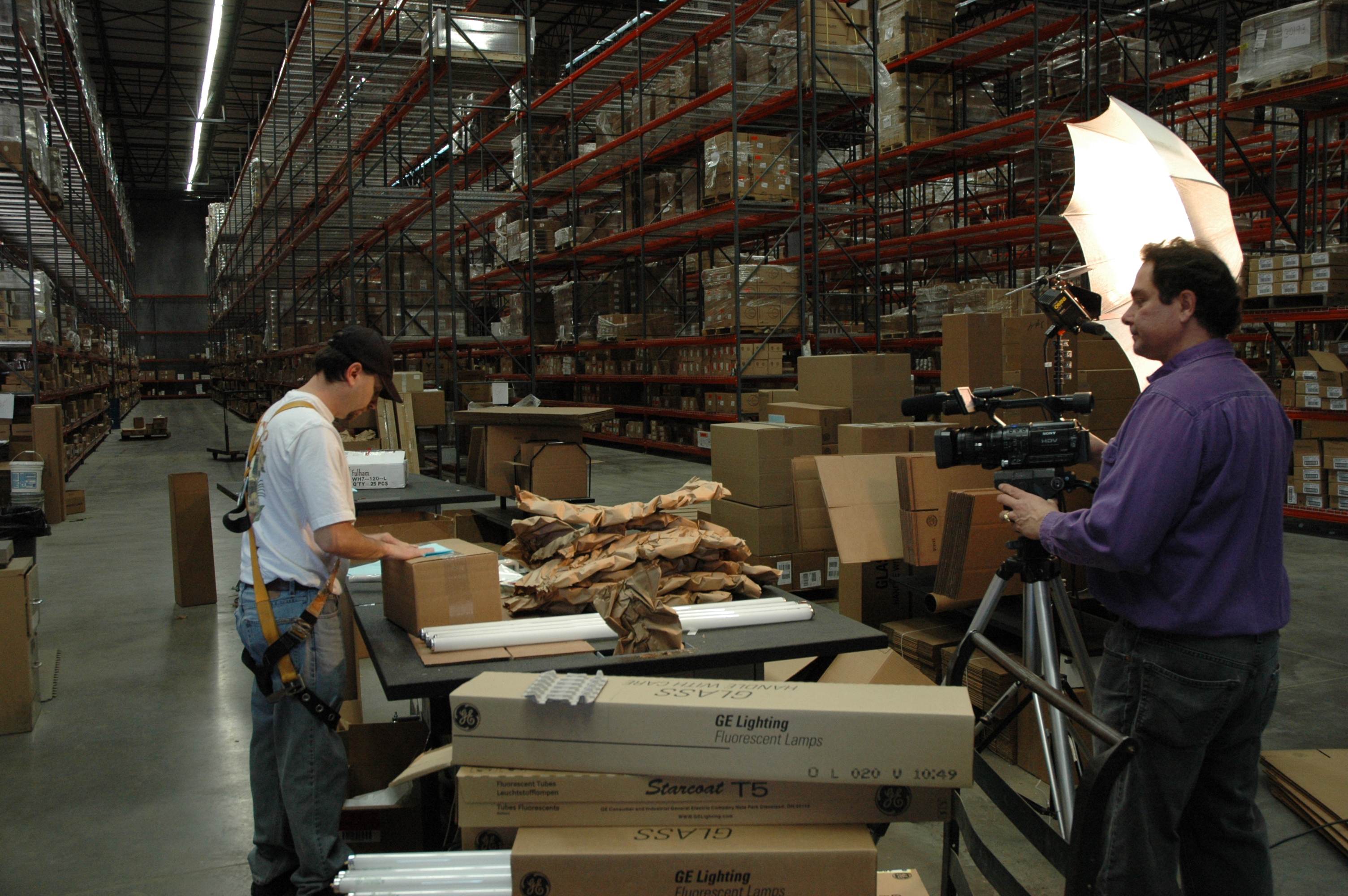
Shooting a Day-In-The-Life film to edit for the web and broadcast commercials

Driving sales through day-in-the-life videos

Once you’re done creating your day in the life video, you can use the video to drive sales. You can create a blog post or an email sequence around your video. You can use the blog post or email sequence to drive traffic to your video, which will help you drive sales. The blog post or email sequence can be used as additional content to go along with your day in the life video. The content can be used to help you sell your product or service, and drive sales. Blog posts and email sequences are great ways to use your day-in-the-life video.

Mike Haller
314-913-5626 stlouiscommercialvideo@gmail.com

There are several things you can do to make sure your video looks professional.

Beyond simply pointing a camera at someone and recording, professional video production is a complex practice that requires planning, execution, and post-production. If you’re producing a professional video for your company, non-profit, or other organization, you may need to hire a videographer. To get the most out of your limited resources, prepare ahead for your next video shoot. This article provides you with some useful suggestions on how to produce a professional-quality video as efficiently and economically as possible.

Professional video production is much more than pointing a camera at someone and pressing record. A video production is a complex process that requires planning, execution, and post-production in order to produce quality results. If you’re working on a professional video project for your company, nonprofit, or other institution, you may require an outside videographer. To get the greatest possible results with the limited resources available, you should prepare in advance. In this article, you will learn how to film a professional-quality video as effectively and economically as possible.

Before starting a project, you should do research and planning.

To make a professional-quality video, you must do plenty of research and planning. To begin, you must determine the purpose of your video. What is your target audience? What is the main message? What is your budget and how much will it cost to employ a film crew? Next, you must account for everything you must do during the shooting phase. It will help you create a comprehensive strategy for every aspect of your video shoot, from the tiniest detail downward. The more prepared you are for shooting, the more smoothly the process will go.

Location and background for filming are important.

The right location is critical when making a professional video. You should assess two factors when selecting a location: the area itself and how close it is to your target audience. A visually appealing space is ideal, but it shouldn’t be too distracting. If you are producing a commercial for your local bakery, it is best to pick a location with a lot of pedestrian traffic. This may be an indication of either professional or low production quality, depending on the quality of the sound and lighting.

Shoot and edit in Ultra HD.

While shooting in 4K may seem like an unnecessary luxury, it can make a big difference in the quality of your video. It is not the resolution of your content that matters most, but its quality. Shooting in 4K and then editing the footage down to 1080p will ensure that you don’t sacrifice quality. You must shoot and edit your video in 4K if you plan to publish it on YouTube. The result will look great on any device. If you plan to broadcast your video on a television network, you must shoot in HD. Because the equipment required to process that much data is expensive, most networks will not accept a 4K feed. Instead, they will accept HD feeds in a variety of formats, including 1080p.

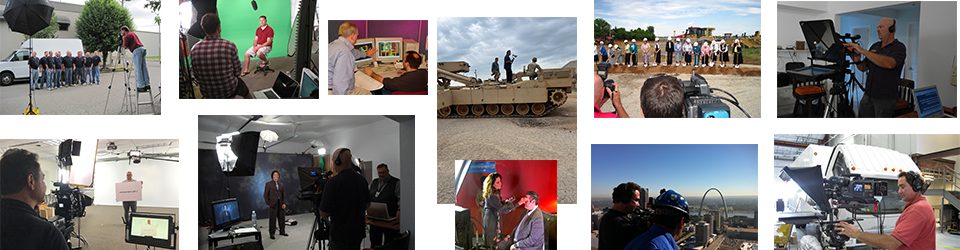
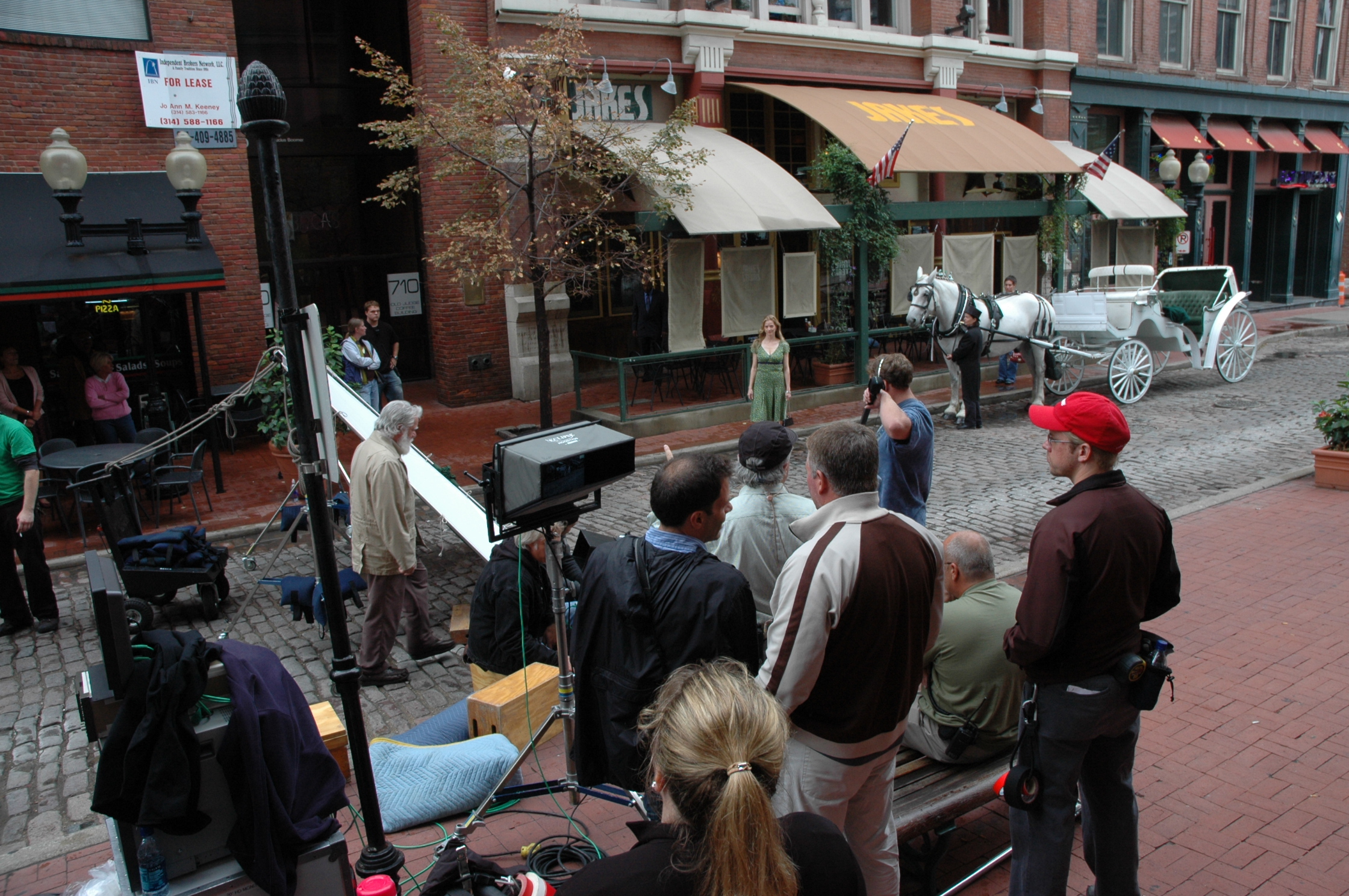
st louis commercial video crew

Creating top-quality audio is what we strive for.

Even if you’re planning to shoot your video in 4K with a pristine, high-quality visual aesthetic, poor audio can thwart all of your efforts. In light of this, you should watch the audio during your shoot carefully. You should always have someone monitoring the audio on set. If you’re shooting outside, you should use a portable windscreen or other type of sound barrier. You can also use a nearby building or other large structure to redirect sound. Recording your audio in a professional sound studio is ideal.

Mike Haller
314-913-5626 stlouiscommercialvideo@gmail.com

Video Production is a Good Investment for Your Marketing Communications.

As a marketing tactic, video production is an investment. The equipment required to produce and edit video is not cheap and if you do not have the in-house expertise to create high-quality video, you will need to pay for the services of a video production company. While this might appear to be an expensive marketing tactic, the ROI of video is incredibly high. Statistics show that audiences are three times more likely to purchase a product after watching a branded video than if they read the same description in text form, and almost twice as likely if they read reviews written by other customers. Video also gives your brand the ability to connect and engage with your audience on a personal level. It allows you to place a face behind your product or service and show potential customers the people behind your business. This will help to build trust and make your brand more relatable, which is essential in the competitive world of business.

Video Content is Incredibly Influential

Video is a highly engaging format that has been proven to increase brand awareness and drive sales for businesses. However, many companies are still hesitant to incorporate it into their marketing plans because they don’t think their target audience will find it interesting or valuable. This couldn’t be further from the truth. Video is compelling and engaging, regardless of whether the viewer is interested in your product or service. When used correctly, video can be incredibly influential and has the power to impact an audience and change their behavior. This type of impact is difficult to achieve with other marketing strategies because of the level of engagement video content has with viewers. Whereas articles and blog posts require the reader to be actively interested in the topic and take the time to read and understand them, video is a passive engagement that can be watched without effort from the viewer.

Commercial video production is a wise investment for future sales.  Remote location taping outside.
Commercial video production is a wise investment for future sales. Remote location taping outside.

Video can be easily shared

Video is easily shareable and is one of the primary metrics used to track the success of marketing campaigns. You may be wondering how you will be able to track the success of your video marketing campaigns if you do not know who is viewing your videos and where they are being viewed. However, this information can be easily retrieved from most tracking platforms. Once you have created your video marketing campaign, you can share it across all of your social media channels and encourage your followers to do the same. This will allow your video to travel further than your personal network and increase your video views and engagement statistics. When choosing the platform on which to host your video, make sure you choose a host that allows you to embed your video onto other websites. This will make it easy for you to share your video with a wider audience and will help increase your video views and engagement statistics.

Video content is effective at educating and selling

Video is a great format to use when trying to educate your audience about your products and services and sell them on purchasing from your company. However, it is important to choose the right type of video for the goal you are trying to achieve. For example, if you are trying to sell your products, it is best to create an explainer video. Explainer videos are short, to-the-point videos that explain what your business does and why your products are valuable. They are great for selling because they allow viewers to see how your products work and what they can do for them without any extra effort from the customer. If you are trying to educate your audience about a specific aspect of your business, you might want to create an educational video. These types of videos are designed to be longer and more in-depth than an explainer video and are useful for answering your customers’ questions.

Spending on video production is a good investment

Video is an engaging form of content that can help your business to rank higher in search engines, increase brand awareness and drive more sales. Despite these benefits, many companies are hesitant to incorporate video into their marketing strategy. Video can be an expensive marketing tactic, but it has a high return on investment and can be easily shared across social media channels to reach a wider audience. Video can be used to educate customers and sell your products, making it an effective marketing tool for businesses.

Mike Haller
314-913-5626 stlouiscommercialvideo@gmail.com

St Louis Video and Photography Studio.

St. Louis Studio Photographers and Videographers
We focus on your business objectives to create images that will carry maximum impact. We specialize in telling stories with images. We have been around since 1982 with experience in photojournalism, business photography and corporate video. We have the expertise to present your commercial subject matter in the best light.

Filming and photography production studio in St Louis.

Mike Haller
314-913-5626 stlouiscommercialvideo@gmail.com

Video Testimonials and B-roll footage in St Louis

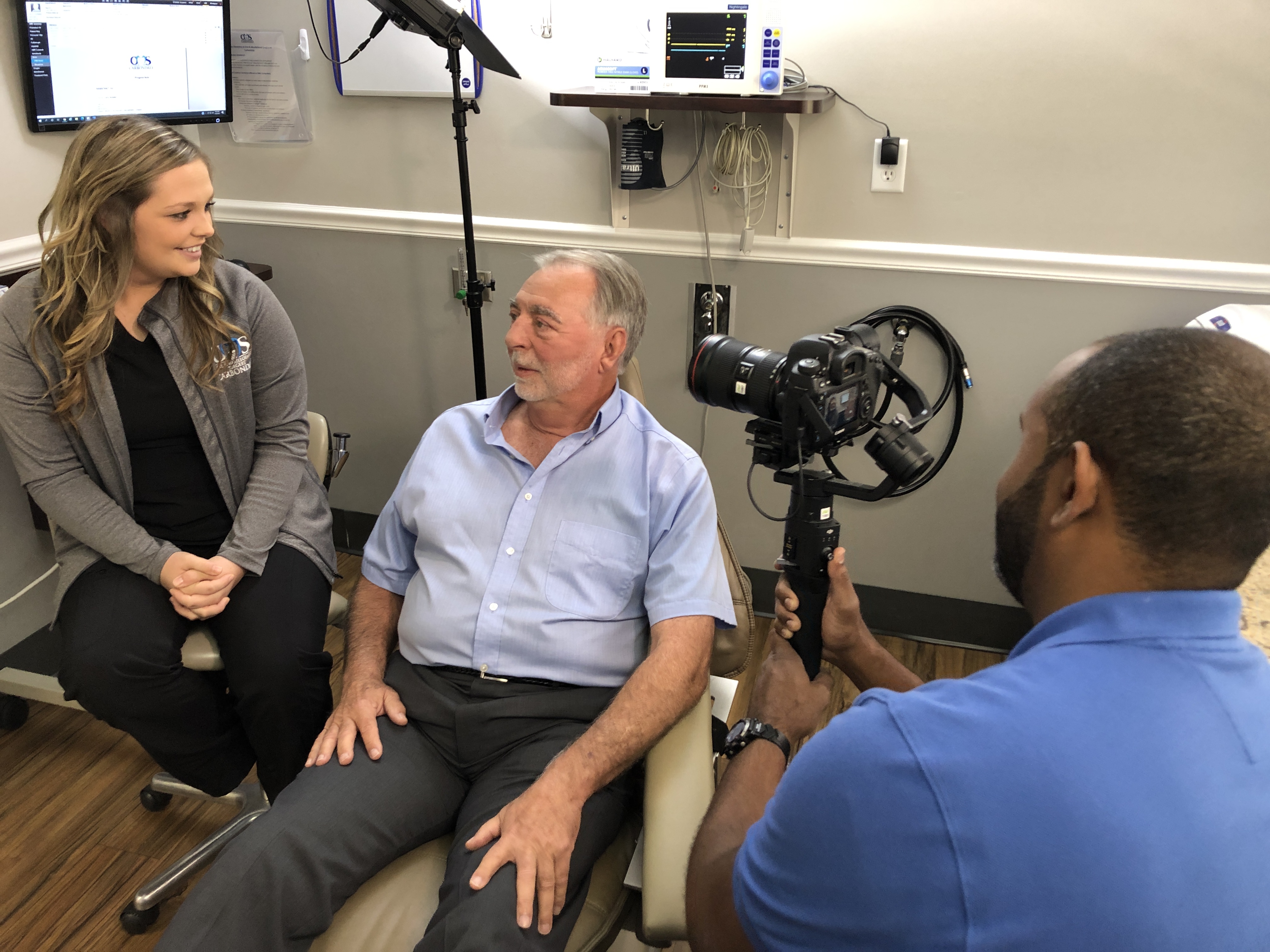
Testimonial videos with b-roll usually result in a more exciting and engaging video that consumers appreciate. As you plan your customer testimonials, take steps to film customer testimonial b-roll that will guide viewers through the content, keep them engaged, and help them to see the true value in your product or service. Here are some tips for filming customer b-roll videos for your supportive texts.

Include environmental images that will help the consumer feel connected to where and how your brand is produced. Keep footage as relatable as you can. Consider using footage of the team working together, colleagues operating together or similar b-roll. This will add authenticity and a human connection to the brand.

Remember, b-roll video production for your customer testimonial videos has an equally important role as does the interview itself. Together, these two elements will make your customer testimonial the important, effective piece of content that you will use to generate trust and leads for your brand.

Mike Haller
314-913-5626
stlouisphotostudio@gmail.com

Product Marketing video production

Create Product Video Content that Sells

Deliver immersive video experiences that delight viewers and deliver more views, deeper engagements, and higher conversions. With our creative team, you can create custom interactive video experiences, branded portals, video-centric landing pages, and live streaming event sites.

Continually refine your message and results with detailed viewing metrics and insights.

Look to video engagement scores to see how well your content is resonating.
Use second-by-second viewing data to correct your course mid-campaign.
Compare and contrast product video campaigns to improve your strategy.
Profile customer data to reveal upsell and cross-sell opportunities.

Mike Haller
314-913-5626
stlouisphotostudio@gmail.com