Tag Archives: st louis video

Lights, Camera, No Anxiety: Mastering the Teleprompter for Confident On-Screen Talent

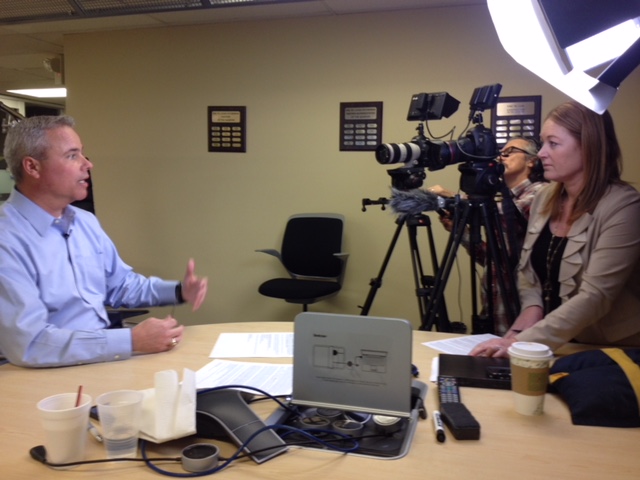
In the world of commercial video and photography, we often work with incredible people who are experts in their field – but not necessarily seasoned on-screen performers. For business owners, CEOs, and spokespersons, the prospect of delivering lines directly to a camera can be daunting. Nerves can lead to a stiff delivery, forgotten lines, and ultimately, a less impactful message.

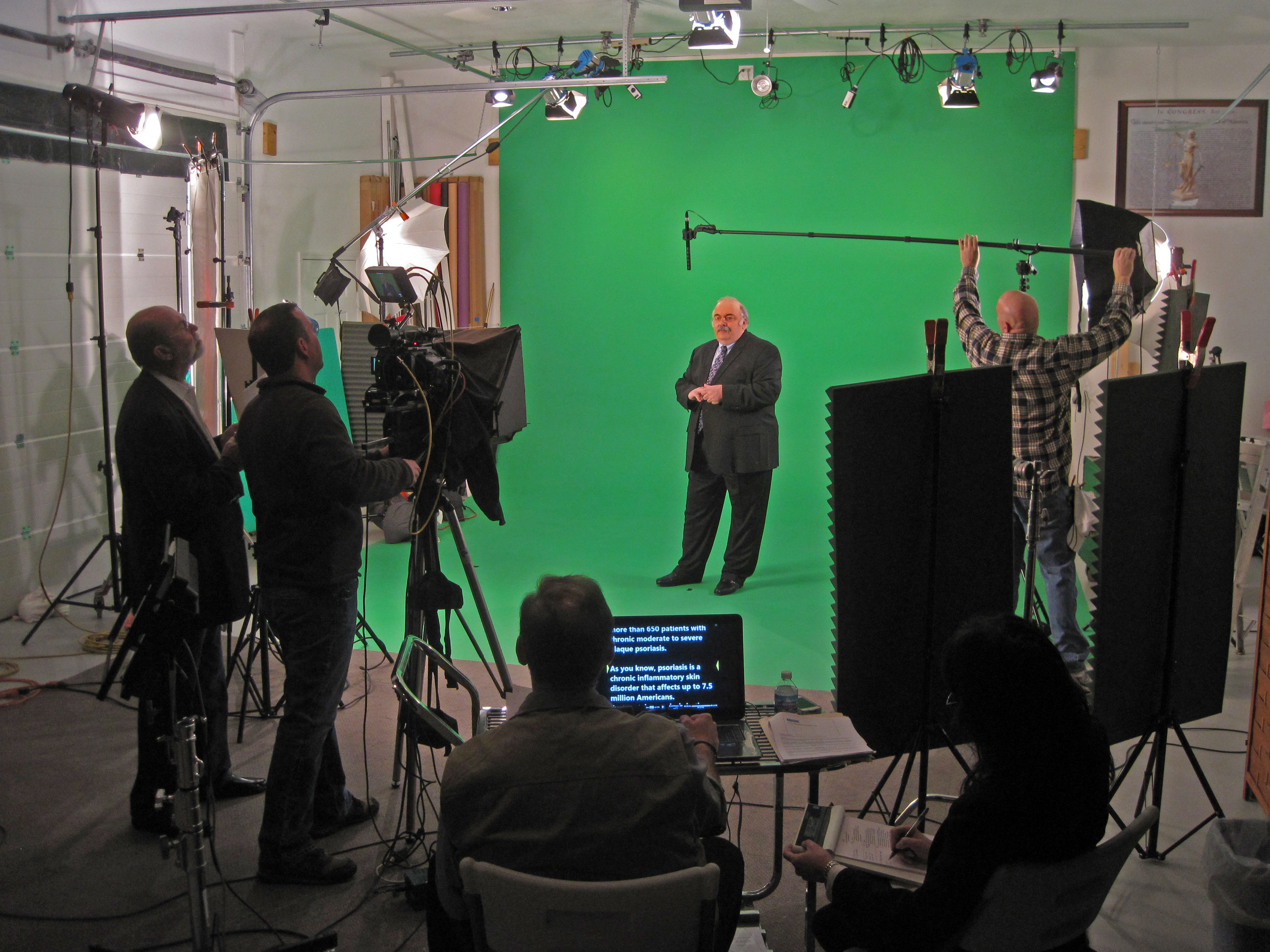
This is where the humble teleprompter becomes an indispensable tool. Far more than just a scrolling script, a teleprompter, when used correctly, is a confidence-builder and a performance enhancer. As experienced professionals at St Louis Commercial Video, we understand how to leverage this technology to ensure your non-professional talent shines, delivering your message with authenticity and authority.

Understanding the “Why”: The Psychological Advantage of the Teleprompter

Imagine trying to recall complex statistics, company initiatives, or a heartfelt message while simultaneously worrying about your posture, eye contact, and tone. It’s a recipe for mental overload. The teleprompter alleviates a significant portion of this pressure by providing a constant, reliable safety net.

  • Reduces Memorization Stress: The most obvious benefit. Talent doesn’t need to commit every word to memory, freeing their mental energy to focus on delivery, inflection, and connecting with the audience.
  • Ensures Accuracy and Consistency: For crucial messages, legal disclosures, or specific terminology, the teleprompter guarantees every word is delivered precisely as intended, reducing the risk of errors or misstatements.
  • Maintains Eye Contact: A well-positioned teleprompter allows talent to look directly into the camera lens while reading, creating a sense of direct engagement and sincerity with the viewer. This is critical for building trust and rapport.
  • Boosts Confidence: Knowing the script is right there, ready and waiting, dramatically reduces anxiety. This newfound confidence translates into a more natural, relaxed, and charismatic performance.
  • Saves Time and Money: Less fumbling for words means fewer takes. This efficiency translates directly into reduced production time and, consequently, lower costs.

Setting the Stage for Success: Pre-Production and Teleprompter Prep

The effectiveness of a teleprompter isn’t just about turning it on; it’s about thoughtful preparation and execution.

  1. Crafting a Conversational Script: This is paramount. A script written for the ear, not just the eye, will sound natural. Avoid overly formal language, long sentences, and complex jargon. Read it aloud yourself – if it sounds clunky to you, it will sound clunky on camera.
  2. Pacing and Flow: We work with clients to ensure the script’s pace matches a natural speaking rhythm. This involves breaking up paragraphs, using punctuation effectively, and identifying natural pauses for breath and emphasis.
  3. Font Size and Contrast: The text needs to be large enough and have sufficient contrast against the background for comfortable reading. Our prompter operators customize these settings for each individual’s comfort and vision.
  4. Practice, Practice, Practice (But Not Memorize): Encourage talent to read through the script several times with the teleprompter. This familiarizes them with the flow, identifies any awkward phrasing, and allows them to get comfortable with theprompter’s rhythm. The goal isn’t memorization, but rather a smooth, almost unconscious reading.
  5. Marking for Emphasis: We often suggest marking the script with cues for emphasis, pauses, or even smiling points. These subtle visual reminders on the teleprompter can guide the talent’s delivery.
On Set: Guiding Talent to a Flawless Performance

Even with perfect preparation, the on-set experience is crucial for success.

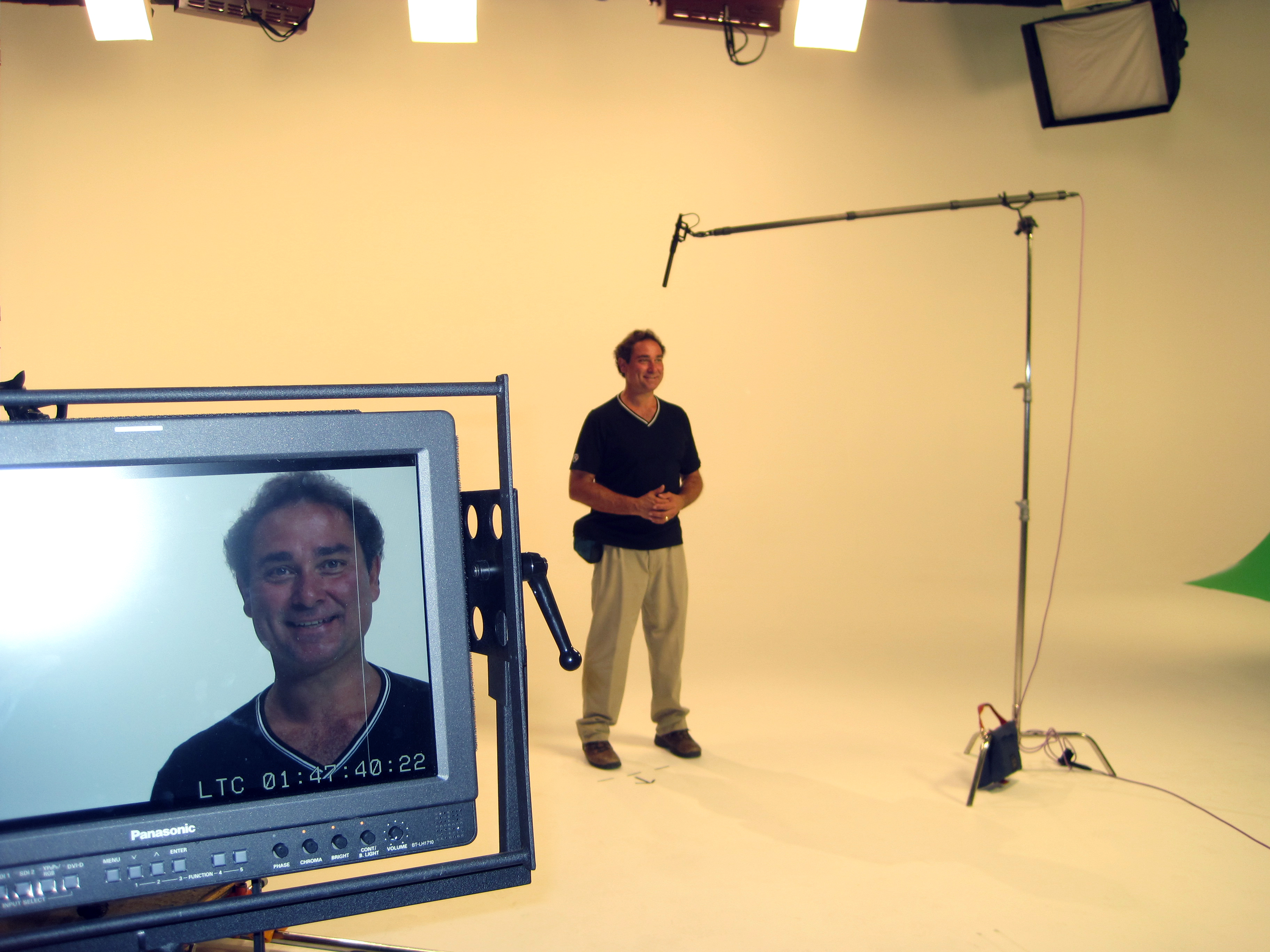
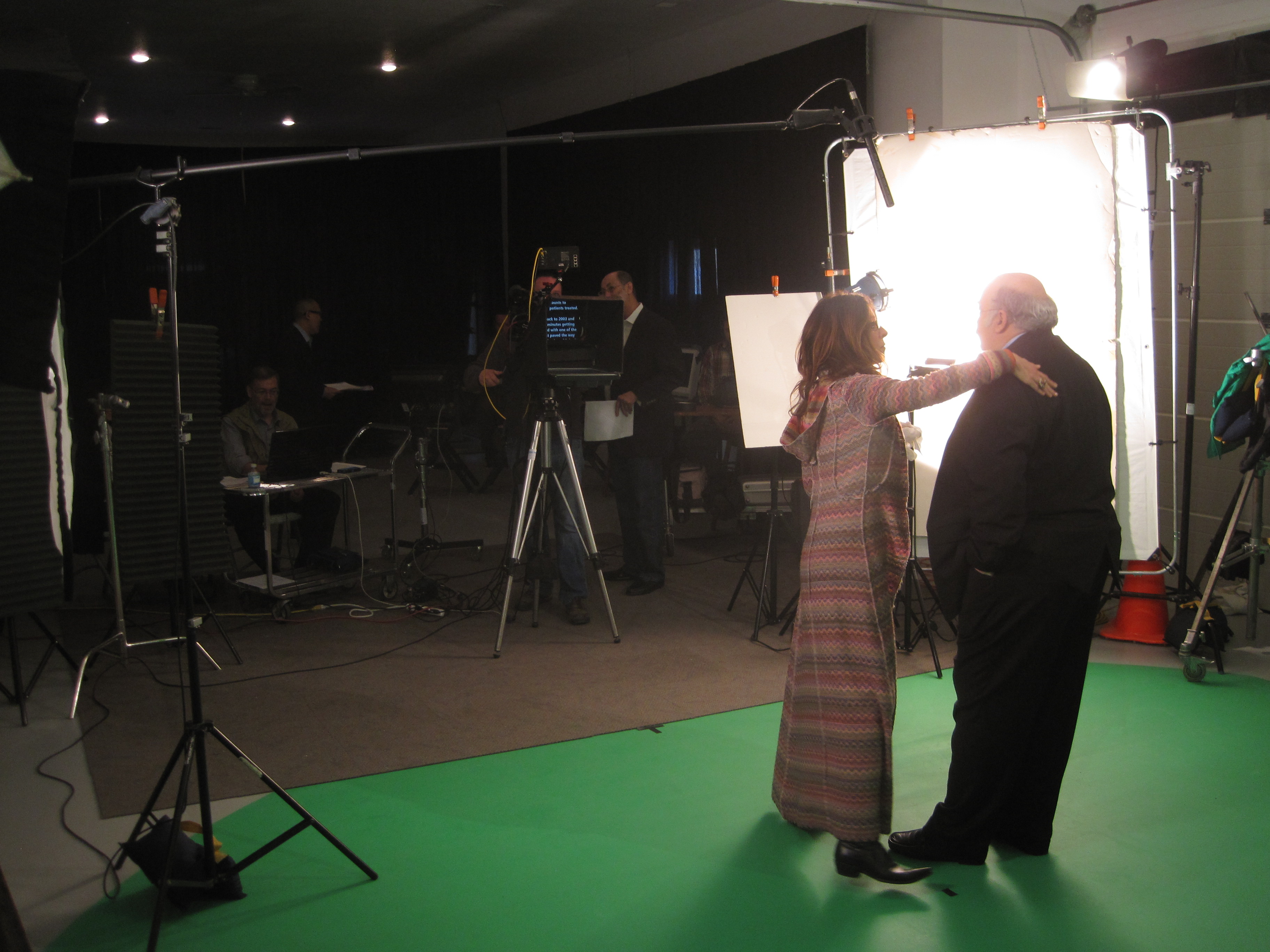
  1. Comfort and Positioning: The teleprompter is positioned directly in front of the camera lens, ensuring the talent’s gaze appears to be aimed at the viewer. We meticulously adjust height and distance for optimal comfort and readability.
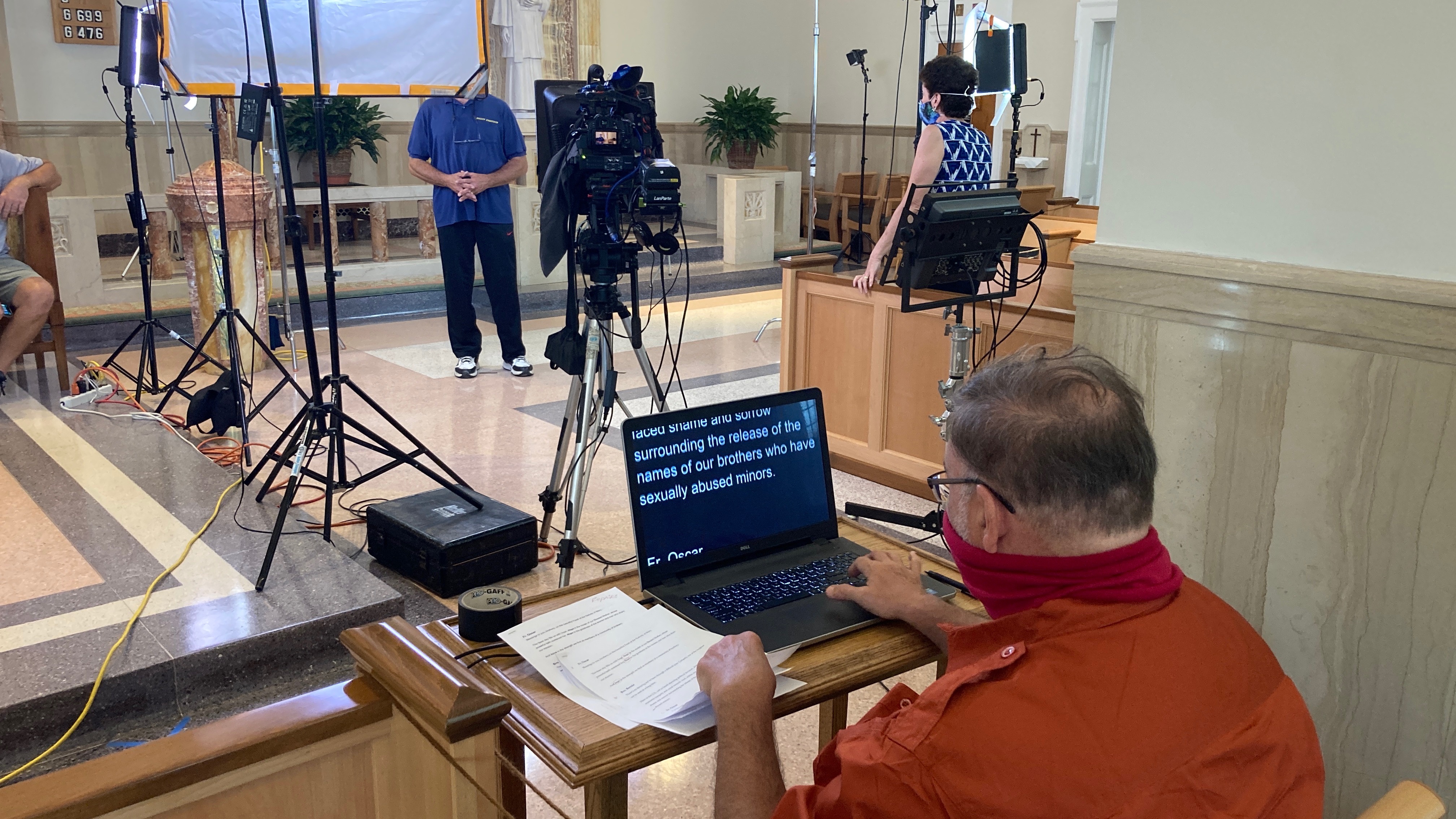
  2. The Operator is Key: An experienced teleprompter operator is an unsung hero. They expertly control the scroll speed, matching it precisely to the talent’s natural speaking pace. They can subtly slow down if the talent stumbles or speed up if they’re moving quickly. This responsiveness is vital.
  3. Initial Read-Through: Before hitting record, we always do a few practice runs with the teleprompter running. This allows the talent to get into a rhythm and for the operator to fine-tune the speed.
  4. Focus on Connection, Not Perfection: We coach talent to focus on conveying their message and connecting with the audience, rather than obsessing over reading every single word perfectly. A slight deviation or natural pause is always preferable to a robotic delivery.
  5. Breaks and Hydration: Taking short breaks and staying hydrated helps maintain focus and vocal quality, especially during longer shoots.
  6. Trust Your Crew: We create a relaxed and supportive environment. Knowing that the video and photography crew is professional and there to help ease any concerns allows the talent to focus on their performance.

Beyond the Teleprompter: St Louis Commercial Video’s Holistic Approach

While the teleprompter is a fantastic tool, it’s just one component of a successful production. At St Louis Commercial Video, we understand that true image acquisition success comes from a comprehensive, expert approach.

Since 1982, St Louis Commercial Video has been a full-service professional commercial photography and video production company, providing businesses, marketing firms, and creative agencies in the St. Louis area with unparalleled marketing photography and video. We possess the right equipment and a creative crew with extensive service experience to ensure your image acquisition is not just successful, but exceptional.

We offer full-service studio and location video and photography, as well as comprehensive editing, post-production, and even licensed drone pilots for those unique aerial perspectives. Our team is adept at customizing your productions for diverse types of media requirements, ensuring your message resonates across all platforms. Repurposing your photography and video branding to gain more traction is another one of our specialties, allowing you to maximize your investment. We are well-versed in all file types and styles of media and accompanying software, staying ahead of the curve with the latest in Artificial Intelligence for all our media services.

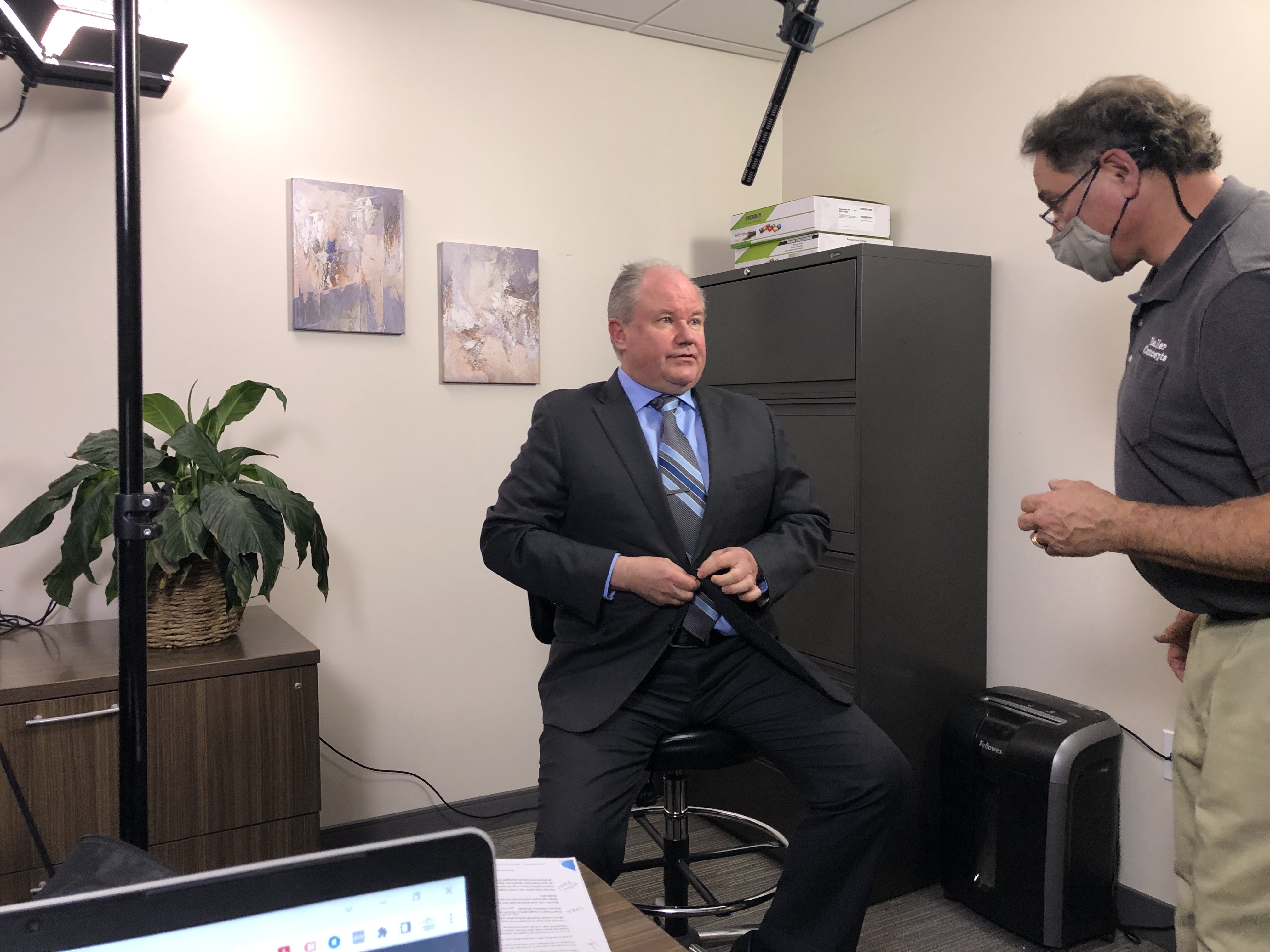
Our private studio lighting and visual setup is perfect for small productions and interview scenes, providing a controlled and comfortable environment. Our studio is also large enough to incorporate props, allowing us to round out your set with elements that enhance your brand story. We support every aspect of your production—from setting up a private, custom interview studio to supplying professional sound and camera operators, as well as providing the right equipment—ensuring your next video production is seamless and successful. And yes, we can even fly our specialized drones indoors for those dynamic, close-quarter shots.

When you partner with St Louis Commercial Video, you’re not just getting a production company; you’re gaining a strategic partner dedicated to making your non-professional talent look and sound like seasoned pros, delivering your brand’s message with clarity, confidence, and compelling visual impact. Let us help you tell your story.

Contact

Mike Haller 314-913-5626 stlouiscommercialvideo@gmail.com

Private Studio 4501 Mattis Road St. Louis, MO 63128

How to Create Engaging Videos on a Budget

In today’s digital age, video content has emerged as a pivotal tool for businesses aiming to captivate their audience and stand out in a crowded marketplace. However, the misconception that creating high-quality videos requires a hefty budget often deters companies from leveraging this powerful medium. The good news is that with strategic planning and smart resource allocation, it’s entirely possible to produce engaging videos without breaking the bank. Here’s how your organization can achieve professional results on a budget.

Understanding Your Audience

Before diving into production, it’s crucial to identify who your audience is and what they find engaging.

  • Identify Your Target Demographic: Understand the age, interests, and preferences of your audience to tailor your content effectively.
  • Research Audience Preferences: Analyze what types of videos resonate with them—be it tutorials, testimonials, or behind-the-scenes footage.

Planning and Pre-production

Meticulous planning can save time and resources during production.

  • Develop a Compelling Script: A well-thought-out script ensures your message is clear and concise.
  • Create a Storyboard: Visualize each scene to streamline the shooting process.
  • Scout Accessible Locations: Utilize your office space or public areas that don’t require permits to cut down on costs.
  • Schedule Efficiently: Plan your shooting schedule to maximize productivity and minimize downtime.

Affordable Equipment Options

You don’t need the latest high-end gear to produce quality videos.

  • Utilize Smartphones: Modern smartphones have advanced cameras capable of recording high-definition video.
  • Invest in Basic Equipment: Affordable tripods, stabilizers, and external microphones can significantly enhance video quality.
  • Leverage Natural Lighting: Shoot during the day to take advantage of natural light, reducing the need for expensive lighting setups.

Maximizing Production Value

Small tweaks can elevate the professionalism of your videos.

  • Focus on Composition: Apply the rule of thirds and proper framing to make shots visually appealing.
  • Ensure Good Audio Quality: Clear sound is essential; consider using a lavalier mic for interviews or voiceovers.
  • Incorporate B-Roll Footage: Supplement your main footage with additional clips to add depth and context.

Cost-effective Post-production

Editing is where your video comes together, and it doesn’t have to be costly.

  • Use Free Editing Software: Tools like DaVinci Resolve or HitFilm Express offer robust features at no cost.
  • Learn Basic Editing Techniques: Simple cuts, transitions, and color corrections can dramatically improve your video.
  • Add Royalty-free Music and Graphics: Enhance your video’s appeal with free music tracks and visual elements from reputable sources.

Leveraging DIY and Professional Services

Determine which aspects you can handle in-house and when to seek professional help.

  • DIY Where Possible: Handle tasks like scripting and basic editing internally to save money.
  • Hire Professionals Strategically: For complex tasks like advanced animations or drone footage, consider affordable professional services.

Repurposing Content

Maximize the value of your existing assets.

  • Reuse Existing Footage: Incorporate previous videos or stock footage to save on shooting new material.
  • Create Multiple Formats: Adapt one piece of content into various formats—social media clips, website videos, or presentations.

Conclusion

Creating engaging videos on a budget is entirely feasible with careful planning, resourcefulness, and a clear understanding of your audience’s needs. By focusing on the essentials and making smart choices about where to invest your time and money, your business can produce compelling video content that drives engagement and achieves your marketing goals.


At St Louis Commercial Video, we specialize in bringing high-quality, affordable video and photography solutions to businesses and organizations. With decades of experience since 1982, our full-service professional team is equipped with the right tools and creative expertise to make your vision a reality. Whether it’s studio or on-location shoots, editing, post-production, or licensed drone operations—even flying drones indoors—we tailor our services to meet diverse media requirements. Our private studio is perfect for small productions and interviews, complete with the ideal lighting and visual setup. From providing sound and camera operators to offering equipment and prop integration, we handle every aspect to ensure your next video production is perfect. Let us help you repurpose your photography and video branding to gain more traction. Contact St Louis Commercial Video today to elevate your corporate imagery to new heights.

stlouiscommercialvideo@gmail.com

 314-913-5626

A Guide to Different Types of Business Video Productions

In today’s digital landscape, video production has become a vital tool for businesses and organizations to communicate, engage, and persuade their audiences. From building brand identity to demonstrating products or services, the power of visual storytelling cannot be overstated. As decision-makers in the corporate world, understanding the different types of video productions available can help you make informed decisions that align with your business goals. In this guide, we’ll explore various types of business video productions, their unique benefits, and when to use them.

By using video, you can ensure consistency in your messaging and make complex information easily digestible.

1. Corporate Brand Videos

Corporate brand videos are designed to showcase the essence of your business—its mission, values, and unique selling points. These videos are often the first touchpoint for potential clients, partners, or employees, making them a crucial element of your branding strategy. A well-crafted brand video can:

  • Establish your brand identity and differentiate you from competitors.
  • Communicate your company culture and values.
  • Build trust and credibility with your audience.

When to use: Ideal for your website’s homepage, social media channels, or as part of a company introduction in presentations and meetings.

2. Product Demonstration Videos

Product demonstration videos focus on highlighting the features, benefits, and functionality of a specific product or service. These videos are highly effective in driving conversions, as they give potential customers a clear understanding of what your product does and how it can solve their problems.

When to use: Best suited for product launch campaigns, e-commerce platforms, and marketing emails.

3. Customer Testimonial Videos

There’s no better way to build trust than through the words of satisfied customers. Testimonial videos feature real clients sharing their positive experiences with your company. This type of video production adds authenticity and social proof to your marketing efforts, making it easier to convert leads into customers.

When to use: Perfect for case studies, landing pages, and social media promotion.

4. Training and Educational Videos

Training and educational videos are essential tools for internal and external communication. These videos can be used to onboard new employees, educate customers on how to use your product, or provide ongoing training to your team. By using video, you can ensure consistency in your messaging and make complex information easily digestible.

When to use: Useful for HR departments, customer support teams, and educational content creators.

5. Event Coverage and Highlight Videos

Capturing the excitement and energy of your corporate events through video can help extend the life and reach of these events. Whether it’s a conference, trade show, or company retreat, event coverage videos can be used to engage attendees, share insights with those who couldn’t attend, and promote future events.

When to use: Ideal for post-event marketing, internal communications, and promotional materials.

6. Explainer Videos

Explainer videos break down complex concepts into simple, easy-to-understand visuals and narratives. These videos are particularly useful for explaining how a product or service works, the benefits it offers, and why it stands out in the market.

When to use: Great for your website, social media, and email marketing campaigns.

7. Social Media Videos

Social media videos are designed to be short, engaging, and shareable. With the ever-growing importance of platforms like Instagram, LinkedIn, and TikTok, businesses need to create content that resonates with audiences quickly. Social media videos can include anything from quick tips and product teasers to behind-the-scenes looks at your company.

When to use: Essential for ongoing engagement with your audience on social platforms.

8. Recruitment Videos

Recruitment videos are a powerful way to attract top talent by showcasing your company culture, workplace environment, and the benefits of working with your team. These videos give potential candidates a glimpse into what it’s like to be part of your company, helping you to stand out in a competitive job market.

When to use: Ideal for your careers page, job postings, and LinkedIn recruitment campaigns.

9. Animated Videos

Animated videos can simplify complex topics and add a creative flair to your messaging. Whether it’s a technical product or a high-level concept, animation allows you to visualize ideas that might be challenging to capture with live-action footage.

When to use: Suitable for explainer videos, product overviews, and branding campaigns.

Partnering with the Right Production Company

At St Louis Commercial Video, we understand the importance of high-quality, impactful video production in achieving your business goals. Our team of experienced videographers, producers, and location scouts are well-equipped to handle all aspects of your project, from initial concept to final edit.

With decades of experience, we offer full-service studio and location video and photography, editing, post-production, and licensed drone pilots. Whether you’re looking to create a private custom interview setup or need a specialized drone for indoor shoots, we’ve got you covered.

Our private studio is ideal for small productions, offering controlled lighting and a versatile setup that can accommodate a range of props and backgrounds. We’re also adept at repurposing existing content, ensuring your photography and video branding can be leveraged across multiple platforms for maximum impact.

Since 1982, St Louis Commercial Video has partnered with businesses, marketing firms, and agencies across the St. Louis area to produce compelling visual content. We’re here to make your next production not just successful, but truly exceptional. Contact us today to see how we can bring your vision to life.

stlouiscommercialvideo@gmail.com

 314-913-5626

The Art of Seamless Interview and B-Roll Integration

In the world of corporate video production, creating compelling and engaging content often hinges on the seamless integration of interviews and B-roll footage. This delicate balance not only enhances the storytelling but also ensures that the message is conveyed effectively and professionally. As decision-makers in the realm of photography and video production services, understanding the nuances of this integration can significantly elevate your brand’s visual communication.

Use ambient sounds from the B-roll footage to create a cohesive audio landscape.

The Importance of Interviews and B-Roll

Interviews: The Heartbeat of Your Story

Interviews serve as the backbone of many corporate videos. They provide a human touch, allowing viewers to connect on a personal level with the individuals representing your brand. Whether it’s a CEO sharing the company vision or employees discussing their roles, interviews offer authenticity and credibility.

B-Roll: The Visual Context

B-roll footage complements interviews by adding visual context and dynamism to the narrative. It includes supplementary shots that illustrate what the interviewee is talking about, helping to break the monotony of a talking head and keep the audience engaged. Effective B-roll can transform a straightforward interview into a visually rich story.

Strategies for Seamless Integration

1. Pre-Production Planning

Successful integration begins in the pre-production phase. Detailed planning and scripting are crucial. Identify key points from the interview that can be visually supported by B-roll. Create a shot list that aligns with these points to ensure that your B-roll footage enhances the narrative seamlessly.

2. Consistent Visual Style

Maintaining a consistent visual style between your interview and B-roll footage is essential. This includes matching the lighting, color grading, and camera movements. Consistency in the visual aesthetic ensures that the transition between interview and B-roll is smooth and unobtrusive.

3. Natural Transitions

Use natural transitions to bridge the gap between interview footage and B-roll. This can be achieved through techniques such as match cuts, where the action or composition in the interview shot matches the B-roll footage, creating a fluid visual flow.

4. Sound Design

Sound plays a pivotal role in integrating interviews and B-roll. Use ambient sounds from the B-roll footage to create a cohesive audio landscape. Additionally, consider using voiceover to bridge gaps and provide continuity between the interview and B-roll segments.

5. Editing Techniques

Employ advanced editing techniques to blend interviews and B-roll seamlessly. Techniques such as J-cuts and L-cuts, where the audio from the upcoming or preceding clip overlaps with the current clip, can create a more engaging and less jarring transition.

The Role of Professional Production Services

Achieving seamless integration requires not only technical expertise but also creative vision. This is where partnering with a professional production company like St Louis Commercial Video can make a significant difference.

Why Choose St Louis Commercial Video?

At St Louis Commercial Video, we pride ourselves on being a full-service professional commercial photography and video production company. Our extensive experience and state-of-the-art equipment ensure successful image acquisition tailored to your specific needs.

  • Full-Service Offerings: We provide studio and location video and photography, editing, post-production, and licensed drone pilots, all under one roof.
  • Customization: Our team can customize productions for diverse media requirements, repurposing your photography and video branding to gain more traction.
  • Technical Proficiency: We are well-versed in all file types, media styles, and accompanying software, ensuring your project meets the highest standards.
  • Private Studio: Our private studio lighting and visual setup are perfect for small productions and interview scenes, large enough to incorporate props to enhance your set.
  • Comprehensive Support: From private custom interview setups to providing sound and camera operators, we have everything to make your next video production perfect.
  • Indoor Drone Capabilities: Our specialized drones can fly indoors, offering unique and dynamic footage.

Our team at St Louis Commercial Video has collaborated with numerous businesses, marketing firms, and agencies in the St. Louis area, delivering high-quality corporate photography and video that stands out.

In conclusion, the art of seamless interview and B-roll integration is a vital skill in corporate video production. By partnering with a seasoned production company like St Louis Commercial Video, you can ensure that your visual storytelling is both engaging and professional, effectively communicating your brand’s message to your audience.

stlouiscommercialvideo@gmail.com

 314-913-5626

The Power of Drone Footage in Modern Video Production

In the ever-evolving landscape of video production, staying ahead of the curve is crucial for businesses and organizations looking to make a lasting impact. One of the most significant advancements in recent years has been the integration of drone footage into video production. Drones offer a unique perspective that can elevate the quality and engagement of your videos, making them an invaluable tool for any video production strategy. In this post, we will explore the benefits of drone footage, its applications, and how it can enhance your video projects.

Identify key locations and angles that will best tell your story and enhance the visual appeal of your video.

The Benefits of Drone Footage

1. Unique Perspectives

Drones provide aerial views that are simply unattainable with traditional cameras. This bird’s-eye view can capture expansive landscapes, intricate building structures, and dynamic event scenes, offering a fresh and compelling perspective.

2. Cost-Effective

Previously, achieving aerial shots required expensive equipment like helicopters or cranes. Drones have made it possible to obtain high-quality aerial footage at a fraction of the cost, making it accessible to a wider range of businesses and projects.

3. High-Quality Footage

Modern drones come equipped with advanced cameras capable of shooting in 4K resolution or higher. This ensures that the footage is sharp, clear, and suitable for professional-grade productions.

4. Versatility

Drones are incredibly versatile and can be used in various settings and scenarios, from outdoor landscapes to indoor events. Their ability to maneuver in tight spaces and at varying altitudes makes them ideal for capturing dynamic and diverse shots.

5. Increased Engagement

Aerial footage adds a ‘wow’ factor to your videos, capturing the viewer’s attention and keeping them engaged. This is particularly beneficial in marketing and promotional videos where first impressions are crucial.

Applications of Drone Footage

1. Real Estate

Drones can showcase properties from stunning angles, highlighting the surrounding areas and providing potential buyers with a comprehensive view of the property.

2. Events

Capture the scale and excitement of events such as festivals, sports events, and concerts. Aerial footage can provide an overview of the event layout and highlight key moments from a unique vantage point.

3. Corporate Videos

Enhance corporate videos by showcasing company facilities, construction progress, or large-scale operations. This can help in presenting a comprehensive and professional image to stakeholders.

4. Tourism

Promote travel destinations by capturing the beauty of landscapes, cities, and cultural landmarks. Aerial footage can make promotional videos more enticing and informative for potential visitors.

5. Construction and Infrastructure

Monitor construction progress, inspect infrastructure, and provide detailed views of large projects. This can improve project management and documentation.

Enhancing Your Video Projects with Drone Footage

Incorporating drone footage into your video projects can significantly enhance their quality and impact. Here are some tips for effectively using drone footage:

1. Plan Your Shots

Careful planning is essential to make the most out of drone footage. Identify key locations and angles that will best tell your story and enhance the visual appeal of your video.

2. Combine with Ground Shots

While drone footage is impressive, combining it with ground-level shots can create a more dynamic and comprehensive video. This juxtaposition of perspectives can add depth and context to your narrative.

3. Use Professional Operators

Operating a drone requires skill and precision. Hiring experienced drone pilots ensures that the footage is captured safely and professionally, adhering to all regulations and guidelines.

4. Focus on Quality

Ensure that your drone footage is of the highest quality by using drones equipped with high-resolution cameras and stabilizing technology. This will make your footage look more polished and professional.

St Louis Commercial Video: Your Partner in Professional Video Production

At St Louis Commercial Video, we understand the power of high-quality video content. As a full-service professional commercial photography and video production company, we have the right equipment and creative crew to ensure successful image acquisition. We offer comprehensive studio and location video and photography services, including editing, post-production, and licensed drone operations.

Our team can customize your productions to meet diverse media requirements, and we specialize in repurposing your photography and video content to gain more traction. We are well-versed in all file types and styles of media and accompanying software. Our private studio lighting and visual setup are perfect for small productions and interview scenes, and our studio is large enough to incorporate props to round out your set.

Whether you need a private custom interview studio setup, sound and camera operators, or specialized indoor drone flying, we have everything to make your next video production perfect. As a full-service video and photography production company, St Louis Commercial Video has worked with many businesses, marketing firms, and agencies in the St. Louis area for their corporate photography and video needs.

Let us help you take your video production to the next level with the power of drone footage. Contact us today to discuss how we can bring your vision to life.

Essential Tips for Hiring a Videographer for Your Business

The demand for high-quality video content is higher than ever before. Whether you’re a small startup or a large corporation, utilizing professional videography services can significantly enhance your marketing efforts, training programs, and overall brand image. However, not all videographers are created equal, and choosing the right one for your business can be a daunting task. To help you navigate this process effectively, we’ve compiled a list of essential tips for hiring a videographer that meets your specific needs and requirements.

While technical expertise is essential, don’t overlook the importance of creativity and innovation when selecting a videographer.

1. Define Your Goals and Objectives

Before you start searching for a videographer, it’s crucial to have a clear understanding of what you hope to achieve with your video project. Are you looking to create a promotional video for your product or service? Do you need training videos for your employees? Are you planning to document an event or conference? By defining your goals and objectives upfront, you’ll be better equipped to communicate your vision to potential videographers.

2. Research and Review Portfolios

Once you’ve identified your goals, it’s time to start researching potential videographers. Take the time to review their portfolios and past work samples to get a sense of their style, creativity, and technical expertise. Look for videographers who have experience working on projects similar to yours and who demonstrate versatility in their approach.

3. Check References and Reviews

In addition to reviewing portfolios, don’t hesitate to ask for references from past clients. Speaking directly with previous clients can provide valuable insights into a videographer’s professionalism, communication skills, and overall satisfaction with the final product. Additionally, read online reviews and testimonials to gather feedback from other businesses and organizations that have worked with the videographer.

4. Discuss Budget and Pricing

Before committing to a videographer, be transparent about your budget and pricing expectations. While quality videography services may come with a higher price tag, it’s essential to find a balance between your budget and the level of quality you require. A reputable videographer will work with you to develop a customized package that aligns with your financial constraints while still delivering exceptional results.

5. Evaluate Equipment and Technology

Inquire about the equipment and technology that the videographer utilizes to ensure they have the necessary tools to bring your vision to life. From high-definition cameras and lighting equipment to editing software and post-production capabilities, it’s essential that the videographer is equipped with state-of-the-art technology to deliver professional-grade results.

6. Communicate Your Vision Clearly

Effective communication is key to a successful videography project. Clearly articulate your vision, expectations, and any specific requirements to the videographer from the outset. Establishing open lines of communication and maintaining regular contact throughout the project will help ensure that everyone is on the same page and that the final product meets your standards.

7. Prioritize Creativity and Innovation

While technical expertise is essential, don’t overlook the importance of creativity and innovation when selecting a videographer. Look for someone who can bring fresh ideas to the table and who is willing to think outside the box to create engaging and memorable content that sets your business apart from the competition.

8. Review Contracts and Agreements

Before finalizing any agreements, carefully review the contract provided by the videographer. Pay close attention to terms and conditions, deliverables, timelines, and payment schedules to avoid any misunderstandings or discrepancies down the line. If you have any questions or concerns, don’t hesitate to seek clarification before signing on the dotted line.

Conclusion

Hiring the right videographer for your business is a critical decision that can have a significant impact on the success of your video projects. By following these essential tips and guidelines, you can confidently navigate the selection process and find a videographer who not only meets your needs but exceeds your expectations.

As a full-service video and photography production company, St Louis Commercial Video Production has worked with many businesses, marketing firms, and agencies in the St. Louis area for their corporate photography and video. With our extensive experience, state-of-the-art equipment, and creative expertise, we are well-equipped to handle all your videography needs. Contact us today to learn more about how we can help bring your vision to life!

Call to Action: Contact St Louis Commercial Video Production today to discuss your videography needs and discover how our full-service production capabilities can elevate your business’s visual content.

stlouiscommercialvideo@gmail.com

 314-913-5626

Checklist for Communications Director on Marketing Video Production Shooting Day

As a communications director, orchestrating a successful marketing video and photography production shooting day requires meticulous planning and attention to detail. Whether you’re a seasoned pro or diving into visual content creation for the first time, this comprehensive checklist will guide you through the essential steps to ensure a smooth and successful shoot.

Test all technical equipment to address any issues before filming or photographing begins.

Pre-Production Preparation

1. Define Your Objectives

Clearly outline the goals and messaging you aim to convey through both video and photography. Understanding your objectives will inform every aspect of the production process.

2. Develop a Creative Concept

Collaborate with your team and production crew to brainstorm creative ideas that align with your objectives. This includes determining the style, tone, and visual elements for both the video and photography.

3. Scriptwriting and Storyboarding

Craft a compelling script for the video that effectively communicates your message. Create storyboards to visualize each scene and plan the sequence of shots. Similarly, outline shot lists and visual concepts for the still photography.

4. Location Scouting and Permits

Select suitable filming and photography locations that complement your narrative and visual style. Obtain any necessary permits or permissions required for filming or photographing in public or private spaces.

5. Talent Casting and Scheduling

If your visual content involves actors or models, cast suitable talent and coordinate their schedules for both the video and photography shoots.

6. Equipment and Crew Coordination

Ensure that all necessary equipment, such as cameras, lighting, and audio gear for the video, as well as cameras, lenses, and props for the photography, is organized and ready for the shoot. Confirm the availability of your production crew and photography team and assign specific roles and responsibilities.

On the Day of the Shoot

7. Arrive Early and Set Up

Arrive at the location early to set up equipment and prepare the set for both video and photography shoots. Test all technical equipment to address any issues before filming or photographing begins.

8. Communicate with the Team

Hold a pre-shoot meeting to review the schedule, shot lists, and any last-minute instructions for both the video and photography teams. Encourage open communication among team members to address any concerns or questions.

9. Directing and Filming/Photographing

Direct talent and crew members to execute the shots according to the storyboard and script for the video, and the shot lists and visual concepts for the still photography. Maintain a flexible approach to accommodate any unforeseen challenges or creative opportunities.

10. Monitor Time and Progress

Keep track of time to ensure that both the video and photography shoots stay on schedule. Adjust the pace and priorities as needed to maximize efficiency without sacrificing quality for either medium.

11. Capture B-Roll and Additional Footage/Photos

In addition to planned shots, capture supplementary footage (B-roll) for the video and additional photos for still photography to enhance the visual storytelling and provide flexibility during the editing process.

12. Review and Approve Shots

Regularly review footage throughout the day to ensure that it meets your standards and aligns with the creative vision for the video. Similarly, review the captured photos to ensure they meet the desired aesthetic and brand guidelines. Make any necessary adjustments or reshoots as required.

Post-Production Phase

13. Editing and Post-Production

Transfer video footage to the editing suite and begin assembling the video according to the storyboard and script. Incorporate graphics, music, and other elements to enhance the final product. Simultaneously, select and edit the best photos to align with your brand and marketing objectives.

14. Review and Feedback

Collaborate with the editing team to review drafts of the video and photography and provide feedback for revisions. Iterate on the edits until the final versions meet your expectations and effectively convey your message.

15. Final Approval and Distribution

Once both the video and photography are complete, obtain final approval from stakeholders and prepare them for distribution across relevant channels. Monitor audience engagement and feedback to gauge the effectiveness of both mediums.

Conclusion

A successful marketing video and photography production shooting day requires careful planning, coordination, and execution for both mediums. By following this comprehensive checklist, communications directors can ensure that their visual projects are completed on time and within budget, effectively conveying their message to the target audience through compelling video and captivating photography.

Call to Action: As a full-service video and photography production company, St Louis Commercial Video Production has extensive experience in crafting compelling visual content for businesses, marketing firms, and agencies in the St. Louis area. Contact us today to learn how we can elevate your brand with our expertise and creative solutions across both video and photography mediums.

Remember, the key to a successful visual production lies in thorough preparation, effective communication, and attention to detail for both video and photography. With the right approach and a talented team, you can create a cohesive visual narrative that resonates with your audience and drives results.

stlouiscommercialvideo@gmail.com

 314-913-5626

Exploring The Types of Documentary Films

In the realm of video marketing, understanding the diverse landscape of documentary films is essential for businesses looking to capture their audience’s attention. Documentaries have proven time and again to be a powerful medium for engagement. If you’re seeking to enhance your brand’s visibility and create meaningful connections, documentaries might just be the ideal marketing tool for you. Let’s delve into the various types of documentary films and discover which one aligns best with your objectives.

Expository documentaries offer a dynamic blend of poetic storytelling and persuasive narration.

Types of Documentary Films for Video Marketing

When choosing a documentary style to complement your company’s brand, you have the opportunity to blend reality and fiction to convey a compelling message. Here are five distinctive types of documentary styles to consider:

  1. Poetic Styles for Emotional Impact Are you aiming to penetrate the core of a subject and encourage viewers to think beyond their own experiences? Poetic documentaries are an excellent choice for transporting audiences away from their current realities. This style of documentary invites viewers to contemplate the world from a fresh perspective, evoking deep emotions and profound thoughts.
  2. Participatory Styles for Clarity If you prefer not to leave your material open to interpretation, consider the participatory documentary approach. In this style, the narrator or filmmaker plays an active role in the documentary, guiding the narrative and ensuring it unfolds according to their vision. This level of involvement provides clarity and control over the message.
  3. Expository Type for Persuasion Are you looking to sway opinions and persuade your audience to see things from your perspective? Expository documentaries offer a dynamic blend of poetic storytelling and persuasive narration. This style allows you to craft a compelling narrative that can influence viewers in your favor. It’s also an effective way to inform your audience about your brand or a subject that’s close to your heart.
  4. Performance Type for Impact When you’re seeking to deliver an emotional or political punch, the performance documentary style is your go-to choice. This type of documentary is ideal for making a powerful statement and often involves a higher level of engagement from the narrator or director. It ensures that the message is conveyed with maximum impact and resonance.
  5. Reflexive Style for an Inside Look Reflexive documentaries are perfect for providing viewers with an intimate, behind-the-scenes look at your subject or filmmaking process. While many other documentary styles focus on showcasing various aspects of a subject, reflexive documentaries center on the subject itself or the filmmaking journey. This style is particularly appealing for brands because it offers audiences a chance to connect with the people behind the film and gain insights into the day-to-day efforts involved.

About Our Company

Documentaries serve as a compelling means to promote your business, whether for in-house presentations or reaching out to a wider audience. Now that you’re acquainted with the various documentary styles, you can embark on creating your own captivating narrative. If you’re in search of professional assistance to craft the perfect documentary film, look no further than St. Louis Commercial Video. Contact us today to explore our filmmaking services and bring your vision to life.

stlouiscommercialvideo@gmail.com

 314-913-5626