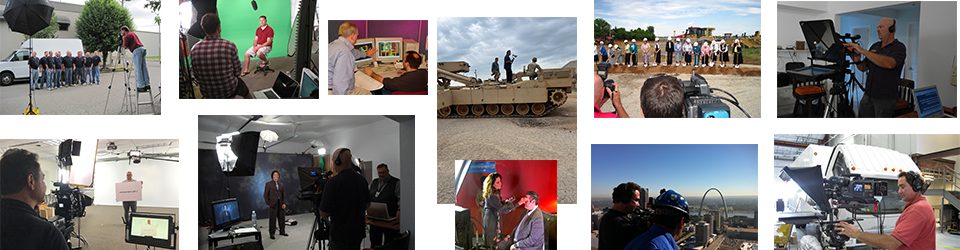
As a seasoned professional in commercial video and photography, I understand that investing in high-quality visual content is crucial for service businesses to stand out. However, I also recognize that budget constraints are a primary concern for many decision-makers. The good news is that strategic planning and smart execution can significantly reduce the costs of your video shoots without compromising the final product’s quality or impact.
Here are the top, expert-vetted strategies for service businesses to save money on video production:
1. Maximize Location Efficiency: Group Shoots and Location Scouting
One of the largest variables in video production costs is the time spent on location. Minimize this by adopting a disciplined approach:


- Batch Content Production: Instead of planning multiple separate shoots for different needs (website, social media, internal training), plan one or two comprehensive shoot days. Group interviews, B-roll, and employee testimonials together. This saves on crew travel time, setup/teardown, and equipment rental days.
- Strategic Location Selection: Prioritize locations that are visually rich and require minimal dressing or lighting modification. Utilizing your existing office, facility, or a client-friendly space can eliminate expensive location fees. Conduct thorough scouting beforehand to ensure the location is quiet and conducive to professional sound recording.
- Permit Prudence: Know when a permit is truly necessary. Shooting on private property (with permission) is often free. Public spaces, however, can incur costs. A quick, guerrilla-style shoot may be possible for brief B-roll, but be mindful of professional regulations.





2. Streamline Pre-Production: Planning is the Ultimate Cost-Saver
The time spent in planning directly translates to time (and money) saved on set.
- Detailed Storyboarding and Shot Lists: A complete, approved shot list and storyboard are your map. They prevent costly delays on set due to confusion or last-minute creative changes. Every crew member should know exactly what is being captured and why.
- Script and Interview Preparation: Ensure all interview subjects are briefed and have approved key talking points. Unscripted interviews that ramble require exponentially more time in the editing room, which increases post-production costs.
- Talent Management: When possible, utilize internal company leaders or employees as talent. This eliminates talent agency fees, casting costs, and the day rate for professional actors. Employees often offer more authentic, relatable representation of your service.
3. Smart Equipment and Crew Utilization: Right-Sizing the Production
A large crew and the most expensive gear are not always necessary for commercial success.
- Match Equipment to Need: Resist the urge for “over-production.” A simple, compelling interview might only require a two-person crew (videographer and sound tech) and a modest lighting setup. Do not pay for a cinema camera package when a high-end mirrorless setup is sufficient for your delivery medium (e.g., social media).
- Combine Roles Where Appropriate: For smaller shoots, look for a “hybrid” producer-videographer who can manage logistics while operating the camera, or a drone pilot who can also operate a ground camera.




4. Maximize Post-Production Efficiency: Repurposing and AI
The true value of your content is realized after the shoot. Strategic post-production is key to stretching your investment.
- Repurposing Content is Non-Negotiable: Plan the shoot with the intent to create multiple pieces of content. One long interview can be edited into a 2-minute “About Us” video, five 30-second social media clips, and ten audiograms/quote graphics. This is the single most effective way to save on content creation over time.
- Leverage Existing Assets: Incorporate existing, high-quality stills or brand graphics into your video. This reduces the need for new B-roll.
- Embrace Artificial Intelligence: AI tools are revolutionizing post-production. They can significantly speed up tasks like initial transcription, subtitle generation, basic color grading, and even rough cuts, translating directly into lower editing labor costs.
Decision Guide — When to Use Studio vs. Your Location
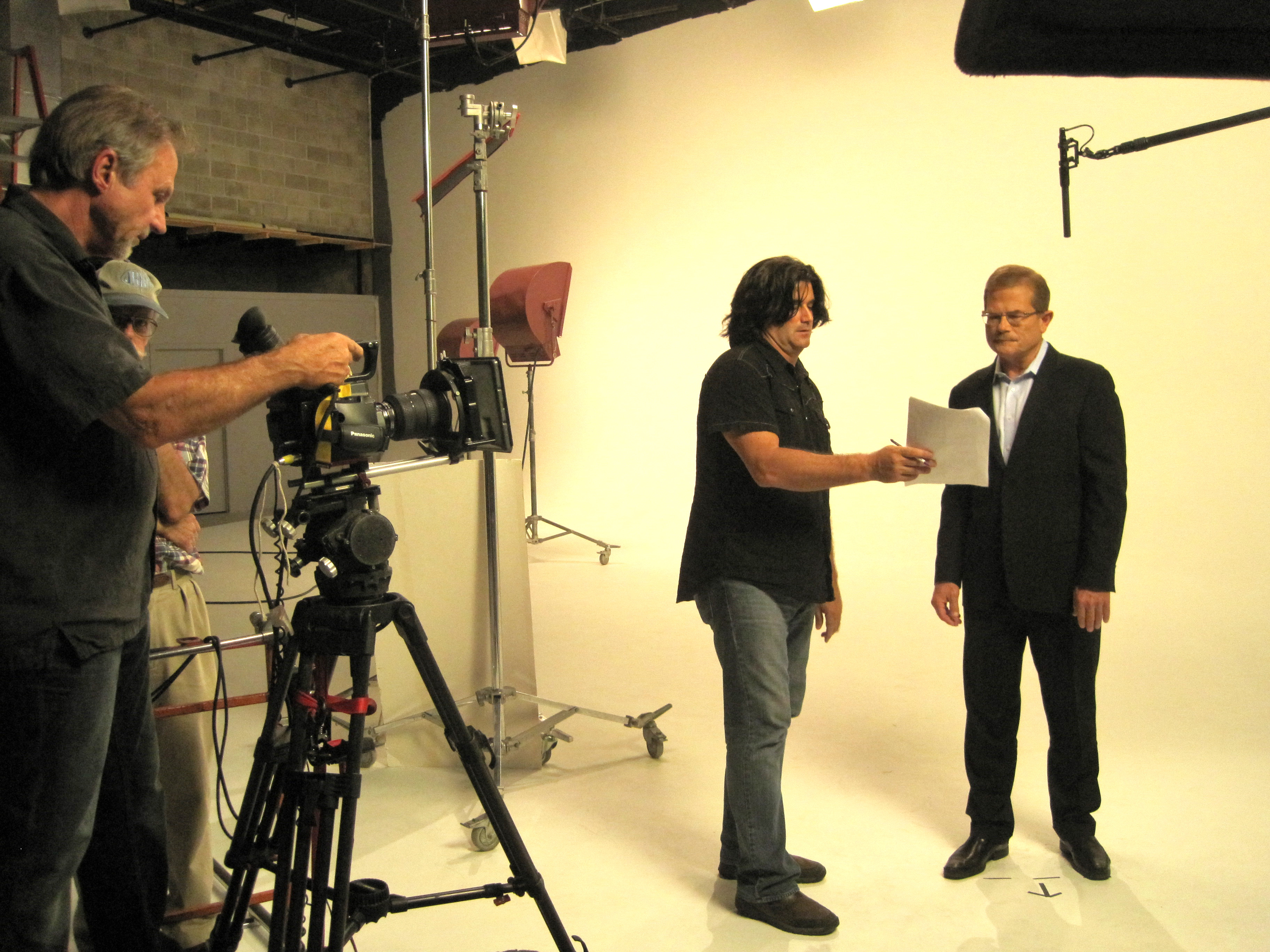
- Choose Studio if: tight schedule, multiple stakeholders, need absolute audio control, or you want a repeatable “look” for a series.
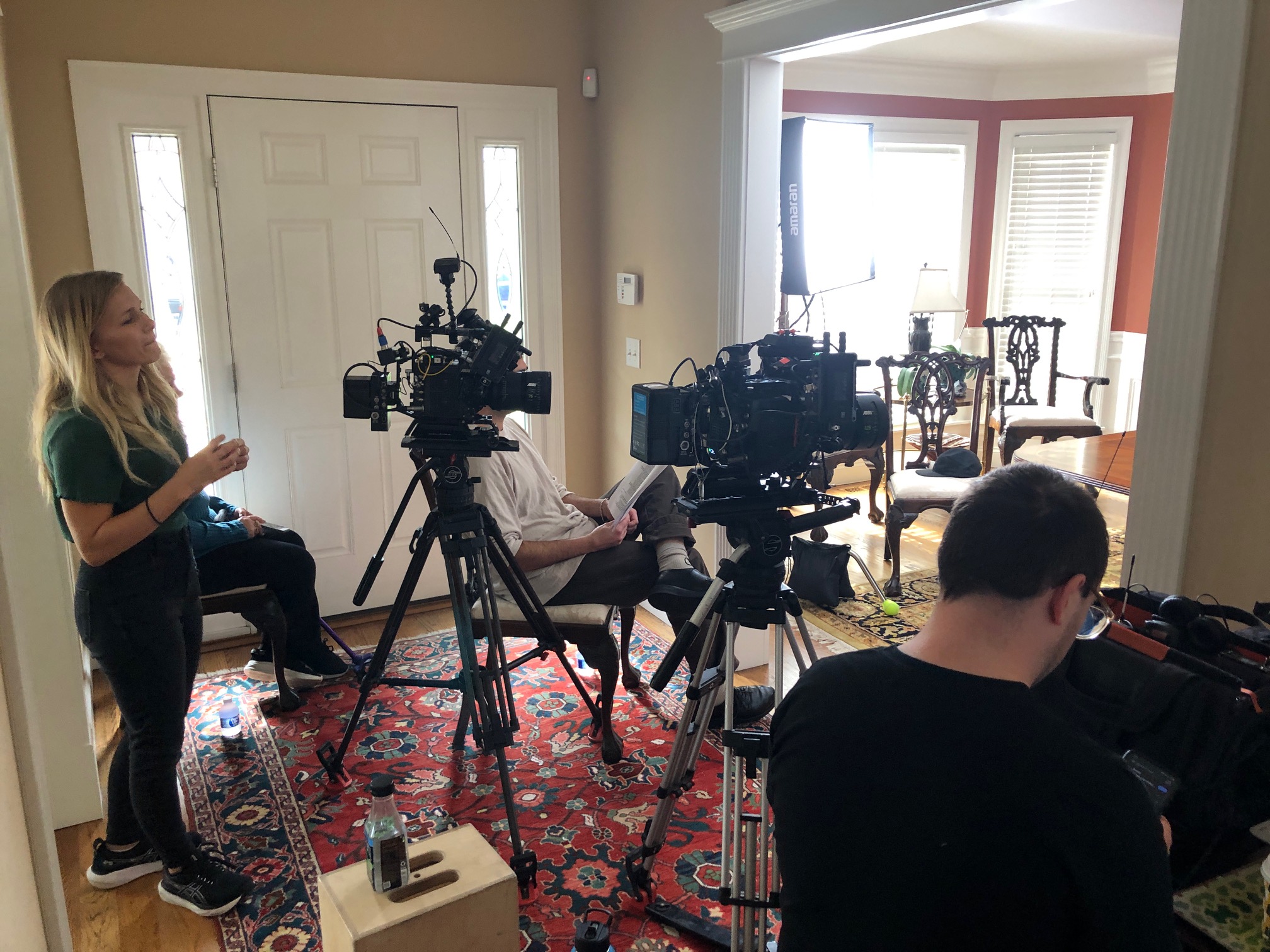
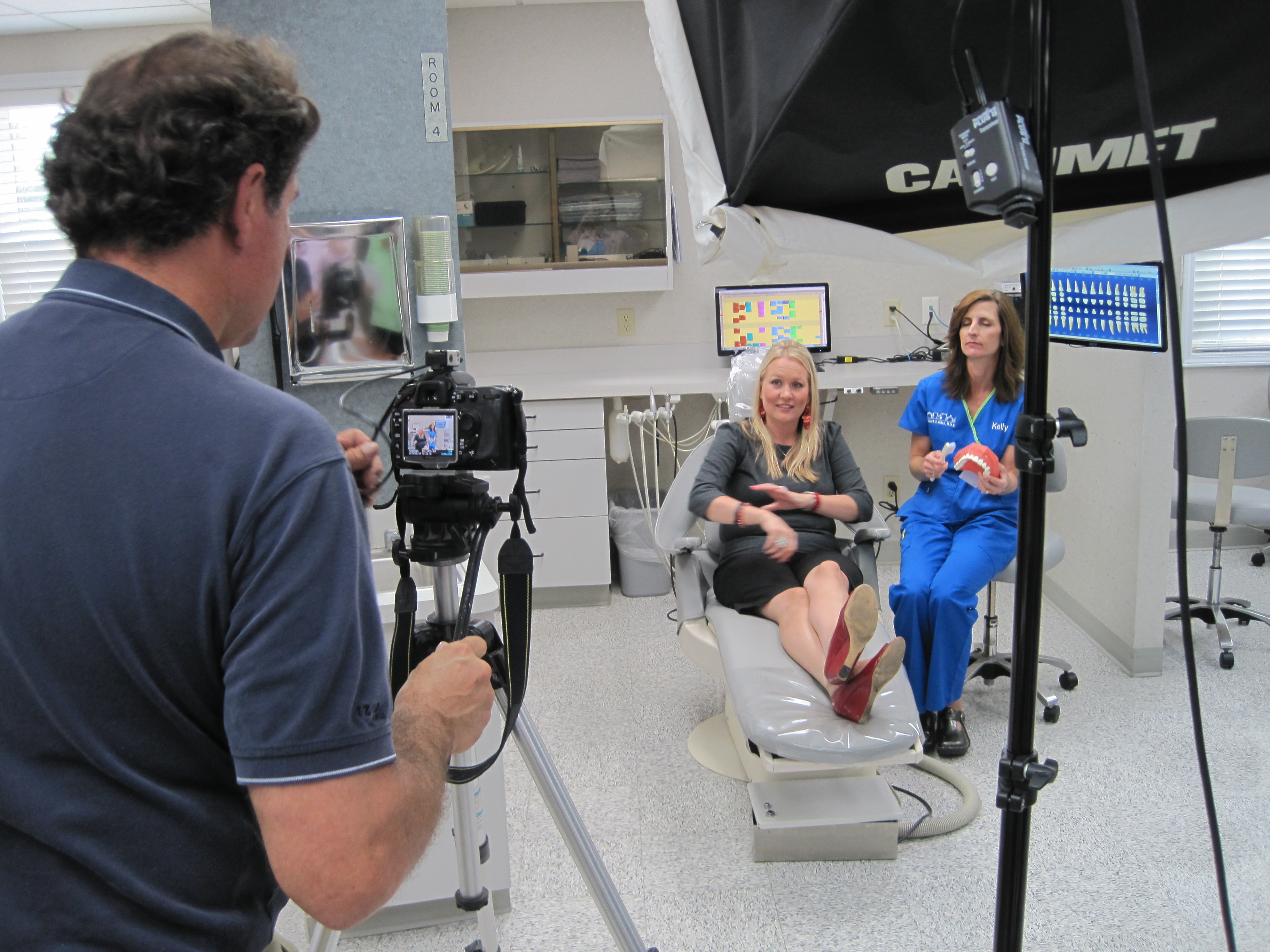
- Choose Your Location if: process visuals matter (equipment, workspace), you need authentic staff interactions, or you’re telling client-site stories.
- Hybrid: Interviews in studio for speed + half-day b-roll at your location for texture.
Indoor Drone? Yes, When It Adds Value
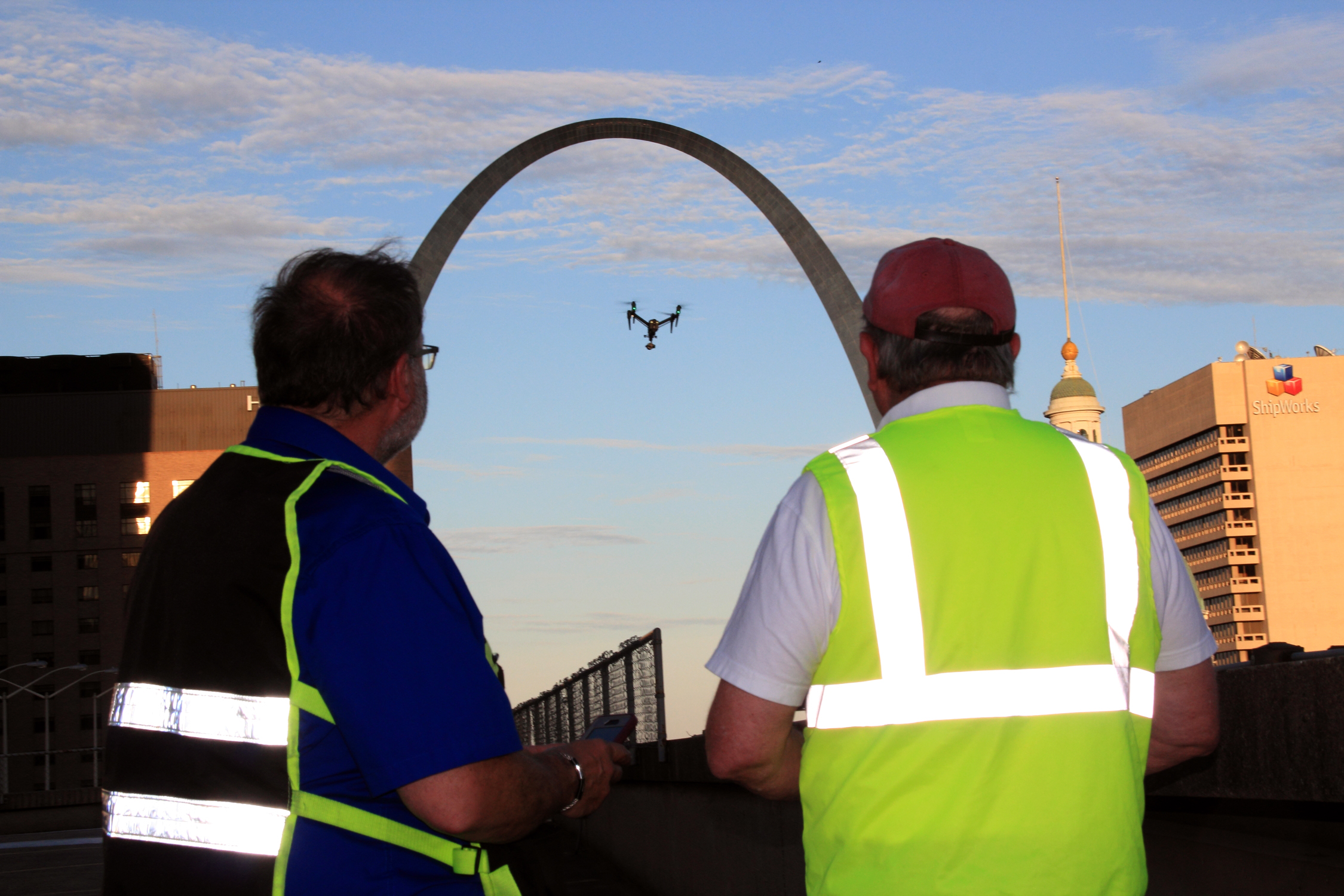
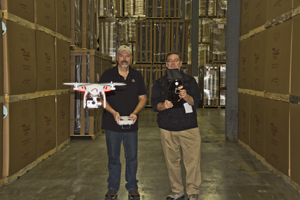
Specialized micro-drones can safely fly indoors to create dynamic establishing shots across lobbies, warehouses, labs, and training centers. The key to cost control is pre-visualization: plan the path, clear walkways, limit extras, and coordinate with facilities to avoid resets.
Compliance, Risk, and Brand Protection (cheap insurance)
- Releases for every on-camera person (and products/logos where needed).
- Client data: sanitize screens/whiteboards, enable privacy blur in post.
- Voice & claims: legal-approved phrasing for “results may vary,” no unsubstantiated outcomes.
- Accessibility: captions, contrast, readable font sizes—vital for regulated industries and broader reach.



Partner with St Louis Commercial Video for Image Acquisition Success
For decision-makers seeking successful, cost-effective image acquisition, partnering with an experienced, full-service provider is the ultimate strategy for value.
St Louis Commercial Video is a full-service professional commercial photography and video production company with the right equipment and creative crew service experience for successful image acquisition. As a full-service video and photography production corporation since 1982, we have worked with many businesses, marketing firms, and creative agencies in the St. Louis area for their marketing photography and video needs.
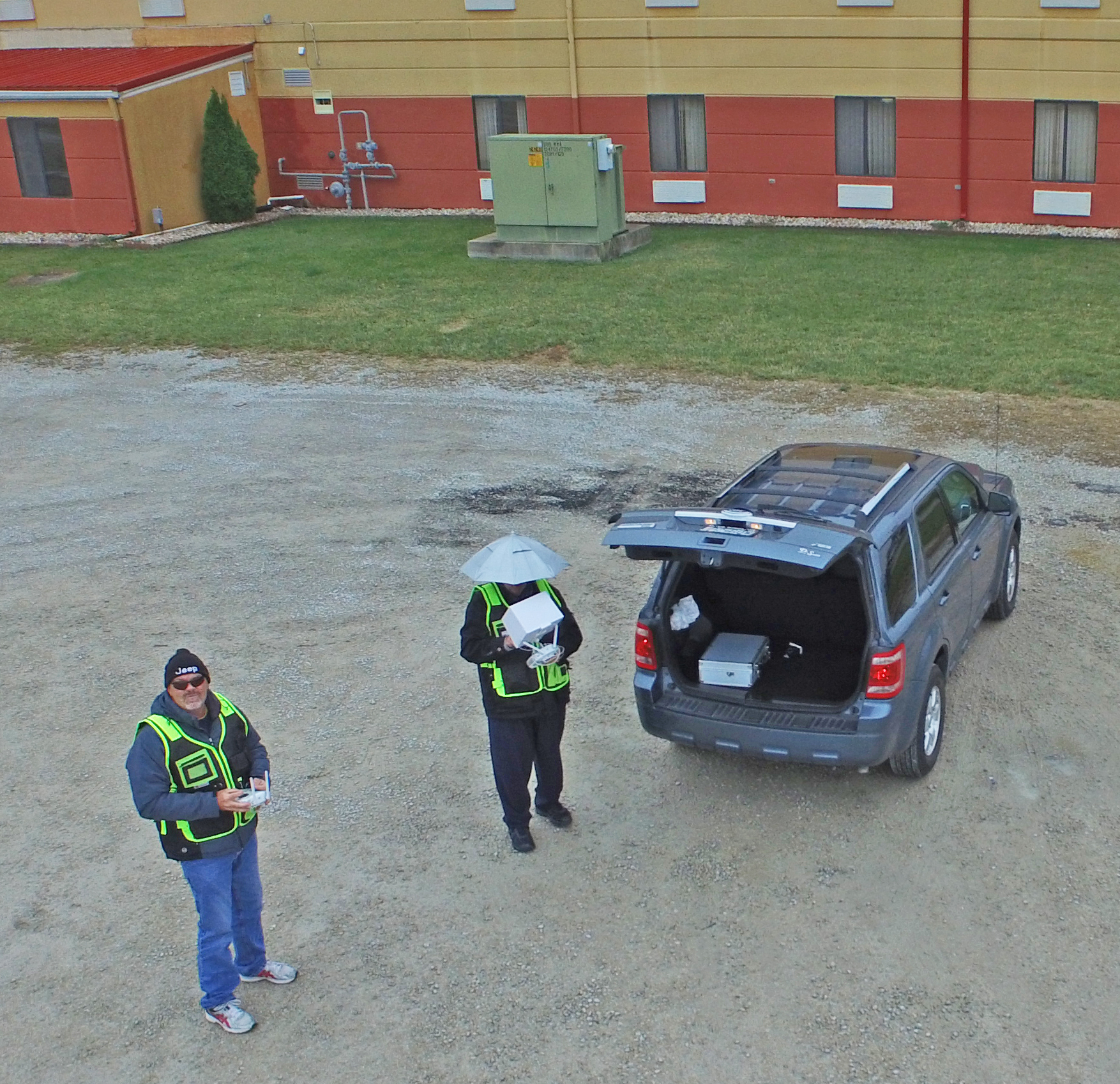
We offer full-service studio and location video and photography, as well as editing, post-production, and licensed drone pilots. St Louis Commercial Video can customize your productions for diverse types of media requirements. Repurposing your photography and video branding to gain more traction is another specialty. We are well-versed in all file types and styles of media and accompanying software, and we use the latest in Artificial Intelligence for all our media services, ensuring peak efficiency and modern results.
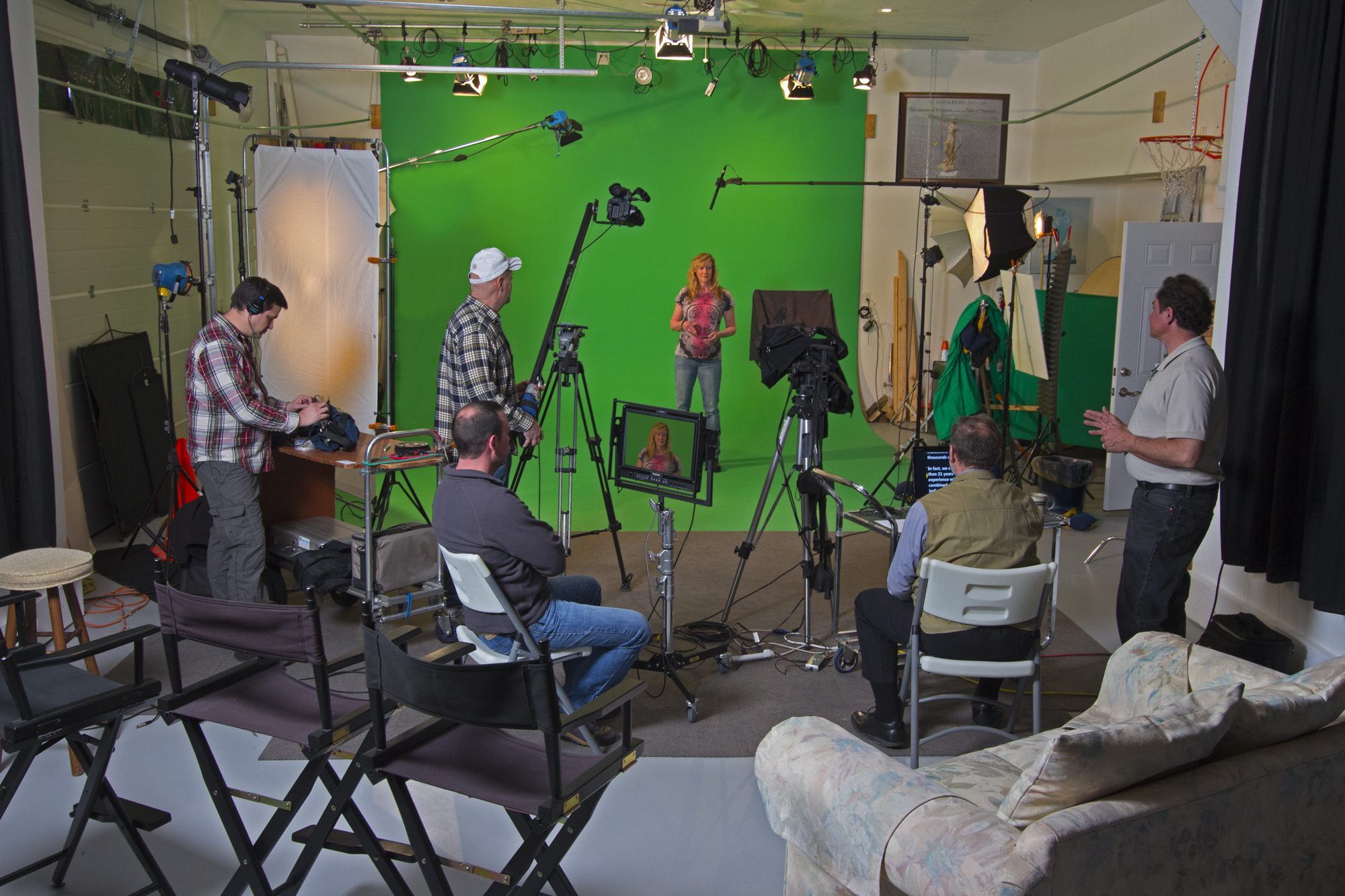
Our private studio lighting and visual setup is perfect for small productions and interview scenes, and our studio is large enough to incorporate props to round out your set. We support every aspect of your production—from setting up a private, custom interview studio to supplying professional sound and camera operators, as well as providing the right equipment—ensuring your next video production is seamless and successful. We can even fly our specialized drones indoors for unique, dynamic shots.
Ready to maximize your visual content investment?
Would you like to schedule a consultation to discuss how we can customize a cost-effective video and photography package for your next campaign?









 St Louis Commercial Video Production