Tag Archives: Live Event Filming

Ask With Purpose: 42 Questions That Make Business Video Interviews Work Harder

Great business interviews do more than capture quotes—they surface proof. The right prompts unlock stories that buyers trust, employees rally around, and stakeholders remember. After decades producing interviews for organizations across industries, we’ve learned that outcomes hinge on three things: preparation, sequencing, and questions designed for use in edit.

Below is a practical, field-tested blueprint you can hand to your producer or internal team to create interviews that are candid, brand-safe, and commercially effective.


Start With Strategy (so your questions have a job)

Define the job of the interview before you write a single question.

  • Audience: Who must be convinced (CFO, operator, buyer, recruit, regulator)?
  • Objective: Move someone to do what next (schedule a demo, sign, adopt, renew, comply)?
  • Channels: Where will it run (product page, sales deck, recruiting, training, social)?
  • Claims to prove: What 2–3 points need evidence (time saved, risk reduced, quality improved)?
  • Constraints: Legal/compliance, locations, who can be on camera, what can be shown.

Translate those answers into a story spine you’ll guide every interviewee through:

  1. Credibility → 2) Stakes → 3) Choice → 4) Execution → 5) Outcomes → 6) Advocacy
The 42-Question Bank (organized for business use)

Use these as modular prompts. Ask one idea per question. Leave a second of silence after good answers—people often add the best detail after the pause.

A) Establish Credibility (5)

  1. Please state your name, title, and what success looks like in your role.
  2. What does your organization do, and who benefits most from your work?
  3. Which metrics are you accountable for (revenue, cost, quality, safety, cycle time)?
  4. Where were you in your growth or change cycle when this became urgent?
  5. What made this initiative a now-not-later priority?

B) Make the “Before” Tangible (6)

  1. What did “a normal week” look like before we addressed this?
  2. What had you already tried, and why didn’t it stick?
  3. Who felt the pain most (customers, staff, leadership), and how did it show up?
  4. What risks were accumulating (brand, compliance, operational, financial)?
  5. What was the cost of doing nothing for another quarter?
  6. Summarize the old state in one sentence.

C) Why You Chose This Solution/Vendor (6)

  1. What criteria were on your shortlist when you evaluated options?
  2. Which alternatives did you compare, and how did you weigh trade-offs?
  3. What concerns or objections did you have, and how were they resolved?
  4. What did our discovery or proposal surface that others missed?
  5. How did our approach reduce risk or internal workload?
  6. In one line, the deciding factor was ___.

D) Execution & Change Management (7)

  1. What did kickoff look like—clarity of owners, timelines, approvals?
  2. Describe the production or implementation experience from your side.
  3. Tell me about a curveball and how the team handled it.
  4. Where did we save you time, budget, or coordination effort?
  5. How did we protect brand/compliance while moving fast?
  6. What did your people say after day one on set (or week one in rollout)?
  7. If you were advising a peer, how should they prepare to get the most value?

E) Outcomes & Evidence (7)

  1. What changed first—what early win told you this was working?
  2. Quantify results if you can (conversion, leads, cycle time, training completion, incident rate, NPS, brand lift).
  3. Which outcome mattered most to leadership—and why?
  4. What did end users or customers notice and repeat back to you?
  5. How does this compare to previous vendors or internal attempts?
  6. What single result would have justified the investment by itself?
  7. If this disappeared tomorrow, what would break?

F) Vertical/Use-Case Specifics (pick 3–5)

Manufacturing/Operations:
32. What defects, downtime, or rework did this help reduce?
Healthcare/Life Sciences:
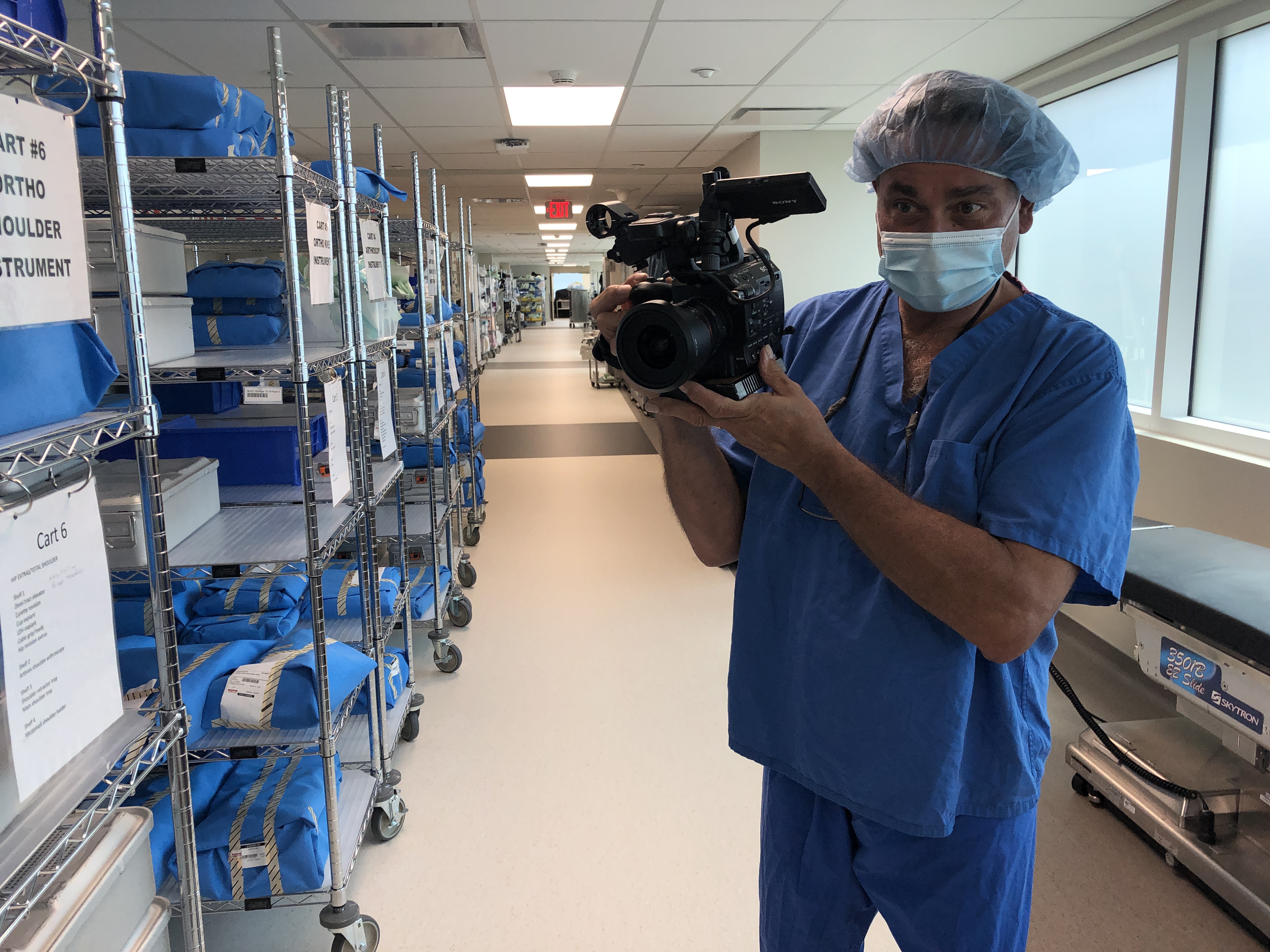
33. How did we handle PHI, consent, or on-site clearance?
SaaS/Tech:
34. What adoption or time-to-value did you see across teams?
Construction/Field Services:
35. How did we capture sites safely and with minimal disruption? (We can fly specialized drones indoors when appropriate.)
Professional Services/Finance:
36. How did we navigate approvals and protect sensitive information?

G) Advocacy & Future (6)

  1. What would you tell a CFO who’s skeptical about ROI?
  2. What would you tell a compliance or legal lead about risk management?
  3. Would you recommend us—why, and to whom?
  4. What should a new client know on day one to accelerate success?
  5. Where will you expand this next (more teams, markets, use cases)?
  6. Finish this: “Working with St Louis Commercial Video is like ___.”

Sequencing That Keeps Energy High

  • Start with easy credibility questions, then escalate to stakes.
  • Move into choice once trust is built, then execution while memory is fresh.
  • Save outcomes and soundbites for last; people get more confident as they talk.
  • Capture b-roll immediately after the interview while access and momentum are intact.

On-Camera Coaching (protect authenticity without scripting)

  • Answer with context: “Before we partnered with St Louis Commercial Video, we…”
  • Plain language beats jargon; define acronyms once for captions.
  • Present tense adds energy: “This reduces training time by…”
  • Posture and pacing: shoulders relaxed, chin level, pause before key phrases.
  • Wardrobe: avoid tight patterns and unapproved logos; bring one backup option.

Production Craft Notes (the details your audience actually sees)

  • Audio: Dual-system sound (lav + boom). Check levels every setup and capture room tone.
  • Lighting: Key/fill/rim for separation; add negative fill to sculpt; practicals for depth.
  • Backgrounds: Choose environments that say something about the work; secure clearance for any third-party marks.
  • Motion: Use controlled dolly moves or, where appropriate, fly specialized drones indoors for dynamic establishing shots—safely and legally.
  • Continuity: Keep a quick log of strong quotes and matching b-roll needs for the edit.

AI-Accelerated Post (speed without spin)

Use AI to remove friction, not fabricate claims.

  • Automated transcription for paper edits and fast selects.
  • Smart cleanup (um removal, gentle noise reduction) to preserve natural voice.
  • Brand-matched captions and color pipelines for consistency and accessibility.
  • Cutdown automation to deliver 15/30/60/120-second versions in square/vertical for social and sales.
  • Provenance and releases tracked; disclose any generative elements (e.g., background extensions) when used.

Distribution & Measurement (so the asset actually sells)

  • Owned: Product/pricing pages, case studies, onboarding. Include transcripts for search.
  • Sales enablement: Captioned versions plus a time-coded summary of claims for reps.
  • Lifecycle: Insert 30–45 sec cuts into nurture streams and renewal plays.
  • Paid & social: Hook in the first 2–3 seconds; strong thumbnail with a quote; single CTA end card.
  • Events/PR: 10–15 sec punch quotes for booths, analyst briefings, award entries.
  • Measure: Plays, completion, meeting-set rate, assisted conversions, influenced pipeline. Refresh annually or when metrics plateau.

Print-Ready Checklists

Pre-Production

  • Audience, objective, claims defined and approved
  • Interviewee brief sent; wardrobe/location confirmed
  • Releases and permissions cleared; compliance path mapped
  • Question set tailored to role and vertical
  • Shot list for b-roll, including access and safety notes

Day-Of

  • Redundant audio; lighting built for separation
  • Quiet set; signage for privacy
  • Continuity log started; note pull-quotes
  • Layered b-roll: wide → medium → tight → reactions

Post

  • Transcribe; paper edit against story spine
  • AI-assisted cleanup, captions, color; QC pass
  • Master + cutdowns + aspect ratio variants
  • Distribution plan with KPIs; analytics tags applied

About St Louis Commercial Video

St Louis Commercial Video is a full-service professional commercial photography and video production company with the right equipment and creative crew service experience for successful image acquisition. We offer full-service studio and location video and photography, as well as editing, post-production and licensed drone pilots. St Louis Commercial Video can customize your productions for diverse types of media requirements. Repurposing your photography and video branding to gain more traction is another specialty. We are well-versed in all file types and styles of media and accompanying software. We use the latest in Artificial Intelligence for all our media services. Our private studio lighting and visual setup is perfect for small productions and interview scenes, and our studio is large enough to incorporate props to round out your set. We support every aspect of your production—from setting up a private, custom interview studio to supplying professional sound and camera operators, as well as providing the right equipment—ensuring your next video production is seamless and successful. We can fly our specialized drones indoors. As a full-service video and photography production corporation, since 1982, St Louis Commercial Video has worked with many businesses, marketing firms and creative agencies in the St. Louis area for their marketing photography and video. When you’re ready to turn interviews into measurable business outcomes, we’re ready to roll.

stlouiscommercialvideo@gmail.com

 314-913-5626

What to Expect When Filming Customer Testimonials: A Professional’s Guide to Capturing Authentic Stories

In the world of B2B and corporate marketing, customer testimonials have become one of the most powerful forms of social proof. But unlike written reviews or star ratings, video testimonials offer depth—real people sharing real experiences in their own words, with genuine tone, emotion, and expression. When done right, these stories inspire trust and drive decisions.

At St Louis Commercial Video, we’ve spent decades helping businesses and marketing agencies produce compelling testimonial content that aligns with their brand and business goals. This guide offers a behind-the-scenes look at what you can expect when filming customer testimonials—so you can prepare your team, your customer, and your message for success.


1. Pre-Production: Planning the Message and the Logistics

Every successful shoot begins with a strategic pre-production process. This stage includes:

  • Storyboarding and messaging goals: What is the core message? What outcome do you want viewers to take away?
  • Interviewee prep: We’ll help you brief your customer, share sample questions, and offer tips to help them feel comfortable.
  • Location scouting: We’ll choose a visually appropriate space—whether at your customer’s site, in your office, or in our studio.
  • Scheduling and release forms: Coordinating schedules, handling logistics, and ensuring proper release documentation is signed.

Our crew ensures all the moving parts are in place before anyone steps in front of the camera.


2. The Day of the Shoot: Creating a Relaxed and Professional Environment

The shoot day is about making your customer feel supported, not scrutinized. Here’s what happens:

  • Setup: We arrive early to set up lighting, sound, cameras, and the scene. Our private studio, when used, is designed for comfort and professionalism, complete with space for props or branded elements.
  • Interview flow: We use conversational prompts to elicit authentic responses. No teleprompters—just real dialogue shaped around your goals.
  • Capturing B-roll: In addition to the interview, we film supporting footage that visually reinforces the message—your product in action, the customer’s workspace, candid interactions.
  • Sound and camera monitoring: Our experienced operators ensure everything looks and sounds great in real time, using professional gear and backup systems.

We guide the entire process, making your customer look and feel like a star—without ever feeling like they’re acting.


3. Post-Production: Turning Raw Interviews Into Strategic Content

After filming, our editing team steps in to bring the story to life:

  • Editing for narrative: We distill the interview down to the strongest, most authentic moments that support your marketing goals.
  • Visual enhancements: Logo animations, lower-thirds, branded color grading, and music enhance the final product.
  • Optimizing formats: We deliver in multiple formats (social media, website, presentation-ready) and can provide transcriptions or captioning as needed.
  • Repurposing opportunities: A single shoot can yield a main testimonial, short clips, quote graphics, and more—extending the value of your investment.

Using the latest AI-assisted post-production tools, we streamline this process without compromising creativity or quality.


4. Customer Comfort Is Key

Many customers aren’t used to being on camera. That’s why we:

  • Coach them gently on camera presence and positioning
  • Keep things conversational, not scripted
  • Allow for do-overs and natural pauses
  • Make edits that remove stumbles, filler words, and distractions

Creating a positive, no-pressure environment ensures that the testimony feels natural—and that your customer will be happy to participate again.


5. Results You Can Use Across Platforms

Great customer testimonials have a long shelf life and multi-platform value:

  • Website trust-building content
  • Email marketing
  • Sales presentations
  • Social proof for LinkedIn and YouTube
  • Internal communications or recruiting

We help you think strategically about how to use and reuse your video assets so they serve more than just one campaign.


Why Choose St Louis Commercial Video for Your Testimonial Production

At St Louis Commercial Video, we specialize in crafting impactful, professional customer testimonials from start to finish. Since 1982, we’ve supported marketing teams, creative agencies, and business leaders throughout the St. Louis area in capturing stories that convert.

We offer:

  • Full-service studio and location video production
  • Professional interview lighting, audio, and camera operators
  • Editing and post-production, powered by the latest AI tools
  • Licensed drone pilots for dynamic aerial shots
  • Flexible formatting for all platforms and marketing uses
  • Private studio spaces with built-in lighting and visual setups
  • Expertise in repurposing content for greater ROI

From setting up a custom interview studio to producing polished final edits, St Louis Commercial Video supports every stage of your testimonial journey with creativity, care, and technical excellence.

Let us help your customers become your brand’s most persuasive storytellers.

stlouiscommercialvideo@gmail.com

 314-913-5626

Editing Video Interviews: Adding B-Roll Is Easier Than You Think

In the world of professional video production, editing video interviews is a critical component of storytelling. While a well-shot interview provides the foundation, incorporating B-roll footage enhances the visual experience, maintains viewer engagement, and adds depth to the message. Many decision-makers in photography, marketing, and video production believe integrating B-roll is a complicated process, but with the right planning and expertise, it’s easier than you think. Here’s how you can effectively add B-roll to your interview footage to create dynamic and engaging content.

While static B-roll is useful, incorporating subtle motion like slow zooms or pans can add polish.

Why B-Roll Matters in Interview Videos

B-roll serves as a vital storytelling tool, complementing the primary A-roll (interview footage) by:

  • Enhancing Visual Appeal: Breaking up long talking-head shots with supporting visuals prevents monotony and keeps viewers engaged.
  • Providing Context: B-roll helps illustrate the subject’s points, reinforcing key messages with real-world visuals.
  • Improving Flow and Pacing: Smooth transitions between A-roll and B-roll make the video feel seamless, enhancing overall watchability.
  • Covering Jump Cuts: If you need to edit out filler words, pauses, or errors in an interview, B-roll can serve as a seamless transition to maintain fluidity.

How to Select the Right B-Roll

The effectiveness of B-roll depends on its relevance to the interview content. When selecting or capturing B-roll, consider:

  • Story Alignment: Choose footage that directly supports what’s being said in the interview.
  • Emotional Impact: B-roll should enhance the emotional tone of the interview, whether it’s serious, inspirational, or lighthearted.
  • Diversity of Shots: Utilize a mix of close-ups, mid-range shots, and wide angles to add variety.
  • Action-Oriented Clips: Footage that shows the interview subject in action—such as demonstrating a product, interacting with clients, or working in their environment—adds authenticity.

Techniques for Seamless B-Roll Integration

Incorporating B-roll effectively requires careful planning and a strong understanding of editing techniques. Here are some professional strategies:

1. Plan Ahead During Production

If possible, capture B-roll footage while filming the interview. This ensures consistency in lighting, resolution, and framing. Pre-production planning can identify the types of supplementary footage needed based on the interview topic.

2. Use Natural Transition Points

Look for moments in the interview where the subject mentions specific places, people, or actions. These points are ideal for cutting away to B-roll footage while keeping the dialogue intact.

3. Maintain Audio Continuity

When adding B-roll, keep the interview audio running in the background. This maintains narrative coherence and avoids a disjointed feel.

4. Apply Motion and Effects Thoughtfully

While static B-roll is useful, incorporating subtle motion like slow zooms or pans can add polish. However, avoid excessive effects that distract from the core message.

5. Optimize for Different Platforms

Consider how the video will be used—whether for social media, websites, or broadcast. Editing variations may be needed for different formats to ensure the best impact.

How St Louis Commercial Video Can Help

At St Louis Commercial Video, we specialize in producing high-quality commercial photography and video content that aligns with your marketing goals. As a full-service professional video production company, we provide:

  • Studio and On-Location Filming: Whether you need a controlled studio setting or a dynamic on-site shoot, we have the expertise and equipment to deliver.
  • Expert Editing and Post-Production: Our team seamlessly integrates B-roll into your interview footage to enhance storytelling and professionalism.
  • Licensed Drone Pilots: We offer aerial and even indoor drone footage to add unique perspectives to your projects.
  • Custom Interview Studio Setup: Our private studio provides the perfect environment for professional interviews, complete with high-quality lighting and sound.
  • Versatility Across Media Formats: We are well-versed in all file types and media styles, ensuring compatibility across platforms and marketing strategies.

Since 1982, St Louis Commercial Video has worked with businesses, marketing firms, and creative agencies throughout St. Louis, helping them create compelling visual content that resonates with their audience. Whether you need a full-scale production or expert editing for your next interview video, we have the skills, equipment, and creative insight to bring your vision to life.

Contact us today to learn how we can enhance your video production with expertly crafted B-roll integration!

stlouiscommercialvideo@gmail.com

 314-913-5626

The Pros and Cons of Different Video Production Interview Styles

In the world of corporate video production, interviews are often the backbone of content creation. Whether it’s for marketing, internal communications, or customer testimonials, the style of interview you choose will significantly impact the overall effectiveness and engagement of your video. Different styles serve different purposes, and each has its unique advantages and challenges. In this blog post, we will explore the pros and cons of various video production interview styles to help you make an informed decision for your next project.

With two cameras, you can switch between shots for a more dynamic and visually interesting experience.

1. The Traditional Sit-Down Interview

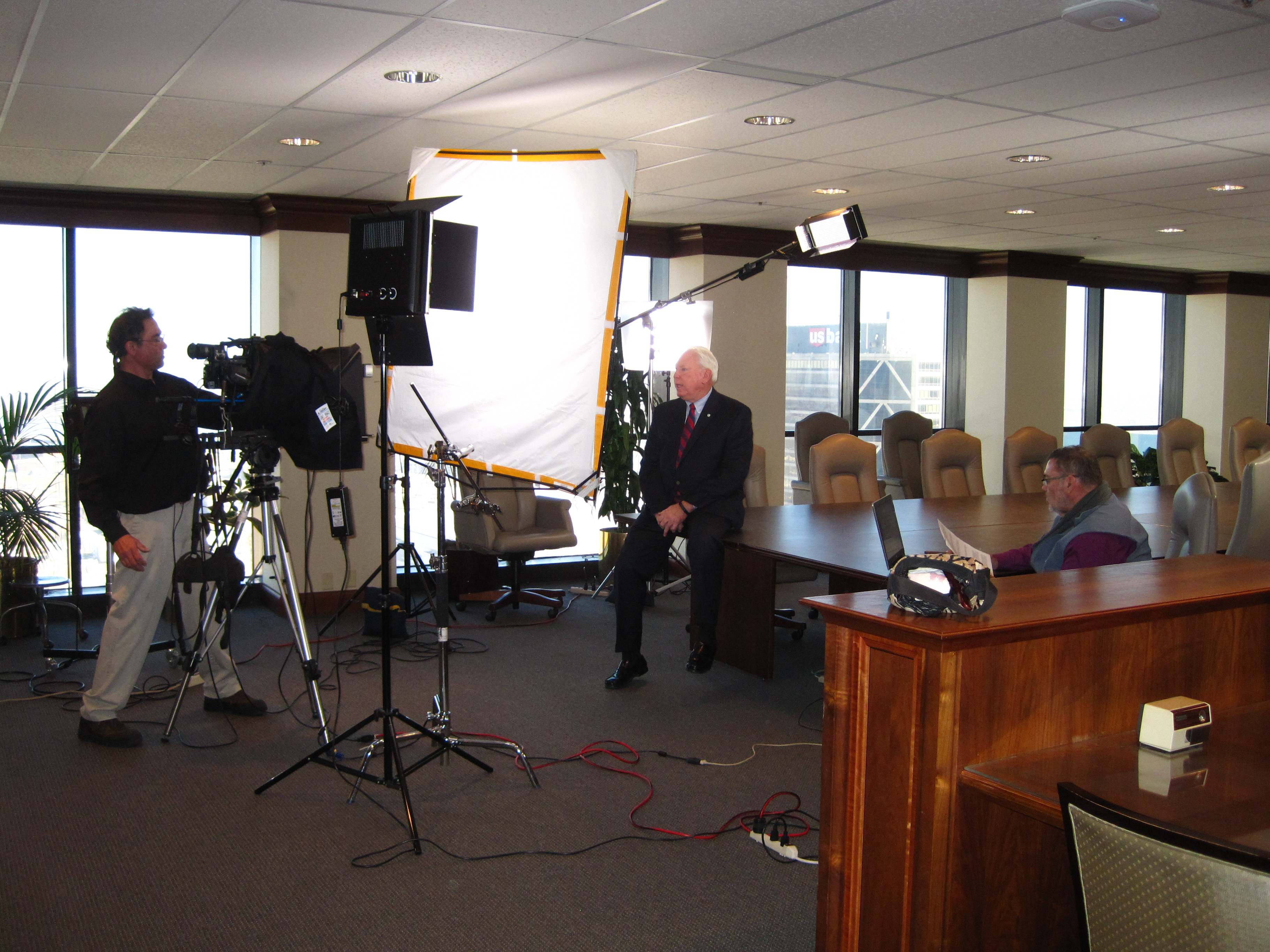
The sit-down interview is the most classic and widely used format in corporate video production. In this style, the interviewee is typically seated facing the camera, with a background that complements the topic of the interview.

Pros:

  • Simplicity and Professionalism: The traditional style is clean and professional, making it perfect for corporate settings. It allows the viewer to focus on the subject matter without distractions.
  • Controlled Environment: You can control the lighting, sound, and other elements, ensuring consistency in every shot.
  • Effective for Authority Figures: It works well for leaders, executives, or anyone whose authority and expertise need to be highlighted.

Cons:

  • Lack of Variety: A static shot can make the video feel monotonous if not executed well. Viewers may lose interest, especially in long interviews.
  • Less Dynamic: It may not be ideal for storytelling or conveying emotion, as the interviewee may appear too rigid.

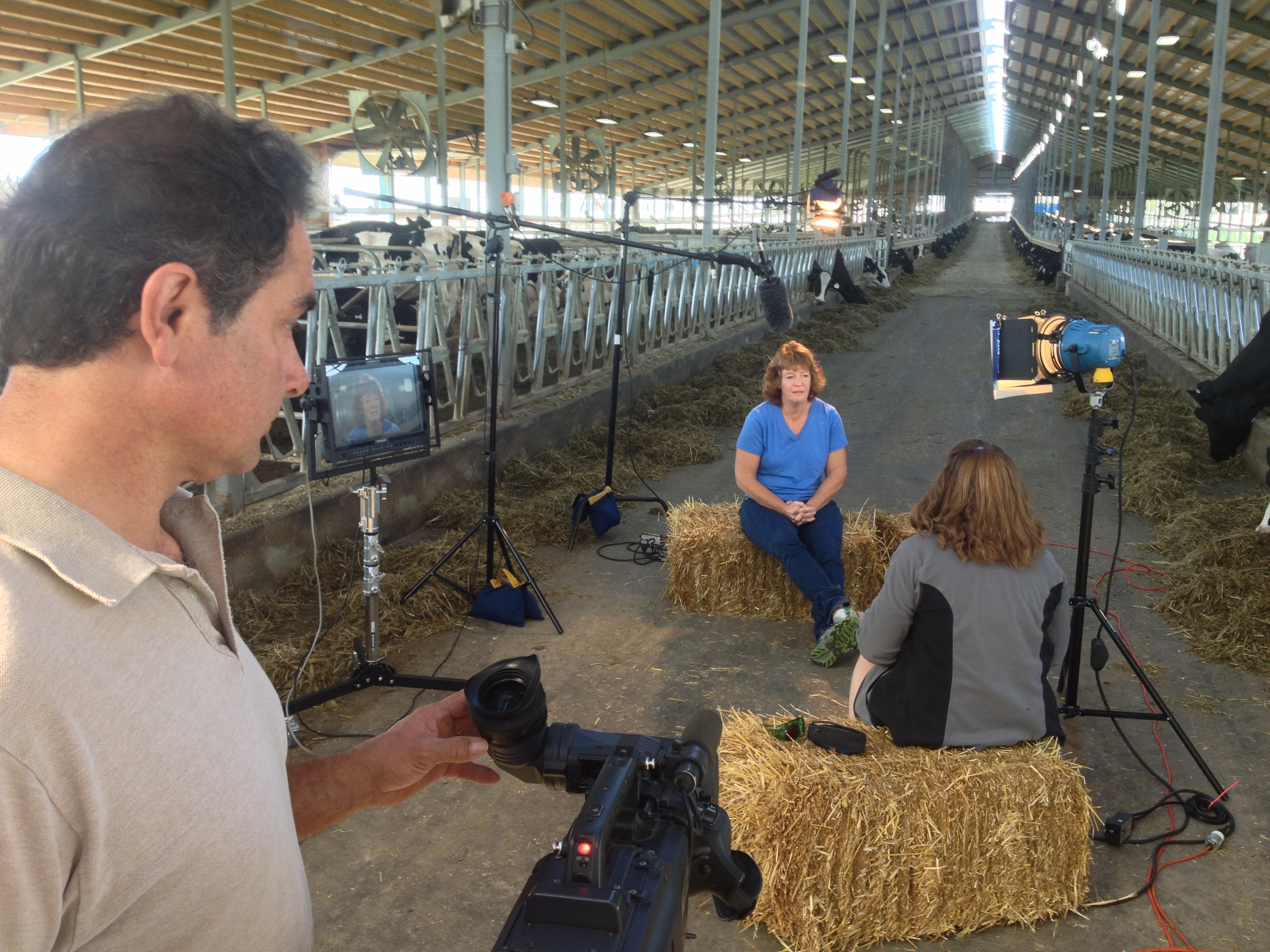
2. On-Location Interviews

On-location interviews are conducted in a real-world setting, whether at the interviewee’s office, a customer’s home, or an outdoor location. This style provides more context and can make the video feel more authentic.

Pros:

  • Contextual Relevance: The location can add meaning to the interview, visually reinforcing the subject matter. For example, a real estate agent in a home or a business executive at the office creates a sense of authenticity.
  • Dynamic Environment: The changing environment adds visual interest, making the video feel more lively and engaging.

Cons:

  • Less Control: Filming on-location comes with its challenges, such as uncontrolled lighting, noise, and possible distractions. These factors can impact video quality.
  • Logistical Complexity: Securing permits, coordinating schedules, and dealing with unpredictable weather can add time and cost to the production process.

3. Walking Interviews

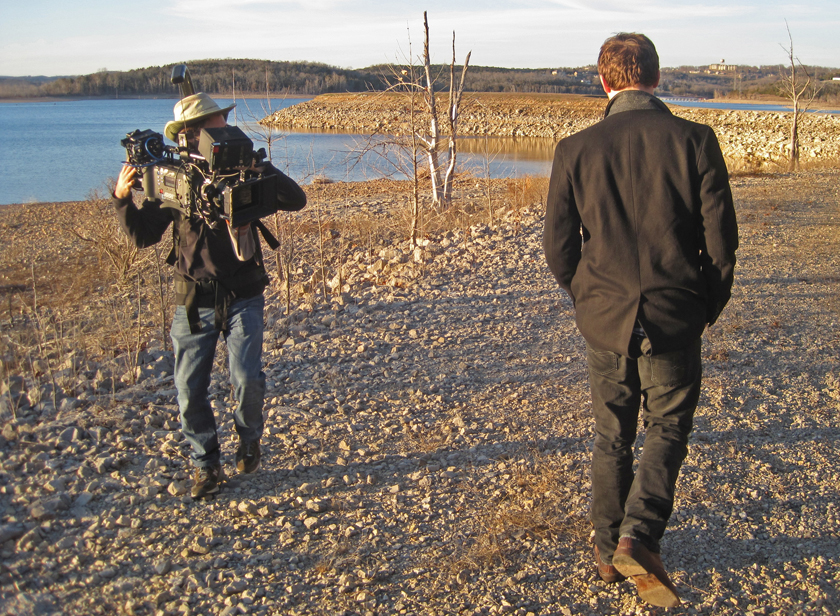
In a walking interview, the subject walks through a location while being filmed, often with the interviewer off-camera asking questions. This style can create a more dynamic and informal feel.

Pros:

  • Natural Movement: This style allows the interviewee to appear more relaxed and natural, as if they’re having a conversation rather than answering stiff questions.
  • Engaging Visuals: The movement adds visual interest, and the environment can be used to support the narrative of the interview.

Cons:

  • Logistical Challenges: Walking and talking while being filmed requires careful coordination of cameras and lighting, which can be challenging to execute smoothly.
  • Distractions: The movement may detract from the subject matter if the setting is too busy or noisy.

4. Two-Camera Interviews

In a two-camera interview, multiple cameras are used to capture different angles of the subject, such as a wide shot and a close-up.

Pros:

  • Dynamic Perspective: With two cameras, you can switch between shots for a more dynamic and visually interesting experience.
  • Improved Engagement: Changing perspectives keeps the viewer engaged and creates a more immersive viewing experience.
  • Ideal for Editing: This style is perfect for editing, as the two angles give you more flexibility in the post-production phase.

Cons:

  • More Complex Setup: Using multiple cameras requires more equipment, crew, and time for setup, making it more expensive and labor-intensive.
  • Increased Editing Time: The additional footage will also add time to the post-production phase.

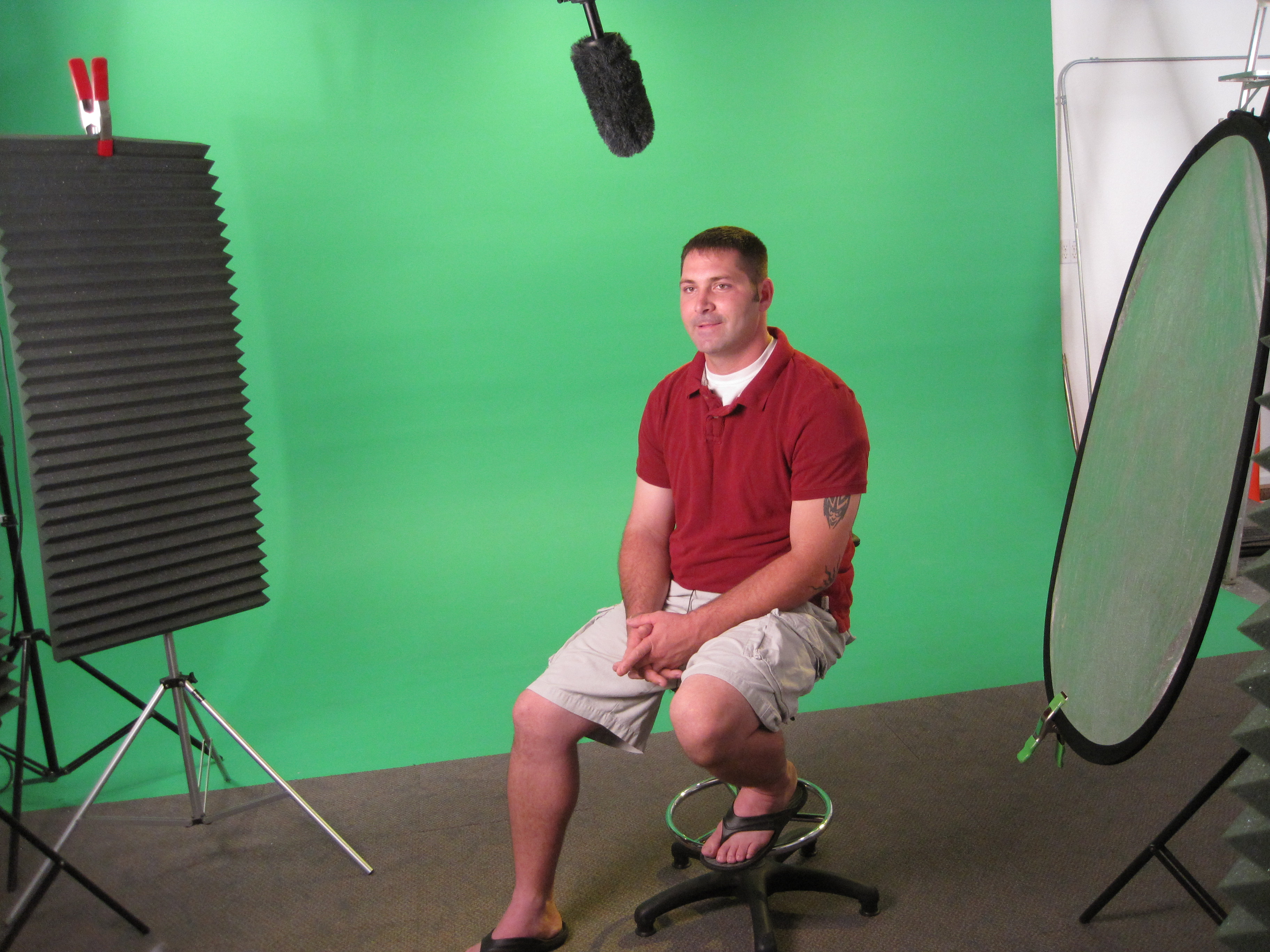
5. Green Screen Interviews

A green screen interview involves shooting the interview with a solid green background, which can later be replaced with any desired background in post-production.

Pros:

  • Endless Possibilities: You can create any environment for your interviewee, whether it’s a corporate office, a digital background, or an abstract visual.
  • Controlled Environment: Like the traditional sit-down interview, a green screen setup gives you complete control over lighting, sound, and other elements.

Cons:

  • Post-Production Intensive: This style requires significant work in post-production to insert the background, which can be time-consuming and costly.
  • Unnatural Look: If not done well, green screen effects can look artificial or distract from the message of the interview.

6. Roundtable Interviews

Roundtable interviews feature multiple people participating in a discussion, often with each individual facing the camera. This style is ideal for panel discussions, brainstorming sessions, or group interviews.

Pros:

  • Collaborative Atmosphere: A roundtable interview can showcase a collaborative environment, emphasizing teamwork and the exchange of ideas.
  • Multiple Perspectives: It provides a broader range of viewpoints, making it perfect for exploring diverse opinions on a topic.

Cons:

  • Coordination Challenges: Managing multiple people in a single shot requires careful camera work and coordination to ensure everyone is adequately framed and heard.
  • Potential for Disorganization: If not moderated properly, the conversation may become disorganized, leading to less cohesive messaging.

St. Louis Commercial Video: Your Trusted Partner for Video Production Success

At St. Louis Commercial Video, we have been working with businesses, marketing firms, and agencies since 1982 to provide professional video and photography production services. Our extensive experience in the industry means we understand the unique needs of each production, whether it’s a traditional sit-down interview or a dynamic on-location video shoot.

As a full-service professional commercial photography and video production company, we offer everything you need for a successful production, including full-service studio and location video and photography, editing, post-production, and licensed drone pilots. Our team of creative professionals is well-versed in a variety of file types and media styles, ensuring that your content is perfectly tailored to your objectives.

Our private studio is equipped with customizable lighting setups for small productions and interview scenes. It’s large enough to incorporate props, allowing us to create the perfect environment for your interview or video shoot. We specialize in flying drones indoors, adding a unique touch to your video production.

No matter what style of interview or video production you choose, St. Louis Commercial Video can help with every part of the process—from private custom interview studio setups to providing sound and camera operators, and even offering specialized equipment for perfect video results.

Choose St. Louis Commercial Video for your next project, and experience the difference our equipment, expertise, and creative vision can make in bringing your ideas to life.

stlouiscommercialvideo@gmail.com

 314-913-5626

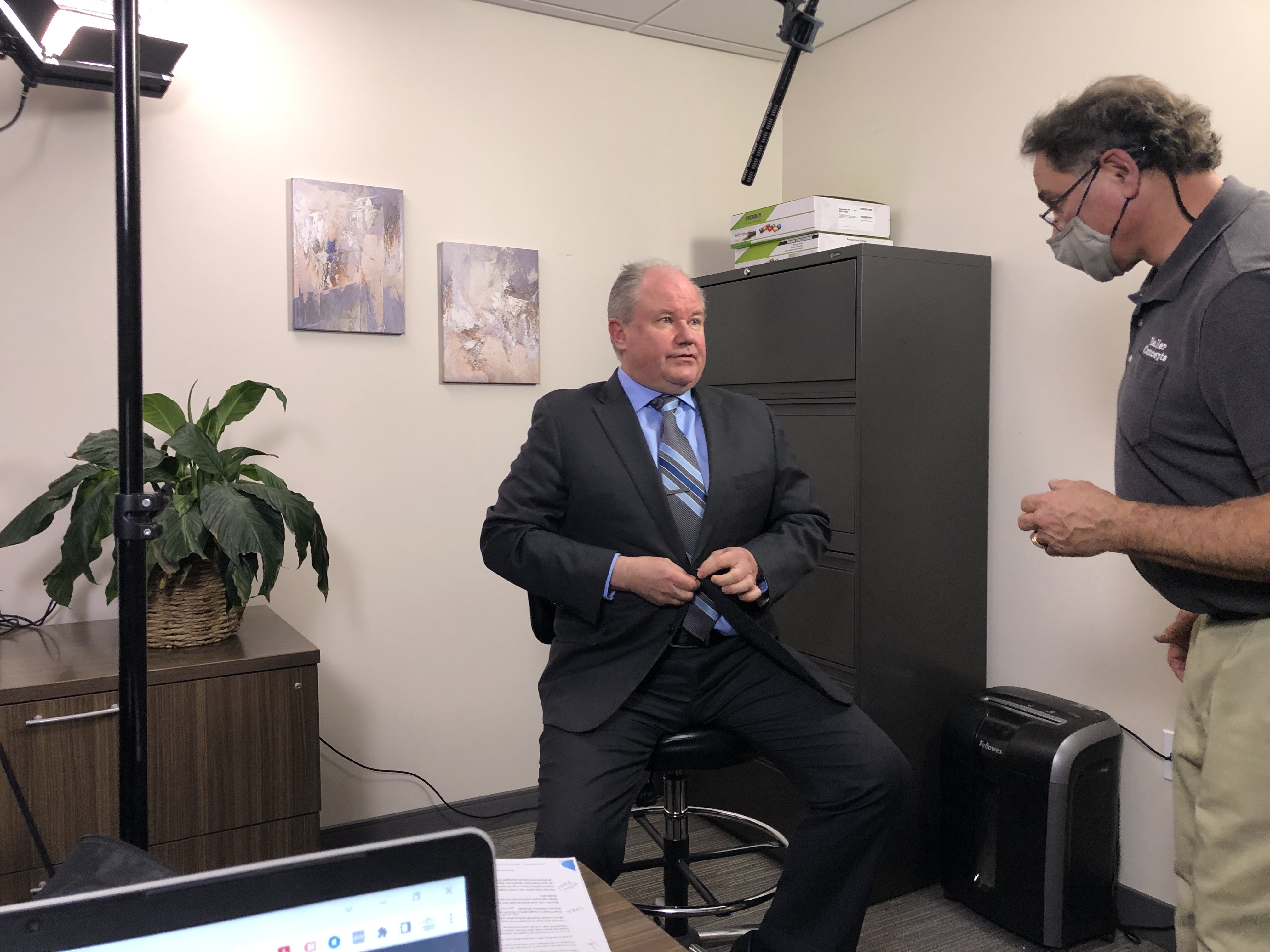
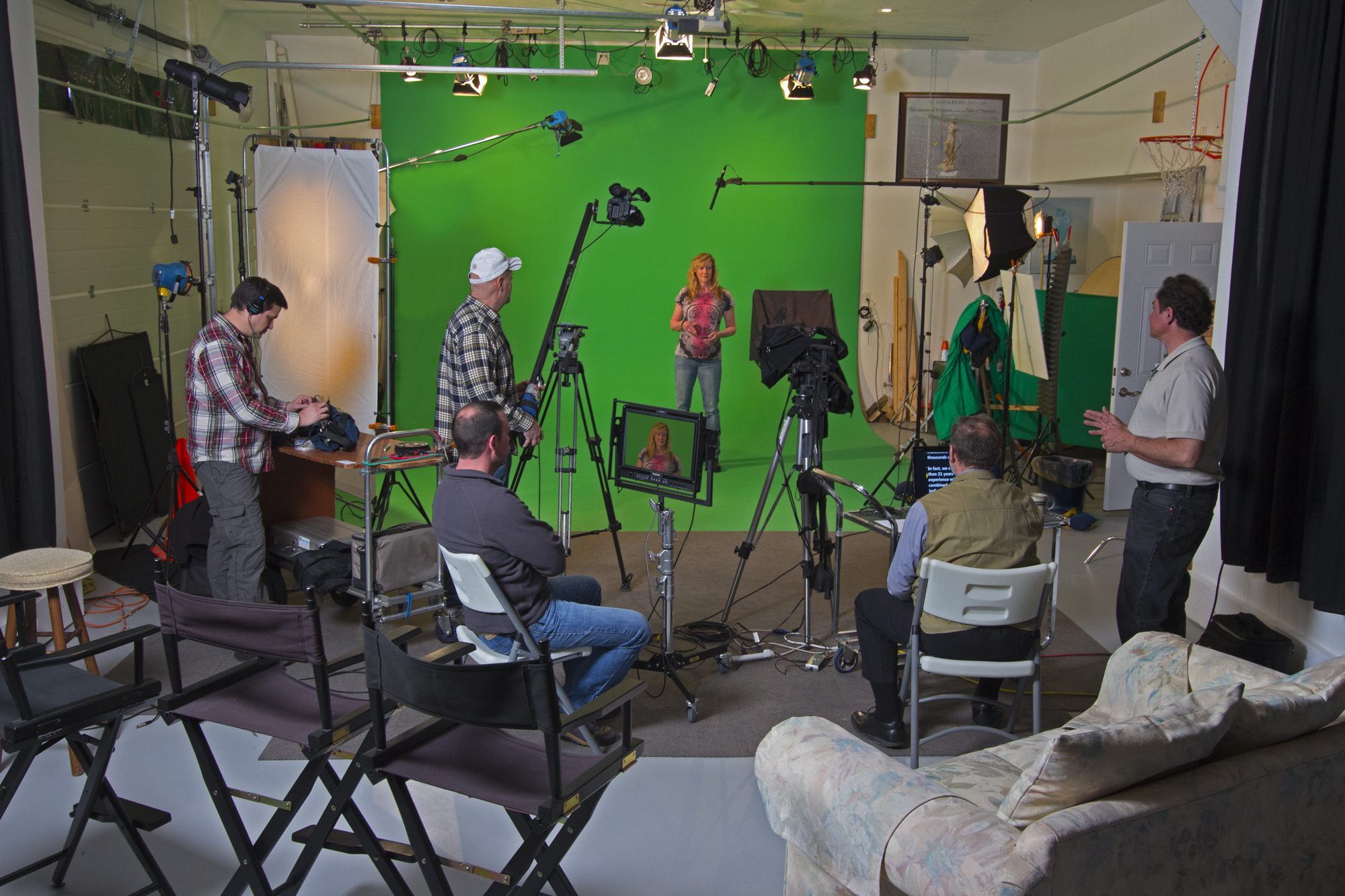
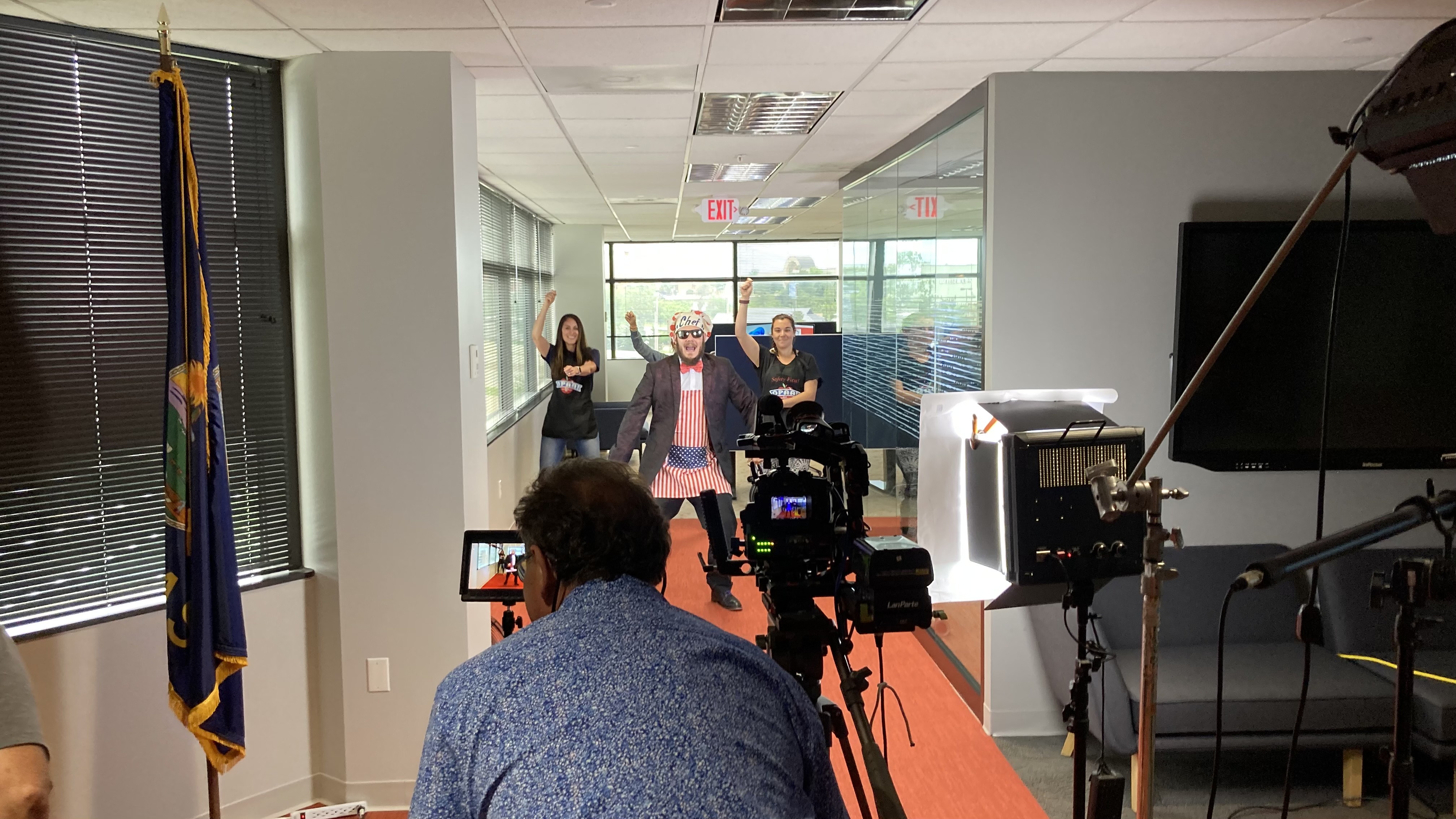
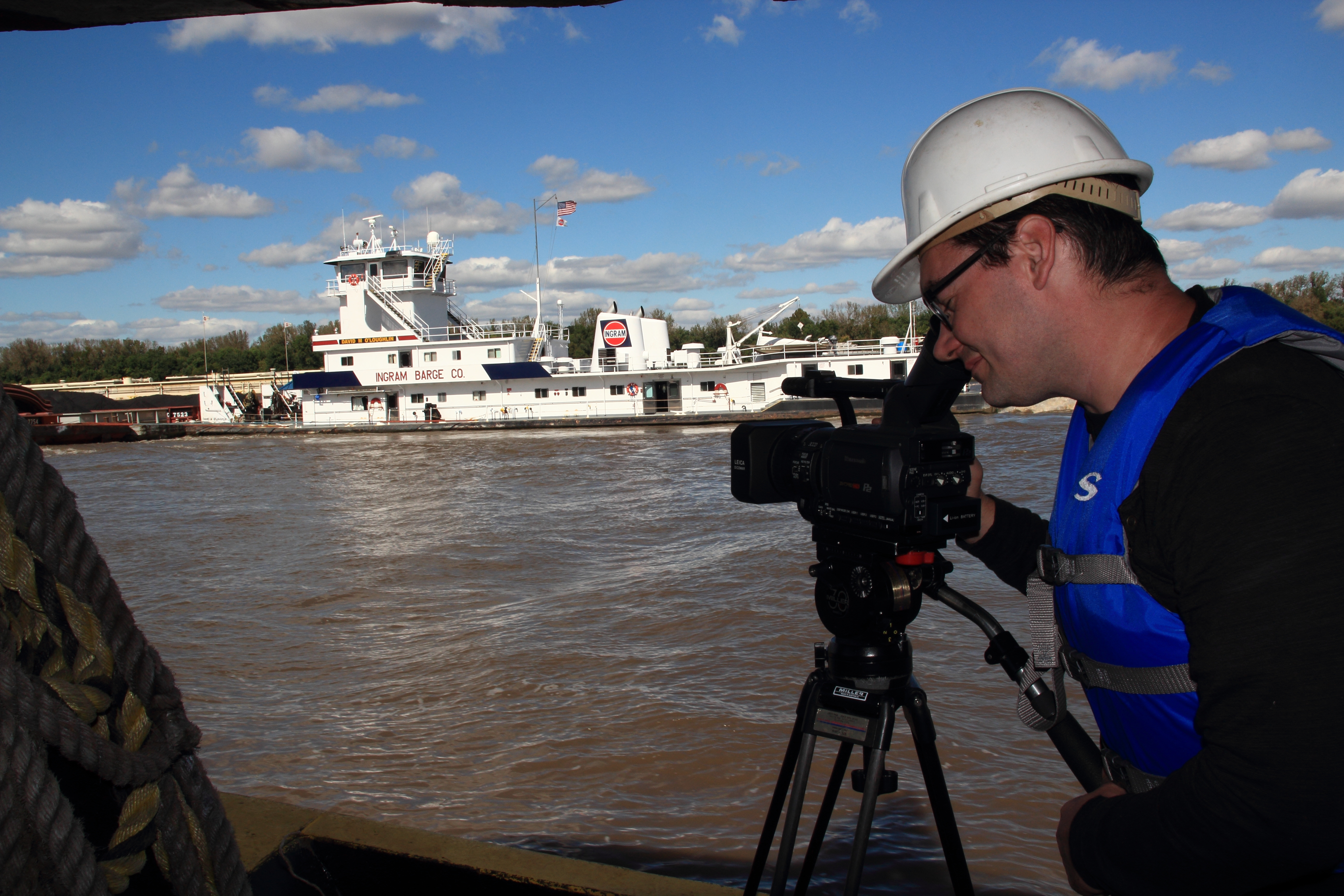
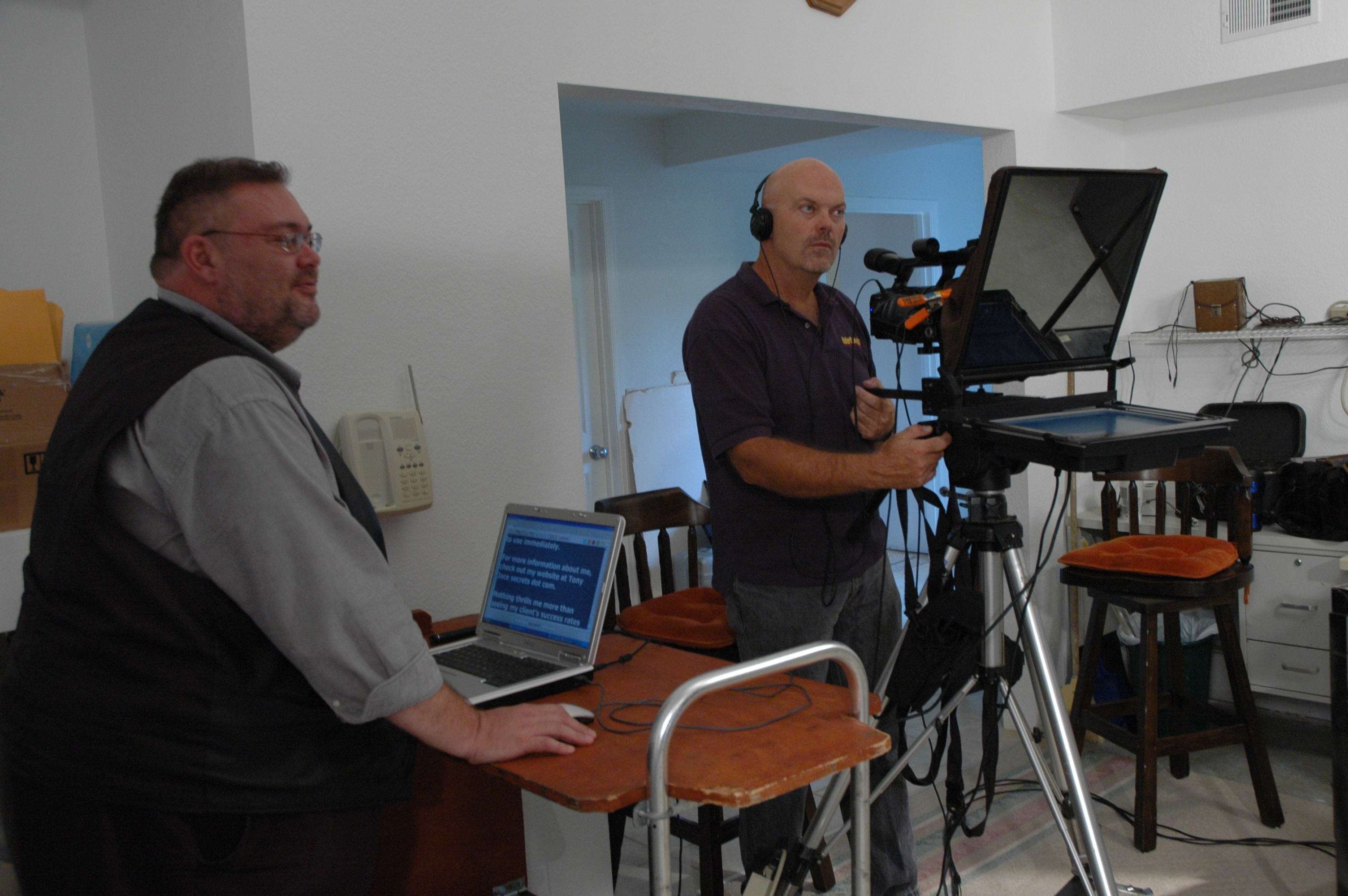
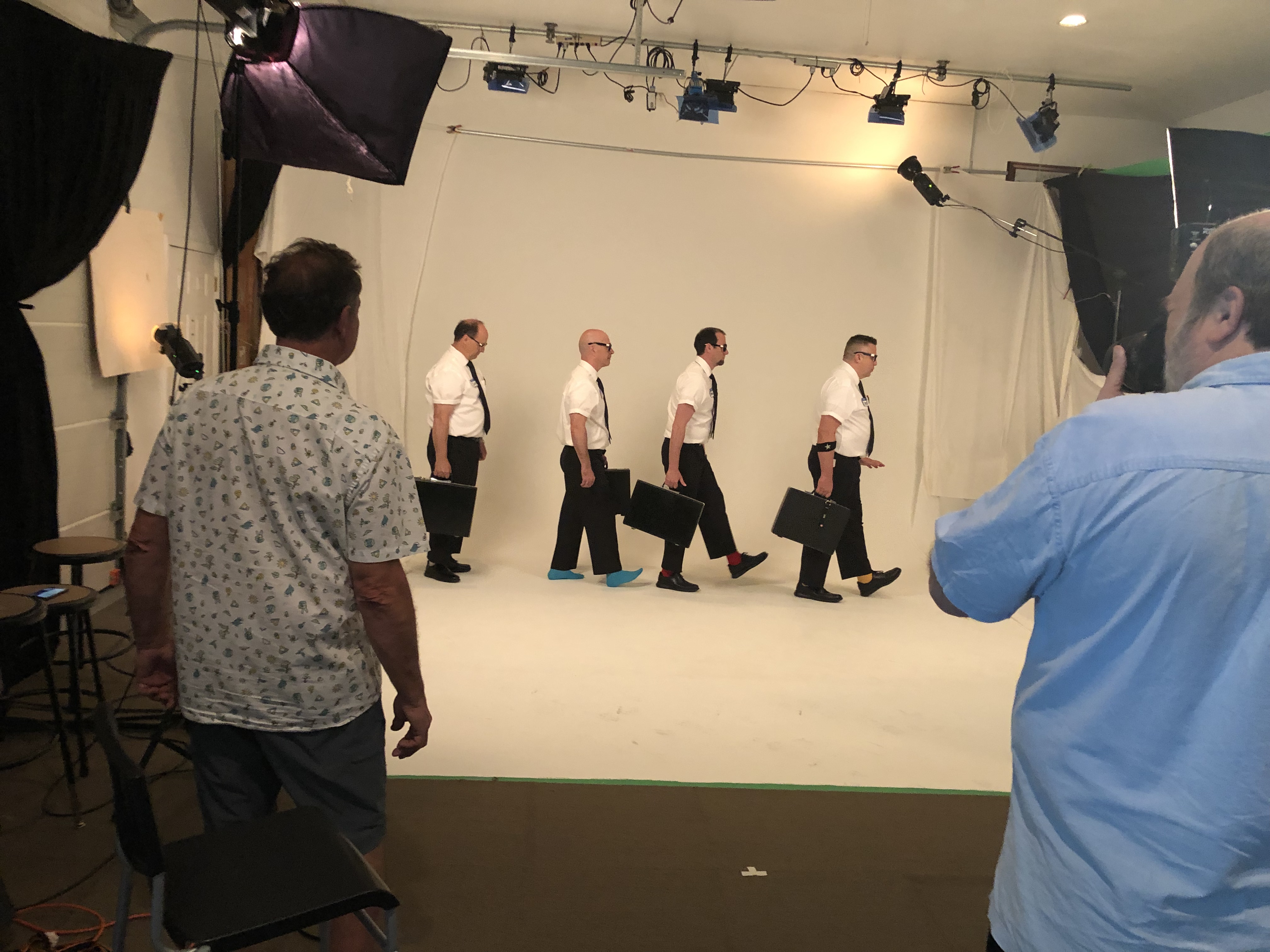
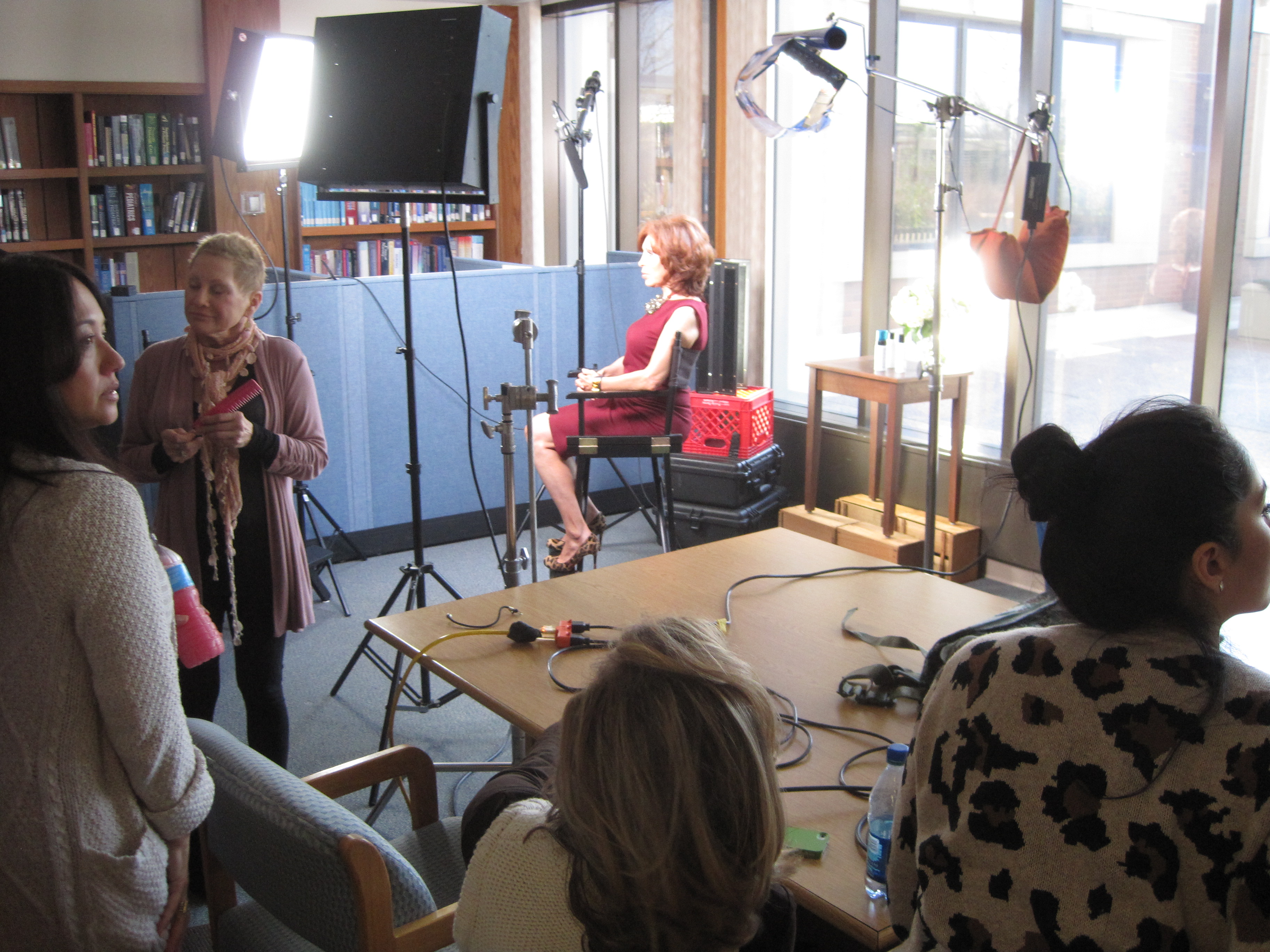
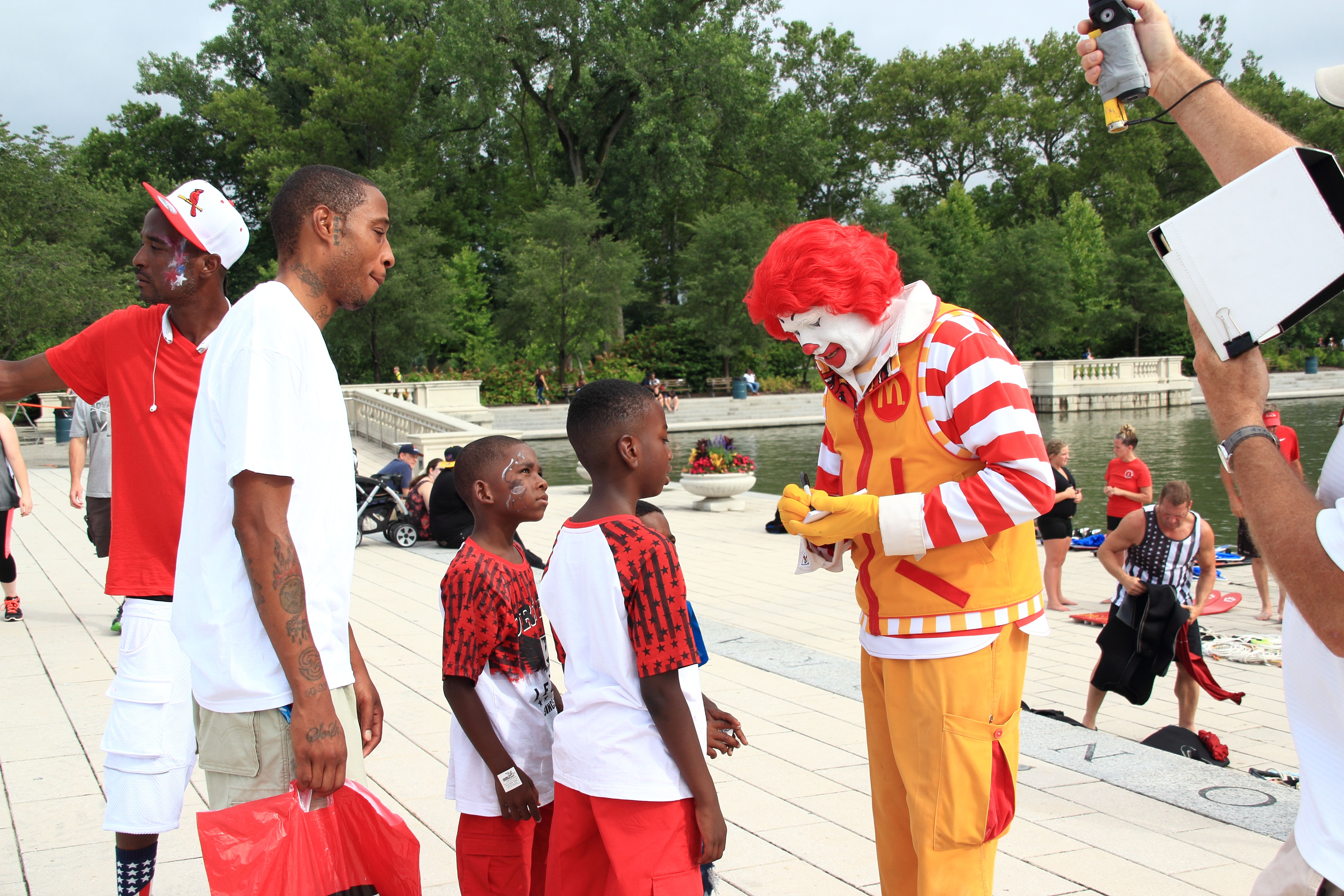
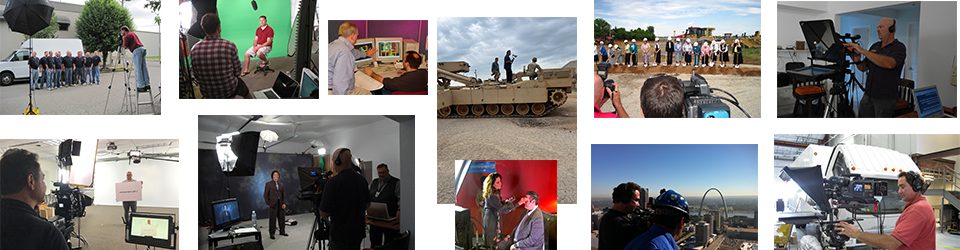
Video crews taping for testimonials and B-Roll

St Louis Commercial Video production company is dedicated to delivering high-quality corporate videos, commercials, marketing content, multi-camera live event coverage, expertly-crafted documentary films and series, interviews, music videos, and narrative films.

We’re going to be talking about how you should use testimonials in your marketing and the case studies that help you sell the products you have available.

First, let’s talk about testimonials. Testimonials are written or recorded statements that support your credibility and level of expertise. They also strengthen your reputation by displaying the trust that other people have in you and your business offerings. Testimonials work because they aren’t strong sales pitches—they come across in an honest voice and establish trust.

Now let’s talk about case studies. Case studies are stories that illustrate how a customer used a product or service and how it helped them achieve their goals. Case studies work because they show how other people have used the product or service successfully, which inspires more people to buy it themselves and achieve similar results.

B-roll is important for the same reason. What does a picture say about you? Everything. It’s what your audience will see and interpret as part of the story, so you want it to impact them in some way.

There are always creative ways to get the images that you want to get. We can help with drone footage, tripods, sliders, or stock footage—whatever suits your needs best!

Randy Hamann

stlouiscommercialvideo@gmail.com

9910 Claywood Court

St Louis, MO 63126