Tag Archives: Freelance video crews

Small Crew, Big Impact: How to Shoot Professional Video Interviews with Minimal Resources

Whether you’re capturing client testimonials, executive insights, or employee stories, the quality of your video interviews says a lot about your brand. But what if you don’t have the luxury of a full production crew?

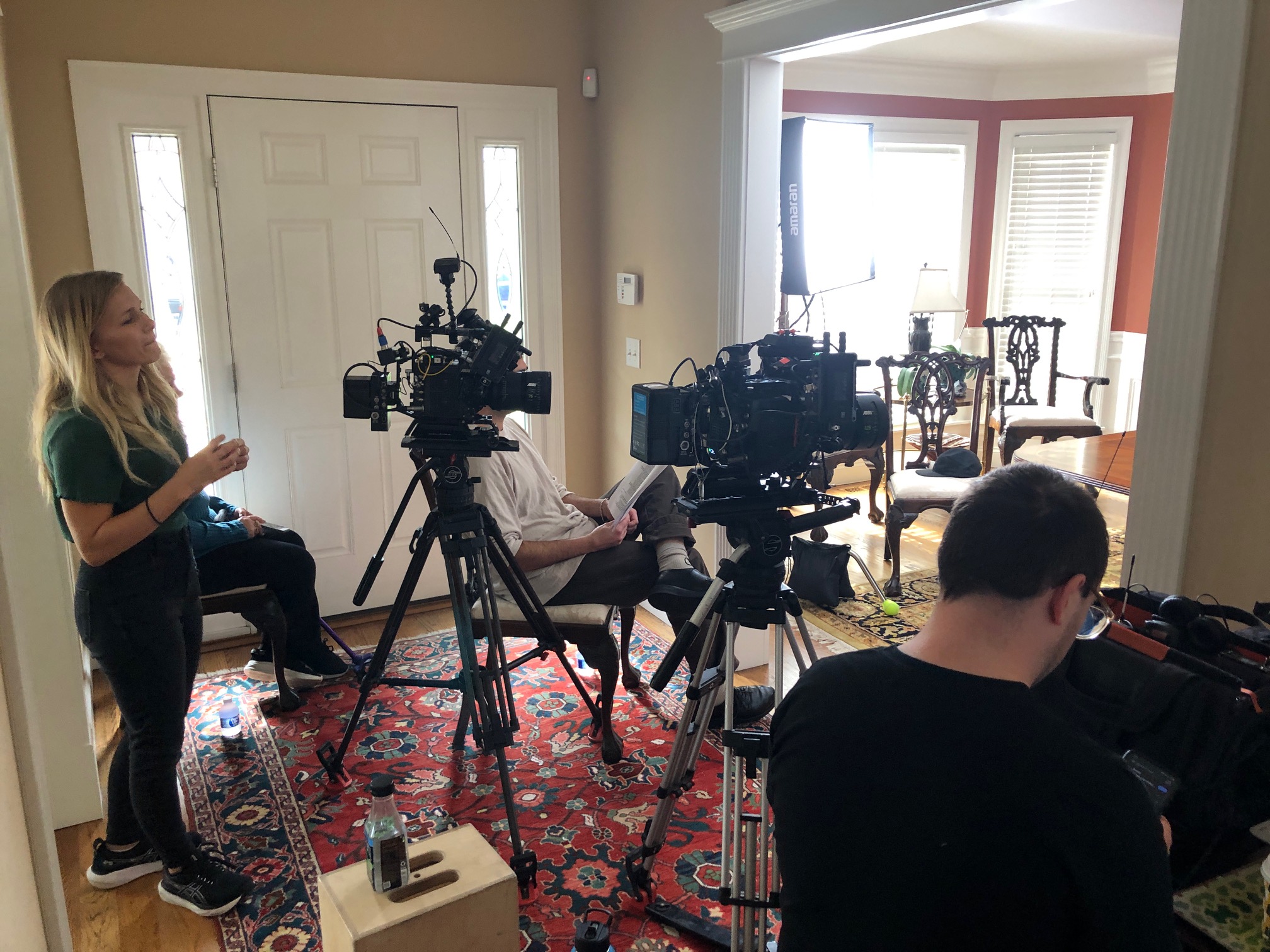
The good news: with a focused approach, the right gear, and an experienced team, you can achieve polished, professional interview videos with just a small crew. At St Louis Commercial Video, we specialize in helping businesses do just that—without compromising quality, storytelling, or branding.


1. Plan Like a Larger Production

Even with a small crew, pre-production is non-negotiable. Clear objectives, story structure, interview questions, and production logistics should all be mapped out in advance. A shot list, lighting plan, and location scouting help ensure that once the camera rolls, every detail supports the story.

Small crew or not, professionalism begins long before the shoot day.

2. Leverage the Power of Dual Roles

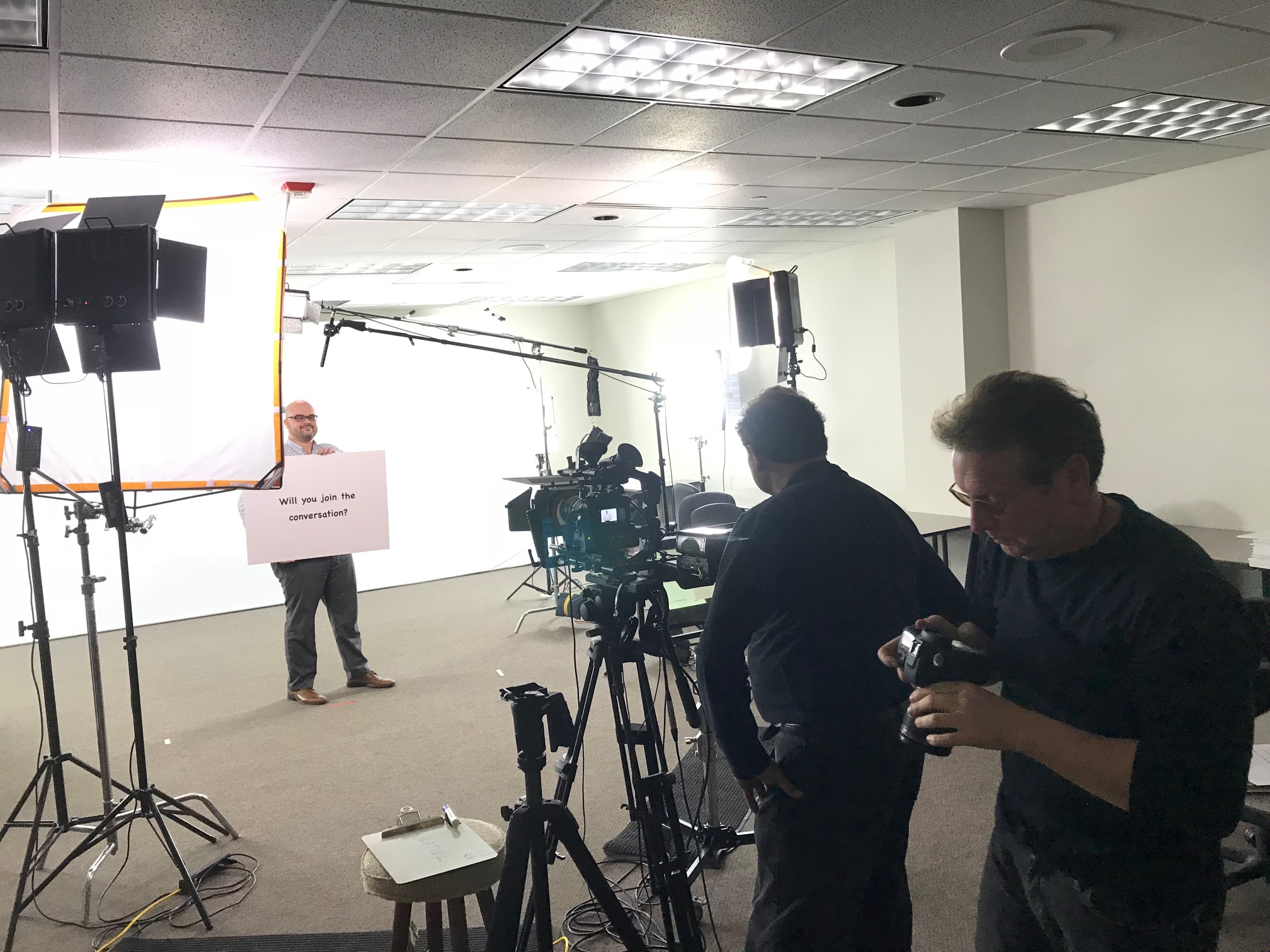
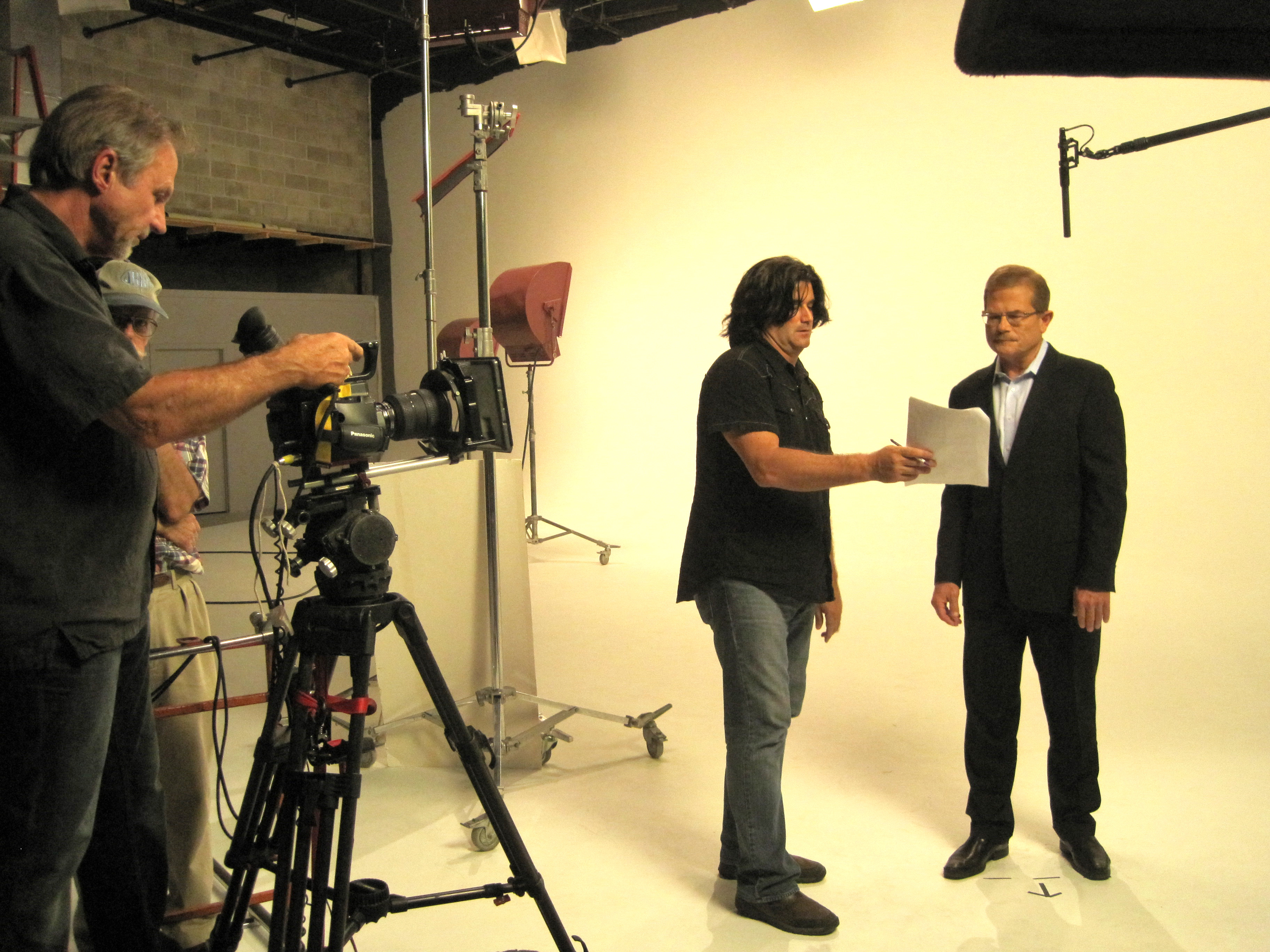
An experienced crew member can often serve multiple functions. For example, a seasoned director of photography (DP) may also manage lighting, while a producer might double as the interviewer and script supervisor. At St Louis Commercial Video, our professionals are cross-trained, enabling us to streamline setups and minimize personnel without sacrificing precision.


3. Optimize Lighting for Your Space

Lighting can make or break an interview. With a small crew, we rely on compact, high-output LED lights that are easy to move and adjust. We often use soft key lights paired with practical background lights for a cinematic look that flatters the subject and elevates the scene.

Our studio’s private lighting setup is optimized for fast, consistent lighting that minimizes setup time and maximizes visual impact—ideal for tight shoot schedules.


4. Sound Is Half the Story

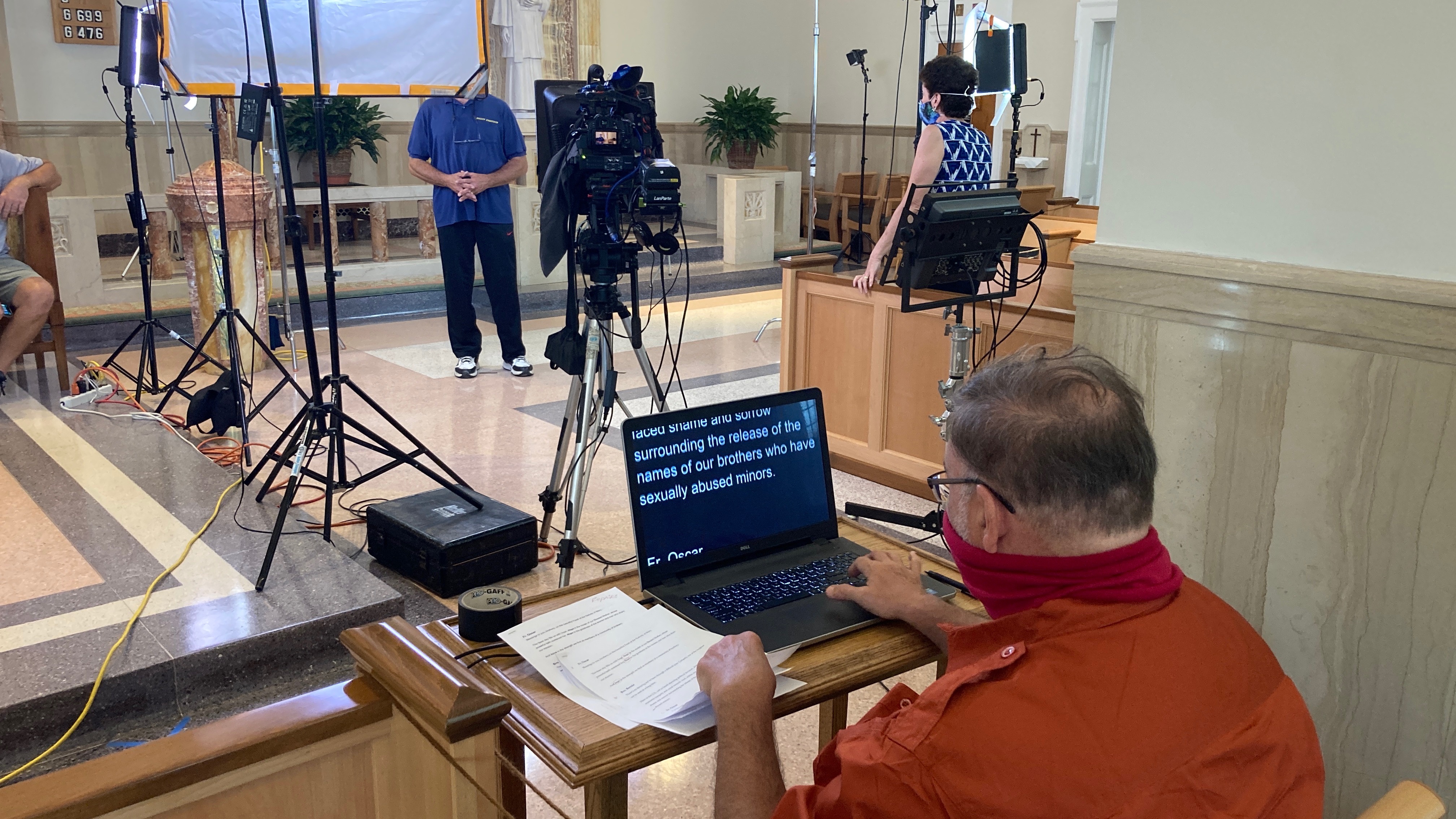
Audio is often overlooked in small-crew productions, but it’s critical to get it right. A shotgun mic on a boom pole or a lavalier mic clipped to the subject can deliver professional-grade sound when properly monitored. Our crews use discreet wireless lav systems with backup recorders—because there’s no reshoot for bad audio.


5. Keep the Camera Setup Nimble

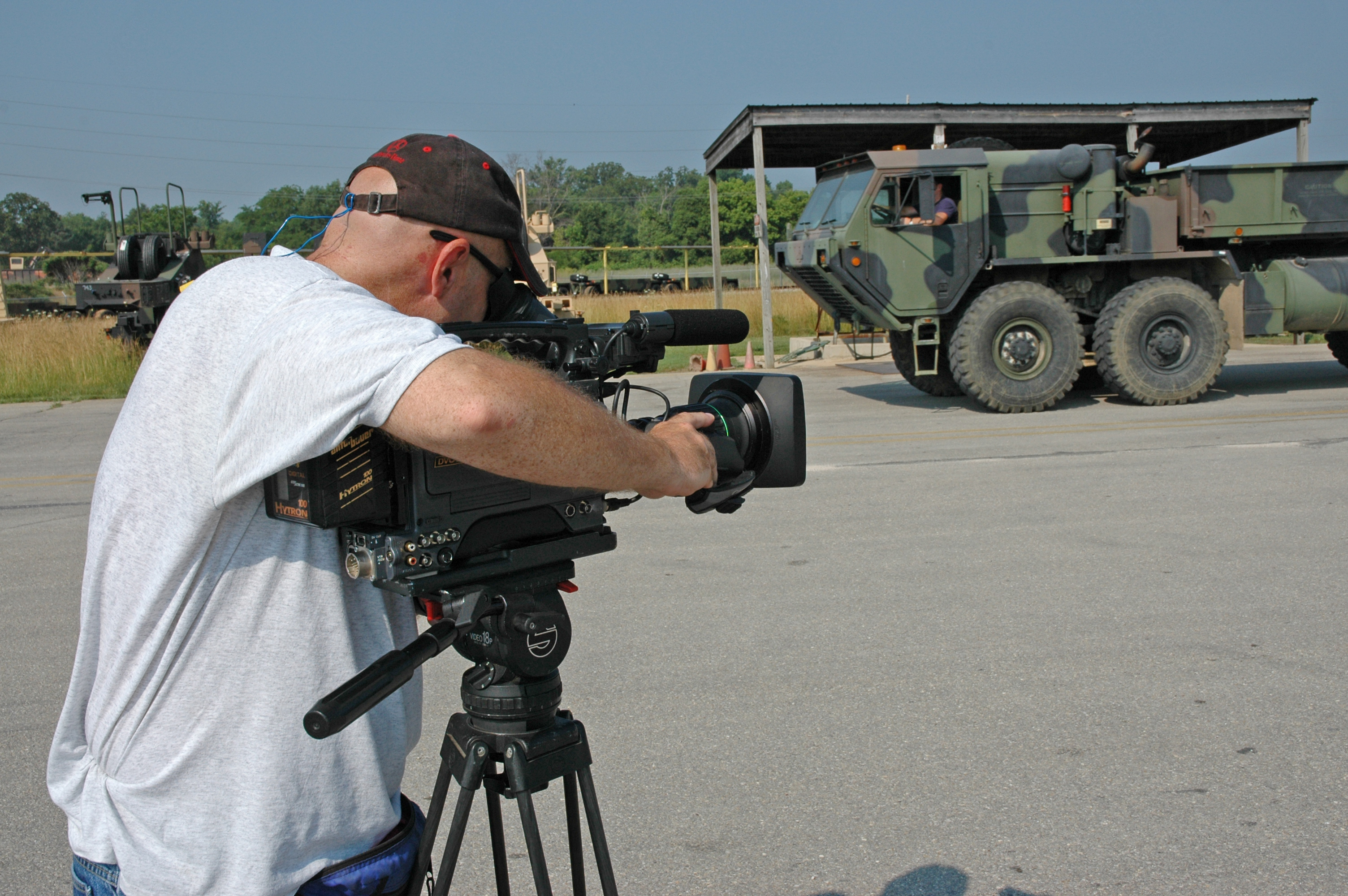
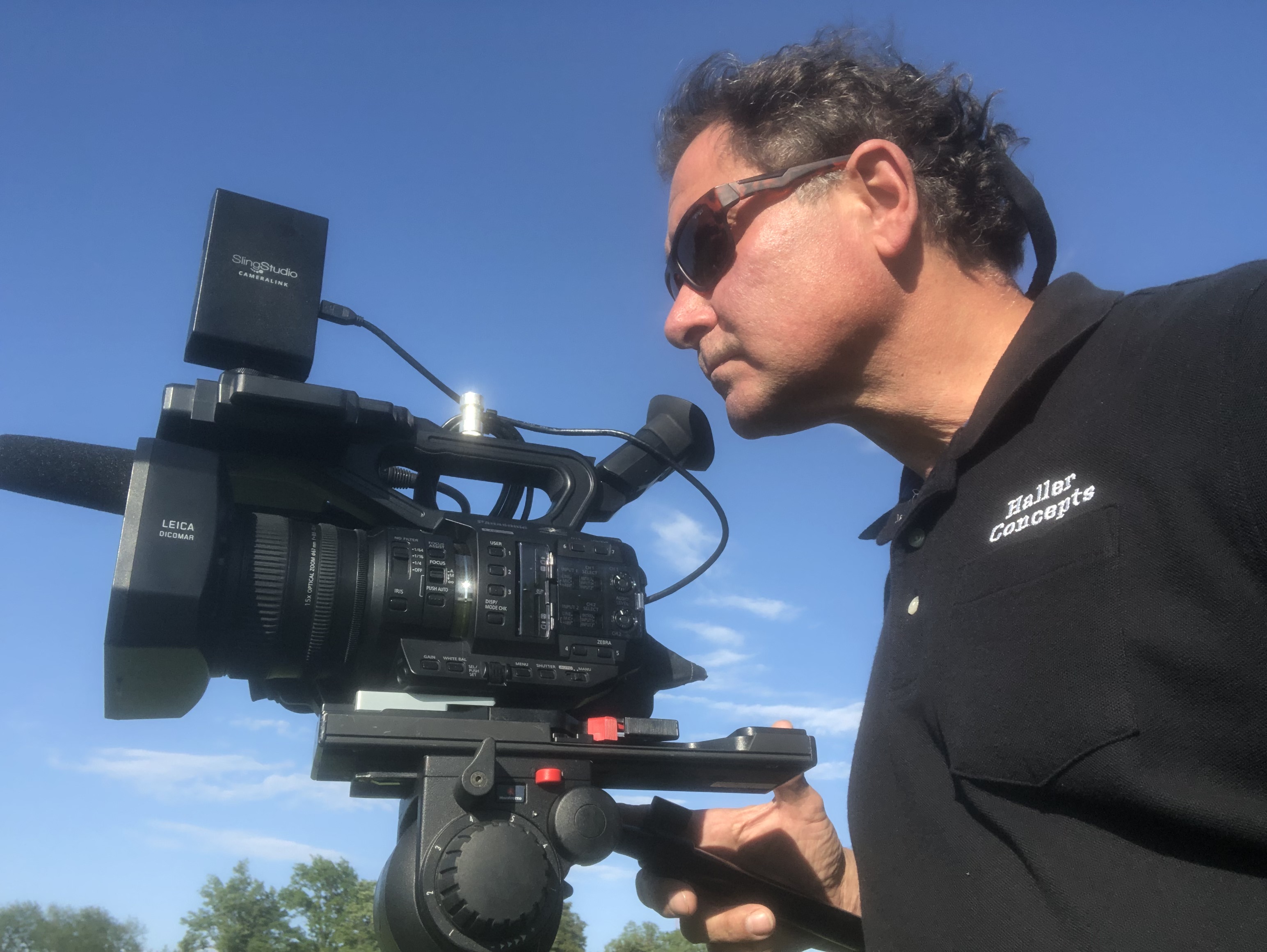
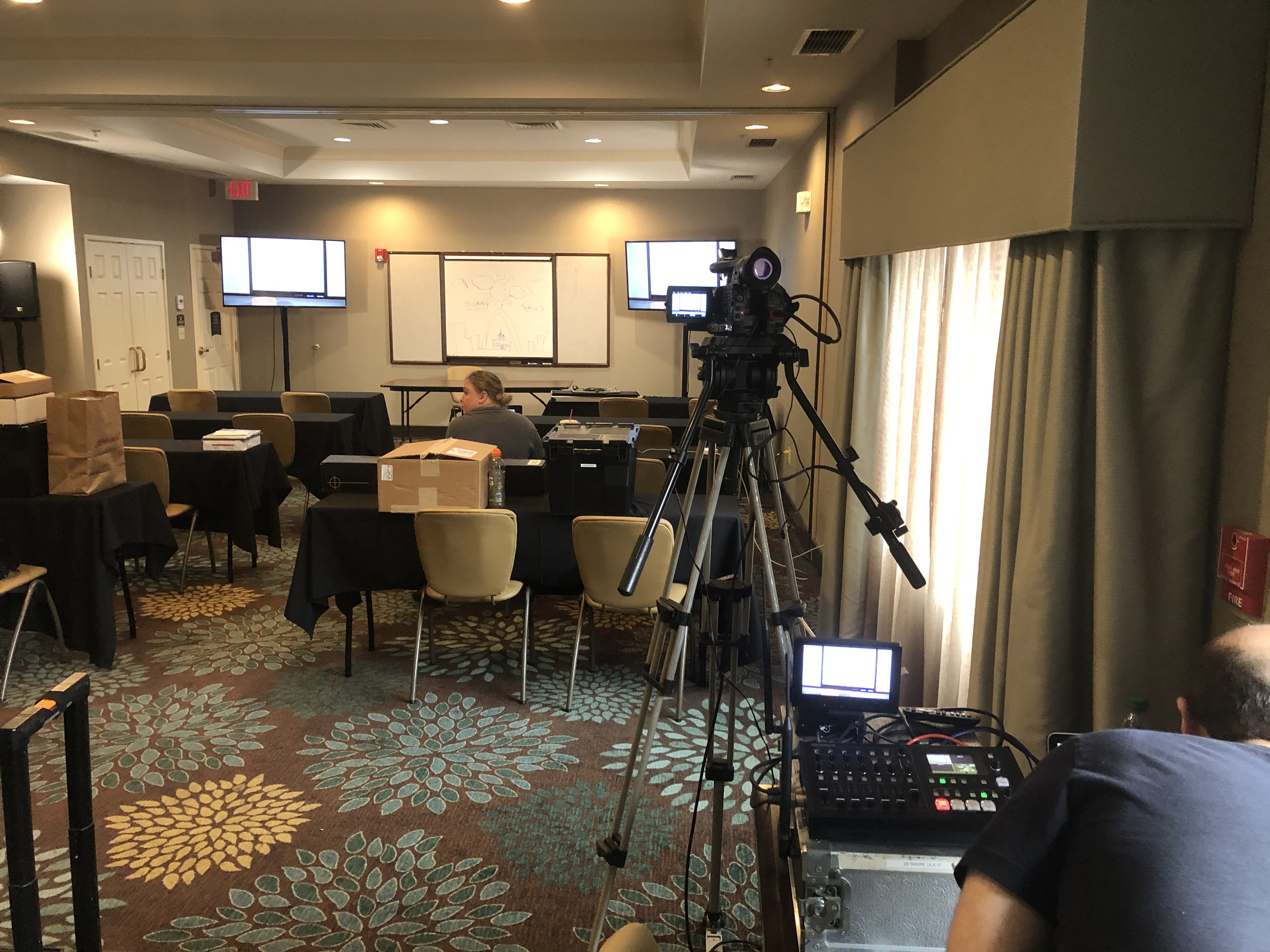
We favor a single camera on a tripod with a prime or zoom lens for tight, focused interview shots. A second camera (if needed) can be locked off for B-roll angles, but even a one-camera shoot can look dynamic with thoughtful composition and subject engagement.

Our small-crew interview packages include professional 4K camera bodies and stabilized lenses, ensuring broadcast-quality footage even in lean setups.


6. Focus on the Subject’s Comfort

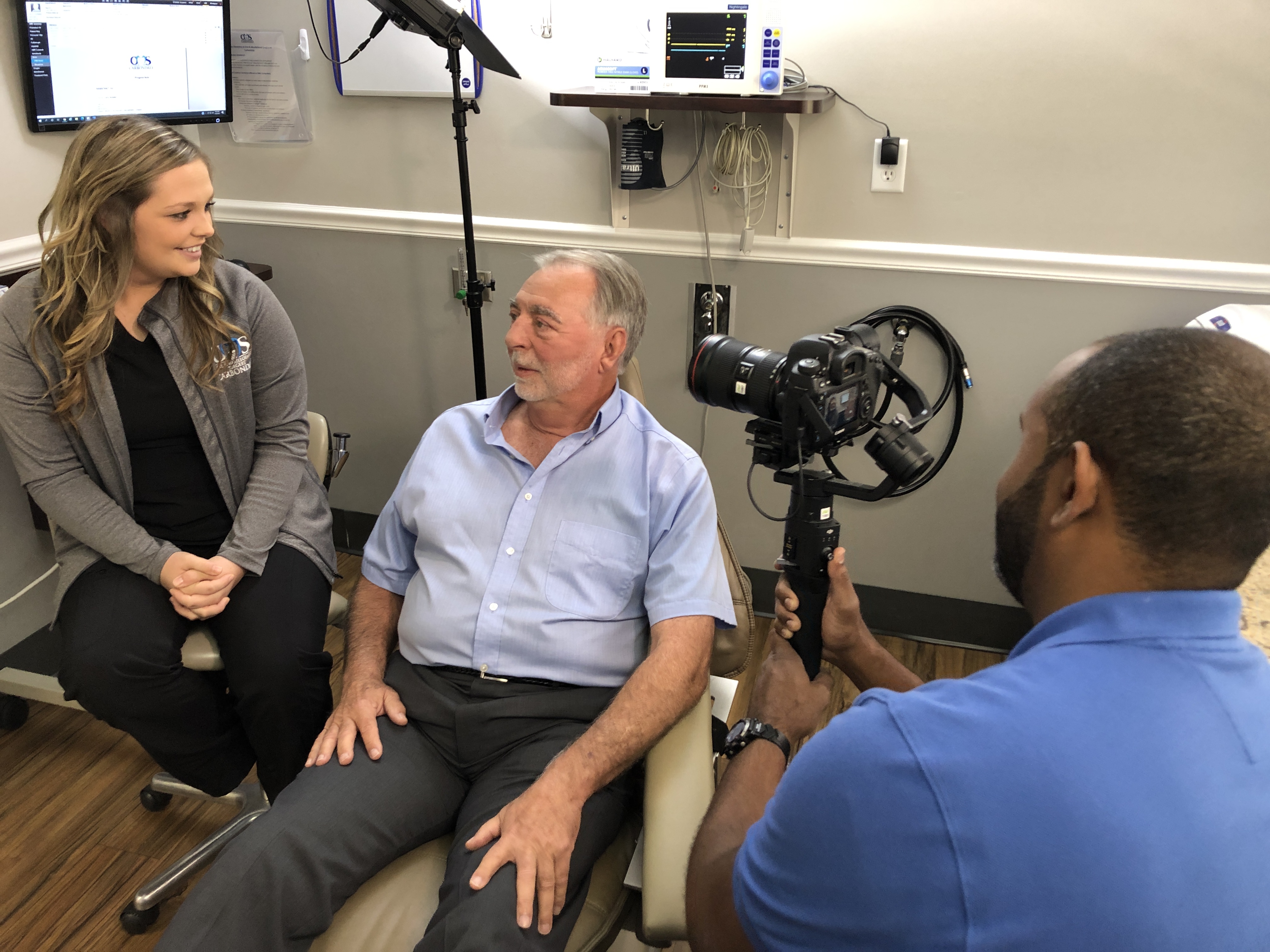
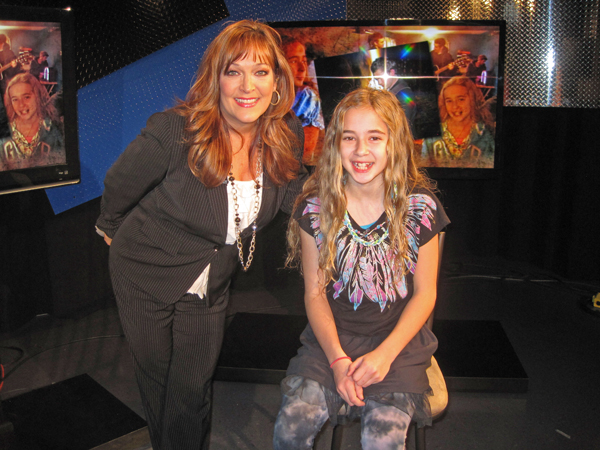
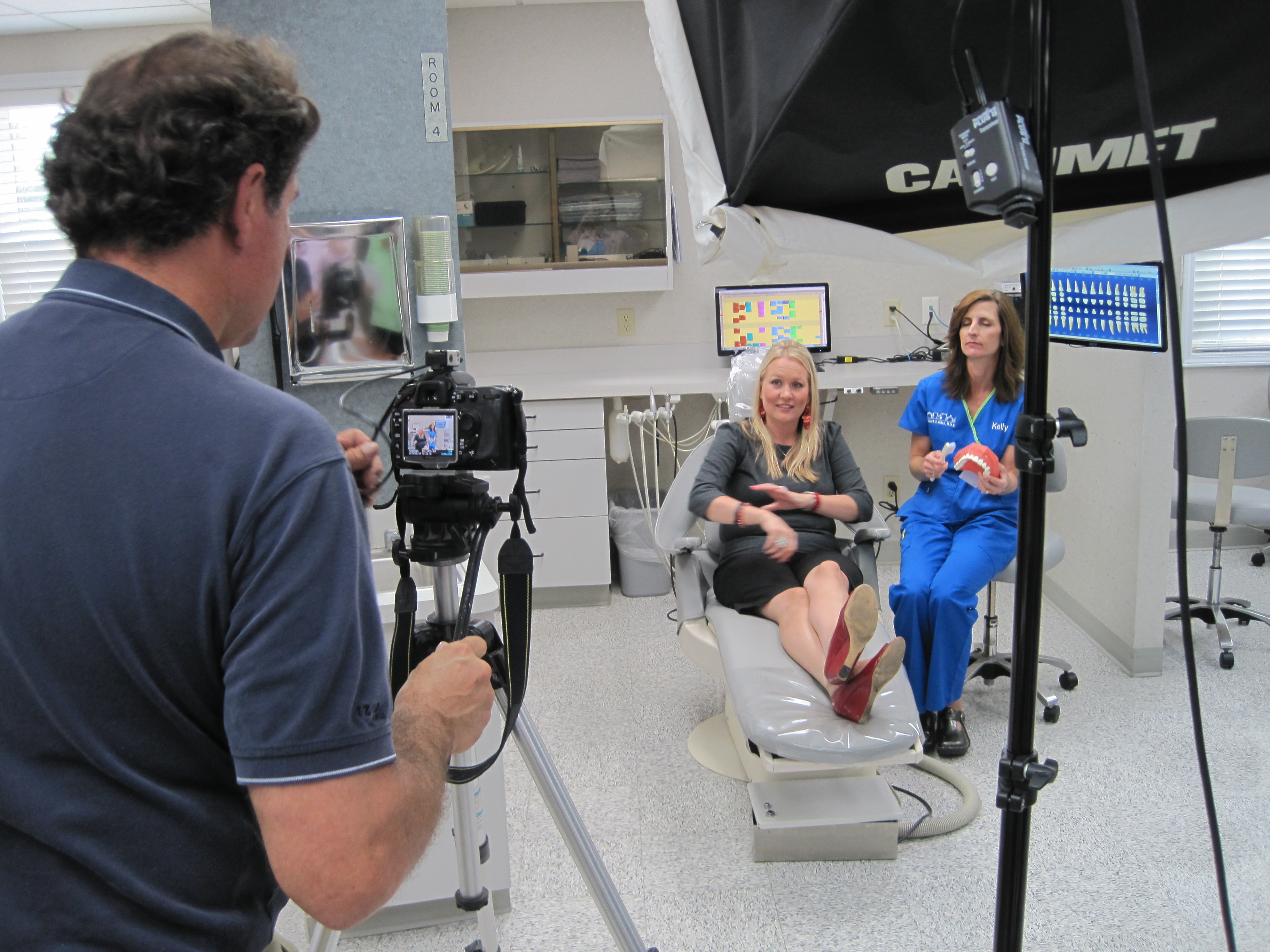
Small crews are less intimidating—an advantage when working with interviewees who may be camera-shy. With fewer distractions on set, our crew builds rapport quickly, guiding the subject with confidence and helping them deliver natural, authentic responses.

We often customize interview studios or adapt client office spaces to feel warm, safe, and camera-ready—our job is to make your speaker shine.


7. Edit Smart, Repurpose Often

After the shoot, the real value comes from skilled editing. A single interview can generate multiple deliverables: short social clips, long-form thought leadership pieces, or even quote graphics. With a small crew and a strategic mindset, you’re not just capturing content—you’re creating a content engine.

At St Louis Commercial Video, we routinely repurpose client interviews across platforms, using AI-enhanced tools for editing, transcription, and formatting for various aspect ratios.


Experience That Scales With Your Needs

Since 1982, St Louis Commercial Video has worked with marketing teams, businesses, and creative agencies throughout the St. Louis area to deliver professional photography and video productions tailored to each client’s needs.

We are a full-service commercial photography and video production company offering studio and on-location services, editing, post-production, and licensed drone pilots. Our creative teams use the latest AI-enhanced tools, and we are deeply experienced in repurposing photography and video branding to maximize return on your media investment.

Whether you need to capture a CEO message, film a customer testimonial, or create branded thought leadership content, our small-crew interview setups deliver big impact. From lighting and custom studio setups to camera operators and post-production expertise—we make your next shoot seamless, professional, and scalable.

Ready to tell your story?
Let St Louis Commercial Video bring your interviews to life—with the right crew, the right gear, and the experience to make it effortless.

Mike Haller 314-913-5626 stlouiscommercialvideo@gmail.com

Private Studio 4501 Mattis Road St. Louis, MO 63128

Organizing Your Video Crew for Aerial and Ground Shooting: A Strategic Guide for Professional Productions

In today’s multimedia-driven landscape, combining aerial and ground footage is no longer just a luxury—it’s a standard for delivering impactful, cinematic-quality video content. Whether you’re capturing a sweeping aerial view of a corporate facility or tightly framed ground-level interviews, organizing your crew efficiently is critical to maximizing production value and staying on schedule.

At St Louis Commercial Video, we’ve spent decades perfecting the craft of integrating drone and ground videography into cohesive, high-performance productions for businesses, marketing firms, and creative agencies. Below, we share insights into how to properly plan and organize your team for a seamless and professional shoot that blends these two vital perspectives.


1. Pre-Production Planning: Define Goals and Logistics Early

A successful aerial and ground production begins well before the cameras roll. Start by identifying the key deliverables—are you showcasing a large-scale construction project, capturing branded lifestyle content, or conducting interview segments with environmental B-roll?

Early in the planning phase:

  • Define which elements will be shot from the air vs. the ground.
  • Conduct a location scout to assess FAA compliance, line-of-sight concerns, and sun paths.
  • Build a shot list that outlines timing, equipment, and camera crew responsibilities.
  • Coordinate timing between drone flight windows and ground scenes to avoid unnecessary downtime or overlap.

2. Crew Roles: Who Does What, When, and Where

It’s essential to have a clearly defined crew structure, especially when coordinating ground and aerial units simultaneously. A typical setup may include:

  • Director of Photography (DP): Oversees the overall look, lighting, and shot continuity across ground and drone work.
  • Camera Operators (Ground): Capture stabilized movement, interview setups, or motion-controlled sequences.
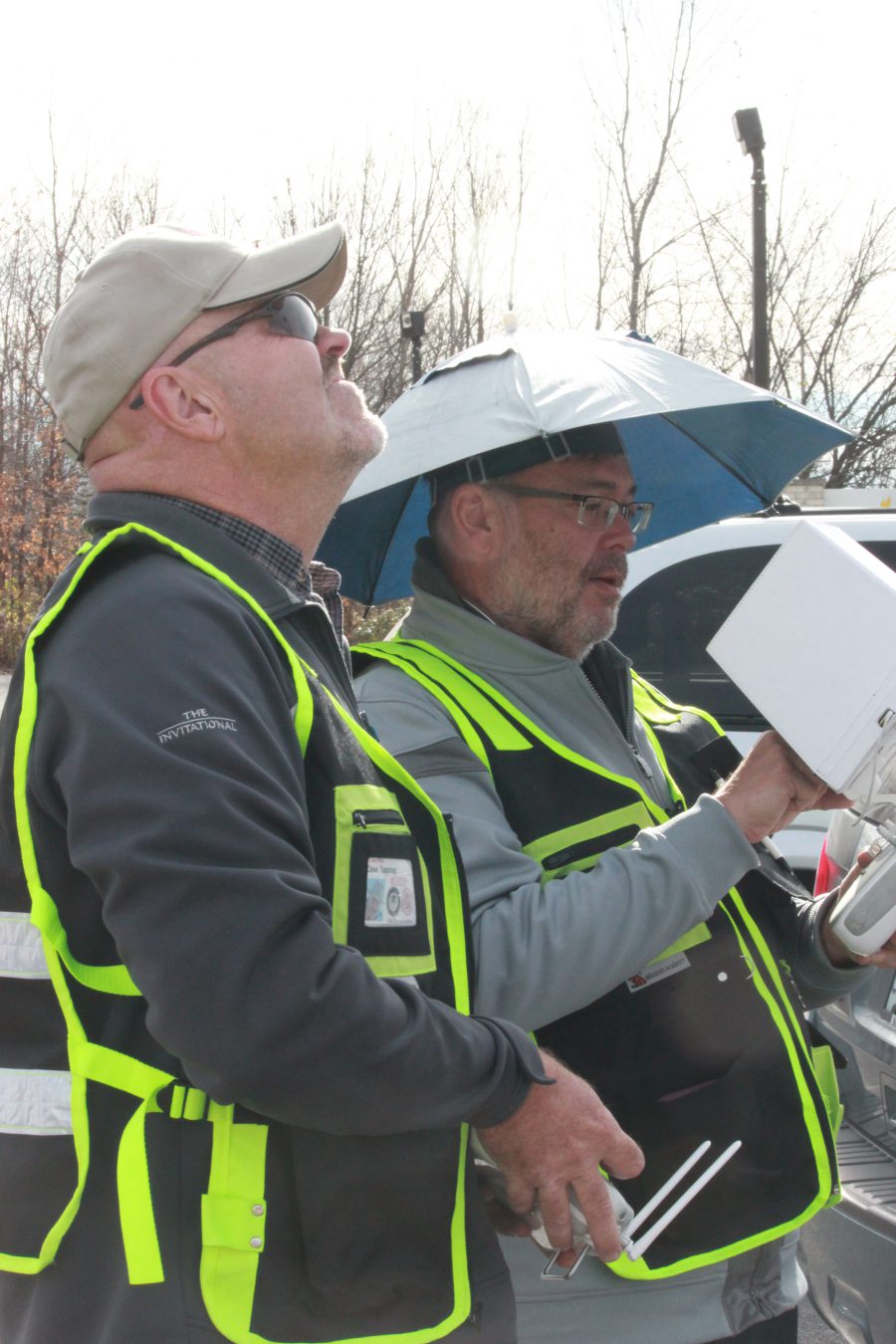
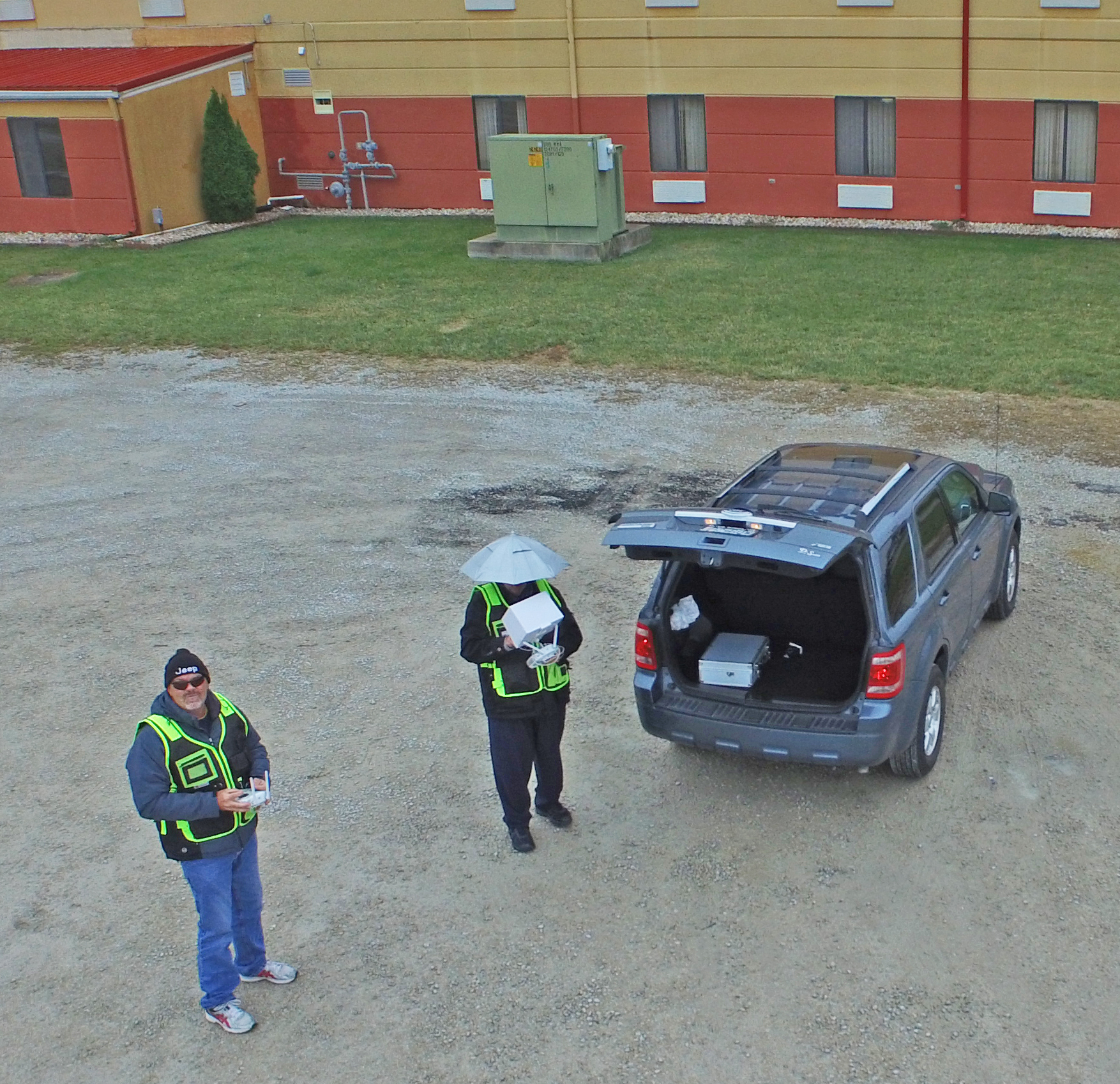
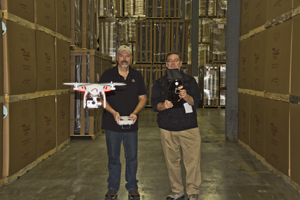
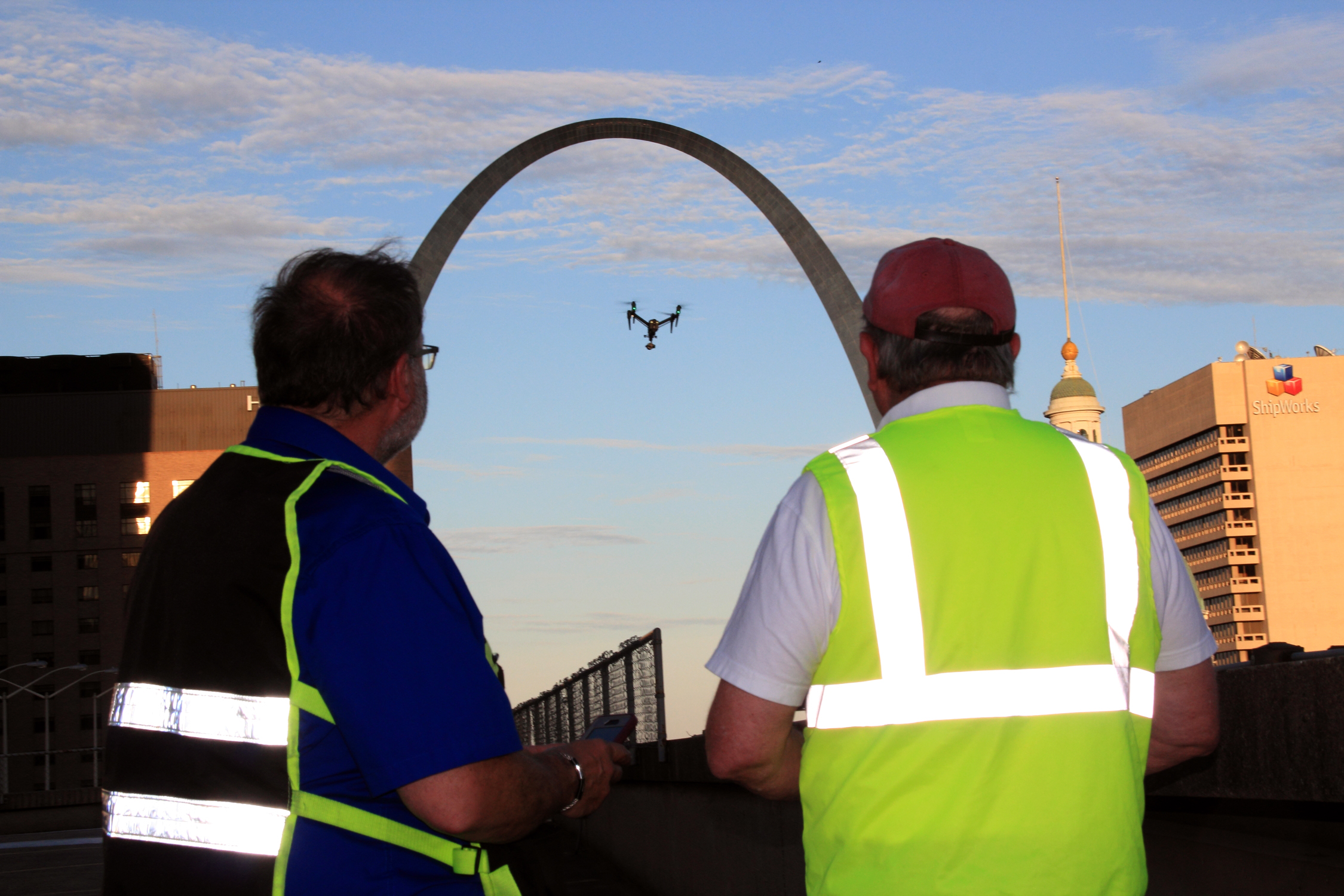
  • Drone Pilot & Visual Observer: Licensed and insured professionals responsible for executing flight paths safely and in compliance with regulations.
  • Grip and Gaffer Team: Set up lighting, flags, reflectors, and secure equipment both indoors and out.
  • Production Assistant (PA): Manages talent, maintains timing, and supports quick transitions between aerial and ground setups.

Communication is key—radios or synced production apps can ensure real-time updates between ground and aerial crews.


3. Synchronizing Aerial and Ground Shots for Story Continuity

Combining aerial and ground perspectives enhances storytelling, but only if the footage feels unified. Ensure:

  • Color profiles and camera settings match across all devices (LOG formats, frame rates, white balance).
  • Visual transitions—such as dolly shots that lead into drone lifts or flyovers that reveal a ground-level subject—are planned in advance.
  • Use establishing aerial shots to open scenes and contextualize the ground footage that follows.

4. Technical Considerations for Mixed-Environments

Shooting indoors and outdoors in the same day requires adaptable gear and planning:

  • Use drones with propeller guards and precise stabilization for indoor flight, such as in factories, warehouses, or convention centers.
  • Prep ground cameras with ND filters and variable light setups for changing conditions.
  • Always have backup media, batteries, and a clean power source—especially when working in remote locations.

If weather becomes a factor, have an indoor shooting contingency plan ready, particularly for critical interviews or product showcases.


5. Post-Production: Editing for Maximum Impact

Once your footage is captured, the post-production process is where your ground and aerial content is integrated into a polished final product. Key tips:

  • Use motion graphics to bridge ground and aerial segments.
  • Leverage AI-assisted editing tools for color grading, stabilization, and object tracking across both types of footage.
  • Add voiceovers or ambient soundbeds to keep transitions smooth and cohesive.

Trust St Louis Commercial Video for Complete Production Solutions

At St Louis Commercial Video, we specialize in seamlessly blending ground and aerial video to deliver cinematic, brand-elevating results. As a full-service professional commercial photography and video production company, we’ve been trusted since 1982 by businesses, marketing firms, and creative agencies across the St. Louis region.

We offer:

  • Studio and on-location production with expert camera crews and operators.
  • Licensed drone pilots for high-end aerial imaging, including the ability to fly specialized drones indoors.
  • Editing and post-production using the latest in AI-enhanced tools.
  • A fully equipped private studio for controlled lighting and set design—perfect for small productions or interview scenes.

Our team understands how to repurpose your photography and video branding for ongoing marketing impact, and we’re fluent in all file types, platforms, and delivery formats to meet your unique media needs.

Let us help you organize your next shoot—from sky to studio—with the confidence and creativity your brand deserves.


Ready to elevate your visuals with a production partner that understands every angle—ground to air?
Contact St Louis Commercial Video today.

Mike Haller 314-913-5626 stlouiscommercialvideo@gmail.com

Private Studio 4501 Mattis Road St. Louis, MO 63128
Easy Steps to Plan Your Training Video Production

Creating a training video can be a powerful way to communicate valuable information to your employees, clients, or customers. Whether you’re showcasing a new process, demonstrating a product, or explaining your company’s values, a training video offers a clear, engaging way to convey complex ideas. However, creating an effective training video requires careful planning, coordination, and the right team to ensure the message is communicated clearly and effectively.

Whether you’re shooting in a studio or on-location, the environment should complement the content.

In this article, we’ll walk you through the essential steps to planning a successful training video production. These steps will guide you from pre-production through to post-production, ensuring your video achieves its objectives.

1. Define the Goal and Audience

The first step in any video production is to define the purpose of the video and the audience you want to reach. Is the training video meant to onboard new employees? Educate customers on how to use a product? The more specific you are about the goal, the better the outcome will be.

Understanding your audience is equally important. What’s their level of knowledge about the subject? Are they looking for a deep dive into a topic or just a quick overview? Tailoring your content to the audience ensures the video is relevant and impactful.

2. Create a Script or Outline

Once you know your objective and audience, the next step is to create a script or outline. This is a crucial stage where the structure and flow of the video are established.

For a training video, the script should cover all the key points that need to be communicated. Be sure to break it down into sections, with each part clearly outlining what’s going to be covered. This makes the video easier to digest for the audience. The script should also incorporate any visual or graphic elements you want to include, such as on-screen text, animations, or diagrams.

3. Choose the Right Location and Equipment

Choosing the right location is vital for setting the tone and ensuring high production value. Whether you’re shooting in a studio or on-location, the environment should complement the content. The setting should be clean, uncluttered, and conducive to clear communication.

At St. Louis Commercial Video, we offer a private studio with lighting and visual setups perfect for small productions and interview scenes. Our large studio can even accommodate props to round out your set and help create an immersive learning environment. For on-location shoots, we have extensive experience working in a wide variety of settings, including offices, factories, and more.

In addition to location, having the right equipment is key to producing high-quality training videos. This includes cameras, lighting, sound equipment, and editing software. Our team at St. Louis Commercial Video is equipped with the latest tools to ensure your training video looks professional and polished. We can also fly specialized drones indoors for dynamic aerial shots.

4. Pre-Production Planning

Pre-production is where you plan all the details for your video shoot. This includes securing the necessary permits, scheduling crew members, and organizing the props, costumes, and any additional materials needed for the production. You’ll also want to create a shooting schedule that outlines what shots will be captured and in what order.

A solid pre-production plan will save time on the day of the shoot and ensure everything goes smoothly. Make sure to communicate clearly with your team about their roles, expectations, and timelines.

5. Filming the Training Video

The filming stage is where everything comes together. The director, camera operators, sound engineers, and other crew members will collaborate to capture the footage according to the plan.

At St. Louis Commercial Video, we provide sound and camera operators, as well as the equipment necessary for a successful shoot. Whether it’s a simple interview or a complex multi-location production, we have the experience and resources to handle it all.

6. Editing and Post-Production

Once filming is complete, the editing process begins. This is where the raw footage is turned into a cohesive video. Editing involves cutting unnecessary footage, adding transitions, inserting graphics or text, and adjusting the sound. This is also the stage where you can integrate any special effects, animations, or on-screen prompts to enhance learning.

Our team at St. Louis Commercial Video is well-versed in all file types and styles of media, ensuring that the final product is compatible with your preferred platform or distribution method. We also specialize in repurposing video and photography content, so you can maximize the value of your training materials across various channels.

7. Review and Final Adjustments

Before delivering the final training video, it’s important to review the video to ensure it meets the objectives and resonates with the audience. Get feedback from key stakeholders and make any necessary revisions. If your training video includes instructional material, it’s essential to verify that all information is accurate and easy to follow.

8. Distribution and Tracking Effectiveness

Once your video is finalized, it’s time to distribute it to your audience. Depending on your needs, this might involve uploading it to your internal learning management system (LMS), hosting it on a website, or sharing it via email. Consider tracking the effectiveness of your training video by monitoring engagement and feedback.

Why Choose St. Louis Commercial Video?

At St. Louis Commercial Video, we’ve been providing professional photography and video production services since 1982. Our experienced team is dedicated to creating top-quality videos that meet your corporate needs, from training materials to promotional content.

We offer full-service studio and location video and photography, along with editing, post-production, and licensed drone pilots. Our private studio features customizable setups perfect for small productions and interview scenes, and we can even accommodate props to enhance your set. Whether you need a custom interview studio or a full production team, we’ve got you covered. We’re experts in repurposing photography and video branding to help you gain more traction across various platforms.

Let St. Louis Commercial Video be your trusted partner in creating successful training videos that engage and educate your audience. With the right equipment and creative crew, we ensure every production is executed with precision and professionalism. Contact us today to start planning your next video production!

stlouiscommercialvideo@gmail.com

 314-913-5626