Tag Archives: drones

Organizing Your Video Crew for Aerial and Ground Shooting: A Strategic Guide for Professional Productions

In today’s multimedia-driven landscape, combining aerial and ground footage is no longer just a luxury—it’s a standard for delivering impactful, cinematic-quality video content. Whether you’re capturing a sweeping aerial view of a corporate facility or tightly framed ground-level interviews, organizing your crew efficiently is critical to maximizing production value and staying on schedule.

At St Louis Commercial Video, we’ve spent decades perfecting the craft of integrating drone and ground videography into cohesive, high-performance productions for businesses, marketing firms, and creative agencies. Below, we share insights into how to properly plan and organize your team for a seamless and professional shoot that blends these two vital perspectives.


1. Pre-Production Planning: Define Goals and Logistics Early

A successful aerial and ground production begins well before the cameras roll. Start by identifying the key deliverables—are you showcasing a large-scale construction project, capturing branded lifestyle content, or conducting interview segments with environmental B-roll?

Early in the planning phase:

  • Define which elements will be shot from the air vs. the ground.
  • Conduct a location scout to assess FAA compliance, line-of-sight concerns, and sun paths.
  • Build a shot list that outlines timing, equipment, and camera crew responsibilities.
  • Coordinate timing between drone flight windows and ground scenes to avoid unnecessary downtime or overlap.

2. Crew Roles: Who Does What, When, and Where

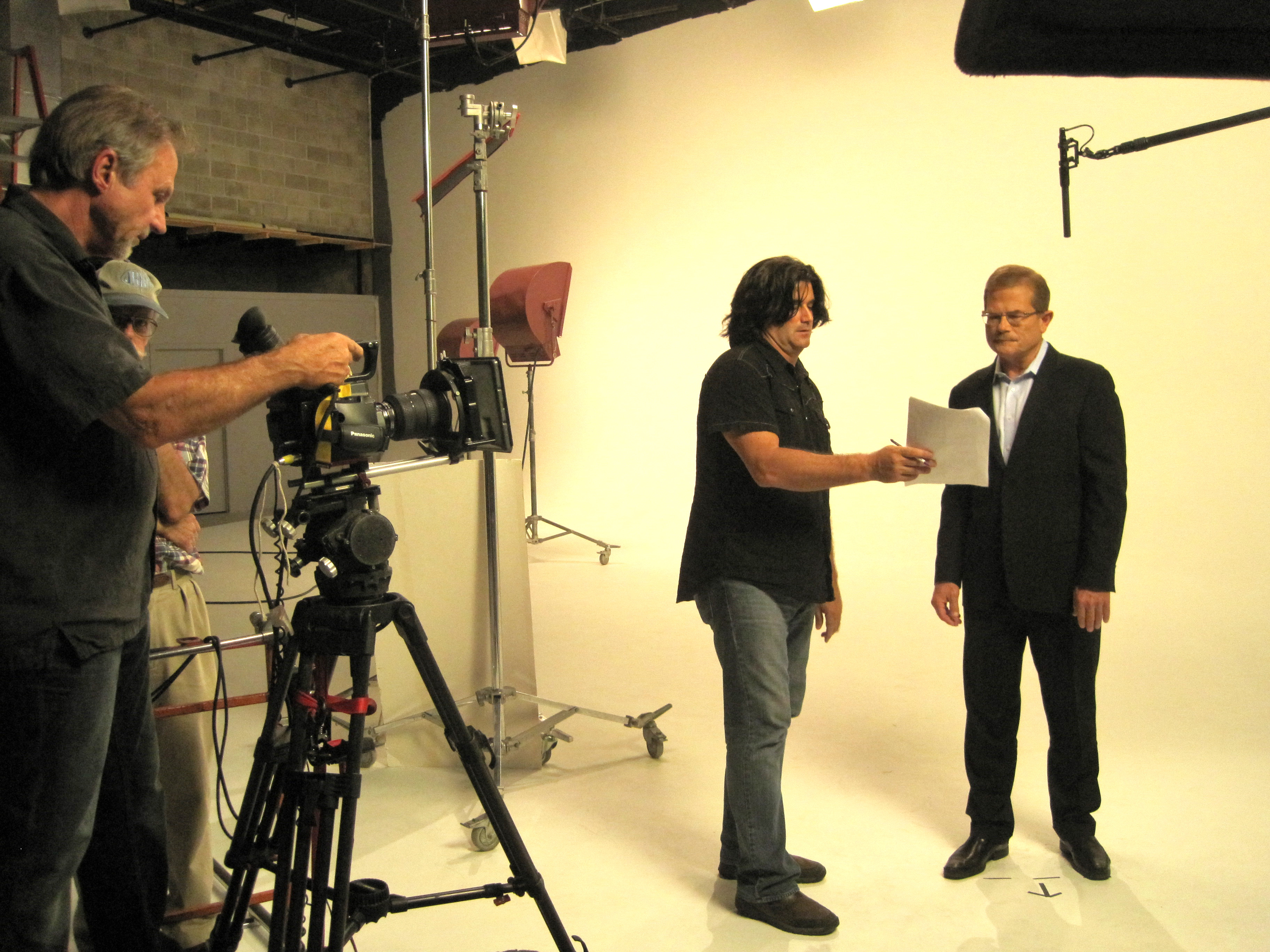
It’s essential to have a clearly defined crew structure, especially when coordinating ground and aerial units simultaneously. A typical setup may include:

  • Director of Photography (DP): Oversees the overall look, lighting, and shot continuity across ground and drone work.
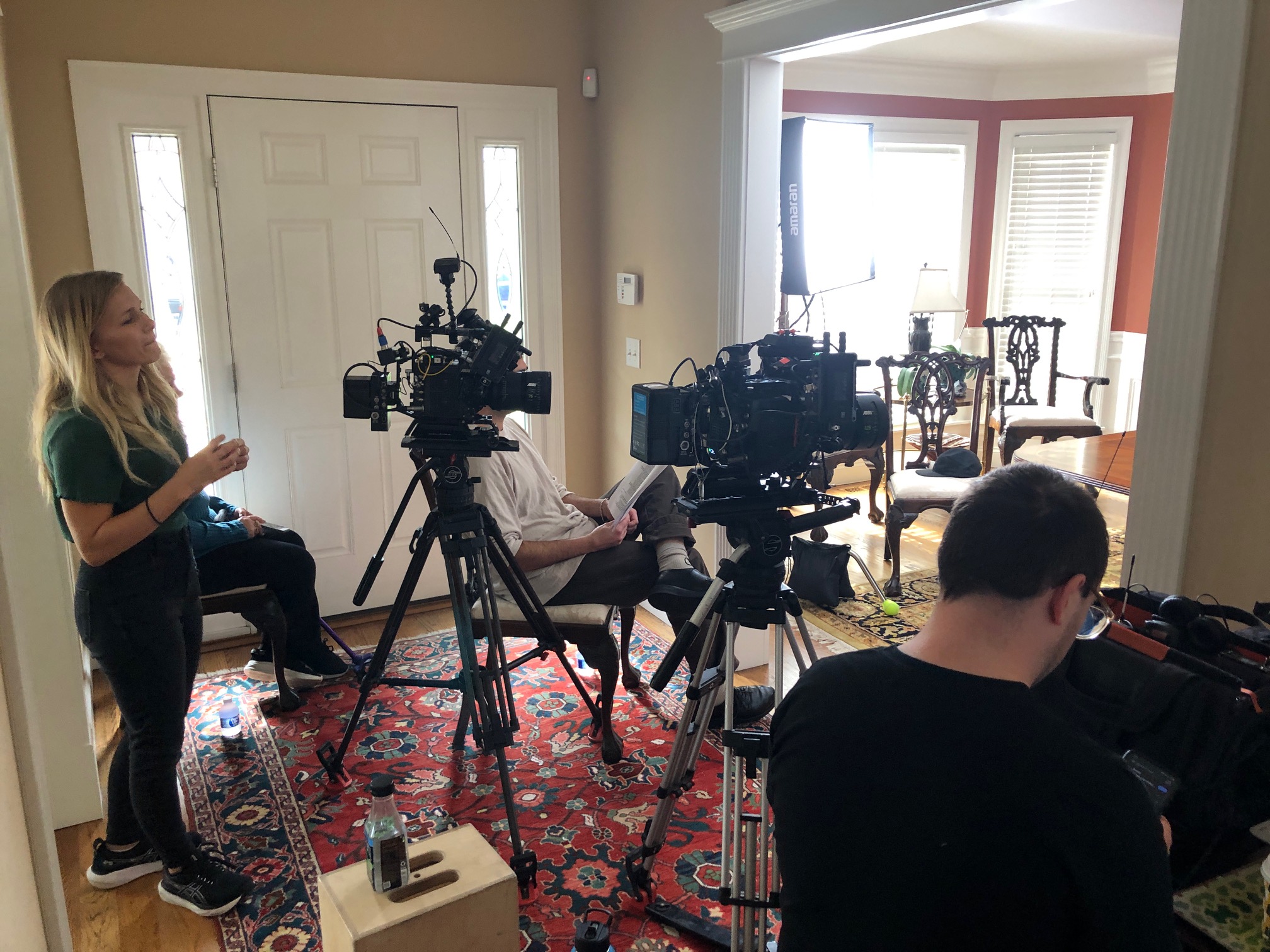
  • Camera Operators (Ground): Capture stabilized movement, interview setups, or motion-controlled sequences.
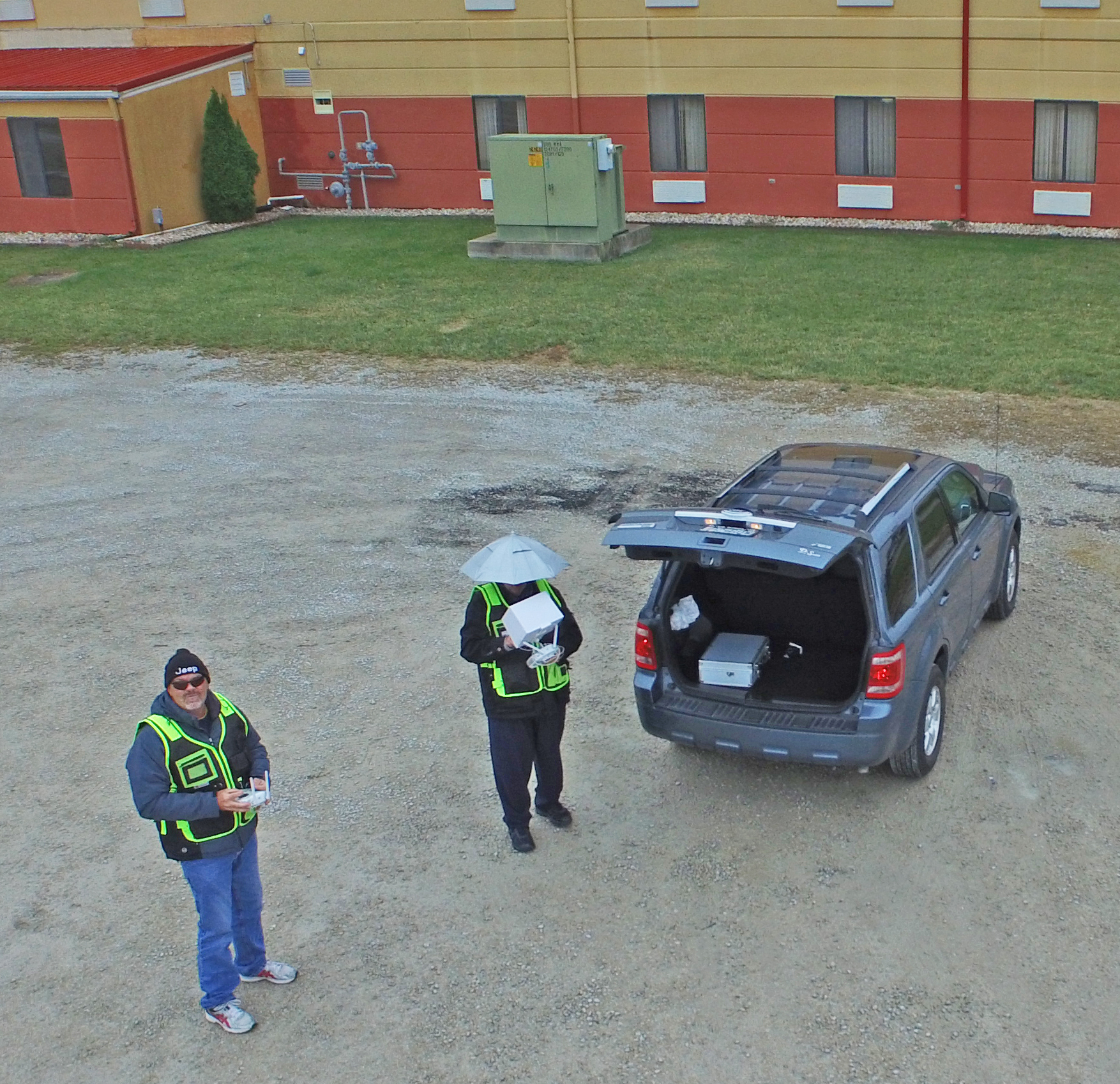
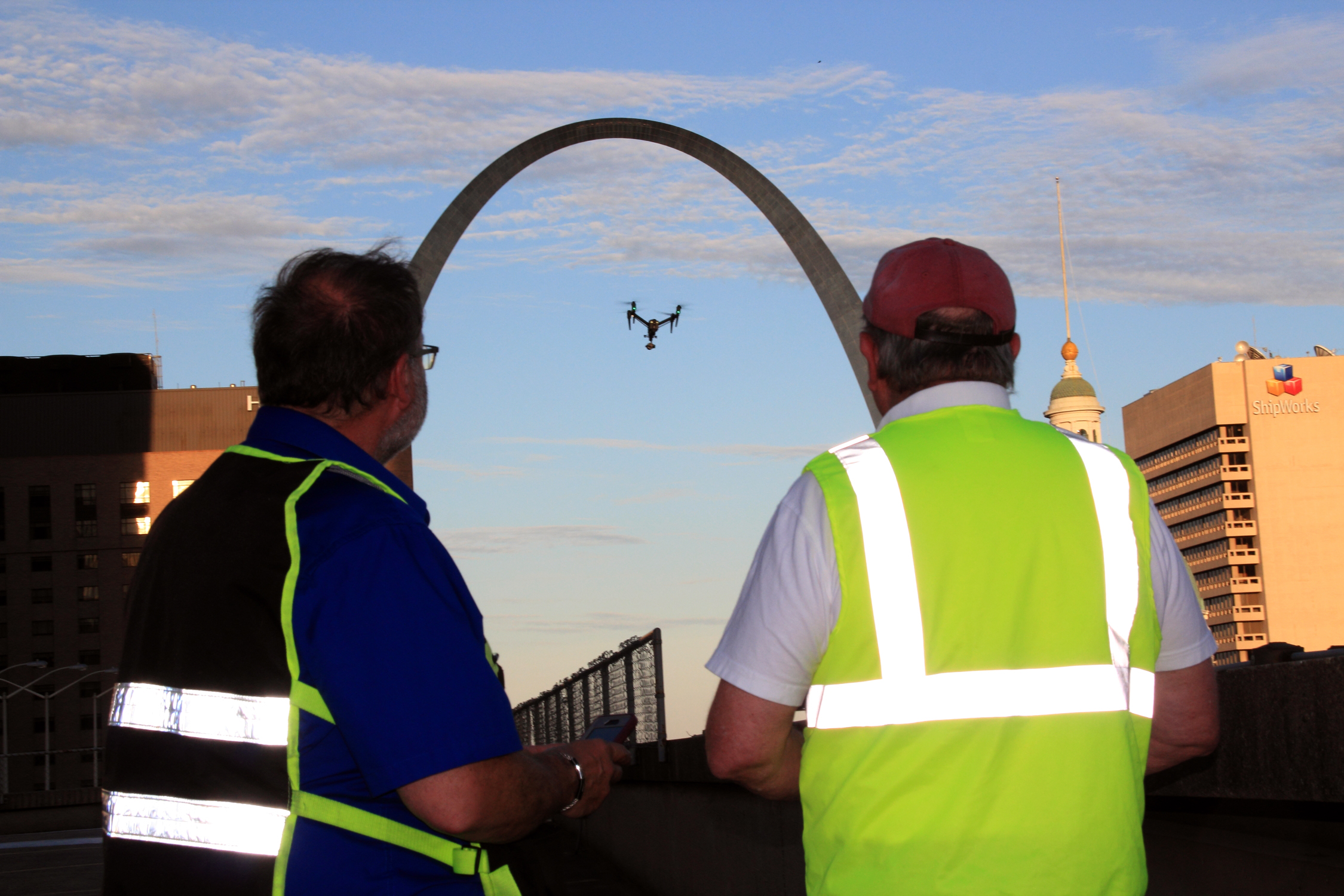
  • Drone Pilot & Visual Observer: Licensed and insured professionals responsible for executing flight paths safely and in compliance with regulations.
  • Grip and Gaffer Team: Set up lighting, flags, reflectors, and secure equipment both indoors and out.
  • Production Assistant (PA): Manages talent, maintains timing, and supports quick transitions between aerial and ground setups.

Communication is key—radios or synced production apps can ensure real-time updates between ground and aerial crews.

3. Synchronizing Aerial and Ground Shots for Story Continuity

Combining aerial and ground perspectives enhances storytelling, but only if the footage feels unified. Ensure:

  • Color profiles and camera settings match across all devices (LOG formats, frame rates, white balance).
  • Visual transitions—such as dolly shots that lead into drone lifts or flyovers that reveal a ground-level subject—are planned in advance.
  • Use establishing aerial shots to open scenes and contextualize the ground footage that follows.

4. Technical Considerations for Mixed-Environments

Shooting indoors and outdoors in the same day requires adaptable gear and planning:

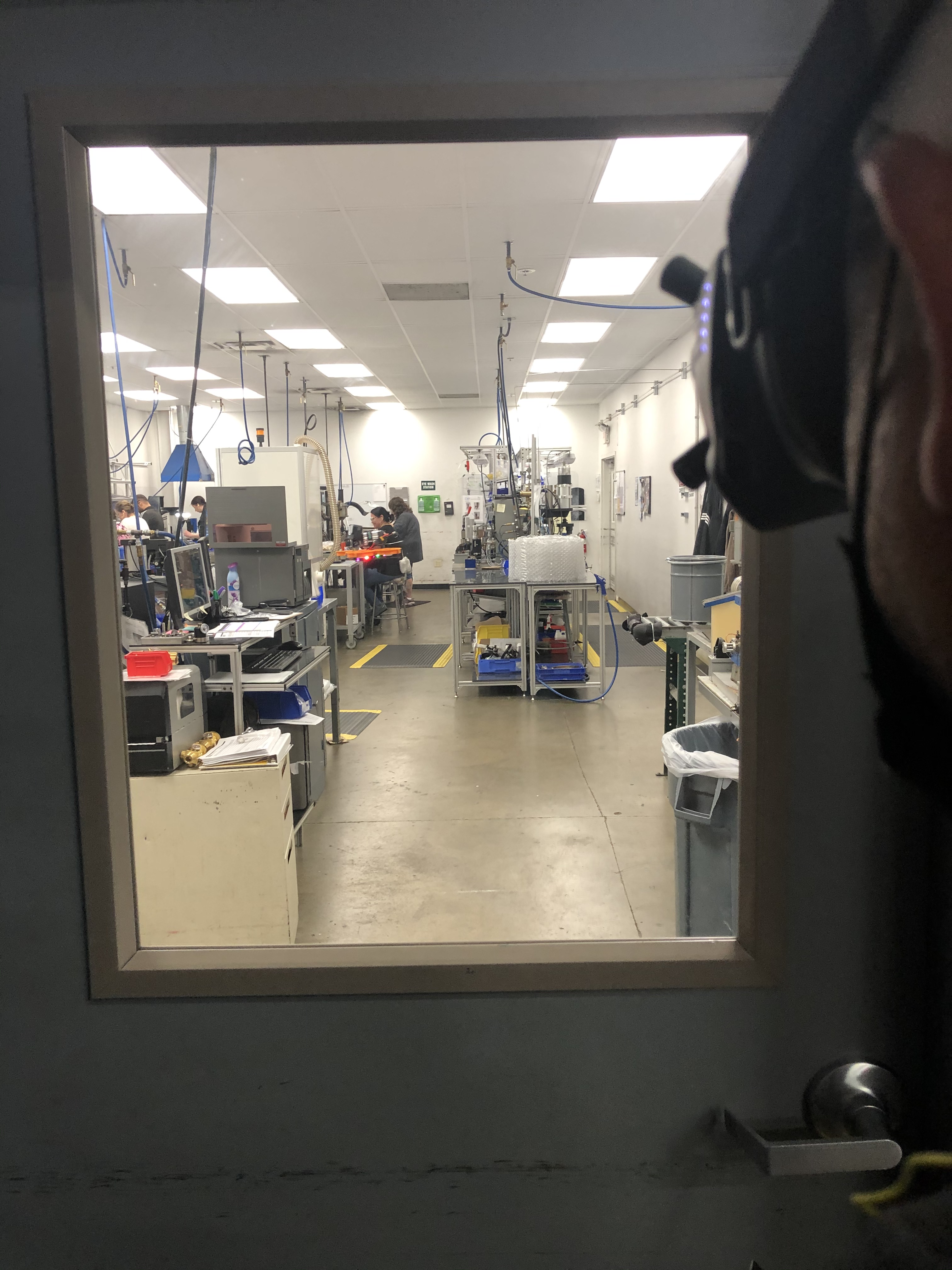
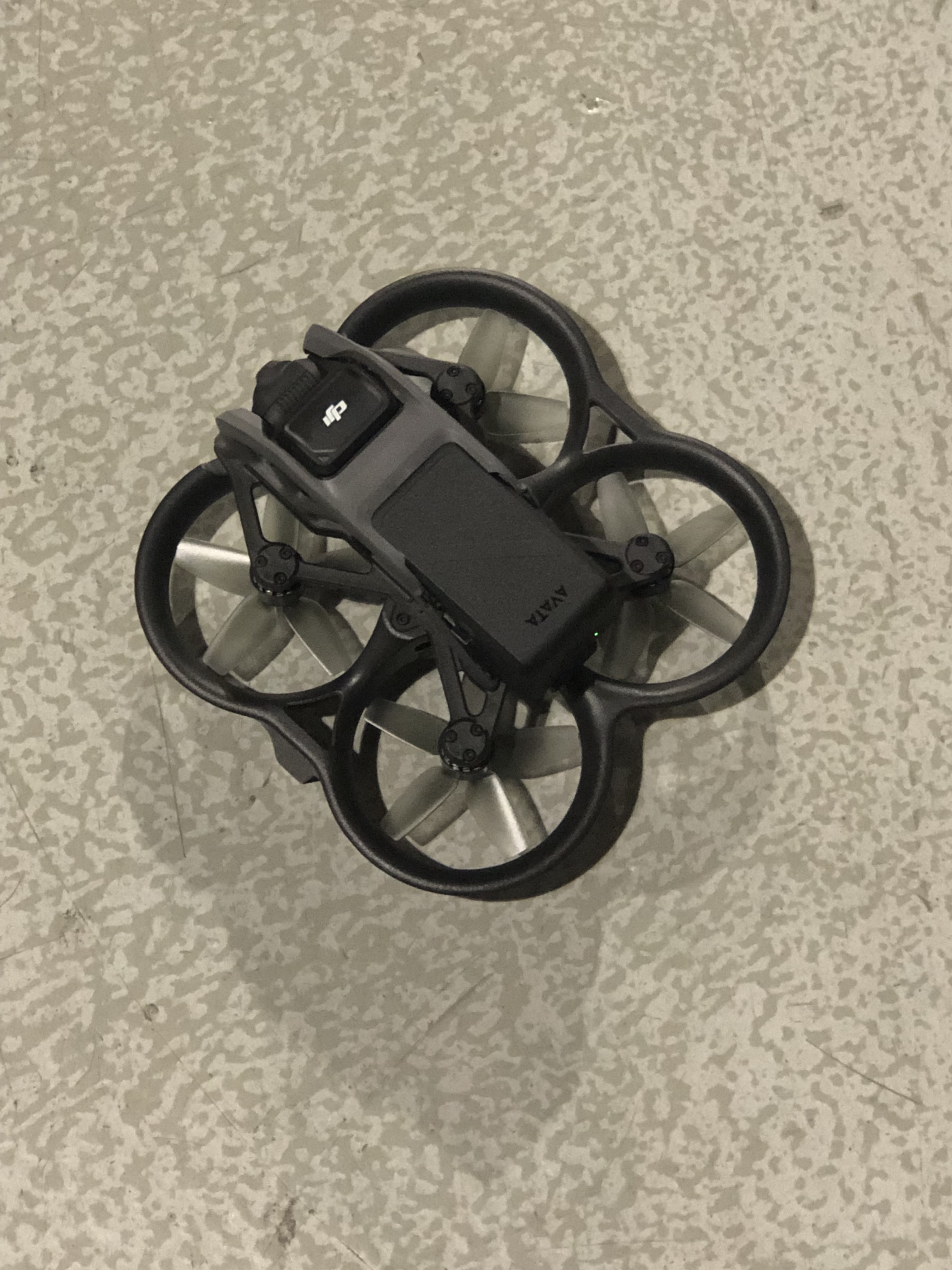
  • Use drones with propeller guards and precise stabilization for indoor flight, such as in factories, warehouses, or convention centers.
  • Prep ground cameras with ND filters and variable light setups for changing conditions.
  • Always have backup media, batteries, and a clean power source—especially when working in remote locations.

If weather becomes a factor, have an indoor shooting contingency plan ready, particularly for critical interviews or product showcases.


5. Post-Production: Editing for Maximum Impact

Once your footage is captured, the post-production process is where your ground and aerial content is integrated into a polished final product. Key tips:

  • Use motion graphics to bridge ground and aerial segments.
  • Leverage AI-assisted editing tools for color grading, stabilization, and object tracking across both types of footage.
  • Add voiceovers or ambient soundbeds to keep transitions smooth and cohesive.

Trust St Louis Commercial Video for Complete Production Solutions

At St Louis Commercial Video, we specialize in seamlessly blending ground and aerial video to deliver cinematic, brand-elevating results. As a full-service professional commercial photography and video production company, we’ve been trusted since 1982 by businesses, marketing firms, and creative agencies across the St. Louis region.

We offer:

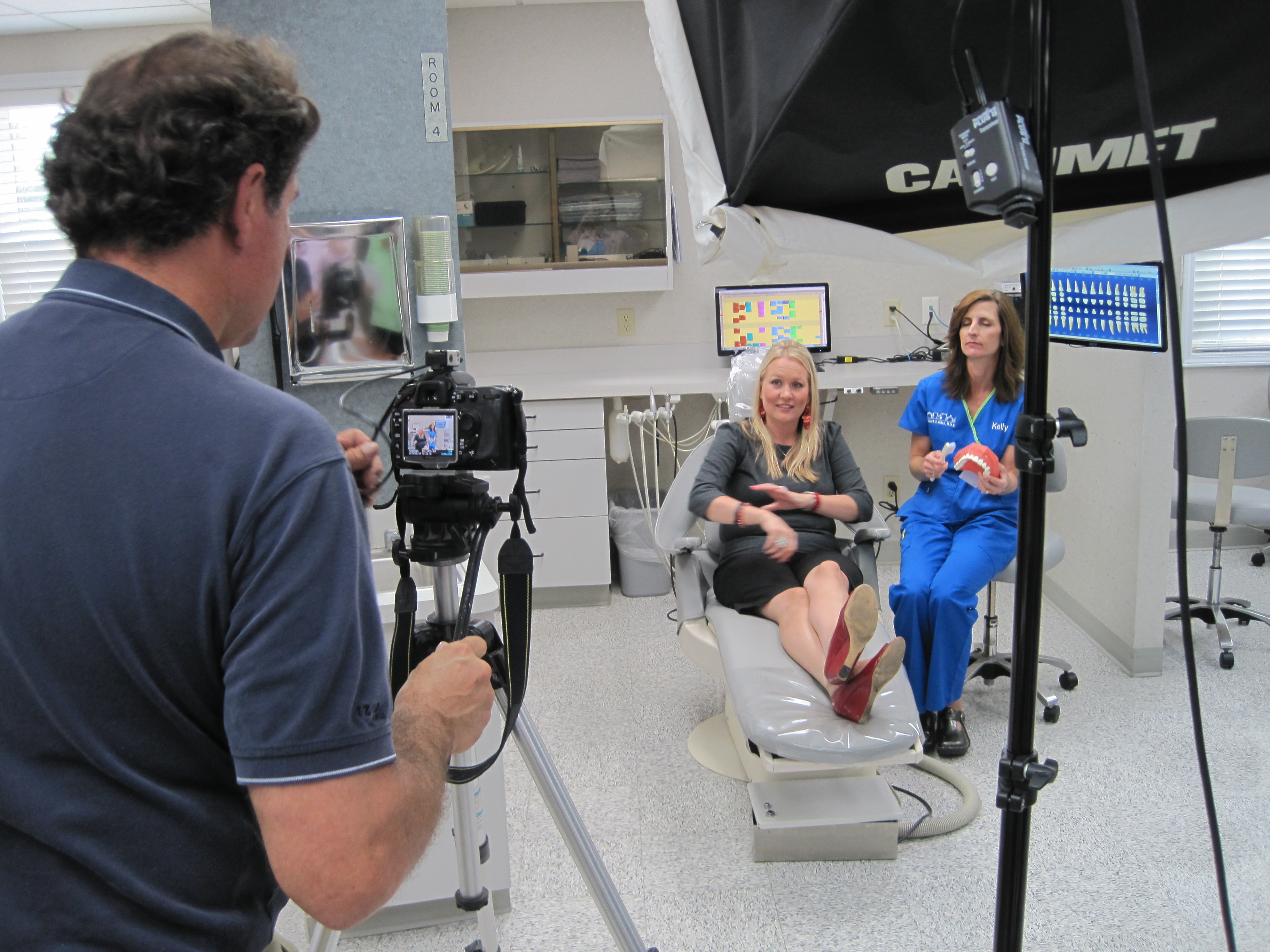
  • Studio and on-location production with expert camera crews and operators.
  • Licensed drone pilots for high-end aerial imaging, including the ability to fly specialized drones indoors.
  • Editing and post-production using the latest in AI-enhanced tools.
  • A fully equipped private studio for controlled lighting and set design—perfect for small productions or interview scenes.

Our team understands how to repurpose your photography and video branding for ongoing marketing impact, and we’re fluent in all file types, platforms, and delivery formats to meet your unique media needs.

Let us help you organize your next shoot—from sky to studio—with the confidence and creativity your brand deserves.


Ready to elevate your visuals with a production partner that understands every angle—ground to air?
Contact St Louis Commercial Video today.

Mike Haller 314-913-5626 stlouiscommercialvideo@gmail.com

Private Studio 4501 Mattis Road St. Louis, MO 63128

The Power of Drone Footage in Modern Video Production

In the ever-evolving landscape of video production, staying ahead of the curve is crucial for businesses and organizations looking to make a lasting impact. One of the most significant advancements in recent years has been the integration of drone footage into video production. Drones offer a unique perspective that can elevate the quality and engagement of your videos, making them an invaluable tool for any video production strategy. In this post, we will explore the benefits of drone footage, its applications, and how it can enhance your video projects.

Identify key locations and angles that will best tell your story and enhance the visual appeal of your video.

The Benefits of Drone Footage

1. Unique Perspectives

Drones provide aerial views that are simply unattainable with traditional cameras. This bird’s-eye view can capture expansive landscapes, intricate building structures, and dynamic event scenes, offering a fresh and compelling perspective.

2. Cost-Effective

Previously, achieving aerial shots required expensive equipment like helicopters or cranes. Drones have made it possible to obtain high-quality aerial footage at a fraction of the cost, making it accessible to a wider range of businesses and projects.

3. High-Quality Footage

Modern drones come equipped with advanced cameras capable of shooting in 4K resolution or higher. This ensures that the footage is sharp, clear, and suitable for professional-grade productions.

4. Versatility

Drones are incredibly versatile and can be used in various settings and scenarios, from outdoor landscapes to indoor events. Their ability to maneuver in tight spaces and at varying altitudes makes them ideal for capturing dynamic and diverse shots.

5. Increased Engagement

Aerial footage adds a ‘wow’ factor to your videos, capturing the viewer’s attention and keeping them engaged. This is particularly beneficial in marketing and promotional videos where first impressions are crucial.

Applications of Drone Footage

1. Real Estate

Drones can showcase properties from stunning angles, highlighting the surrounding areas and providing potential buyers with a comprehensive view of the property.

2. Events

Capture the scale and excitement of events such as festivals, sports events, and concerts. Aerial footage can provide an overview of the event layout and highlight key moments from a unique vantage point.

3. Corporate Videos

Enhance corporate videos by showcasing company facilities, construction progress, or large-scale operations. This can help in presenting a comprehensive and professional image to stakeholders.

4. Tourism

Promote travel destinations by capturing the beauty of landscapes, cities, and cultural landmarks. Aerial footage can make promotional videos more enticing and informative for potential visitors.

5. Construction and Infrastructure

Monitor construction progress, inspect infrastructure, and provide detailed views of large projects. This can improve project management and documentation.

Enhancing Your Video Projects with Drone Footage

Incorporating drone footage into your video projects can significantly enhance their quality and impact. Here are some tips for effectively using drone footage:

1. Plan Your Shots

Careful planning is essential to make the most out of drone footage. Identify key locations and angles that will best tell your story and enhance the visual appeal of your video.

2. Combine with Ground Shots

While drone footage is impressive, combining it with ground-level shots can create a more dynamic and comprehensive video. This juxtaposition of perspectives can add depth and context to your narrative.

3. Use Professional Operators

Operating a drone requires skill and precision. Hiring experienced drone pilots ensures that the footage is captured safely and professionally, adhering to all regulations and guidelines.

4. Focus on Quality

Ensure that your drone footage is of the highest quality by using drones equipped with high-resolution cameras and stabilizing technology. This will make your footage look more polished and professional.

St Louis Commercial Video: Your Partner in Professional Video Production

At St Louis Commercial Video, we understand the power of high-quality video content. As a full-service professional commercial photography and video production company, we have the right equipment and creative crew to ensure successful image acquisition. We offer comprehensive studio and location video and photography services, including editing, post-production, and licensed drone operations.

Our team can customize your productions to meet diverse media requirements, and we specialize in repurposing your photography and video content to gain more traction. We are well-versed in all file types and styles of media and accompanying software. Our private studio lighting and visual setup are perfect for small productions and interview scenes, and our studio is large enough to incorporate props to round out your set.

Whether you need a private custom interview studio setup, sound and camera operators, or specialized indoor drone flying, we have everything to make your next video production perfect. As a full-service video and photography production company, St Louis Commercial Video has worked with many businesses, marketing firms, and agencies in the St. Louis area for their corporate photography and video needs.

Let us help you take your video production to the next level with the power of drone footage. Contact us today to discuss how we can bring your vision to life.

How to Plan and Execute an Indoor FPV Drone Video for Your Business

In the dynamic landscape of modern marketing, businesses and organizations are continually seeking innovative ways to capture the attention of their audience. One such method gaining traction is the utilization of indoor FPV (First-Person View) drone videos. These immersive and exhilarating videos offer a unique perspective that can elevate your brand and engage your audience in new and exciting ways.

Consider the dynamics of movement and composition unique to FPV drone videos.

Understanding Indoor FPV Drone Videos

Indoor FPV drone videos involve the use of agile, maneuverable drones equipped with cameras to capture footage from a first-person perspective. Unlike traditional drone videography, which typically takes place outdoors, indoor FPV drone videos offer the opportunity to navigate confined spaces with precision and creativity.

Benefits of Indoor FPV Drone Videos for Businesses

1. Unique Perspective:

Indoor FPV drone videos provide a perspective that is otherwise inaccessible through conventional videography techniques. This novelty can captivate viewers and leave a lasting impression.

2. Enhanced Engagement:

The dynamic movement and immersive nature of FPV drone videos can significantly enhance viewer engagement, leading to increased retention and brand recognition.

3. Versatility:

Indoor FPV drone videos can be tailored to suit various business objectives, whether it’s showcasing products, highlighting facilities, or creating captivating promotional content.

Planning Your Indoor FPV Drone Video

1. Define Your Objectives:

Clearly outline the goals and objectives of your video. Determine the key messages you want to convey and the target audience you aim to reach.

2. Scout Locations:

Identify suitable indoor locations that align with your objectives. Consider factors such as space constraints, lighting conditions, and safety regulations.

3. Coordinate with Crew:

Collaborate with experienced drone operators and videographers who specialize in FPV drone videography. Ensure they have the necessary skills and equipment to execute your vision effectively.

4. Obtain Permissions:

Obtain any required permissions or permits for filming in indoor spaces. Ensure compliance with relevant regulations and guidelines.

5. Plan Shot Sequences:

Develop a shot list and storyboard to guide the filming process. Consider the dynamics of movement and composition unique to FPV drone videos.

6. Conduct Safety Checks:

Prioritize safety during filming by conducting thorough risk assessments and implementing appropriate safety measures for both personnel and equipment.

Executing Your Indoor FPV Drone Video

1. Pre-flight Checks:

Perform comprehensive pre-flight checks on the drone and camera equipment to ensure proper functioning and calibration.

2. Test Flights:

Conduct test flights to familiarize the drone operator with the indoor environment and optimize flight paths for smooth and dynamic footage.

3. Filming Techniques:

Employ a combination of dynamic maneuvers such as dives, orbits, and fly-throughs to capture engaging footage from unique perspectives.

4. Monitor Footage:

Continuously monitor the live video feed to ensure optimal framing and composition throughout the filming process.

5. Post-production Editing:

Utilize professional editing software to enhance and refine the footage captured during filming. Incorporate visual effects, transitions, and audio elements to elevate the final product.

Conclusion: Elevate Your Brand with Indoor FPV Drone Videos

Incorporating indoor FPV drone videos into your marketing strategy can provide a compelling and immersive experience that sets your brand apart. By following the outlined steps for planning and execution, you can create captivating video content that resonates with your audience and achieves your business objectives.


At St Louis Commercial Video, we specialize in delivering high-quality commercial photography and video production services tailored to the unique needs of businesses and organizations. With our experienced team and state-of-the-art equipment, we are equipped to handle all aspects of your production, from planning and filming to editing and post-production. Contact us today to learn how we can elevate your brand with our full-service capabilities and creative expertise.

stlouiscommercialvideo@gmail.com

 314-913-5626