Tag Archives: Animated video production St. Louis

Proven Ways Service Businesses Cut Video Costs—Without Cutting Quality

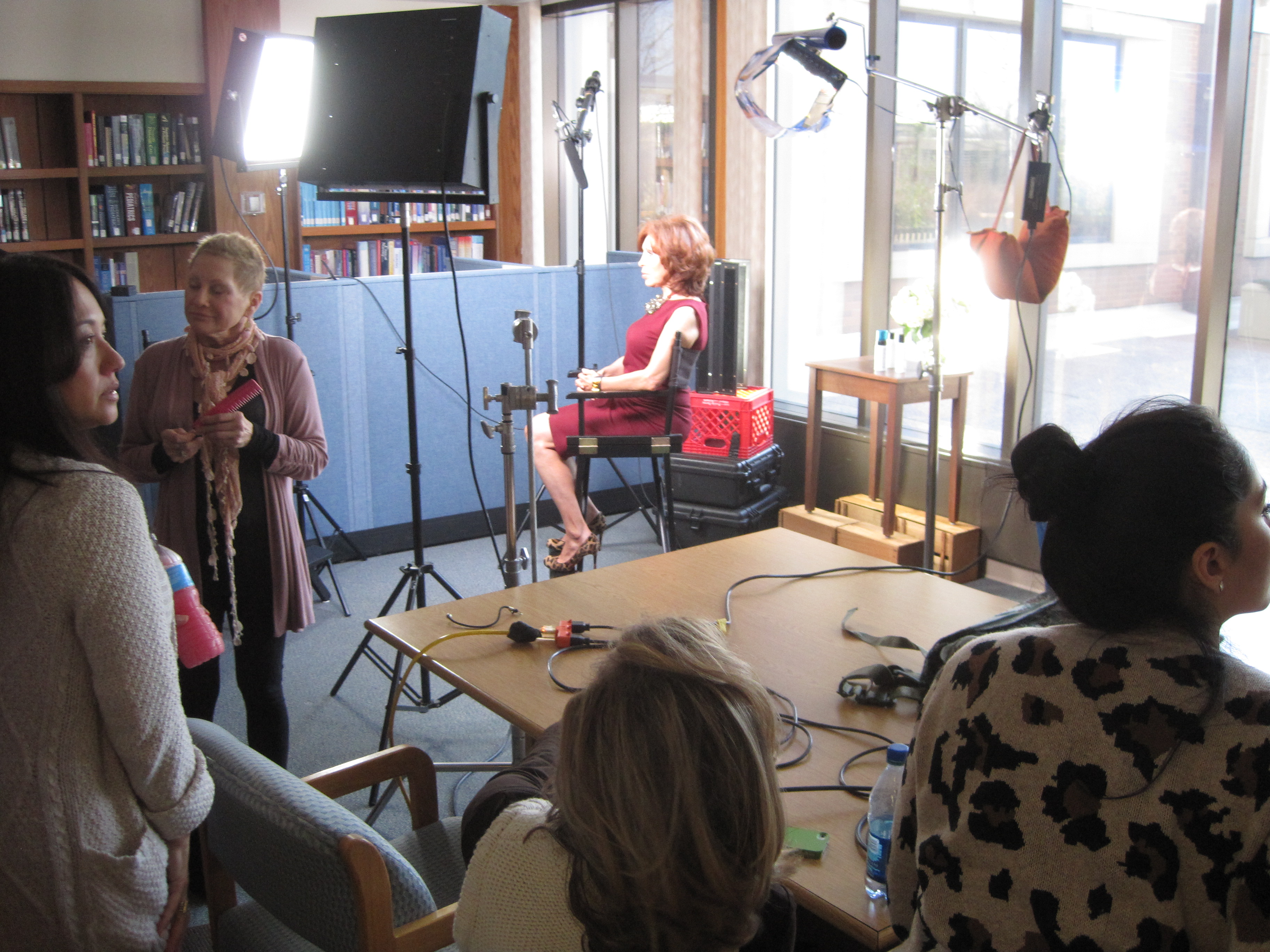
As a seasoned professional in commercial video and photography, I understand that investing in high-quality visual content is crucial for service businesses to stand out. However, I also recognize that budget constraints are a primary concern for many decision-makers. The good news is that strategic planning and smart execution can significantly reduce the costs of your video shoots without compromising the final product’s quality or impact.

Here are the top, expert-vetted strategies for service businesses to save money on video production:


1. Maximize Location Efficiency: Group Shoots and Location Scouting

One of the largest variables in video production costs is the time spent on location. Minimize this by adopting a disciplined approach:

  • Batch Content Production: Instead of planning multiple separate shoots for different needs (website, social media, internal training), plan one or two comprehensive shoot days. Group interviews, B-roll, and employee testimonials together. This saves on crew travel time, setup/teardown, and equipment rental days.
  • Strategic Location Selection: Prioritize locations that are visually rich and require minimal dressing or lighting modification. Utilizing your existing office, facility, or a client-friendly space can eliminate expensive location fees. Conduct thorough scouting beforehand to ensure the location is quiet and conducive to professional sound recording.
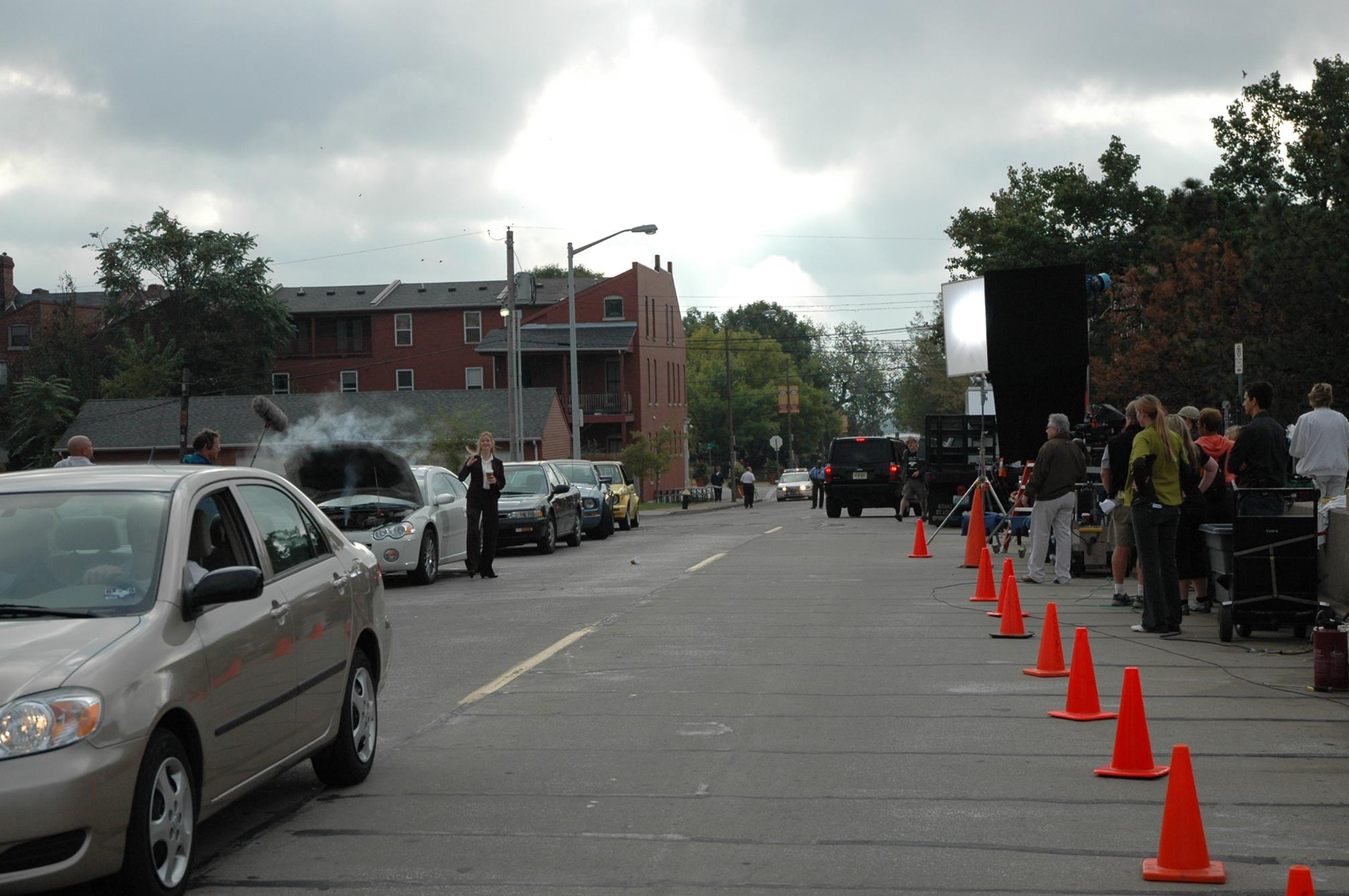
  • Permit Prudence: Know when a permit is truly necessary. Shooting on private property (with permission) is often free. Public spaces, however, can incur costs. A quick, guerrilla-style shoot may be possible for brief B-roll, but be mindful of professional regulations.
2. Streamline Pre-Production: Planning is the Ultimate Cost-Saver

The time spent in planning directly translates to time (and money) saved on set.

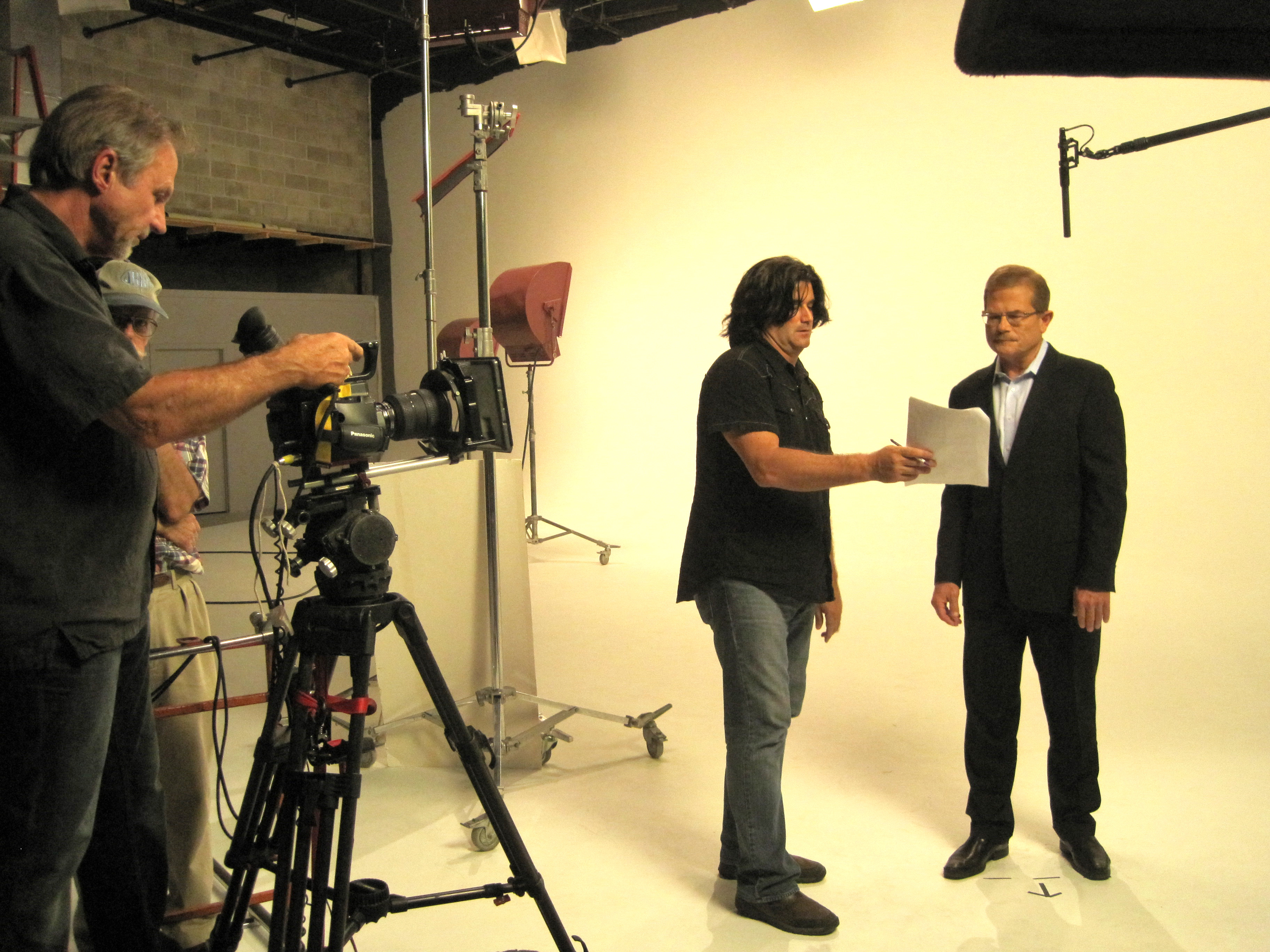
  • Detailed Storyboarding and Shot Lists: A complete, approved shot list and storyboard are your map. They prevent costly delays on set due to confusion or last-minute creative changes. Every crew member should know exactly what is being captured and why.
  • Script and Interview Preparation: Ensure all interview subjects are briefed and have approved key talking points. Unscripted interviews that ramble require exponentially more time in the editing room, which increases post-production costs.
  • Talent Management: When possible, utilize internal company leaders or employees as talent. This eliminates talent agency fees, casting costs, and the day rate for professional actors. Employees often offer more authentic, relatable representation of your service.

3. Smart Equipment and Crew Utilization: Right-Sizing the Production

A large crew and the most expensive gear are not always necessary for commercial success.

  • Match Equipment to Need: Resist the urge for “over-production.” A simple, compelling interview might only require a two-person crew (videographer and sound tech) and a modest lighting setup. Do not pay for a cinema camera package when a high-end mirrorless setup is sufficient for your delivery medium (e.g., social media).
  • Combine Roles Where Appropriate: For smaller shoots, look for a “hybrid” producer-videographer who can manage logistics while operating the camera, or a drone pilot who can also operate a ground camera.

4. Maximize Post-Production Efficiency: Repurposing and AI

The true value of your content is realized after the shoot. Strategic post-production is key to stretching your investment.

  • Repurposing Content is Non-Negotiable: Plan the shoot with the intent to create multiple pieces of content. One long interview can be edited into a 2-minute “About Us” video, five 30-second social media clips, and ten audiograms/quote graphics. This is the single most effective way to save on content creation over time.
  • Leverage Existing Assets: Incorporate existing, high-quality stills or brand graphics into your video. This reduces the need for new B-roll.
  • Embrace Artificial Intelligence: AI tools are revolutionizing post-production. They can significantly speed up tasks like initial transcription, subtitle generation, basic color grading, and even rough cuts, translating directly into lower editing labor costs.

Decision Guide — When to Use Studio vs. Your Location

  • Choose Studio if: tight schedule, multiple stakeholders, need absolute audio control, or you want a repeatable “look” for a series.
  • Choose Your Location if: process visuals matter (equipment, workspace), you need authentic staff interactions, or you’re telling client-site stories.
  • Hybrid: Interviews in studio for speed + half-day b-roll at your location for texture.

Indoor Drone? Yes, When It Adds Value

Specialized micro-drones can safely fly indoors to create dynamic establishing shots across lobbies, warehouses, labs, and training centers. The key to cost control is pre-visualization: plan the path, clear walkways, limit extras, and coordinate with facilities to avoid resets.


Compliance, Risk, and Brand Protection (cheap insurance)

  • Releases for every on-camera person (and products/logos where needed).
  • Client data: sanitize screens/whiteboards, enable privacy blur in post.
  • Voice & claims: legal-approved phrasing for “results may vary,” no unsubstantiated outcomes.
  • Accessibility: captions, contrast, readable font sizes—vital for regulated industries and broader reach.

Partner with St Louis Commercial Video for Image Acquisition Success

For decision-makers seeking successful, cost-effective image acquisition, partnering with an experienced, full-service provider is the ultimate strategy for value.

St Louis Commercial Video is a full-service professional commercial photography and video production company with the right equipment and creative crew service experience for successful image acquisition. As a full-service video and photography production corporation since 1982, we have worked with many businesses, marketing firms, and creative agencies in the St. Louis area for their marketing photography and video needs.

We offer full-service studio and location video and photography, as well as editing, post-production, and licensed drone pilots. St Louis Commercial Video can customize your productions for diverse types of media requirements. Repurposing your photography and video branding to gain more traction is another specialty. We are well-versed in all file types and styles of media and accompanying software, and we use the latest in Artificial Intelligence for all our media services, ensuring peak efficiency and modern results.

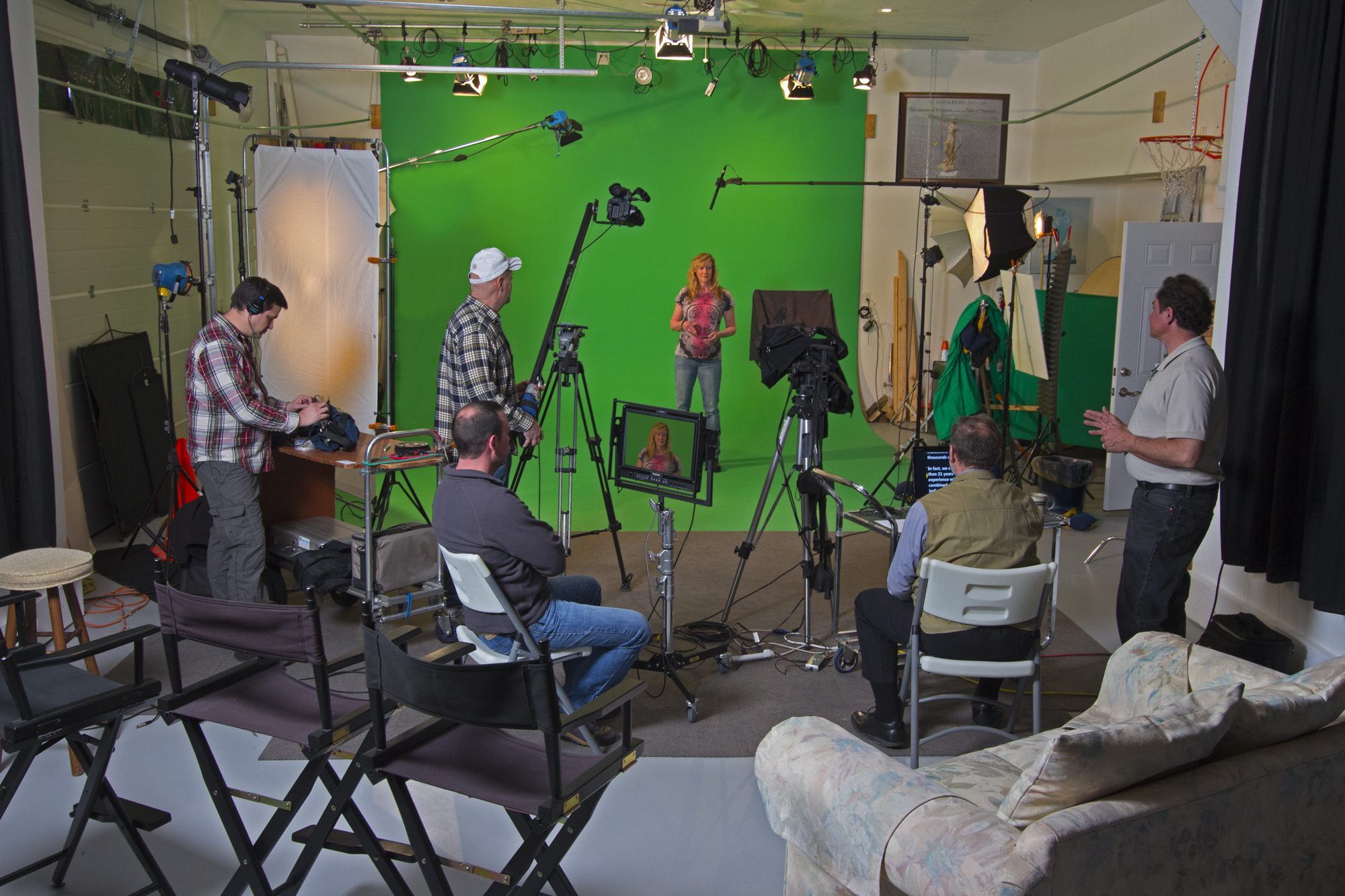
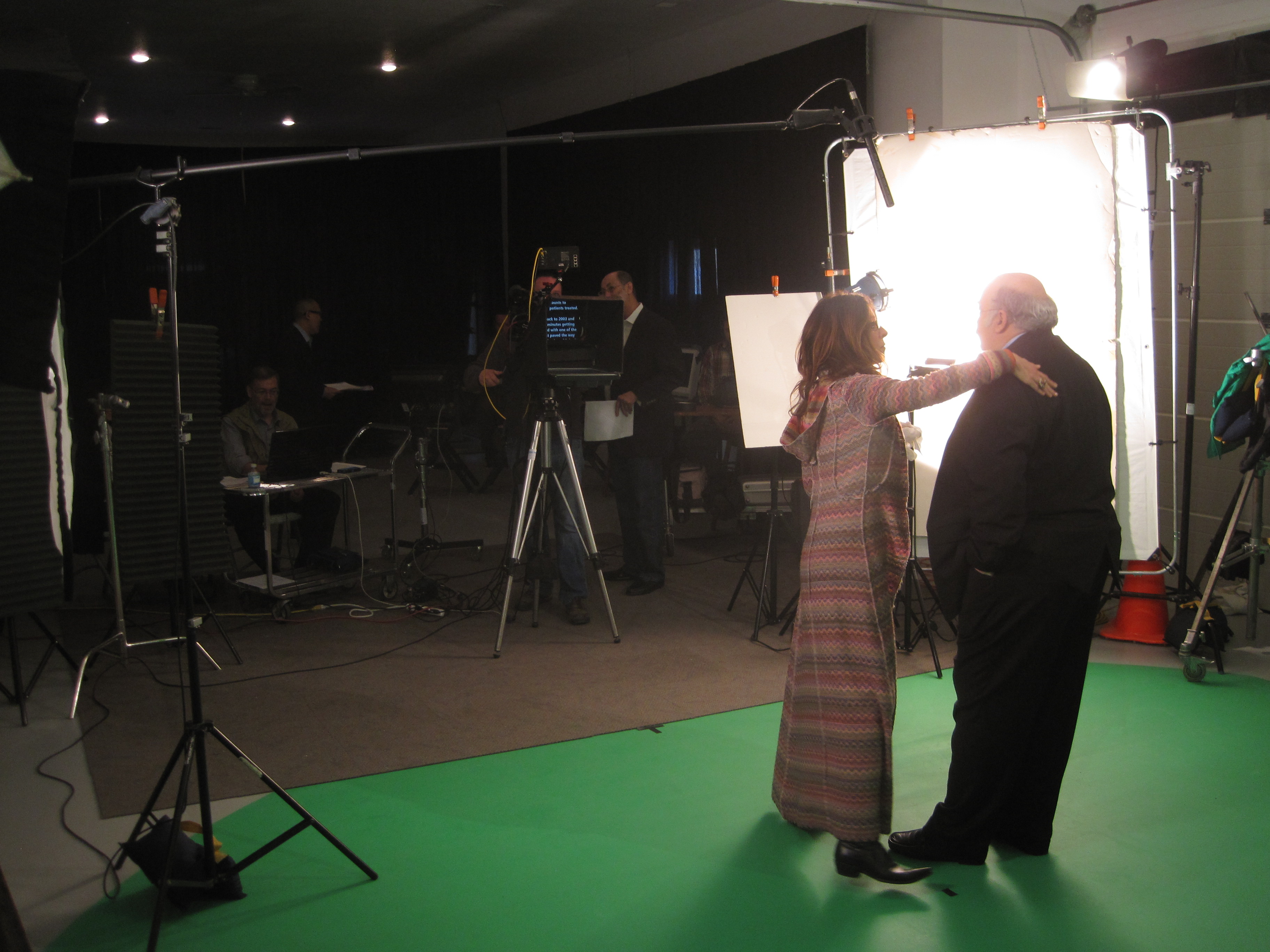
Our private studio lighting and visual setup is perfect for small productions and interview scenes, and our studio is large enough to incorporate props to round out your set. We support every aspect of your production—from setting up a private, custom interview studio to supplying professional sound and camera operators, as well as providing the right equipment—ensuring your next video production is seamless and successful. We can even fly our specialized drones indoors for unique, dynamic shots.

Ready to maximize your visual content investment?

Would you like to schedule a consultation to discuss how we can customize a cost-effective video and photography package for your next campaign?
stlouiscommercialvideo@gmail.com

 314-913-5626

Lights, Camera, Engagement! Proven Production Techniques to Make Your Marketing Videos More Fun and Memorable.

In today’s fast-moving digital marketplace, grabbing and holding your audience’s attention is more challenging than ever. Whether you’re creating brand awareness content, a product explainer, or a social media promo, the key to success lies in producing marketing videos that are not only informative but also entertaining and emotionally resonant.

At St Louis Commercial Video, we understand that engagement is the new currency of video marketing. Fun doesn’t mean sacrificing professionalism — it means infusing your video with energy, personality, and thoughtful execution. Here are production techniques that can help elevate your next marketing video from average to unforgettable.


1. Use Relatable Scenarios and Real People

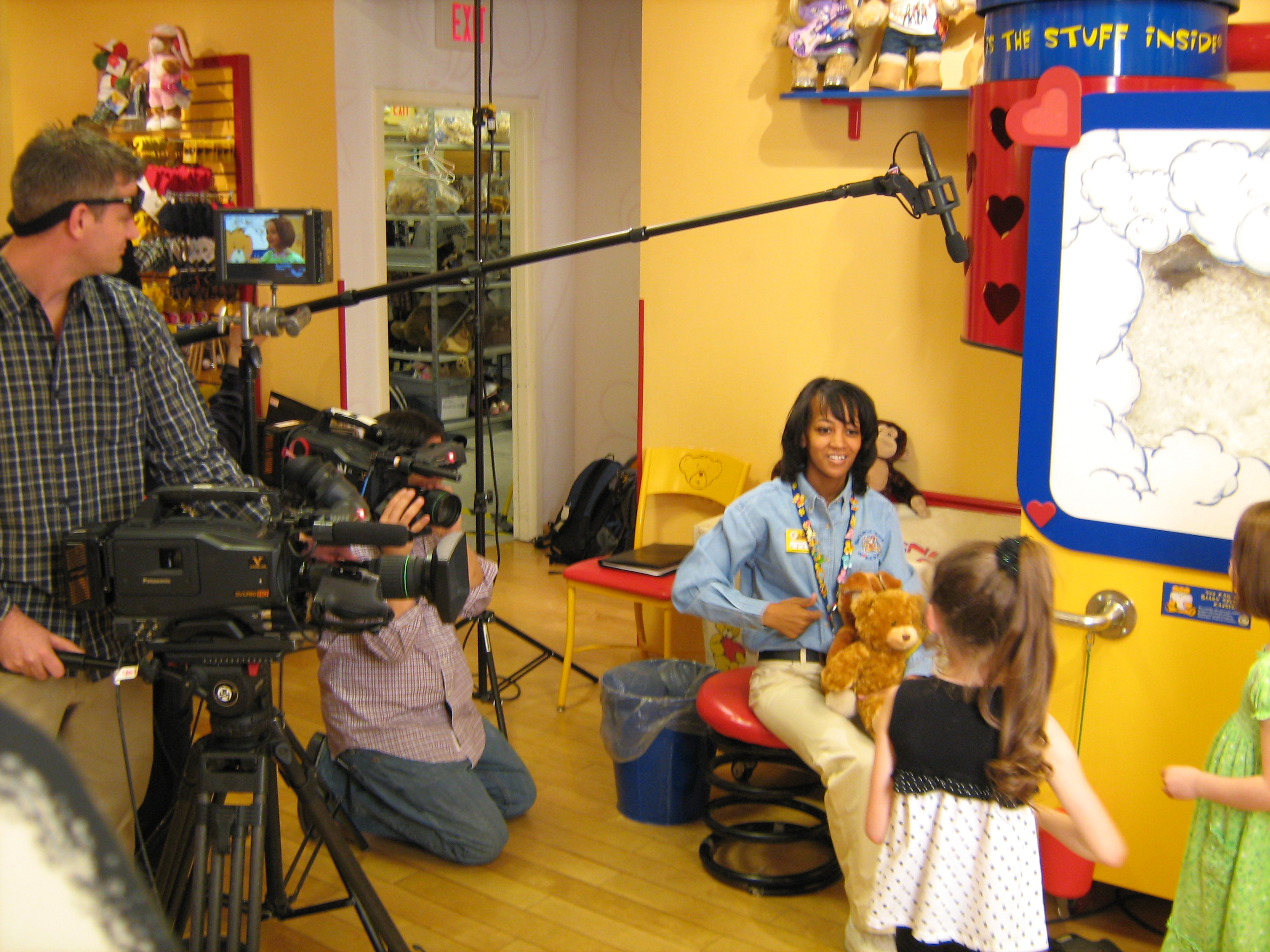
Audiences connect with stories they recognize. Filming real customers, employees, or clients in authentic scenarios creates a human connection that scripted actors sometimes can’t replicate. Candid interviews, testimonials, or behind-the-scenes glimpses build trust and show the personality of your brand.

Pro Tip: Keep it conversational. Overly scripted dialogue can come off as stiff or insincere. Encourage natural responses and edit for clarity and brevity later.


2. Incorporate Motion Graphics and Animation

Dynamic text overlays, animated icons, and kinetic typography can add visual interest and clarify complex ideas. Motion graphics are especially useful in explainer videos, where they help retain attention and reinforce key messaging.

Pro Tip: Use animation to transition between scenes instead of static cuts — it keeps the pace light and energetic.


3. Add Playful Elements Without Distracting from the Message

Subtle humor, visual metaphors, clever transitions, or fun props can liven up your video while still aligning with your brand identity. Think of small moments — a wink from a customer, a sudden camera zoom, or a pop-up fun fact — that make the viewer smile.

Pro Tip: Timing is everything. Keep humor punchy and brief to avoid undercutting the message.


4. Utilize Multiple Camera Angles and Creative Shots

Static talking heads can wear out your audience quickly. Using a variety of camera angles — wide shots, close-ups, over-the-shoulder — adds visual diversity. Drone footage, gimbals, and slider shots offer smooth motion and cinematic quality that elevates your production.

Pro Tip: Match your visual style to the energy of your message. A high-energy campaign may benefit from quick cuts and sweeping shots, while an intimate brand story may shine with slower, steadier footage.


5. Leverage Music and Sound Design

Music sets the tone. A good soundtrack can evoke emotion, emphasize pacing, and guide viewers through your story. Sound effects, when used subtly, also enhance engagement by adding a tactile realism or reinforcing on-screen action.

Pro Tip: Always license music legally, and adjust volume levels so music supports — not competes with — your narration or dialogue.


6. Break the Fourth Wall

One of the fastest ways to create an engaging video is to have your subject directly address the viewer. This “breaking the fourth wall” technique feels personal and invites the audience into the conversation.

Pro Tip: Pair this technique with tight close-ups and direct eye contact for maximum impact.


7. End with a Strong Call to Action

Even the most engaging video falls flat if it lacks a purpose. Encourage viewers to take the next step — whether that’s visiting your website, signing up for a service, or contacting your team. A clear and upbeat CTA keeps the momentum going.


Why Work With St Louis Commercial Video?

Since 1982, St Louis Commercial Video has partnered with businesses, marketing firms, and agencies across the St. Louis region to create fun, impactful, and brand-boosting marketing videos. We are a full-service professional commercial photography and video production company with deep experience in both studio and location shoots. Our private studio offers customizable lighting, space for props, and interview setups that enhance every scene.

We provide expert editing, post-production, and licensed drone operations — including indoor drone capabilities. From creative concepting to sound and camera operators, we have everything you need to bring your vision to life. Plus, we use the latest in Artificial Intelligence tools to repurpose your media across platforms and increase ROI on every project.

Whether you’re producing a corporate sizzle reel, a social media short, or a testimonial campaign, St Louis Commercial Video has the right gear, team, and creativity to make it fun — and successful.

Let’s make your next marketing video not just seen, but remembered.

stlouiscommercialvideo@gmail.com

 314-913-5626

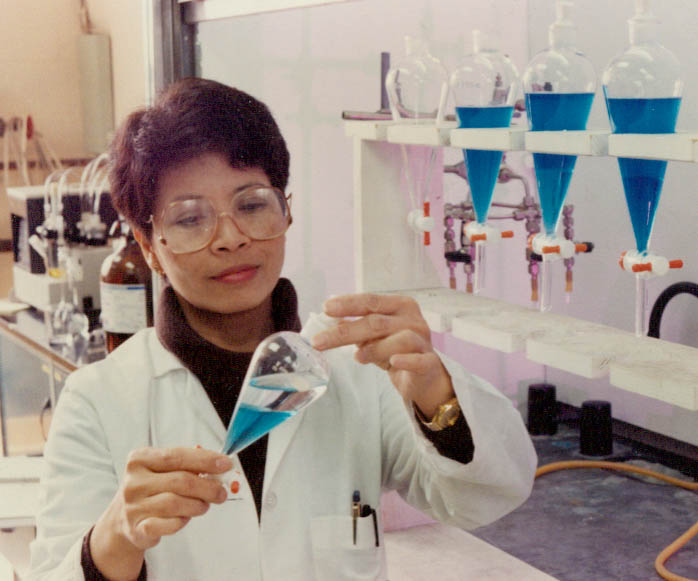
Video Marketing Strategies for Small Medical and Bio-Science Businesses

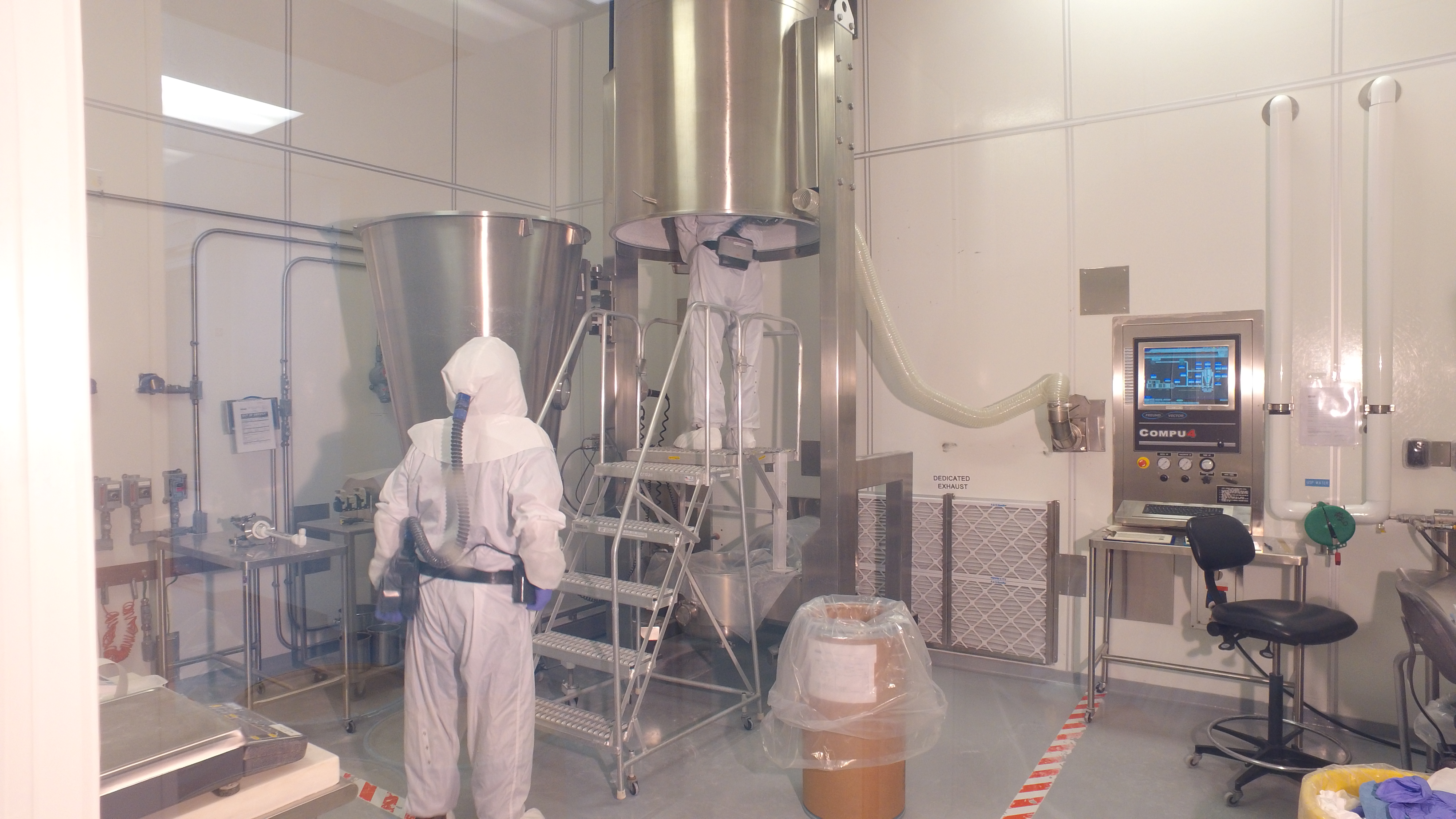
In today’s competitive digital landscape, video marketing has become one of the most powerful tools for promoting products and services. For small medical and bio-science businesses, video can serve as a bridge to communicate complex concepts, showcase expertise, and build trust with potential clients. Whether you are a healthcare provider, a biotech firm, or a medical device manufacturer, utilizing effective video marketing strategies can help you grow your brand, educate your audience, and increase conversions.

Video testimonials have the added benefit of capturing authentic emotion, making them more relatable and impactful.

Why Video Marketing Works for the Medical and Bio-Science Industry

Video is particularly effective in the medical and bio-science industries due to its ability to simplify complicated information and make it more accessible to a broad audience. Here are a few reasons why video marketing is essential for small businesses in these fields:

  1. Clear Communication of Complex Ideas Medical and bio-science topics can often be technical and difficult for the average person to understand. Videos allow you to break down complex concepts into digestible formats, whether through animations, demonstrations, or expert interviews. This not only educates but also helps build trust and authority within the industry.
  2. Increased Engagement Studies show that people are more likely to engage with video content compared to other forms of media. Videos can keep viewers’ attention longer, leading to more time spent on your website or social media pages, which can drive conversions and lead to higher levels of customer retention.
  3. Showcase Testimonials and Success Stories Video testimonials from satisfied patients or clients can be incredibly effective in showcasing the impact your product or service has had. It provides real-world proof of success and builds credibility, especially in industries like medicine and bio-science where trust is key.
  4. Boost SEO Performance Search engines love video content, and websites that incorporate video are often ranked higher in search results. This is especially important for medical and bio-science businesses trying to stand out in a highly competitive field. By optimizing your video content with the right keywords, titles, and descriptions, you can increase visibility and drive traffic to your website.

Types of Video Content for Medical and Bio-Science Marketing

There are many different types of video content that small medical and bio-science businesses can leverage to enhance their marketing strategy. Here are a few popular video types:

  1. Product Demos A product demo video is an excellent way to showcase your medical device, pharmaceutical product, or biotechnology solution in action. It allows your audience to see the product’s value and how it works, which can influence purchasing decisions.
  2. Educational Videos Educational content, such as “How-to” videos or explainer videos, can provide valuable insights into medical procedures, treatments, or scientific advancements. This is a great way to position your brand as an expert in the field while offering real value to your audience.
  3. Customer Testimonials A well-shot video testimonial featuring patients, clients, or partners talking about their experience with your product or service is one of the most powerful tools to build credibility and trust. Video testimonials have the added benefit of capturing authentic emotion, making them more relatable and impactful.
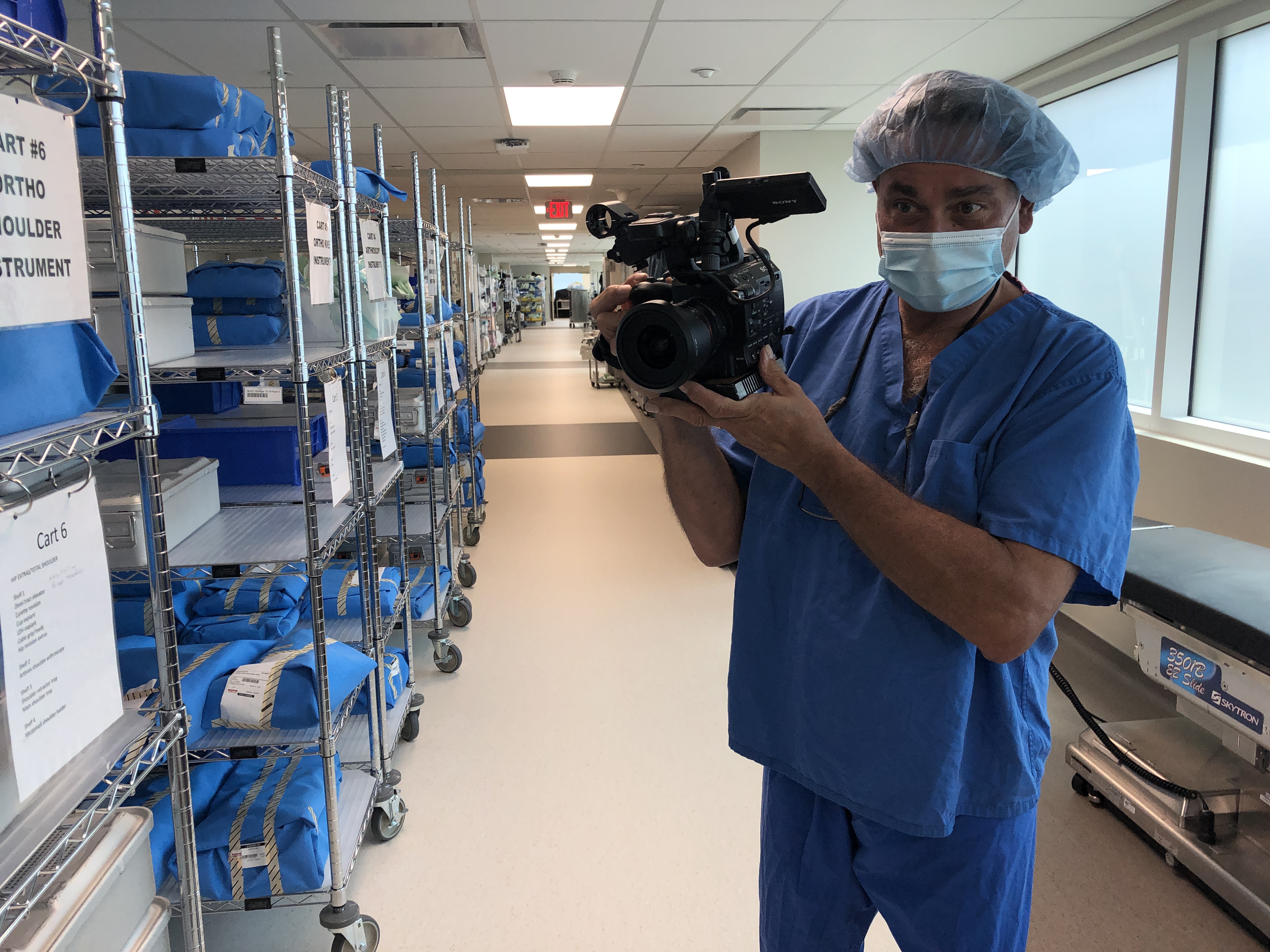
  4. Behind-the-Scenes Videos Offering a behind-the-scenes look at your company or research facility can help humanize your brand. It’s a great way to show the science behind your products, your team’s dedication, or the level of care that goes into patient treatment.
  5. Interview and Thought Leadership Videos Showcasing interviews with medical professionals, scientists, or industry experts is an excellent way to provide valuable insights and further establish your authority in the field. Thought leadership videos can focus on industry trends, the latest research, or upcoming innovations.

Tips for Effective Video Marketing

To make the most of your video marketing efforts, here are a few best practices for producing and distributing videos for your medical or bio-science business:

  1. Keep It Clear and Concise Attention spans are short, so make sure your videos are concise, clear, and to the point. Focus on delivering value in the first 30 seconds to hook your audience.
  2. Invest in High-Quality Production The quality of your video reflects the quality of your business. Invest in professional video production to ensure your videos look polished and are free of distractions like poor lighting or shaky camera work.
  3. Use Engaging Thumbnails and Titles The thumbnail is the first thing people see when browsing videos. Make sure your thumbnail is visually appealing, and your title is clear, attention-grabbing, and relevant to the content.
  4. Optimize for Mobile Mobile users account for a significant portion of video consumption, so ensure your videos are optimized for mobile devices. This includes keeping the content vertical for platforms like Instagram and TikTok and ensuring the video loads quickly.
  5. Include Clear Calls to Action (CTAs) Every video should include a clear CTA. Whether you want your viewers to schedule a consultation, download a whitepaper, or learn more about your services, a well-placed CTA can turn passive viewers into active leads.

St. Louis Commercial Video: Your Trusted Partner in Video Production

At St. Louis Commercial Video, we understand the unique challenges of marketing in the medical and bio-science industries. With over 40 years of experience in the field, our team of professionals specializes in producing high-quality, engaging video content that is tailored to your specific needs. We offer full-service studio and location video and photography, as well as editing, post-production, and licensed drone pilots.

Whether you need a custom interview studio setup, product demo, or behind-the-scenes video, we have the equipment and creative crew to make your vision a reality. Our private studio is equipped with specialized lighting and visual setups for small productions and interviews, and we can even fly drones indoors for unique shots that stand out. We are experts at repurposing your photography and video content to give your branding more traction, ensuring that your message reaches the right audience in the most effective way possible.

St. Louis Commercial Video has been serving businesses, marketing firms, and agencies in the St. Louis area since 1982, offering a comprehensive range of services to ensure the success of every production. From sound and camera operators to editing and post-production, we have everything you need to make your next video production perfect.

Let us help you create compelling, results-driven video marketing content that will elevate your business in the medical and bio-science sectors. Contact us today to get started!

stlouiscommercialvideo@gmail.com

 314-913-5626

Exploring Short-Form Video Content

In today’s fast-paced digital landscape, short-form video content has emerged as a powerful tool for businesses and organizations to engage their audiences effectively. As decision-makers in photography and video production, understanding the nuances of short-form content can significantly impact your marketing strategies and overall brand messaging.

Tailor your content to fit the platform’s specific requirements and audience preferences. Each platform has its unique culture and best practices.

The Rise of Short-Form Video

Short-form video, typically ranging from a few seconds to a couple of minutes, has gained immense popularity due to the rise of social media platforms like TikTok, Instagram Reels, and YouTube Shorts. These platforms cater to consumers’ diminishing attention spans, providing quick, digestible content that resonates with viewers.

Why Short-Form Video Works

  1. Increased Engagement: Short videos are designed to capture attention quickly, making them more likely to be viewed and shared. The brevity encourages creativity, allowing brands to convey their message succinctly.
  2. Cost-Effective Production: Creating short-form videos often requires less time and fewer resources than longer formats. This allows businesses to produce more content and adapt quickly to changing trends.
  3. Versatility: Short videos can serve multiple purposes—from promotional snippets to behind-the-scenes glimpses and customer testimonials. This versatility enables brands to diversify their content strategy effectively.
  4. Enhanced Brand Awareness: With engaging short videos, companies can build brand recognition and loyalty by delivering consistent messaging across various platforms.

Best Practices for Creating Short-Form Video Content

  1. Hook Your Audience Early: The first few seconds are crucial. Use compelling visuals or intriguing questions to capture interest immediately.
  2. Keep It Simple: Focus on a single message or theme. Overloading viewers with information can dilute your message and decrease engagement.
  3. Leverage Captions: Many viewers watch videos without sound. Adding captions ensures your message is understood regardless of audio settings.
  4. Call to Action (CTA): Encourage viewers to take action after watching your video. Whether it’s visiting your website, following your social media, or purchasing a product, a clear CTA can drive engagement.
  5. Optimize for Each Platform: Tailor your content to fit the platform’s specific requirements and audience preferences. Each platform has its unique culture and best practices.

Conclusion

At St. Louis Commercial Video, we understand the impact of short-form video content in today’s marketing strategies. As a full-service professional commercial photography and video production company with over 40 years of experience, we have the right equipment and creative crew to ensure successful image acquisition for your projects.

We offer comprehensive services, including studio and location video and photography, editing, post-production, and licensed drone pilots. Our expertise allows us to customize productions to meet diverse media requirements, ensuring that your branding gains the traction it deserves. We specialize in repurposing your photography and video assets to maximize their impact.

Our private studio features advanced lighting and visual setups, perfect for small productions and interview scenes. We can accommodate props to enhance your set, and our experienced team can provide everything from custom interview studio setups to sound and camera operators. Additionally, our specialized drones can be flown indoors, offering unique perspectives for your content.

Since 1982, St. Louis Commercial Video has collaborated with numerous businesses, marketing firms, and agencies in the St. Louis area, delivering top-notch corporate photography and video solutions. Trust us to help you navigate the world of short-form video content and elevate your brand’s presence in the digital space.

stlouiscommercialvideo@gmail.com

 314-913-5626

Managing A Remote Video Production Workflow

In the dynamic and fast-paced world of modern business, video content has emerged as a crucial tool for effective branding and marketing communication. It allows companies to tell compelling stories, engage their audience, and deliver their message in a visually captivating manner. Video production has come a long way, and today, remote video production workflows have become a game-changer for businesses looking to create professional and high-quality videos from anywhere in the world.

Remote video production breaks down these barriers, allowing businesses to collaborate with experts worldwide and produce high-quality videos at a fraction of the cost.

As an experienced producer at St Louis Commercial Video Production, I have had the privilege of witnessing the evolution of video production and the significant impact that remote workflows have had on the industry. In this comprehensive guide, we will delve into the intricacies of managing a remote video production workflow, exploring its advantages, challenges, and best practices for seamless execution.

What is Remote Video Production?
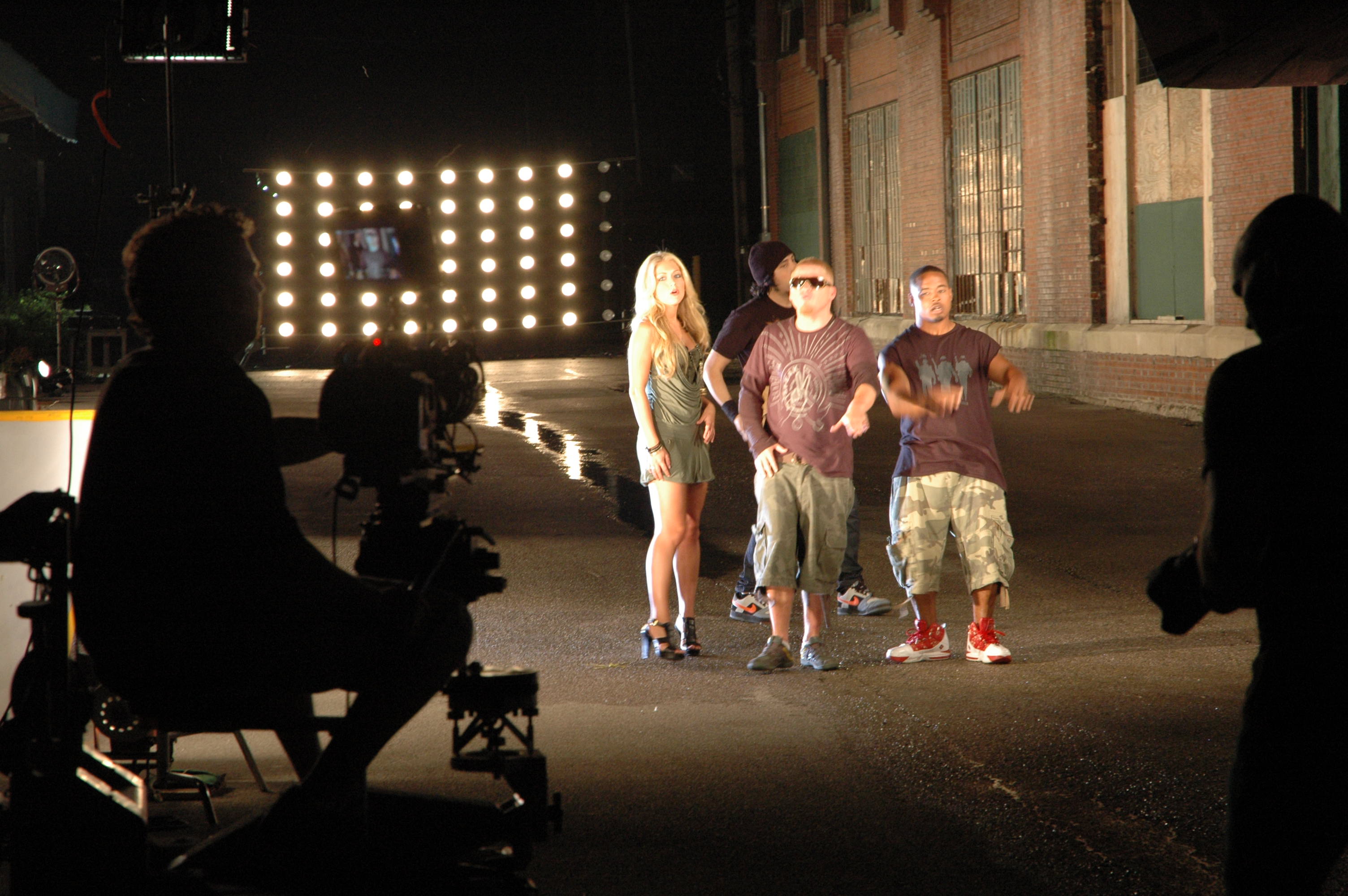
Remote video production refers to the process of creating video content without the need for all team members to be physically present in the same location. It leverages advanced communication technologies and collaboration tools to facilitate real-time interactions between team members spread across different geographic locations.

The traditional model of video production often involves having a dedicated team working in a physical studio with expensive equipment. However, remote video production breaks down these barriers, allowing businesses to collaborate with experts worldwide and produce high-quality videos at a fraction of the cost.

Advantages of Remote Video Production

1. Cost-Effectiveness

Remote video production significantly reduces expenses associated with travel, accommodation, and logistics. By eliminating the need for an on-location shoot, businesses can achieve cost savings without compromising on the quality of the final product.

2. Global Talent Pool

Remote workflows open doors to collaborate with talent from around the globe. Businesses can access top-notch professionals and diverse creative perspectives, enriching the overall quality of their video content.

3. Flexibility and Convenience

With remote video production, the constraints of time and location are no longer a hindrance. Team members can work at their convenience, leading to increased productivity and efficiency.

4. Scalability

Whether you need a single promotional video or an entire video marketing campaign, remote workflows can easily scale to meet your requirements without the need for additional infrastructure.

5. Real-time Collaboration

Advanced communication tools and cloud-based platforms allow seamless real-time collaboration among team members. Everyone can stay on the same page, share feedback, and make adjustments instantaneously.

Challenges and Solutions

While remote video production offers numerous advantages, it’s essential to acknowledge and address the challenges that may arise during the process. By having a proactive approach and implementing effective solutions, businesses can ensure a successful remote workflow.

1. Communication and Coordination

Challenge: Ensuring clear communication and efficient coordination among team members spread across different locations can be challenging.

Solution: Emphasize the use of communication tools like video conferencing, instant messaging, and project management platforms to maintain constant contact and provide updates.

2. Technical Issues

Challenge: Connectivity problems, software compatibility issues, and technical glitches can disrupt the video production process.

Solution: Conduct thorough tests of equipment and software before the actual production begins. Have contingency plans in place and technical support available for quick resolutions.

3. Creative Collaboration

Challenge: Collaborating creatively when team members are not physically together can be tricky.

Solution: Foster a culture of open communication and encourage creative brainstorming sessions through virtual meetings. Use online collaborative tools to share ideas, storyboards, and visual references.

4. Data Security

Challenge: Sharing sensitive video content and files over the internet may raise concerns about data security.

Solution: Implement secure file-sharing protocols, encryption methods, and non-disclosure agreements to protect sensitive information.

5. Time Zone Differences

Challenge: Dealing with team members in different time zones can lead to delays in communication and project progress.

Solution: Establish clear schedules and meeting times that accommodate the various time zones. Utilize time zone conversion tools to avoid confusion.

Best Practices for Remote Video Production

To ensure a smooth and successful remote video production workflow, consider implementing these best practices:

1. Plan Ahead

Thoroughly plan every aspect of the video production process, including scriptwriting, storyboarding, equipment needs, and post-production requirements. A well-structured plan sets the foundation for a successful remote project.

2. Choose the Right Team

Select team members who are experienced in remote collaboration and self-motivated. Strong communication skills and the ability to work independently are vital for remote video production success.

3. Invest in Quality Equipment

High-quality equipment is essential for professional-looking video content. Ensure that all team members have access to the necessary tools and resources for their specific roles.

4. Test Technology and Connectivity

Perform thorough tests of all communication tools, software, and equipment before the actual production begins. Address any technical issues promptly to avoid delays during the project.

5. Create a Clear Production Schedule

Develop a detailed production schedule that outlines the timeline, milestones, and key deliverables. Regularly update team members on progress and be flexible in case of unexpected changes.

6. Establish Communication Protocols

Set clear communication guidelines, including preferred channels, response times, and escalation procedures. Effective communication is vital for remote collaboration.

7. Embrace Collaboration Tools

Make the most of online collaboration tools like cloud storage, project management software, and virtual meeting platforms. These tools streamline communication and foster a collaborative environment.

8. Provide Constructive Feedback

Encourage open and constructive feedback among team members. Clear and timely feedback helps refine the video production process and leads to better results.

Experienced Full-Service Video Production Company in St. Louis

At St Louis Commercial Video Production, we take pride in being a premier full-service video production company based in St. Louis. Our team of skilled professionals is well-versed in all aspects of location and studio recording for multimedia productions. With years of experience in the industry, we have successfully managed numerous remote video production projects for businesses of all sizes, both large and small.

As professional videographers, St Louis Commercial Video Production has created hundreds of remote productions for various types of businesses and events in the St. Louis region. Our commitment to quality, creativity, and innovation sets us apart as a trusted partner for all your branding and business marketing communications needs.

From conceptualization and scriptwriting to shooting, editing, and post-production, we handle every step of the video production process with utmost professionalism and expertise. Whether you need a captivating promotional video, an engaging corporate video, or a comprehensive video marketing campaign, we have the skills and resources to deliver outstanding results that align with your business goals.

Don’t let geographical barriers hold back your video production aspirations. Partner with St Louis Commercial Video Production and experience the power of remote video production. Contact us today to discuss your project and witness the transformation of your ideas into visually stunning video content.

stlouiscommercialvideo@gmail.com

 314-913-5626

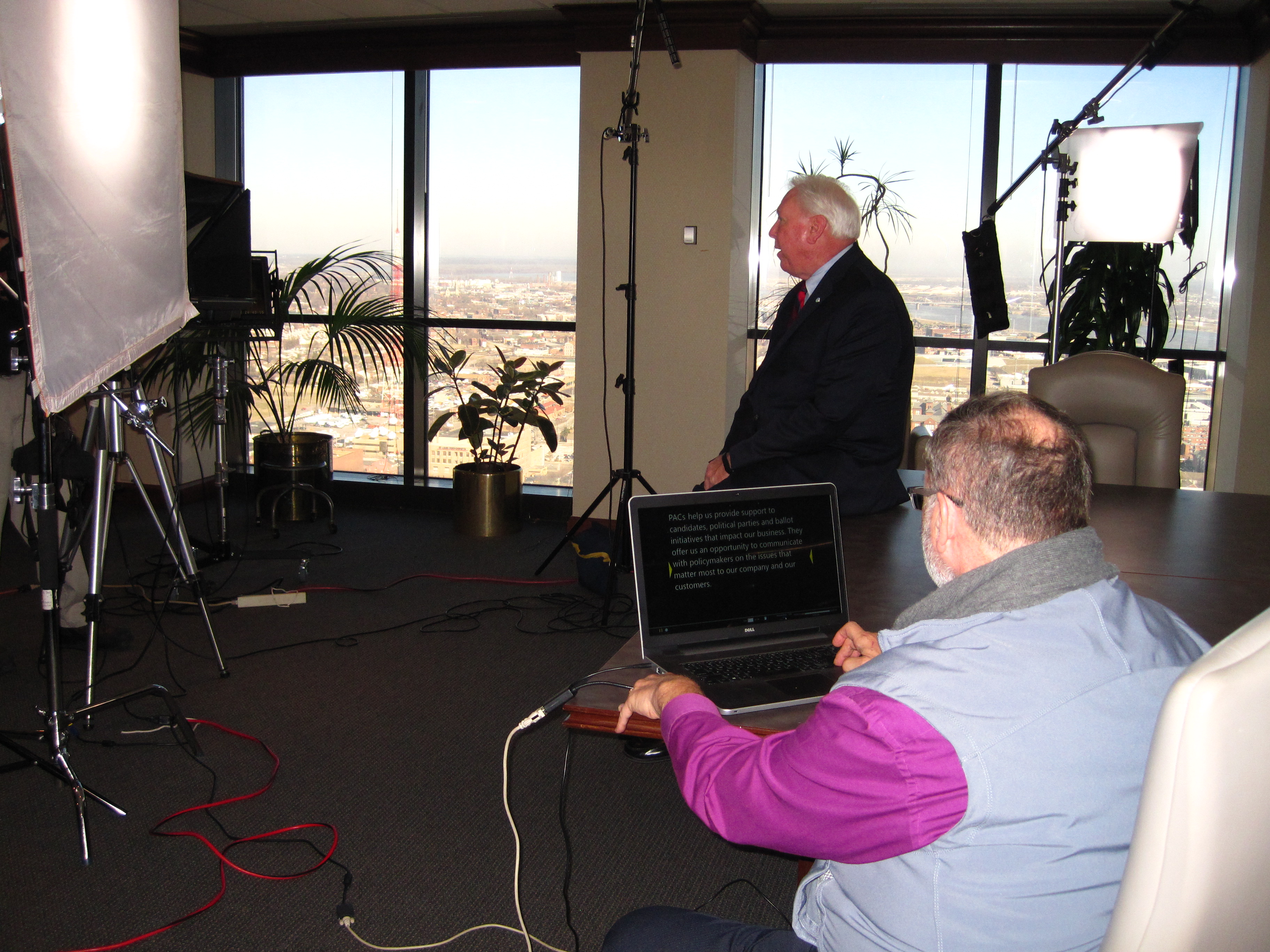
Why Teleprompter Coaching is Essential for Non-Professional Talent.

Teleprompters are an essential tool for on-camera talent, but they can be intimidating for those who lack experience. Non-professional talent, such as business owners, politicians, and public speakers, often have to use teleprompters to deliver speeches and presentations, but they may not have the necessary training to do so effectively. That’s where teleprompter coaching comes in. In this article, we’ll explore why teleprompter coaching is essential for non-professional talent and how it can help them to deliver their message with confidence and clarity.

Teleprompter coaching can help non-professional talent to develop the skills needed to use the teleprompter effectively.

What is a Teleprompter?
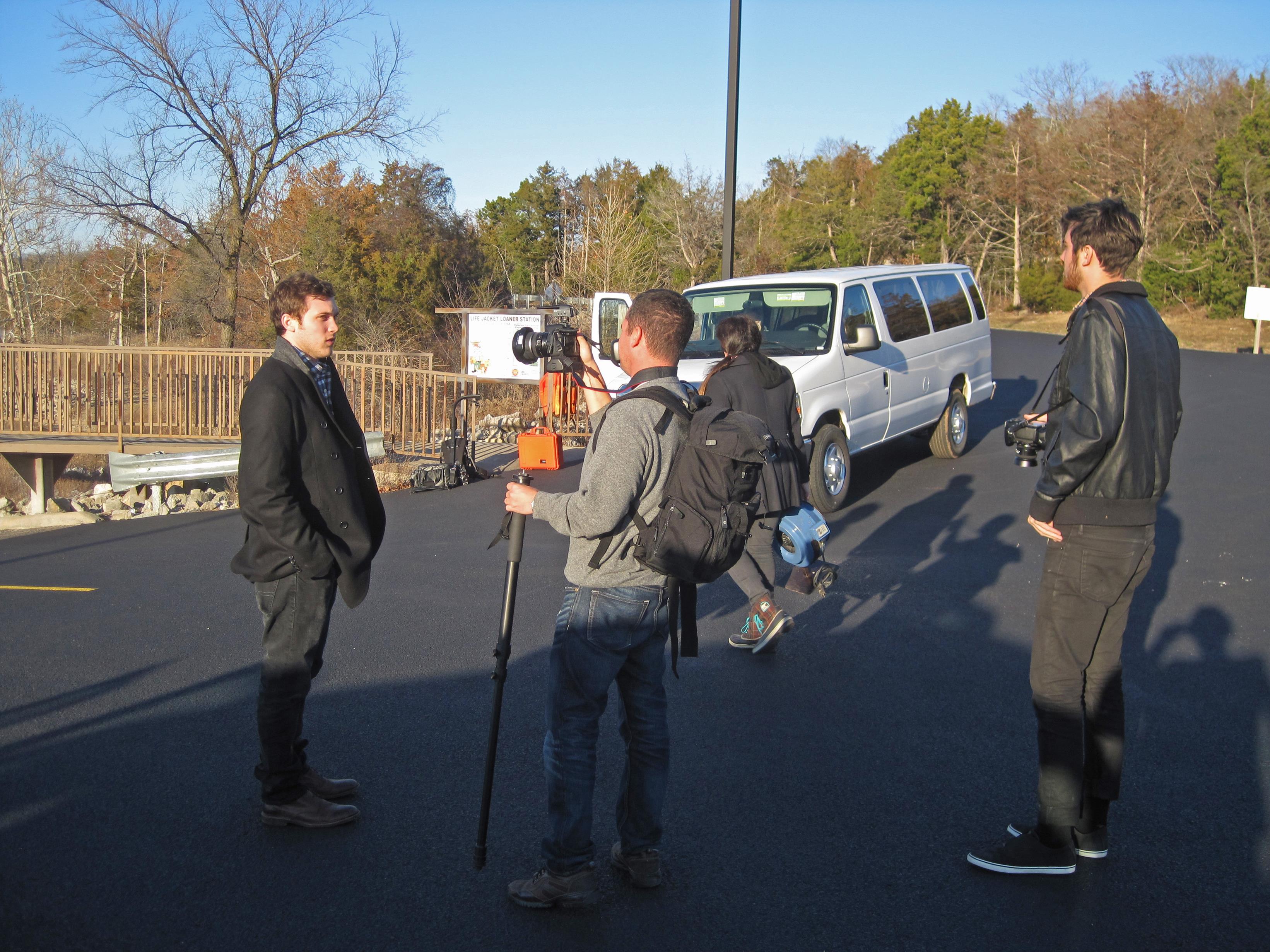
A teleprompter is a device that displays a script or speech to the person speaking. The text is displayed on a screen that is located near the camera lens, allowing the speaker to read their lines without looking away from the camera. This makes it possible for them to maintain eye contact with the audience while still delivering their message flawlessly.

Why is Teleprompter Coaching Important for Non-Professional Talent?

Non-professional talent often lacks experience in public speaking and presenting, which can make using a teleprompter even more challenging. Teleprompter coaching is essential for several reasons:

1. Improved Delivery

Using a teleprompter can help non-professional talent to deliver their message with more clarity and precision. However, without proper coaching, they may struggle to read the script naturally and without sounding robotic. Teleprompter coaching can help them to develop the skills needed to deliver their lines in a way that is both effective and engaging.

2. Increased Confidence

Using a teleprompter can be nerve-wracking, especially for those who are new to public speaking. Teleprompter coaching can help non-professional talent to feel more confident in their ability to deliver their message, reducing the likelihood of nervousness or stage fright.

3. Enhanced Audience Engagement

When a speaker is reading from a teleprompter, it can be easy for them to become disconnected from their audience. Teleprompter coaching can help non-professional talent to maintain eye contact with their audience while still using the teleprompter effectively.

4. Better Time Management

When delivering a speech or presentation, timing is crucial. Teleprompter coaching can help non-professional talent to learn how to pace themselves effectively, ensuring that they stay on track and within their allotted time.

5. Increased Credibility

Using a teleprompter effectively can make a speaker appear more professional and credible. Teleprompter coaching can help non-professional talent to achieve this level of professionalism, boosting their credibility in the eyes of their audience.

What Does Teleprompter Coaching Involve?

Teleprompter coaching typically involves a combination of training and practice sessions. The coach will work with the non-professional talent to develop the skills needed to use the teleprompter effectively, including:

1. Reading Speed

The coach will work with the talent to develop their reading speed, ensuring that they can keep up with the pace of the teleprompter. They will also help them to learn how to pause and emphasize certain words and phrases, enhancing the impact of their message.

2. Body Language

Using a teleprompter effectively requires the speaker to maintain good posture and use appropriate body language. The coach will work with the talent to develop these skills, helping them to appear confident and professional on camera.

3. Eye Contact

Maintaining eye contact with the audience is crucial for engaging them and building trust. The coach will help the talent to learn how to read from the teleprompter while still maintaining eye contact with the audience.

4. Script Writing

The coach may also work with the talent to develop the script or speech that

will be displayed on the teleprompter. This can include editing the script to ensure that it flows well and is easy to read, as well as incorporating visual cues to help the talent stay on track.

5. Technical Training

Finally, the coach will provide technical training on how to use the teleprompter itself. This can include familiarizing the talent with the software used to control the teleprompter and teaching them how to troubleshoot common issues that may arise during a shoot.

How to Choose a Teleprompter Coach

When choosing a teleprompter coach, it’s important to look for someone who has experience working with non-professional talent. They should be able to explain the process clearly and in a way that is easy to understand, and they should be patient and encouraging when working with the talent.

It’s also important to choose a coach who is knowledgeable about the technical aspects of teleprompters. They should be able to troubleshoot any issues that arise during a shoot and ensure that the teleprompter is functioning properly.

Conclusion

Using a teleprompter can be a valuable tool for non-professional talent who need to deliver speeches or presentations on camera. However, it can also be challenging without the proper training and coaching. Teleprompter coaching can help non-professional talent to develop the skills needed to use the teleprompter effectively, improving their delivery, increasing their confidence, enhancing audience engagement, improving time management, and boosting their credibility. When choosing a teleprompter coach, it’s important to look for someone who has experience working with non-professional talent and who is knowledgeable about the technical aspects of teleprompters. With the right coach and the right training, non-professional talent can deliver their message with confidence and clarity, engaging their audience and achieving their goals.

stlouiscommercialvideo@gmail.com

 314-913-5626