The Power of Drone Footage in Modern Video Production

In the ever-evolving landscape of video production, staying ahead of the curve is crucial for businesses and organizations looking to make a lasting impact. One of the most significant advancements in recent years has been the integration of drone footage into video production. Drones offer a unique perspective that can elevate the quality and engagement of your videos, making them an invaluable tool for any video production strategy. In this post, we will explore the benefits of drone footage, its applications, and how it can enhance your video projects.

Identify key locations and angles that will best tell your story and enhance the visual appeal of your video.

The Benefits of Drone Footage

1. Unique Perspectives

Drones provide aerial views that are simply unattainable with traditional cameras. This bird’s-eye view can capture expansive landscapes, intricate building structures, and dynamic event scenes, offering a fresh and compelling perspective.

2. Cost-Effective

Previously, achieving aerial shots required expensive equipment like helicopters or cranes. Drones have made it possible to obtain high-quality aerial footage at a fraction of the cost, making it accessible to a wider range of businesses and projects.

3. High-Quality Footage

Modern drones come equipped with advanced cameras capable of shooting in 4K resolution or higher. This ensures that the footage is sharp, clear, and suitable for professional-grade productions.

4. Versatility

Drones are incredibly versatile and can be used in various settings and scenarios, from outdoor landscapes to indoor events. Their ability to maneuver in tight spaces and at varying altitudes makes them ideal for capturing dynamic and diverse shots.

5. Increased Engagement

Aerial footage adds a ‘wow’ factor to your videos, capturing the viewer’s attention and keeping them engaged. This is particularly beneficial in marketing and promotional videos where first impressions are crucial.

Applications of Drone Footage

1. Real Estate

Drones can showcase properties from stunning angles, highlighting the surrounding areas and providing potential buyers with a comprehensive view of the property.

2. Events

Capture the scale and excitement of events such as festivals, sports events, and concerts. Aerial footage can provide an overview of the event layout and highlight key moments from a unique vantage point.

3. Corporate Videos

Enhance corporate videos by showcasing company facilities, construction progress, or large-scale operations. This can help in presenting a comprehensive and professional image to stakeholders.

4. Tourism

Promote travel destinations by capturing the beauty of landscapes, cities, and cultural landmarks. Aerial footage can make promotional videos more enticing and informative for potential visitors.

5. Construction and Infrastructure

Monitor construction progress, inspect infrastructure, and provide detailed views of large projects. This can improve project management and documentation.

Enhancing Your Video Projects with Drone Footage

Incorporating drone footage into your video projects can significantly enhance their quality and impact. Here are some tips for effectively using drone footage:

1. Plan Your Shots

Careful planning is essential to make the most out of drone footage. Identify key locations and angles that will best tell your story and enhance the visual appeal of your video.

2. Combine with Ground Shots

While drone footage is impressive, combining it with ground-level shots can create a more dynamic and comprehensive video. This juxtaposition of perspectives can add depth and context to your narrative.

3. Use Professional Operators

Operating a drone requires skill and precision. Hiring experienced drone pilots ensures that the footage is captured safely and professionally, adhering to all regulations and guidelines.

4. Focus on Quality

Ensure that your drone footage is of the highest quality by using drones equipped with high-resolution cameras and stabilizing technology. This will make your footage look more polished and professional.

St Louis Commercial Video: Your Partner in Professional Video Production

At St Louis Commercial Video, we understand the power of high-quality video content. As a full-service professional commercial photography and video production company, we have the right equipment and creative crew to ensure successful image acquisition. We offer comprehensive studio and location video and photography services, including editing, post-production, and licensed drone operations.

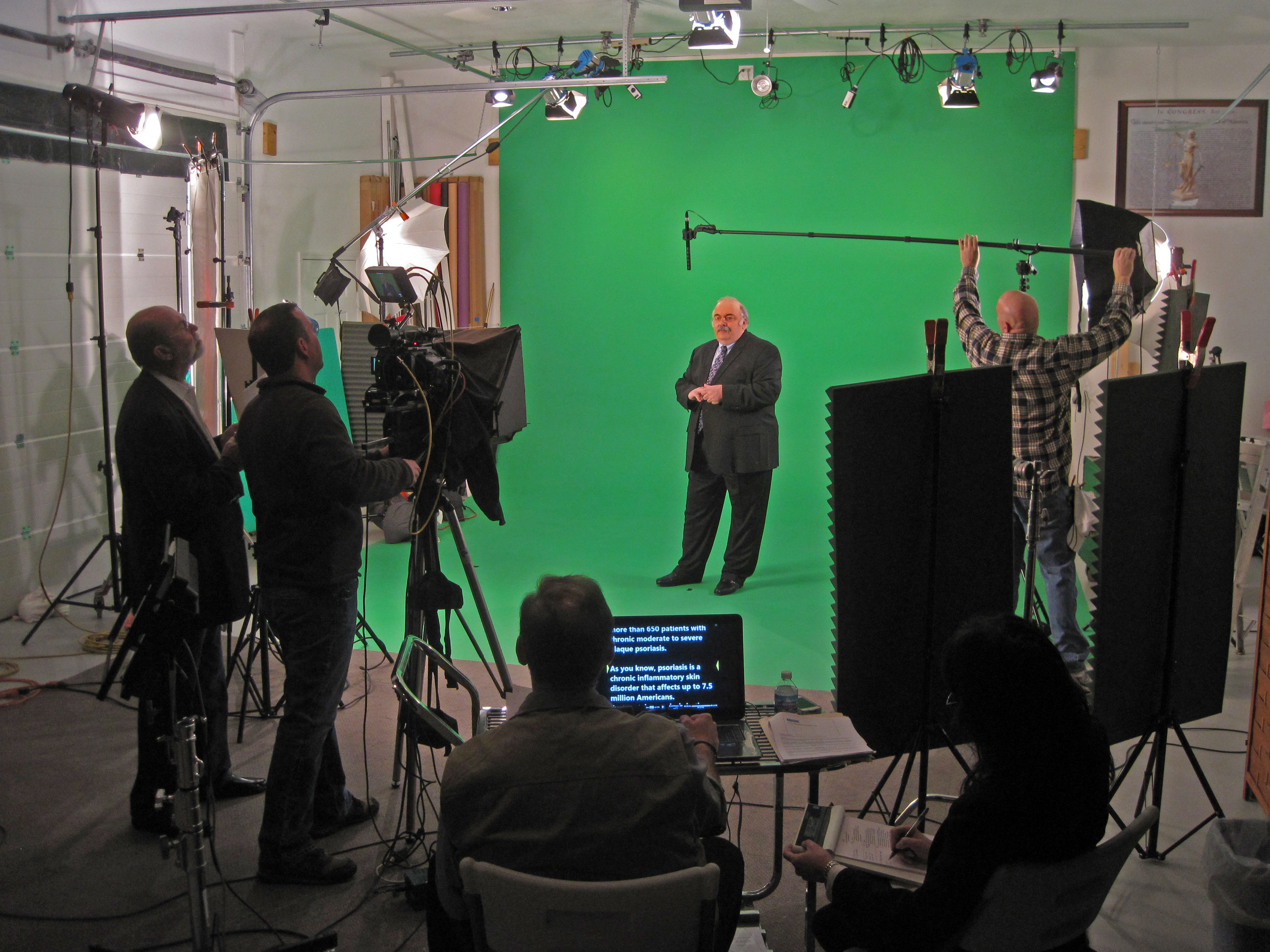
Our team can customize your productions to meet diverse media requirements, and we specialize in repurposing your photography and video content to gain more traction. We are well-versed in all file types and styles of media and accompanying software. Our private studio lighting and visual setup are perfect for small productions and interview scenes, and our studio is large enough to incorporate props to round out your set.

Whether you need a private custom interview studio setup, sound and camera operators, or specialized indoor drone flying, we have everything to make your next video production perfect. As a full-service video and photography production company, St Louis Commercial Video has worked with many businesses, marketing firms, and agencies in the St. Louis area for their corporate photography and video needs.

Let us help you take your video production to the next level with the power of drone footage. Contact us today to discuss how we can bring your vision to life.
How to Plan and Execute an Indoor FPV Drone Video for Your Business

In the dynamic landscape of modern marketing, businesses and organizations are continually seeking innovative ways to capture the attention of their audience. One such method gaining traction is the utilization of indoor FPV (First-Person View) drone videos. These immersive and exhilarating videos offer a unique perspective that can elevate your brand and engage your audience in new and exciting ways.

Consider the dynamics of movement and composition unique to FPV drone videos.

Understanding Indoor FPV Drone Videos

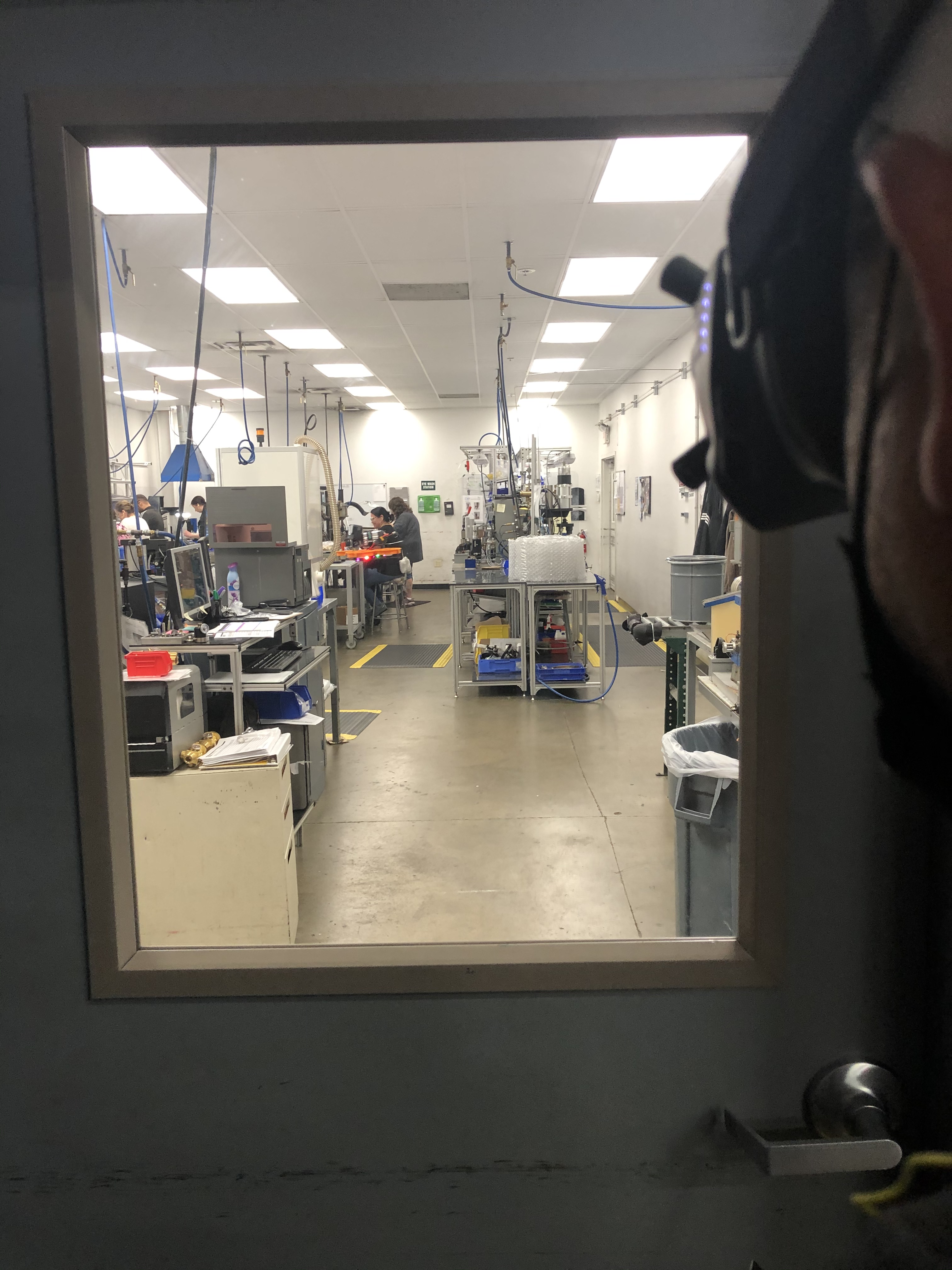
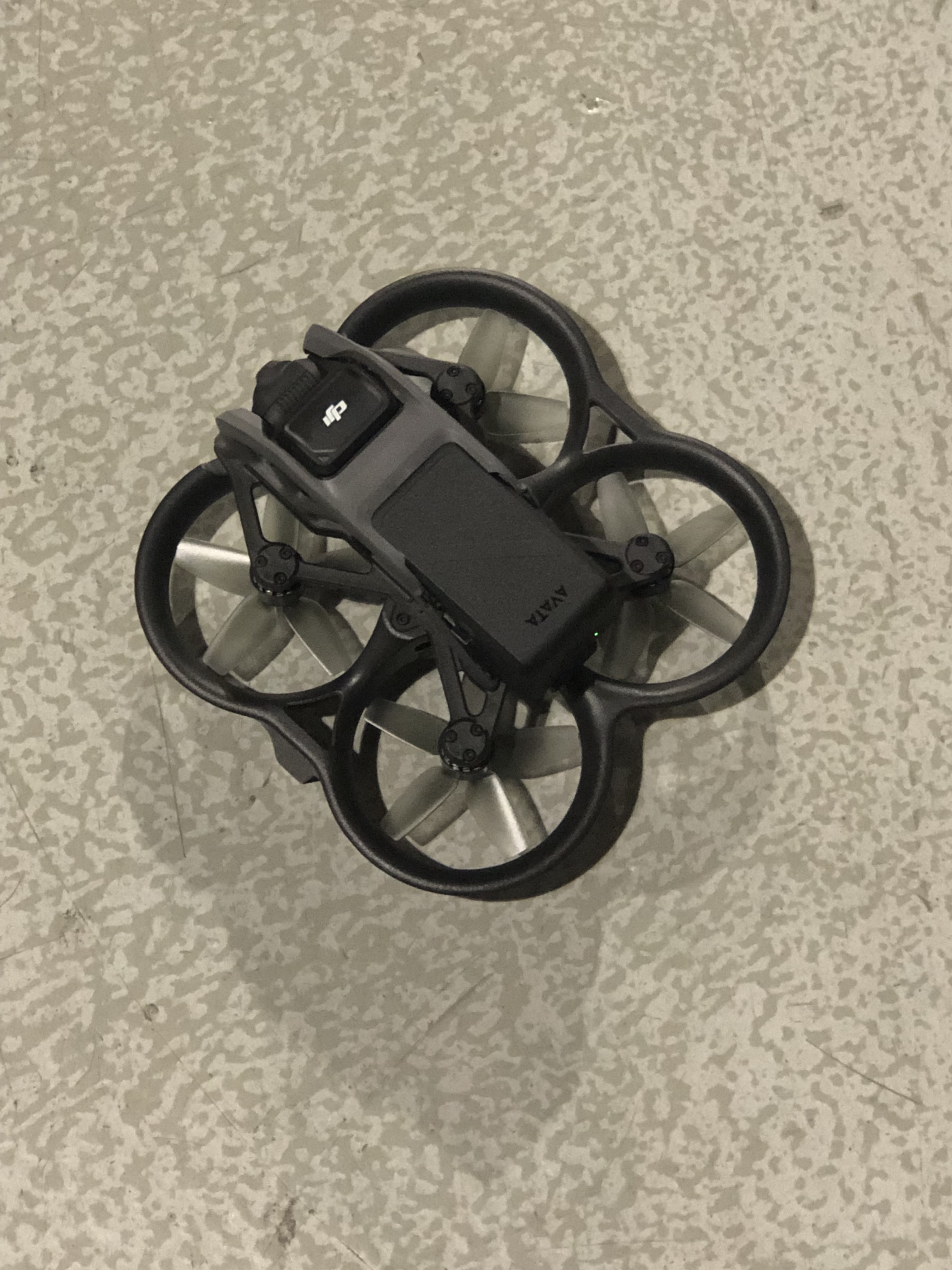
Indoor FPV drone videos involve the use of agile, maneuverable drones equipped with cameras to capture footage from a first-person perspective. Unlike traditional drone videography, which typically takes place outdoors, indoor FPV drone videos offer the opportunity to navigate confined spaces with precision and creativity.

Benefits of Indoor FPV Drone Videos for Businesses

1. Unique Perspective:

Indoor FPV drone videos provide a perspective that is otherwise inaccessible through conventional videography techniques. This novelty can captivate viewers and leave a lasting impression.

2. Enhanced Engagement:

The dynamic movement and immersive nature of FPV drone videos can significantly enhance viewer engagement, leading to increased retention and brand recognition.

3. Versatility:

Indoor FPV drone videos can be tailored to suit various business objectives, whether it’s showcasing products, highlighting facilities, or creating captivating promotional content.

Planning Your Indoor FPV Drone Video

1. Define Your Objectives:

Clearly outline the goals and objectives of your video. Determine the key messages you want to convey and the target audience you aim to reach.

2. Scout Locations:

Identify suitable indoor locations that align with your objectives. Consider factors such as space constraints, lighting conditions, and safety regulations.

3. Coordinate with Crew:

Collaborate with experienced drone operators and videographers who specialize in FPV drone videography. Ensure they have the necessary skills and equipment to execute your vision effectively.

4. Obtain Permissions:

Obtain any required permissions or permits for filming in indoor spaces. Ensure compliance with relevant regulations and guidelines.

5. Plan Shot Sequences:

Develop a shot list and storyboard to guide the filming process. Consider the dynamics of movement and composition unique to FPV drone videos.

6. Conduct Safety Checks:

Prioritize safety during filming by conducting thorough risk assessments and implementing appropriate safety measures for both personnel and equipment.

Executing Your Indoor FPV Drone Video

1. Pre-flight Checks:

Perform comprehensive pre-flight checks on the drone and camera equipment to ensure proper functioning and calibration.

2. Test Flights:

Conduct test flights to familiarize the drone operator with the indoor environment and optimize flight paths for smooth and dynamic footage.

3. Filming Techniques:

Employ a combination of dynamic maneuvers such as dives, orbits, and fly-throughs to capture engaging footage from unique perspectives.

4. Monitor Footage:

Continuously monitor the live video feed to ensure optimal framing and composition throughout the filming process.

5. Post-production Editing:

Utilize professional editing software to enhance and refine the footage captured during filming. Incorporate visual effects, transitions, and audio elements to elevate the final product.

Conclusion: Elevate Your Brand with Indoor FPV Drone Videos

Incorporating indoor FPV drone videos into your marketing strategy can provide a compelling and immersive experience that sets your brand apart. By following the outlined steps for planning and execution, you can create captivating video content that resonates with your audience and achieves your business objectives.


At St Louis Commercial Video, we specialize in delivering high-quality commercial photography and video production services tailored to the unique needs of businesses and organizations. With our experienced team and state-of-the-art equipment, we are equipped to handle all aspects of your production, from planning and filming to editing and post-production. Contact us today to learn how we can elevate your brand with our full-service capabilities and creative expertise.

stlouiscommercialvideo@gmail.com

 314-913-5626

Essential Tips for Hiring a Videographer for Your Business

The demand for high-quality video content is higher than ever before. Whether you’re a small startup or a large corporation, utilizing professional videography services can significantly enhance your marketing efforts, training programs, and overall brand image. However, not all videographers are created equal, and choosing the right one for your business can be a daunting task. To help you navigate this process effectively, we’ve compiled a list of essential tips for hiring a videographer that meets your specific needs and requirements.

While technical expertise is essential, don’t overlook the importance of creativity and innovation when selecting a videographer.

1. Define Your Goals and Objectives

Before you start searching for a videographer, it’s crucial to have a clear understanding of what you hope to achieve with your video project. Are you looking to create a promotional video for your product or service? Do you need training videos for your employees? Are you planning to document an event or conference? By defining your goals and objectives upfront, you’ll be better equipped to communicate your vision to potential videographers.

2. Research and Review Portfolios

Once you’ve identified your goals, it’s time to start researching potential videographers. Take the time to review their portfolios and past work samples to get a sense of their style, creativity, and technical expertise. Look for videographers who have experience working on projects similar to yours and who demonstrate versatility in their approach.

3. Check References and Reviews

In addition to reviewing portfolios, don’t hesitate to ask for references from past clients. Speaking directly with previous clients can provide valuable insights into a videographer’s professionalism, communication skills, and overall satisfaction with the final product. Additionally, read online reviews and testimonials to gather feedback from other businesses and organizations that have worked with the videographer.

4. Discuss Budget and Pricing

Before committing to a videographer, be transparent about your budget and pricing expectations. While quality videography services may come with a higher price tag, it’s essential to find a balance between your budget and the level of quality you require. A reputable videographer will work with you to develop a customized package that aligns with your financial constraints while still delivering exceptional results.

5. Evaluate Equipment and Technology

Inquire about the equipment and technology that the videographer utilizes to ensure they have the necessary tools to bring your vision to life. From high-definition cameras and lighting equipment to editing software and post-production capabilities, it’s essential that the videographer is equipped with state-of-the-art technology to deliver professional-grade results.
6. Communicate Your Vision Clearly

Effective communication is key to a successful videography project. Clearly articulate your vision, expectations, and any specific requirements to the videographer from the outset. Establishing open lines of communication and maintaining regular contact throughout the project will help ensure that everyone is on the same page and that the final product meets your standards.

7. Prioritize Creativity and Innovation

While technical expertise is essential, don’t overlook the importance of creativity and innovation when selecting a videographer. Look for someone who can bring fresh ideas to the table and who is willing to think outside the box to create engaging and memorable content that sets your business apart from the competition.

8. Review Contracts and Agreements

Before finalizing any agreements, carefully review the contract provided by the videographer. Pay close attention to terms and conditions, deliverables, timelines, and payment schedules to avoid any misunderstandings or discrepancies down the line. If you have any questions or concerns, don’t hesitate to seek clarification before signing on the dotted line.

Conclusion

Hiring the right videographer for your business is a critical decision that can have a significant impact on the success of your video projects. By following these essential tips and guidelines, you can confidently navigate the selection process and find a videographer who not only meets your needs but exceeds your expectations.

As a full-service video and photography production company, St Louis Commercial Video Production has worked with many businesses, marketing firms, and agencies in the St. Louis area for their corporate photography and video. With our extensive experience, state-of-the-art equipment, and creative expertise, we are well-equipped to handle all your videography needs. Contact us today to learn more about how we can help bring your vision to life!

Call to Action: Contact St Louis Commercial Video Production today to discuss your videography needs and discover how our full-service production capabilities can elevate your business’s visual content.

stlouiscommercialvideo@gmail.com

 314-913-5626

Checklist for Communications Director on Marketing Video Production Shooting Day

As a communications director, orchestrating a successful marketing video and photography production shooting day requires meticulous planning and attention to detail. Whether you’re a seasoned pro or diving into visual content creation for the first time, this comprehensive checklist will guide you through the essential steps to ensure a smooth and successful shoot.

Test all technical equipment to address any issues before filming or photographing begins.

Pre-Production Preparation

1. Define Your Objectives

Clearly outline the goals and messaging you aim to convey through both video and photography. Understanding your objectives will inform every aspect of the production process.

2. Develop a Creative Concept

Collaborate with your team and production crew to brainstorm creative ideas that align with your objectives. This includes determining the style, tone, and visual elements for both the video and photography.

3. Scriptwriting and Storyboarding

Craft a compelling script for the video that effectively communicates your message. Create storyboards to visualize each scene and plan the sequence of shots. Similarly, outline shot lists and visual concepts for the still photography.

4. Location Scouting and Permits

Select suitable filming and photography locations that complement your narrative and visual style. Obtain any necessary permits or permissions required for filming or photographing in public or private spaces.

5. Talent Casting and Scheduling

If your visual content involves actors or models, cast suitable talent and coordinate their schedules for both the video and photography shoots.

6. Equipment and Crew Coordination

Ensure that all necessary equipment, such as cameras, lighting, and audio gear for the video, as well as cameras, lenses, and props for the photography, is organized and ready for the shoot. Confirm the availability of your production crew and photography team and assign specific roles and responsibilities.

On the Day of the Shoot

7. Arrive Early and Set Up

Arrive at the location early to set up equipment and prepare the set for both video and photography shoots. Test all technical equipment to address any issues before filming or photographing begins.

8. Communicate with the Team

Hold a pre-shoot meeting to review the schedule, shot lists, and any last-minute instructions for both the video and photography teams. Encourage open communication among team members to address any concerns or questions.

9. Directing and Filming/Photographing

Direct talent and crew members to execute the shots according to the storyboard and script for the video, and the shot lists and visual concepts for the still photography. Maintain a flexible approach to accommodate any unforeseen challenges or creative opportunities.

10. Monitor Time and Progress

Keep track of time to ensure that both the video and photography shoots stay on schedule. Adjust the pace and priorities as needed to maximize efficiency without sacrificing quality for either medium.

11. Capture B-Roll and Additional Footage/Photos

In addition to planned shots, capture supplementary footage (B-roll) for the video and additional photos for still photography to enhance the visual storytelling and provide flexibility during the editing process.

12. Review and Approve Shots

Regularly review footage throughout the day to ensure that it meets your standards and aligns with the creative vision for the video. Similarly, review the captured photos to ensure they meet the desired aesthetic and brand guidelines. Make any necessary adjustments or reshoots as required.

Post-Production Phase

13. Editing and Post-Production

Transfer video footage to the editing suite and begin assembling the video according to the storyboard and script. Incorporate graphics, music, and other elements to enhance the final product. Simultaneously, select and edit the best photos to align with your brand and marketing objectives.

14. Review and Feedback

Collaborate with the editing team to review drafts of the video and photography and provide feedback for revisions. Iterate on the edits until the final versions meet your expectations and effectively convey your message.

15. Final Approval and Distribution

Once both the video and photography are complete, obtain final approval from stakeholders and prepare them for distribution across relevant channels. Monitor audience engagement and feedback to gauge the effectiveness of both mediums.

Conclusion

A successful marketing video and photography production shooting day requires careful planning, coordination, and execution for both mediums. By following this comprehensive checklist, communications directors can ensure that their visual projects are completed on time and within budget, effectively conveying their message to the target audience through compelling video and captivating photography.

Call to Action: As a full-service video and photography production company, St Louis Commercial Video Production has extensive experience in crafting compelling visual content for businesses, marketing firms, and agencies in the St. Louis area. Contact us today to learn how we can elevate your brand with our expertise and creative solutions across both video and photography mediums.

Remember, the key to a successful visual production lies in thorough preparation, effective communication, and attention to detail for both video and photography. With the right approach and a talented team, you can create a cohesive visual narrative that resonates with your audience and drives results.

stlouiscommercialvideo@gmail.com

 314-913-5626

The Power of Project & Case Study Videos: Showcasing Your Success

While written testimonials and text-based case studies have their place, nothing quite captures the essence of your work like project and case study videos. In this comprehensive blog post, we will explore the world of project and case study videos, their importance in today’s digital landscape, and how St. Louis Commercial Video can help you harness their potential to elevate your brand.

By repurposing your videos into different formats (such as blog posts, social media snippets, and presentations), you can reach a broader audience.

The Impact of Visual Content:

As an experienced video producer at St. Louis Commercial Video, we understand that visual content is the driving force behind many successful marketing campaigns. Videos have become the go-to medium for businesses and organizations looking to showcase their work, and for a good reason. Here are some key insights into the impact of visual content:

  1. Engagement: Videos are inherently more engaging than text-based content. They capture the viewer’s attention and hold it, allowing you to convey your message effectively.
  2. Information Retention: People tend to remember visual content better than text. A well-crafted video can leave a lasting impression on your audience.
  3. Versatility: Videos can be used across various platforms, from websites and social media to presentations and email campaigns. They adapt to different contexts seamlessly.
  4. Storytelling: Videos provide an excellent platform for storytelling, allowing you to narrate your success stories in a compelling and emotionally resonant manner.

The Value of Project & Case Study Videos:

Now that we’ve established the significance of visual content, let’s delve into why project and case study videos are essential tools in your marketing arsenal:

  1. Credibility: Project and case study videos provide tangible evidence of your competence and success. They showcase real-world examples of your work, which builds trust with potential clients and partners.
  2. Transparency: These videos offer transparency into your processes and methodologies. Clients appreciate knowing what to expect, and stakeholders gain insight into your operations.
  3. Education: Project and case study videos educate your audience about the problems you’ve solved and the value you’ve provided. They can serve as tutorials or demonstrations, showing your expertise in action.
  4. Emotional Connection: When you feature satisfied clients or partners in your videos, you create an emotional connection. Authentic testimonials and interviews resonate with viewers.

Creating Compelling Project & Case Study Videos:

At St. Louis Commercial Video, we specialize in producing impactful project and case study videos that effectively communicate your success stories. Here’s how we do it:

  1. Experienced Team: Our team of videographers, directors, and producers are experts in their craft. They understand how to capture the essence of your projects and convey them convincingly on screen.
  2. Diverse Services: We offer a range of video production services, including explainer videos, talking heads, interviews, and testimonials. Whatever your needs, we have the expertise to deliver.
  3. B-Roll Mastery: We always shoot appropriate b-roll footage to enhance the storytelling in post-production editing. This adds depth and context to your videos, making them more compelling.
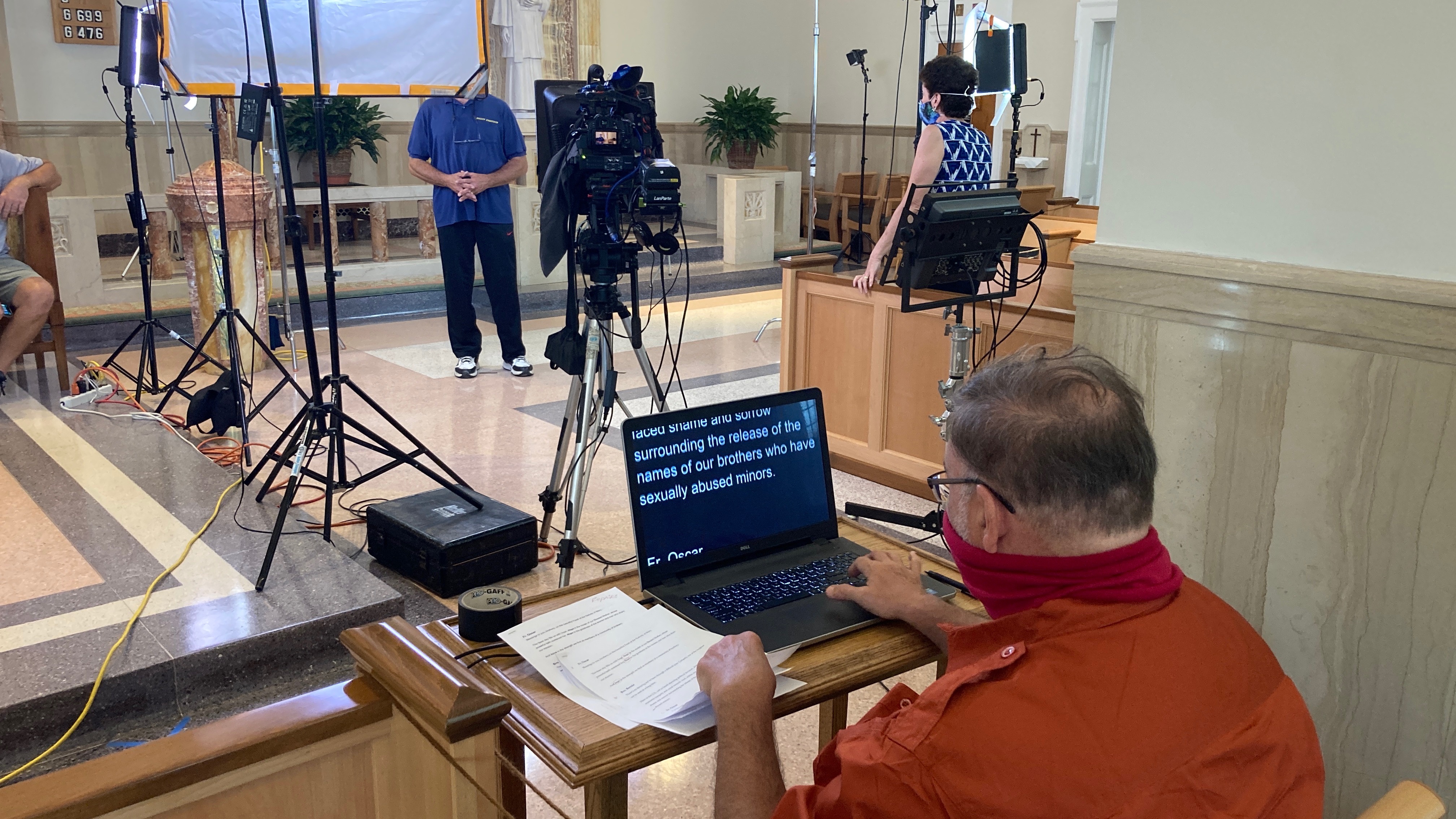
  4. Teleprompters: For a more professional and efficient message delivery, we provide teleprompters. This ensures that your on-camera talent can deliver their lines flawlessly.
  5. Aerial and Drone Footage: We have the capability to capture stunning aerial footage using drones, adding a unique perspective to your project and case study videos.

Repurposing Your Productions for Maximum Traction:

One of our specialties at St. Louis Commercial Video is repurposing your video content to gain more traction. Here’s why repurposing is a game-changer:

  1. Extended Reach: By repurposing your videos into different formats (such as blog posts, social media snippets, and presentations), you can reach a broader audience.
  2. Consistency: Repurposing ensures a consistent message across all your marketing channels, reinforcing your brand identity.
  3. Cost-Efficiency: It’s more cost-effective to repurpose existing content than to create entirely new materials from scratch.

Our Call to Action:

As a full-service video creation company, St. Louis Commercial Video has worked with many businesses and organizations in the St. Louis area to create their video productions. Our experienced team of videographers, directors, and producers can tailor video and photography services to meet your unique needs. We excel in shooting explainer videos, talking heads, interviews, and testimonials. With our expertise in capturing compelling b-roll footage, offering teleprompters for professional delivery, and using drones for breathtaking aerial shots, we’re ready to bring your success stories to life.

Conclusion:

In a world where visual content reigns supreme, project and case study videos are your secret weapon for establishing credibility, connecting emotionally with your audience, and showcasing your expertise. St. Louis Commercial Video is your trusted partner in harnessing the power of video to elevate your brand and reach new heights of success. Don’t miss out on the opportunity to captivate your audience and leave a lasting impression through the art of video storytelling. Contact us today and let’s embark on this exciting journey together.

stlouiscommercialvideo@gmail.com

 314-913-5626

Exploring The Types of Documentary Films

In the realm of video marketing, understanding the diverse landscape of documentary films is essential for businesses looking to capture their audience’s attention. Documentaries have proven time and again to be a powerful medium for engagement. If you’re seeking to enhance your brand’s visibility and create meaningful connections, documentaries might just be the ideal marketing tool for you. Let’s delve into the various types of documentary films and discover which one aligns best with your objectives.

Expository documentaries offer a dynamic blend of poetic storytelling and persuasive narration.

Types of Documentary Films for Video Marketing

When choosing a documentary style to complement your company’s brand, you have the opportunity to blend reality and fiction to convey a compelling message. Here are five distinctive types of documentary styles to consider:

  1. Poetic Styles for Emotional Impact Are you aiming to penetrate the core of a subject and encourage viewers to think beyond their own experiences? Poetic documentaries are an excellent choice for transporting audiences away from their current realities. This style of documentary invites viewers to contemplate the world from a fresh perspective, evoking deep emotions and profound thoughts.
  2. Participatory Styles for Clarity If you prefer not to leave your material open to interpretation, consider the participatory documentary approach. In this style, the narrator or filmmaker plays an active role in the documentary, guiding the narrative and ensuring it unfolds according to their vision. This level of involvement provides clarity and control over the message.
  3. Expository Type for Persuasion Are you looking to sway opinions and persuade your audience to see things from your perspective? Expository documentaries offer a dynamic blend of poetic storytelling and persuasive narration. This style allows you to craft a compelling narrative that can influence viewers in your favor. It’s also an effective way to inform your audience about your brand or a subject that’s close to your heart.
  4. Performance Type for Impact When you’re seeking to deliver an emotional or political punch, the performance documentary style is your go-to choice. This type of documentary is ideal for making a powerful statement and often involves a higher level of engagement from the narrator or director. It ensures that the message is conveyed with maximum impact and resonance.
  5. Reflexive Style for an Inside Look Reflexive documentaries are perfect for providing viewers with an intimate, behind-the-scenes look at your subject or filmmaking process. While many other documentary styles focus on showcasing various aspects of a subject, reflexive documentaries center on the subject itself or the filmmaking journey. This style is particularly appealing for brands because it offers audiences a chance to connect with the people behind the film and gain insights into the day-to-day efforts involved.

About Our Company

Documentaries serve as a compelling means to promote your business, whether for in-house presentations or reaching out to a wider audience. Now that you’re acquainted with the various documentary styles, you can embark on creating your own captivating narrative. If you’re in search of professional assistance to craft the perfect documentary film, look no further than St. Louis Commercial Video. Contact us today to explore our filmmaking services and bring your vision to life.

stlouiscommercialvideo@gmail.com

 314-913-5626

The Collaborative Process with Business Videographers

In today’s digital age, video has become a powerful tool for businesses to convey their messages, tell their stories, and connect with their audience. Whether it’s for marketing, training, or communication purposes, businesses are increasingly turning to professional videographers to create high-quality videos. In this comprehensive guide, we will delve into the collaborative process with business videographers, shedding light on how you can make the most of your partnership with them to achieve your video production goals.

Collaborate on creating a compelling script that aligns with your objectives.

Understanding the Role of Business Videographers

Before we dive into the collaborative process, let’s first establish a clear understanding of what business videographers do and why their expertise is invaluable for your video production needs.

1. Expertise in Storytelling: Business videographers are not just technical experts; they are skilled storytellers. They understand how to craft narratives that resonate with your target audience and effectively convey your message.

2. Technical Proficiency: Videographers possess a deep knowledge of camera equipment, lighting, sound, and editing techniques. This expertise ensures that your videos are of the highest quality, both visually and audibly.

3. Creativity and Innovation: Videographers bring fresh and creative ideas to the table. They can take your concepts and transform them into visually engaging and memorable videos.

4. Project Management: They are adept at managing all aspects of video production, from planning and pre-production to shooting and post-production. This allows you to focus on your business while they handle the technical details.

Now that we have a clear understanding of the role of business videographers, let’s explore the collaborative process involved in creating impactful videos.

The Collaborative Process with Business Videographers

Creating a successful video involves close collaboration between you (the client) and the business videographer. Here’s a step-by-step breakdown of the collaborative process:

1. Initial Consultation and Planning

The journey begins with an initial consultation between you and the videographer. During this meeting, you’ll discuss your goals, objectives, target audience, and the key message you want to convey. It’s essential to provide as much information as possible to ensure a clear understanding.

– Key Takeaways:

  • Share your vision and objectives.
  • Define your target audience.
  • Discuss budget and timeline.

2. Pre-Production

Once the project scope is defined, the videographer will move into the pre-production phase. This is where the groundwork is laid for the entire project.

– Key Pre-Production Activities:

  • Scriptwriting: Collaborate on creating a compelling script that aligns with your objectives.
  • Storyboarding: Visualize the video through storyboards or shot lists.
  • Location Scouting: Determine suitable shooting locations.
  • Casting: If actors or presenters are required, the videographer can assist with casting.
  • Equipment Setup: Ensure that all necessary equipment is ready for the shoot.

3. Production

With pre-production completed, it’s time to bring your video to life. The videographer will coordinate the shoot, ensuring that all planned elements are executed smoothly.

– Key Production Aspects:

  • Shooting: Capture the footage according to the script and shot list.
  • Lighting and Sound: Maintain high-quality visuals and audio.
  • Directorial Guidance: Videographers may provide direction to actors or presenters.

4. Post-Production

Post-production is where the magic happens. The videographer will edit the footage, add music, graphics, and any necessary effects to create a polished video.

– Post-Production Tasks:

  • Editing: Cut, trim, and arrange footage for the best storytelling.
  • Color Correction: Enhance visual appeal through color grading.
  • Sound Editing: Ensure clear and crisp audio.
  • Graphics and Effects: Add any necessary graphics or special effects.

5. Review and Feedback

Once the initial edit is ready, you’ll have the opportunity to review the video and provide feedback. This collaborative step ensures that the final product aligns with your vision.

– Key Considerations:

  • Timely Feedback: Promptly provide feedback to keep the project on track.
  • Iterative Process: Be prepared for multiple rounds of revisions to achieve the desired outcome.

6. Final Delivery

After incorporating your feedback and making any necessary revisions, the videographer will deliver the final video in the format of your choice. This video is now ready to be shared with your audience.

– Delivery Formats:

  • Web-ready formats: For online platforms.
  • Broadcast-quality formats: For television or larger screens.
  • Customized formats: Depending on your specific needs.

Why Choose St. Louis Commercial Video for Your Video Production Needs

At St. Louis Commercial Video, we take pride in our extensive experience and expertise as a full-service commercial video production studio. Our commitment to excellence and dedication to delivering outstanding results sets us apart in the industry. Here’s why you should choose us for your video production and crewing needs:

**1. Full-Service Studio and Location Production: Whether you prefer shooting in our well-equipped studio or on-location, we have the capabilities to handle all your production requirements.

**2. Customized Brand Identity: We understand the importance of maintaining a consistent brand identity across diverse media platforms. Our team can help you craft a personalized brand identity that resonates with your target audience while optimizing it for proper SEO.

**3. Versatility in Media: We are well-versed in handling various file types and styles of media. Whether you need a promotional video, training video, or any other type of content, we have the expertise to deliver.

**4. Broad Crew Experience: Our team comprises experienced professionals with a diverse skill set, from videographers and editors to sound engineers and scriptwriters. We have the talent and resources to cover any project you might have.

**5. Proven Results: As a full-service video creation company, St. Louis Commercial Video has a track record of working with numerous businesses in the St. Louis area to create impactful videos that get results.

Ready to embark on your video production journey with us? Contact us today to discuss your project, and let’s collaborate to bring your vision to life. Whether you need business videography on location or in our studio, we have the expertise and resources to meet your needs. Don’t miss the opportunity to harness the power of video for your business’s success.

As experienced professionals in the industry, we are confident in our ability to deliver high-quality videos that not only meet but exceed your expectations. Let’s work together to create videos that make a lasting impact and drive the results you desire. Contact St. Louis Commercial Video today and take the first step towards video production excellence.

stlouiscommercialvideo@gmail.com

 314-913-5626

Essential Tips for Incorporating B-Roll into Your Training Videos

In the ever-evolving landscape of corporate training and education, video content has become a cornerstone. It’s an effective medium for conveying information, engaging learners, and ensuring that complex concepts are understood. However, not all training videos are created equal. To truly capture your audience’s attention and maximize the educational impact of your content, you need to master the art of incorporating B-roll footage.

During the editing process, be ruthless with your B-roll selection. Trim excess footage that doesn’t contribute to the narrative or serves as filler.

As a seasoned videographer at St. Louis Commercial Video Production, I’ve had the privilege of working on countless training video projects. In this comprehensive guide, I’ll share my insights and expertise on how to seamlessly integrate B-roll into your training videos. By the end of this article, you’ll have a solid understanding of the importance of B-roll, practical tips for shooting and editing it, and how it can elevate your training content to the next level.

The Power of B-Roll in Training Videos

Before we dive into the nitty-gritty details of incorporating B-roll into your training videos, let’s first understand why it’s so crucial.

1. Visual Engagement

Human brains are wired to process visual information more efficiently than text or spoken words. B-roll provides a visual context that complements the primary content of your training video. It engages your audience by offering a change of scenery, breaking up the monotony of a single shot or talking head, and providing a deeper understanding of the subject matter.

2. Clarification and Demonstration

Some concepts are challenging to explain solely through narration or static visuals. B-roll allows you to demonstrate processes, procedures, and scenarios, making complex topics easier to grasp. It’s particularly valuable for technical or hands-on training where seeing the action is essential.

3. Aesthetic Appeal

Well-chosen B-roll footage not only enhances the educational value of your video but also adds an aesthetic quality to it. It can make your training video more visually appealing and enjoyable to watch, which can boost learner engagement and retention.

4. Storytelling

B-roll plays a crucial role in storytelling. It can help you create a narrative within your training video, making it more compelling and memorable. Whether you’re showcasing success stories or illustrating challenges, B-roll can help weave a narrative thread throughout your content.

Practical Tips for Shooting B-Roll

Now that you understand the significance of B-roll, let’s explore some practical tips for capturing high-quality B-roll footage.

1. Plan Ahead

Effective B-roll starts with careful planning. Before you even start shooting, create a shot list of the specific B-roll shots you’ll need to support your training content. This ensures that you capture all the necessary visuals and saves time during the editing process.

2. Match the Tone

Consistency in tone and style is crucial. Ensure that your B-roll footage aligns with the overall look and feel of your training video. Whether it’s a corporate setting, a laboratory, or a manufacturing plant, make sure the visuals are coherent and relevant.

3. Use the Right Equipment

At St. Louis Commercial Video Production, we understand the importance of having the right tools for the job. Invest in quality camera equipment, stabilizers, and lenses to capture smooth and visually appealing B-roll shots. Consider using drones for aerial footage or sliders for cinematic movements.

4. Pay Attention to Composition

Composition matters just as much in B-roll as it does in the main shots. Follow the rule of thirds, use leading lines, and think about framing and perspective. Well-composed B-roll shots can elevate the overall production quality.

5. Capture Plenty of Coverage

It’s better to have more B-roll footage than you need rather than falling short during editing. Shoot multiple takes from various angles to give your editor plenty of options. This flexibility is invaluable during the post-production phase.

6. Focus on Details

B-roll should capture the small details that help tell the story. Close-ups of hands working on a task, machinery in motion, or products being manufactured can add depth and authenticity to your training video.

7. Utilize Natural Lighting

Whenever possible, use natural light for your B-roll shots. It creates a more realistic and flattering look. If you must use artificial lighting, ensure it matches the lighting in your primary shots to maintain consistency.

8. Pay Attention to Sound

While B-roll is primarily about visuals, don’t neglect the importance of sound. Recording ambient sounds during your B-roll shoots can enhance the immersive experience and add authenticity to your training videos.

B-Roll Editing Techniques

Shooting quality B-roll is only half the battle. The other half lies in the editing room. Here are some essential techniques for seamlessly integrating B-roll into your training videos.

1. Establish a Hierarchy

Identify the key B-roll shots that will complement your primary content. Create a hierarchy that guides the viewer’s attention. Use establishing shots to set the scene and detail shots for specific actions or elements.

2. Maintain a Flow

Transition smoothly between your primary content and B-roll footage. Use cuts, fades, or other transitions to avoid jarring jumps between shots. The goal is to maintain a natural flow that keeps the viewer engaged.

3. Sync with Narration

Sync your B-roll footage with the narration or spoken content. The visuals should reinforce and complement what’s being said. This synchronization helps reinforce key points and ensures that your B-roll serves an educational purpose.

4. Keep it Relevant

Resist the temptation to use B-roll merely for visual flair. Each B-roll shot should have a clear purpose and relevance to the training content. Overusing or misusing B-roll can distract from the main message.

5. Trim Excess Footage

During the editing process, be ruthless with your B-roll selection. Trim excess footage that doesn’t contribute to the narrative or serves as filler. Conciseness is key to keeping your training video engaging.

6. Add Graphics and Text

Incorporate graphics, text overlays, or captions when necessary to provide additional context or information. This can be especially useful when explaining diagrams, charts, or data in your training videos.

The Role of Music and Sound Effects

While B-roll primarily focuses on visuals, the auditory elements also play a significant role in enhancing the training video experience. Here’s how to leverage music and sound effects effectively:

1. Choose the Right Music

Select background music that complements the tone and message of your training video. Ensure it doesn’t overpower the narration or distract from the visuals. The music should enhance the overall experience without being obtrusive.

2. Use Sound Effects Sparingly

Sound effects can add realism and engagement to your training video. However, use them sparingly and purposefully. Overusing sound effects can make your video feel gimmicky and detract from the educational content.

Final Thoughts

Incorporating B-roll into your training videos is a skill that can significantly elevate the quality and impact of your content. Whether you’re a corporate trainer, educator, or content creator, mastering the art of B-roll is essential in today’s visual-centric learning landscape.

At St. Louis Commercial Video Production, we understand the importance of creating compelling and effective training videos. With our extensive experience in both studio and location video production, we have the expertise and equipment to help you achieve your training video goals. Our full-service video company has worked with businesses of all sizes in the St. Louis area, delivering top-notch video and photography services for a wide range of projects.

If you’re ready to take your training videos to the next level, we invite you to partner with us. Contact St. Louis Commercial Video Production today, and let us help you enhance your internal and external communications through the power of B-roll and expert video production.

Call to Action: As a full-service video company, St. Louis Commercial Video Production has worked with businesses of all sizes in the St. Louis area. We are experts at simultaneously shooting video and photography for your next project. Contact us today to elevate your training videos and achieve your communication goals through the art of B-roll and expert video production.

stlouiscommercialvideo@gmail.com

 314-913-5626