Author Archives: stlouiscommercialvideo

Editing Video Interviews: Adding B-Roll Is Easier Than You Think

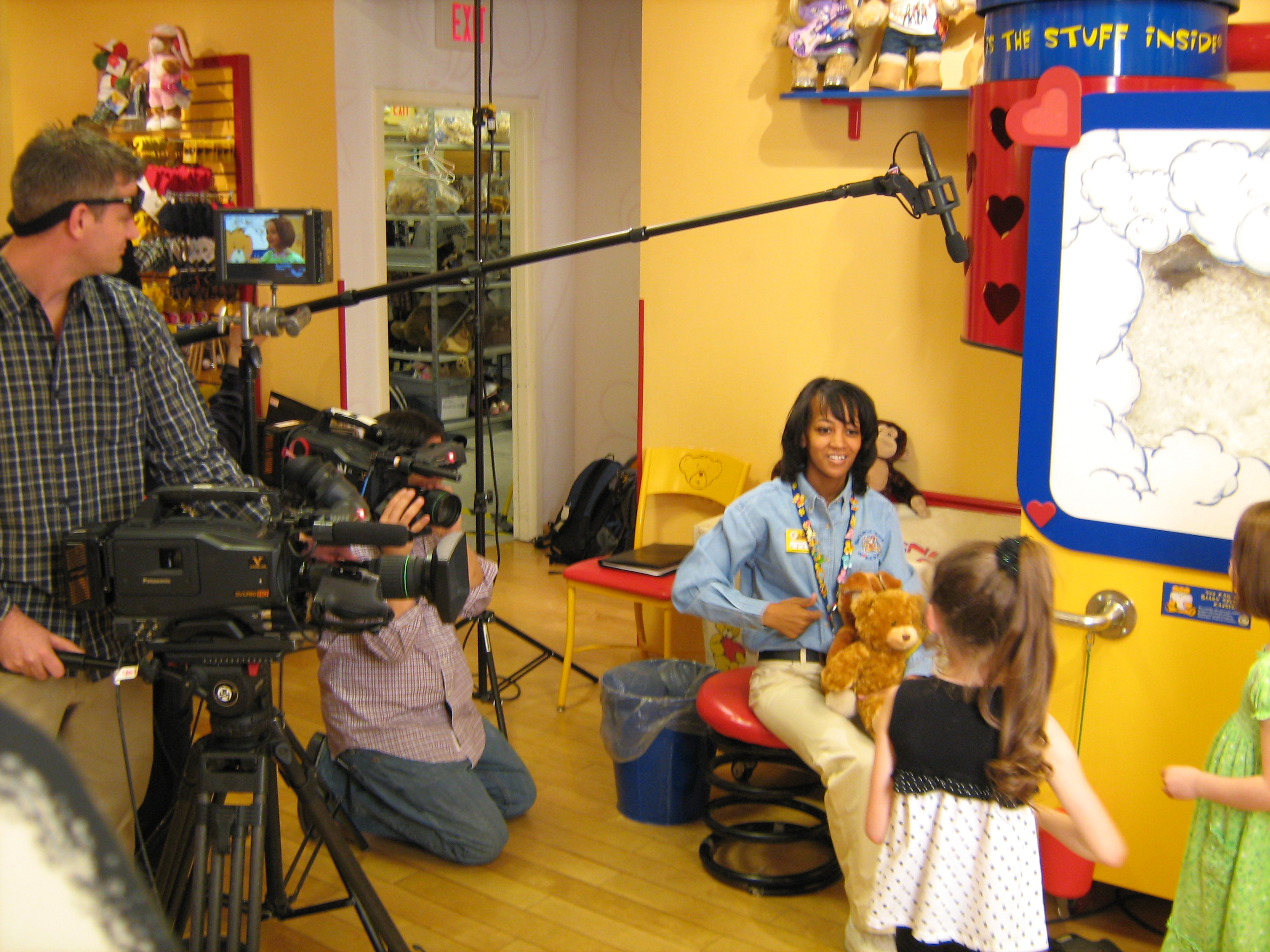
In the world of professional video production, editing video interviews is a critical component of storytelling. While a well-shot interview provides the foundation, incorporating B-roll footage enhances the visual experience, maintains viewer engagement, and adds depth to the message. Many decision-makers in photography, marketing, and video production believe integrating B-roll is a complicated process, but with the right planning and expertise, it’s easier than you think. Here’s how you can effectively add B-roll to your interview footage to create dynamic and engaging content.

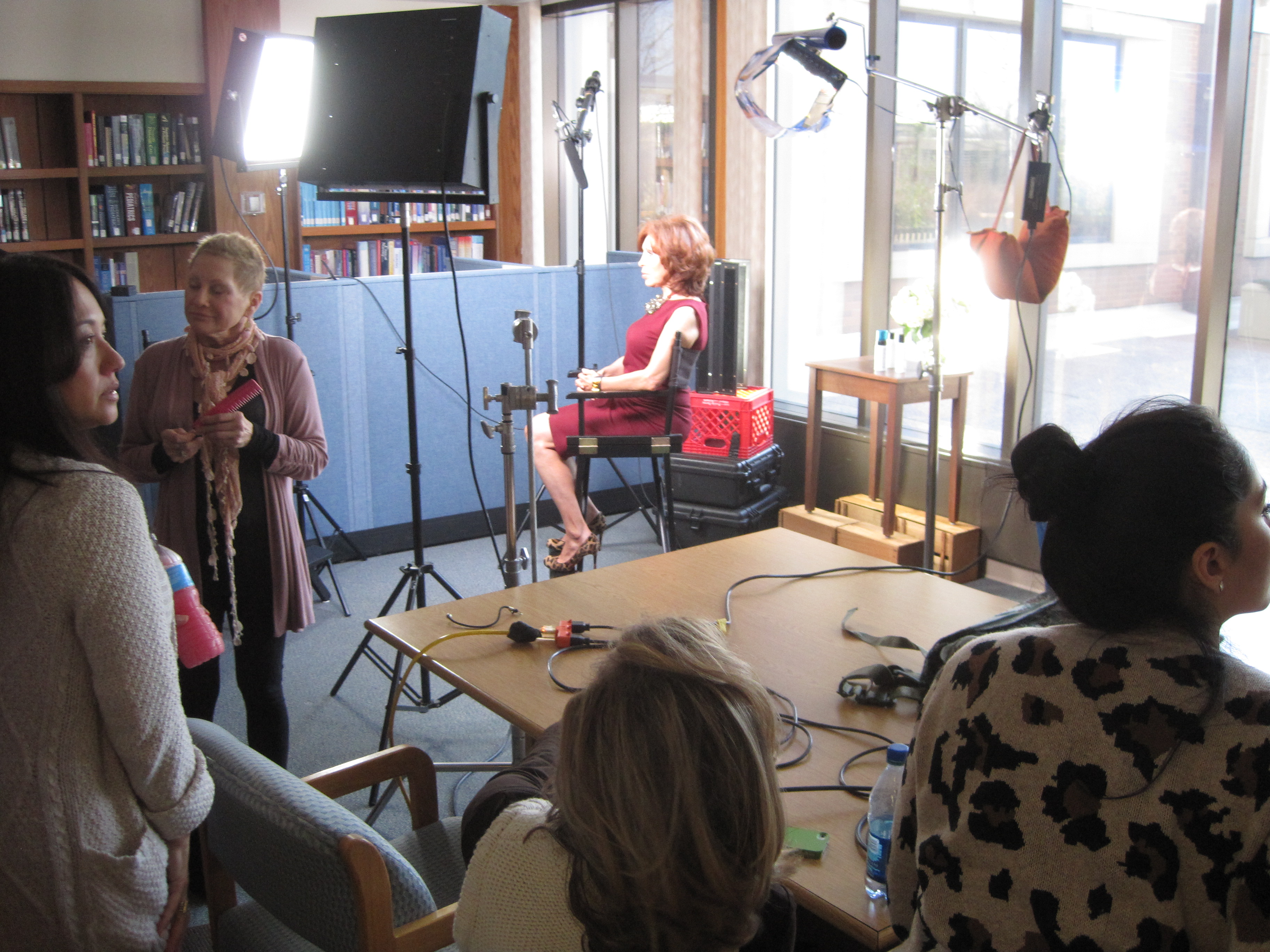
While static B-roll is useful, incorporating subtle motion like slow zooms or pans can add polish.

Why B-Roll Matters in Interview Videos

B-roll serves as a vital storytelling tool, complementing the primary A-roll (interview footage) by:

  • Enhancing Visual Appeal: Breaking up long talking-head shots with supporting visuals prevents monotony and keeps viewers engaged.
  • Providing Context: B-roll helps illustrate the subject’s points, reinforcing key messages with real-world visuals.
  • Improving Flow and Pacing: Smooth transitions between A-roll and B-roll make the video feel seamless, enhancing overall watchability.
  • Covering Jump Cuts: If you need to edit out filler words, pauses, or errors in an interview, B-roll can serve as a seamless transition to maintain fluidity.

How to Select the Right B-Roll

The effectiveness of B-roll depends on its relevance to the interview content. When selecting or capturing B-roll, consider:

  • Story Alignment: Choose footage that directly supports what’s being said in the interview.
  • Emotional Impact: B-roll should enhance the emotional tone of the interview, whether it’s serious, inspirational, or lighthearted.
  • Diversity of Shots: Utilize a mix of close-ups, mid-range shots, and wide angles to add variety.
  • Action-Oriented Clips: Footage that shows the interview subject in action—such as demonstrating a product, interacting with clients, or working in their environment—adds authenticity.

Techniques for Seamless B-Roll Integration

Incorporating B-roll effectively requires careful planning and a strong understanding of editing techniques. Here are some professional strategies:

1. Plan Ahead During Production

If possible, capture B-roll footage while filming the interview. This ensures consistency in lighting, resolution, and framing. Pre-production planning can identify the types of supplementary footage needed based on the interview topic.

2. Use Natural Transition Points

Look for moments in the interview where the subject mentions specific places, people, or actions. These points are ideal for cutting away to B-roll footage while keeping the dialogue intact.

3. Maintain Audio Continuity

When adding B-roll, keep the interview audio running in the background. This maintains narrative coherence and avoids a disjointed feel.

4. Apply Motion and Effects Thoughtfully

While static B-roll is useful, incorporating subtle motion like slow zooms or pans can add polish. However, avoid excessive effects that distract from the core message.

5. Optimize for Different Platforms

Consider how the video will be used—whether for social media, websites, or broadcast. Editing variations may be needed for different formats to ensure the best impact.

How St Louis Commercial Video Can Help

At St Louis Commercial Video, we specialize in producing high-quality commercial photography and video content that aligns with your marketing goals. As a full-service professional video production company, we provide:

  • Studio and On-Location Filming: Whether you need a controlled studio setting or a dynamic on-site shoot, we have the expertise and equipment to deliver.
  • Expert Editing and Post-Production: Our team seamlessly integrates B-roll into your interview footage to enhance storytelling and professionalism.
  • Licensed Drone Pilots: We offer aerial and even indoor drone footage to add unique perspectives to your projects.
  • Custom Interview Studio Setup: Our private studio provides the perfect environment for professional interviews, complete with high-quality lighting and sound.
  • Versatility Across Media Formats: We are well-versed in all file types and media styles, ensuring compatibility across platforms and marketing strategies.

Since 1982, St Louis Commercial Video has worked with businesses, marketing firms, and creative agencies throughout St. Louis, helping them create compelling visual content that resonates with their audience. Whether you need a full-scale production or expert editing for your next interview video, we have the skills, equipment, and creative insight to bring your vision to life.

Contact us today to learn how we can enhance your video production with expertly crafted B-roll integration!
stlouiscommercialvideo@gmail.com

 314-913-5626

Video Marketing Strategies for Small Medical and Bio-Science Businesses

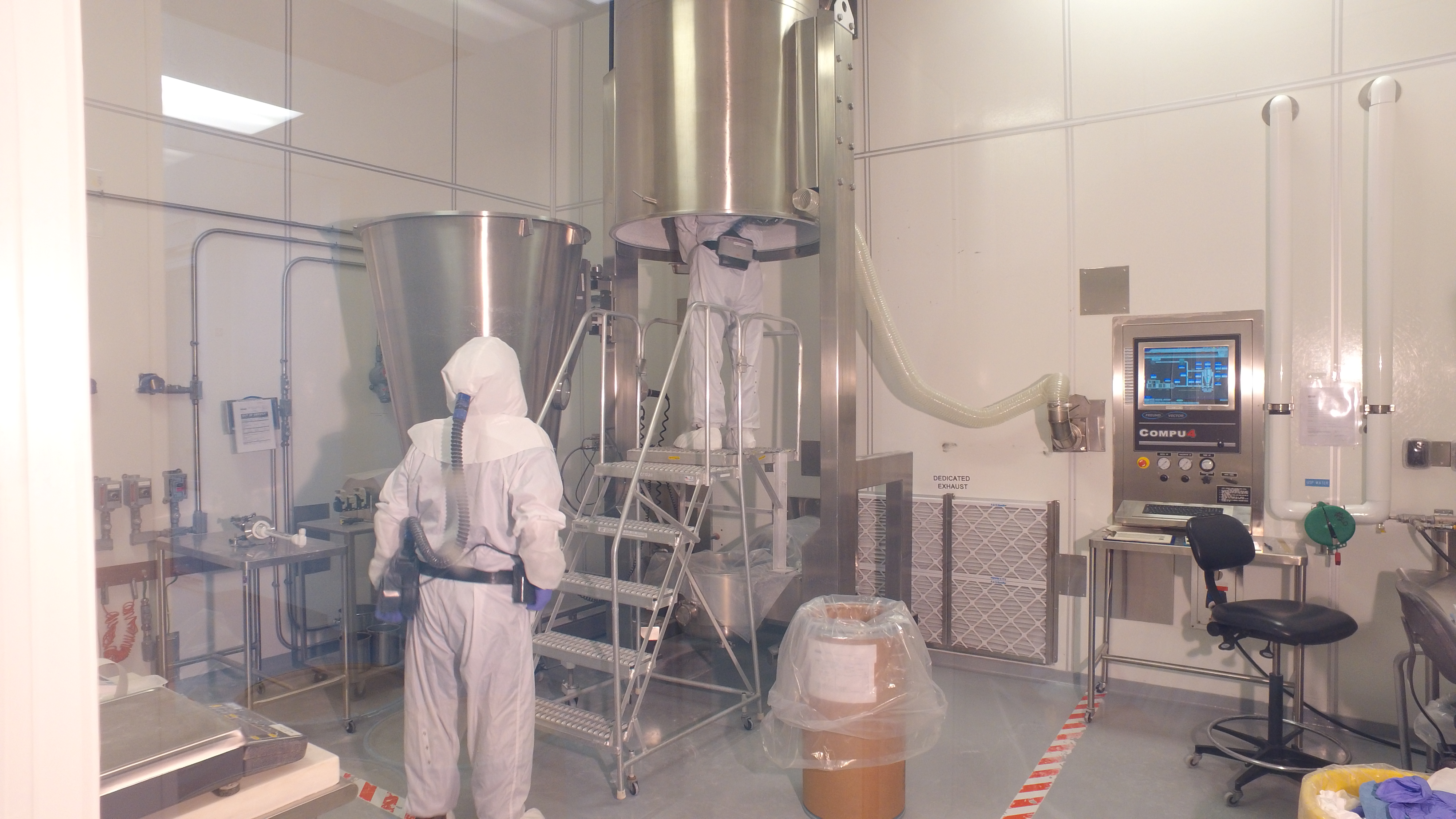
In today’s competitive digital landscape, video marketing has become one of the most powerful tools for promoting products and services. For small medical and bio-science businesses, video can serve as a bridge to communicate complex concepts, showcase expertise, and build trust with potential clients. Whether you are a healthcare provider, a biotech firm, or a medical device manufacturer, utilizing effective video marketing strategies can help you grow your brand, educate your audience, and increase conversions.

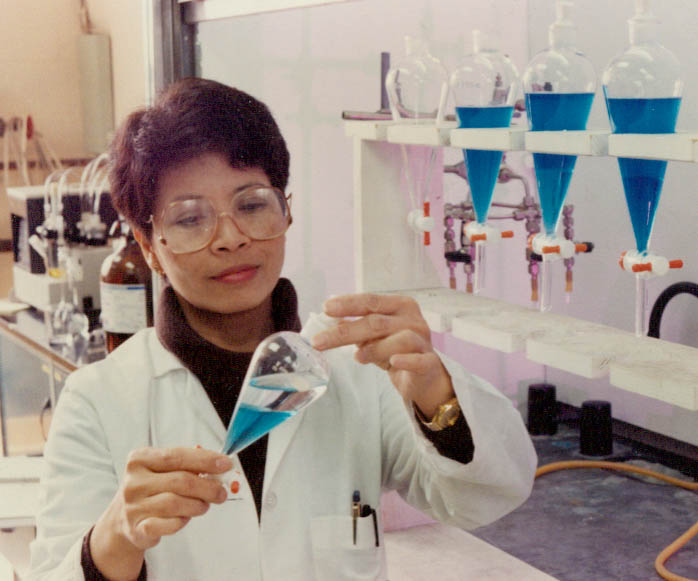
Video testimonials have the added benefit of capturing authentic emotion, making them more relatable and impactful.

Why Video Marketing Works for the Medical and Bio-Science Industry

Video is particularly effective in the medical and bio-science industries due to its ability to simplify complicated information and make it more accessible to a broad audience. Here are a few reasons why video marketing is essential for small businesses in these fields:

  1. Clear Communication of Complex Ideas Medical and bio-science topics can often be technical and difficult for the average person to understand. Videos allow you to break down complex concepts into digestible formats, whether through animations, demonstrations, or expert interviews. This not only educates but also helps build trust and authority within the industry.
  2. Increased Engagement Studies show that people are more likely to engage with video content compared to other forms of media. Videos can keep viewers’ attention longer, leading to more time spent on your website or social media pages, which can drive conversions and lead to higher levels of customer retention.
  3. Showcase Testimonials and Success Stories Video testimonials from satisfied patients or clients can be incredibly effective in showcasing the impact your product or service has had. It provides real-world proof of success and builds credibility, especially in industries like medicine and bio-science where trust is key.
  4. Boost SEO Performance Search engines love video content, and websites that incorporate video are often ranked higher in search results. This is especially important for medical and bio-science businesses trying to stand out in a highly competitive field. By optimizing your video content with the right keywords, titles, and descriptions, you can increase visibility and drive traffic to your website.

Types of Video Content for Medical and Bio-Science Marketing

There are many different types of video content that small medical and bio-science businesses can leverage to enhance their marketing strategy. Here are a few popular video types:

  1. Product Demos A product demo video is an excellent way to showcase your medical device, pharmaceutical product, or biotechnology solution in action. It allows your audience to see the product’s value and how it works, which can influence purchasing decisions.
  2. Educational Videos Educational content, such as “How-to” videos or explainer videos, can provide valuable insights into medical procedures, treatments, or scientific advancements. This is a great way to position your brand as an expert in the field while offering real value to your audience.
  3. Customer Testimonials A well-shot video testimonial featuring patients, clients, or partners talking about their experience with your product or service is one of the most powerful tools to build credibility and trust. Video testimonials have the added benefit of capturing authentic emotion, making them more relatable and impactful.
  4. Behind-the-Scenes Videos Offering a behind-the-scenes look at your company or research facility can help humanize your brand. It’s a great way to show the science behind your products, your team’s dedication, or the level of care that goes into patient treatment.
  5. Interview and Thought Leadership Videos Showcasing interviews with medical professionals, scientists, or industry experts is an excellent way to provide valuable insights and further establish your authority in the field. Thought leadership videos can focus on industry trends, the latest research, or upcoming innovations.

Tips for Effective Video Marketing

To make the most of your video marketing efforts, here are a few best practices for producing and distributing videos for your medical or bio-science business:

  1. Keep It Clear and Concise Attention spans are short, so make sure your videos are concise, clear, and to the point. Focus on delivering value in the first 30 seconds to hook your audience.
  2. Invest in High-Quality Production The quality of your video reflects the quality of your business. Invest in professional video production to ensure your videos look polished and are free of distractions like poor lighting or shaky camera work.
  3. Use Engaging Thumbnails and Titles The thumbnail is the first thing people see when browsing videos. Make sure your thumbnail is visually appealing, and your title is clear, attention-grabbing, and relevant to the content.
  4. Optimize for Mobile Mobile users account for a significant portion of video consumption, so ensure your videos are optimized for mobile devices. This includes keeping the content vertical for platforms like Instagram and TikTok and ensuring the video loads quickly.
  5. Include Clear Calls to Action (CTAs) Every video should include a clear CTA. Whether you want your viewers to schedule a consultation, download a whitepaper, or learn more about your services, a well-placed CTA can turn passive viewers into active leads.

St. Louis Commercial Video: Your Trusted Partner in Video Production

At St. Louis Commercial Video, we understand the unique challenges of marketing in the medical and bio-science industries. With over 40 years of experience in the field, our team of professionals specializes in producing high-quality, engaging video content that is tailored to your specific needs. We offer full-service studio and location video and photography, as well as editing, post-production, and licensed drone pilots.

Whether you need a custom interview studio setup, product demo, or behind-the-scenes video, we have the equipment and creative crew to make your vision a reality. Our private studio is equipped with specialized lighting and visual setups for small productions and interviews, and we can even fly drones indoors for unique shots that stand out. We are experts at repurposing your photography and video content to give your branding more traction, ensuring that your message reaches the right audience in the most effective way possible.

St. Louis Commercial Video has been serving businesses, marketing firms, and agencies in the St. Louis area since 1982, offering a comprehensive range of services to ensure the success of every production. From sound and camera operators to editing and post-production, we have everything you need to make your next video production perfect.

Let us help you create compelling, results-driven video marketing content that will elevate your business in the medical and bio-science sectors. Contact us today to get started!

stlouiscommercialvideo@gmail.com

 314-913-5626

Easy Steps to Plan Your Training Video Production

Creating a training video can be a powerful way to communicate valuable information to your employees, clients, or customers. Whether you’re showcasing a new process, demonstrating a product, or explaining your company’s values, a training video offers a clear, engaging way to convey complex ideas. However, creating an effective training video requires careful planning, coordination, and the right team to ensure the message is communicated clearly and effectively.

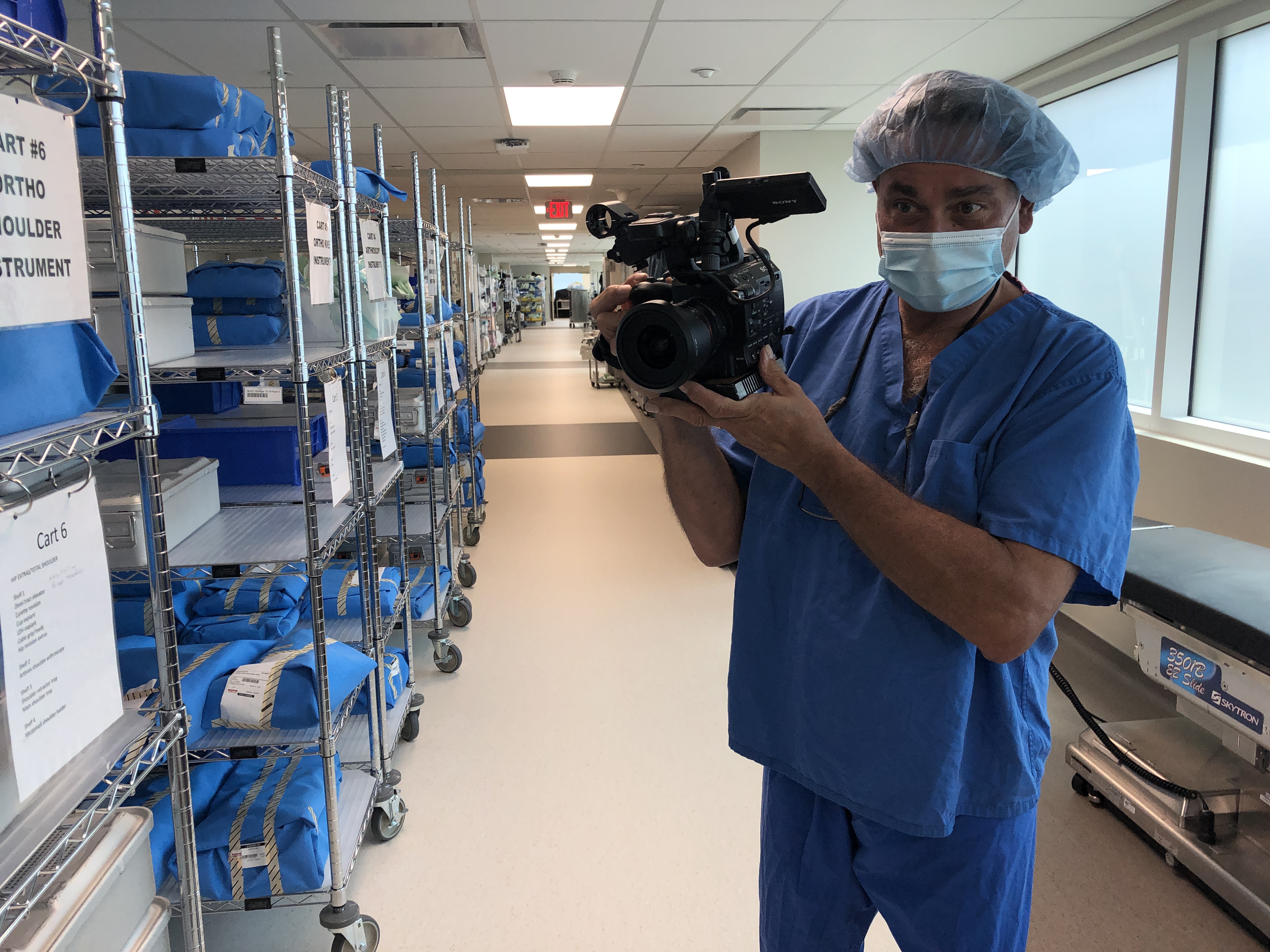
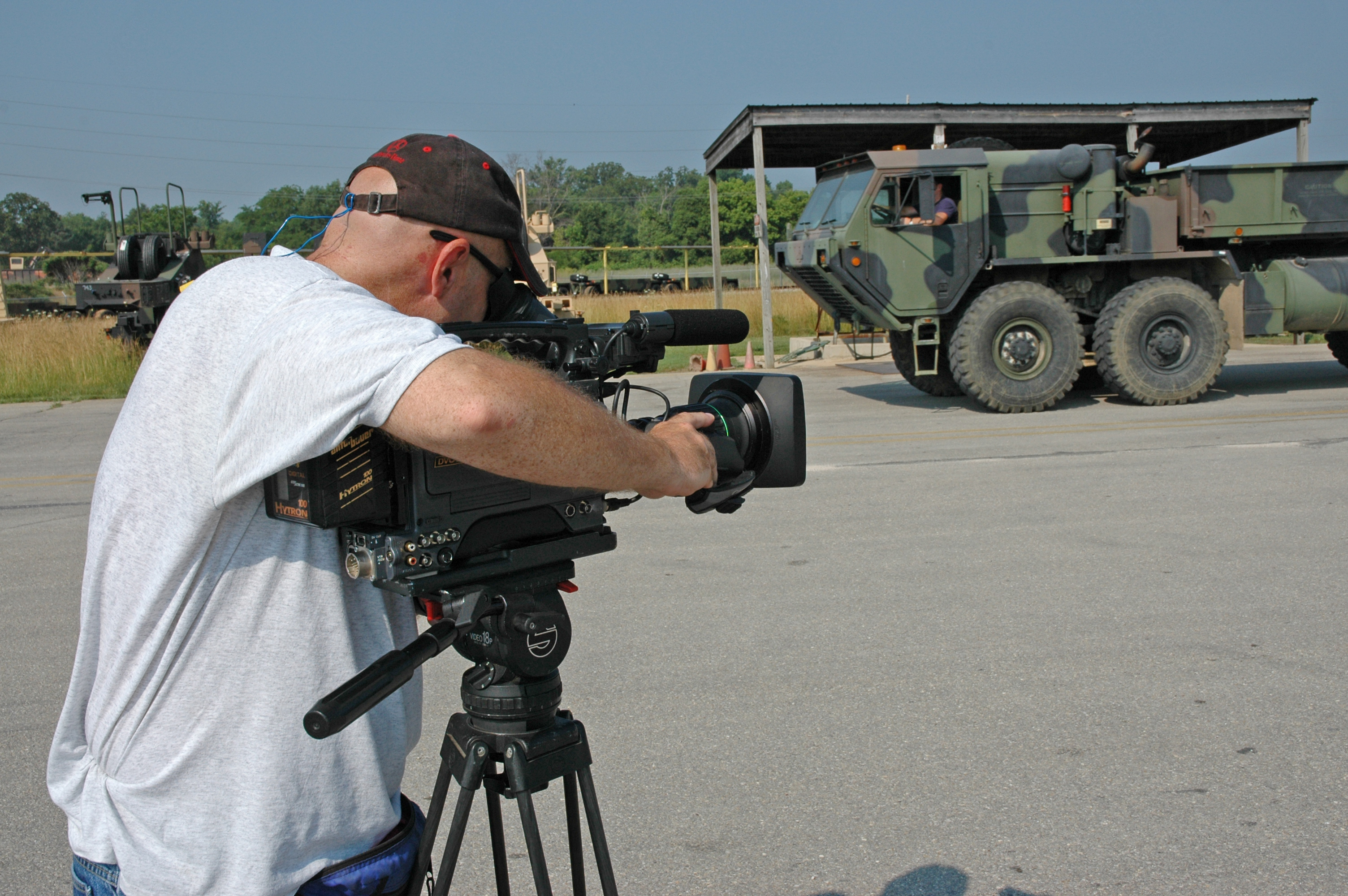
Whether you’re shooting in a studio or on-location, the environment should complement the content.

In this article, we’ll walk you through the essential steps to planning a successful training video production. These steps will guide you from pre-production through to post-production, ensuring your video achieves its objectives.

1. Define the Goal and Audience

The first step in any video production is to define the purpose of the video and the audience you want to reach. Is the training video meant to onboard new employees? Educate customers on how to use a product? The more specific you are about the goal, the better the outcome will be.

Understanding your audience is equally important. What’s their level of knowledge about the subject? Are they looking for a deep dive into a topic or just a quick overview? Tailoring your content to the audience ensures the video is relevant and impactful.

2. Create a Script or Outline

Once you know your objective and audience, the next step is to create a script or outline. This is a crucial stage where the structure and flow of the video are established.

For a training video, the script should cover all the key points that need to be communicated. Be sure to break it down into sections, with each part clearly outlining what’s going to be covered. This makes the video easier to digest for the audience. The script should also incorporate any visual or graphic elements you want to include, such as on-screen text, animations, or diagrams.

3. Choose the Right Location and Equipment

Choosing the right location is vital for setting the tone and ensuring high production value. Whether you’re shooting in a studio or on-location, the environment should complement the content. The setting should be clean, uncluttered, and conducive to clear communication.

At St. Louis Commercial Video, we offer a private studio with lighting and visual setups perfect for small productions and interview scenes. Our large studio can even accommodate props to round out your set and help create an immersive learning environment. For on-location shoots, we have extensive experience working in a wide variety of settings, including offices, factories, and more.

In addition to location, having the right equipment is key to producing high-quality training videos. This includes cameras, lighting, sound equipment, and editing software. Our team at St. Louis Commercial Video is equipped with the latest tools to ensure your training video looks professional and polished. We can also fly specialized drones indoors for dynamic aerial shots.

4. Pre-Production Planning

Pre-production is where you plan all the details for your video shoot. This includes securing the necessary permits, scheduling crew members, and organizing the props, costumes, and any additional materials needed for the production. You’ll also want to create a shooting schedule that outlines what shots will be captured and in what order.

A solid pre-production plan will save time on the day of the shoot and ensure everything goes smoothly. Make sure to communicate clearly with your team about their roles, expectations, and timelines.

5. Filming the Training Video

The filming stage is where everything comes together. The director, camera operators, sound engineers, and other crew members will collaborate to capture the footage according to the plan.

At St. Louis Commercial Video, we provide sound and camera operators, as well as the equipment necessary for a successful shoot. Whether it’s a simple interview or a complex multi-location production, we have the experience and resources to handle it all.

6. Editing and Post-Production

Once filming is complete, the editing process begins. This is where the raw footage is turned into a cohesive video. Editing involves cutting unnecessary footage, adding transitions, inserting graphics or text, and adjusting the sound. This is also the stage where you can integrate any special effects, animations, or on-screen prompts to enhance learning.

Our team at St. Louis Commercial Video is well-versed in all file types and styles of media, ensuring that the final product is compatible with your preferred platform or distribution method. We also specialize in repurposing video and photography content, so you can maximize the value of your training materials across various channels.

7. Review and Final Adjustments

Before delivering the final training video, it’s important to review the video to ensure it meets the objectives and resonates with the audience. Get feedback from key stakeholders and make any necessary revisions. If your training video includes instructional material, it’s essential to verify that all information is accurate and easy to follow.

8. Distribution and Tracking Effectiveness

Once your video is finalized, it’s time to distribute it to your audience. Depending on your needs, this might involve uploading it to your internal learning management system (LMS), hosting it on a website, or sharing it via email. Consider tracking the effectiveness of your training video by monitoring engagement and feedback.

Why Choose St. Louis Commercial Video?

At St. Louis Commercial Video, we’ve been providing professional photography and video production services since 1982. Our experienced team is dedicated to creating top-quality videos that meet your corporate needs, from training materials to promotional content.

We offer full-service studio and location video and photography, along with editing, post-production, and licensed drone pilots. Our private studio features customizable setups perfect for small productions and interview scenes, and we can even accommodate props to enhance your set. Whether you need a custom interview studio or a full production team, we’ve got you covered. We’re experts in repurposing photography and video branding to help you gain more traction across various platforms.

Let St. Louis Commercial Video be your trusted partner in creating successful training videos that engage and educate your audience. With the right equipment and creative crew, we ensure every production is executed with precision and professionalism. Contact us today to start planning your next video production!

stlouiscommercialvideo@gmail.com

 314-913-5626

The Pros and Cons of Different Video Production Interview Styles

In the world of corporate video production, interviews are often the backbone of content creation. Whether it’s for marketing, internal communications, or customer testimonials, the style of interview you choose will significantly impact the overall effectiveness and engagement of your video. Different styles serve different purposes, and each has its unique advantages and challenges. In this blog post, we will explore the pros and cons of various video production interview styles to help you make an informed decision for your next project.

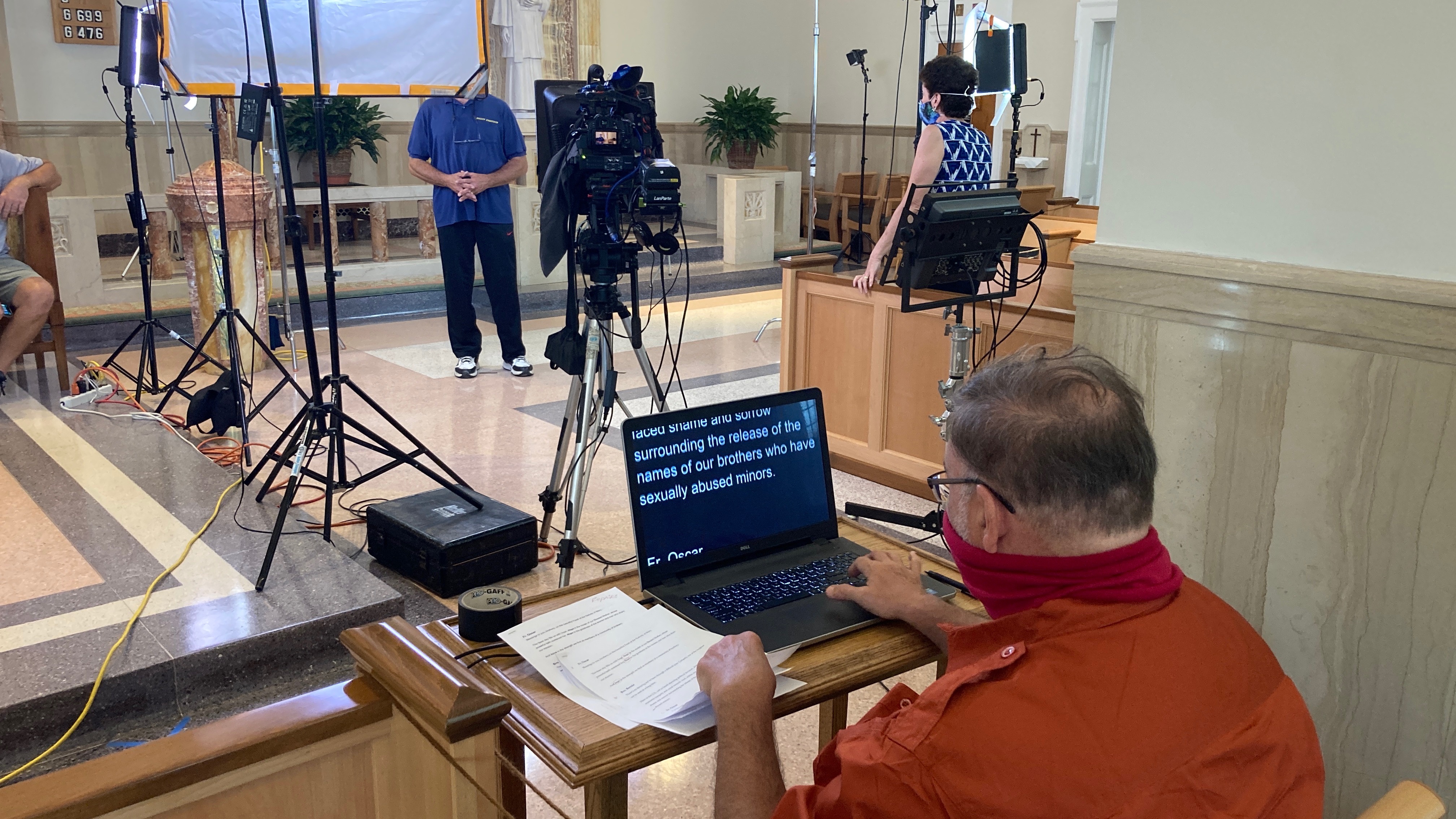
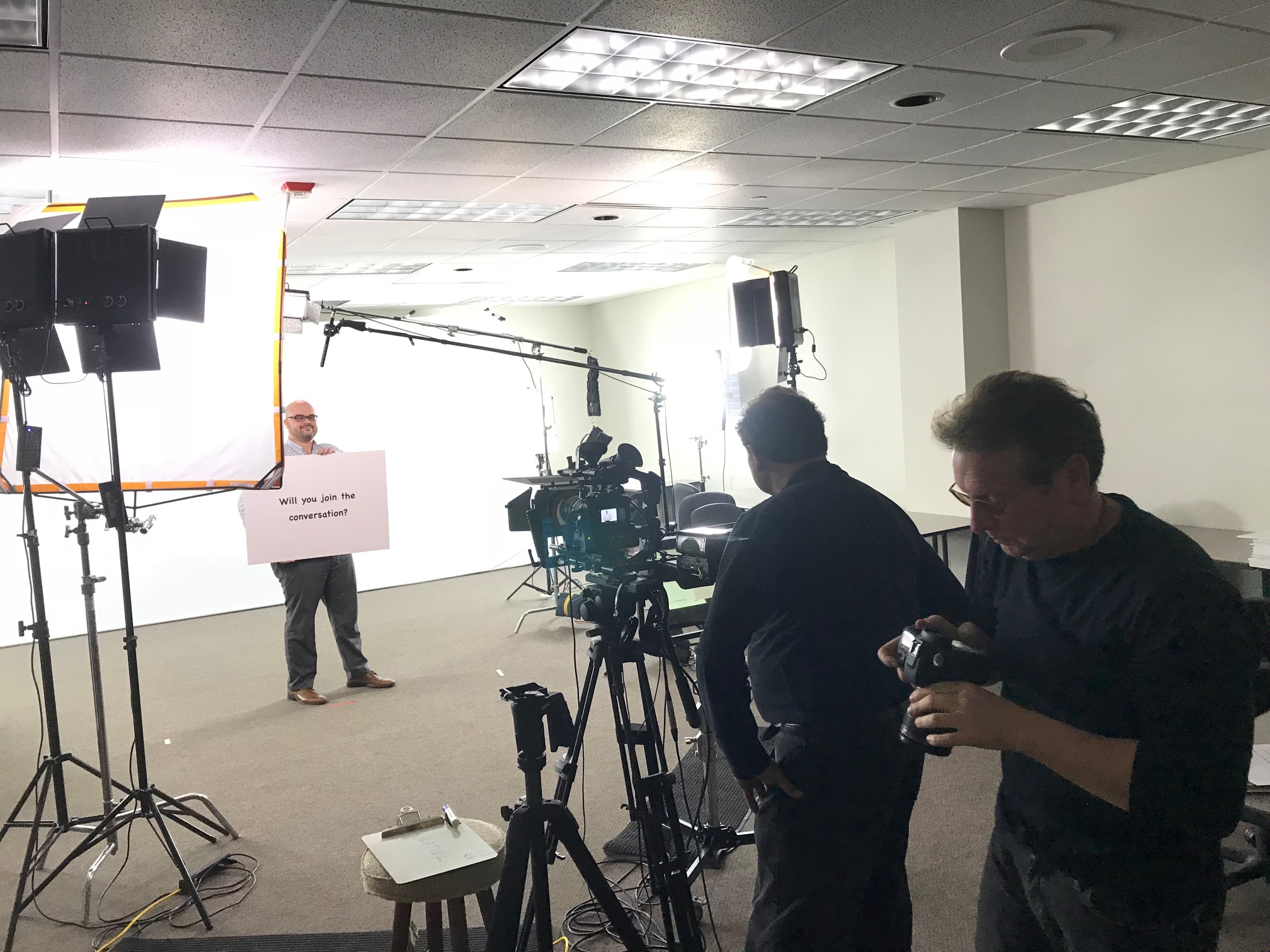
With two cameras, you can switch between shots for a more dynamic and visually interesting experience.

1. The Traditional Sit-Down Interview

The sit-down interview is the most classic and widely used format in corporate video production. In this style, the interviewee is typically seated facing the camera, with a background that complements the topic of the interview.

Pros:

  • Simplicity and Professionalism: The traditional style is clean and professional, making it perfect for corporate settings. It allows the viewer to focus on the subject matter without distractions.
  • Controlled Environment: You can control the lighting, sound, and other elements, ensuring consistency in every shot.
  • Effective for Authority Figures: It works well for leaders, executives, or anyone whose authority and expertise need to be highlighted.

Cons:

  • Lack of Variety: A static shot can make the video feel monotonous if not executed well. Viewers may lose interest, especially in long interviews.
  • Less Dynamic: It may not be ideal for storytelling or conveying emotion, as the interviewee may appear too rigid.

2. On-Location Interviews

On-location interviews are conducted in a real-world setting, whether at the interviewee’s office, a customer’s home, or an outdoor location. This style provides more context and can make the video feel more authentic.

Pros:

  • Contextual Relevance: The location can add meaning to the interview, visually reinforcing the subject matter. For example, a real estate agent in a home or a business executive at the office creates a sense of authenticity.
  • Dynamic Environment: The changing environment adds visual interest, making the video feel more lively and engaging.

Cons:

  • Less Control: Filming on-location comes with its challenges, such as uncontrolled lighting, noise, and possible distractions. These factors can impact video quality.
  • Logistical Complexity: Securing permits, coordinating schedules, and dealing with unpredictable weather can add time and cost to the production process.

3. Walking Interviews

In a walking interview, the subject walks through a location while being filmed, often with the interviewer off-camera asking questions. This style can create a more dynamic and informal feel.

Pros:

  • Natural Movement: This style allows the interviewee to appear more relaxed and natural, as if they’re having a conversation rather than answering stiff questions.
  • Engaging Visuals: The movement adds visual interest, and the environment can be used to support the narrative of the interview.

Cons:

  • Logistical Challenges: Walking and talking while being filmed requires careful coordination of cameras and lighting, which can be challenging to execute smoothly.
  • Distractions: The movement may detract from the subject matter if the setting is too busy or noisy.

4. Two-Camera Interviews

In a two-camera interview, multiple cameras are used to capture different angles of the subject, such as a wide shot and a close-up.

Pros:

  • Dynamic Perspective: With two cameras, you can switch between shots for a more dynamic and visually interesting experience.
  • Improved Engagement: Changing perspectives keeps the viewer engaged and creates a more immersive viewing experience.
  • Ideal for Editing: This style is perfect for editing, as the two angles give you more flexibility in the post-production phase.

Cons:

  • More Complex Setup: Using multiple cameras requires more equipment, crew, and time for setup, making it more expensive and labor-intensive.
  • Increased Editing Time: The additional footage will also add time to the post-production phase.

5. Green Screen Interviews

A green screen interview involves shooting the interview with a solid green background, which can later be replaced with any desired background in post-production.

Pros:

  • Endless Possibilities: You can create any environment for your interviewee, whether it’s a corporate office, a digital background, or an abstract visual.
  • Controlled Environment: Like the traditional sit-down interview, a green screen setup gives you complete control over lighting, sound, and other elements.

Cons:

  • Post-Production Intensive: This style requires significant work in post-production to insert the background, which can be time-consuming and costly.
  • Unnatural Look: If not done well, green screen effects can look artificial or distract from the message of the interview.

6. Roundtable Interviews

Roundtable interviews feature multiple people participating in a discussion, often with each individual facing the camera. This style is ideal for panel discussions, brainstorming sessions, or group interviews.

Pros:

  • Collaborative Atmosphere: A roundtable interview can showcase a collaborative environment, emphasizing teamwork and the exchange of ideas.
  • Multiple Perspectives: It provides a broader range of viewpoints, making it perfect for exploring diverse opinions on a topic.

Cons:

  • Coordination Challenges: Managing multiple people in a single shot requires careful camera work and coordination to ensure everyone is adequately framed and heard.
  • Potential for Disorganization: If not moderated properly, the conversation may become disorganized, leading to less cohesive messaging.

St. Louis Commercial Video: Your Trusted Partner for Video Production Success

At St. Louis Commercial Video, we have been working with businesses, marketing firms, and agencies since 1982 to provide professional video and photography production services. Our extensive experience in the industry means we understand the unique needs of each production, whether it’s a traditional sit-down interview or a dynamic on-location video shoot.

As a full-service professional commercial photography and video production company, we offer everything you need for a successful production, including full-service studio and location video and photography, editing, post-production, and licensed drone pilots. Our team of creative professionals is well-versed in a variety of file types and media styles, ensuring that your content is perfectly tailored to your objectives.

Our private studio is equipped with customizable lighting setups for small productions and interview scenes. It’s large enough to incorporate props, allowing us to create the perfect environment for your interview or video shoot. We specialize in flying drones indoors, adding a unique touch to your video production.

No matter what style of interview or video production you choose, St. Louis Commercial Video can help with every part of the process—from private custom interview studio setups to providing sound and camera operators, and even offering specialized equipment for perfect video results.

Choose St. Louis Commercial Video for your next project, and experience the difference our equipment, expertise, and creative vision can make in bringing your ideas to life.

stlouiscommercialvideo@gmail.com

 314-913-5626

Exploring Short-Form Video Content

In today’s fast-paced digital landscape, short-form video content has emerged as a powerful tool for businesses and organizations to engage their audiences effectively. As decision-makers in photography and video production, understanding the nuances of short-form content can significantly impact your marketing strategies and overall brand messaging.

Tailor your content to fit the platform’s specific requirements and audience preferences. Each platform has its unique culture and best practices.

The Rise of Short-Form Video

Short-form video, typically ranging from a few seconds to a couple of minutes, has gained immense popularity due to the rise of social media platforms like TikTok, Instagram Reels, and YouTube Shorts. These platforms cater to consumers’ diminishing attention spans, providing quick, digestible content that resonates with viewers.

Why Short-Form Video Works

  1. Increased Engagement: Short videos are designed to capture attention quickly, making them more likely to be viewed and shared. The brevity encourages creativity, allowing brands to convey their message succinctly.
  2. Cost-Effective Production: Creating short-form videos often requires less time and fewer resources than longer formats. This allows businesses to produce more content and adapt quickly to changing trends.
  3. Versatility: Short videos can serve multiple purposes—from promotional snippets to behind-the-scenes glimpses and customer testimonials. This versatility enables brands to diversify their content strategy effectively.
  4. Enhanced Brand Awareness: With engaging short videos, companies can build brand recognition and loyalty by delivering consistent messaging across various platforms.

Best Practices for Creating Short-Form Video Content

  1. Hook Your Audience Early: The first few seconds are crucial. Use compelling visuals or intriguing questions to capture interest immediately.
  2. Keep It Simple: Focus on a single message or theme. Overloading viewers with information can dilute your message and decrease engagement.
  3. Leverage Captions: Many viewers watch videos without sound. Adding captions ensures your message is understood regardless of audio settings.
  4. Call to Action (CTA): Encourage viewers to take action after watching your video. Whether it’s visiting your website, following your social media, or purchasing a product, a clear CTA can drive engagement.
  5. Optimize for Each Platform: Tailor your content to fit the platform’s specific requirements and audience preferences. Each platform has its unique culture and best practices.

Conclusion

At St. Louis Commercial Video, we understand the impact of short-form video content in today’s marketing strategies. As a full-service professional commercial photography and video production company with over 40 years of experience, we have the right equipment and creative crew to ensure successful image acquisition for your projects.

We offer comprehensive services, including studio and location video and photography, editing, post-production, and licensed drone pilots. Our expertise allows us to customize productions to meet diverse media requirements, ensuring that your branding gains the traction it deserves. We specialize in repurposing your photography and video assets to maximize their impact.

Our private studio features advanced lighting and visual setups, perfect for small productions and interview scenes. We can accommodate props to enhance your set, and our experienced team can provide everything from custom interview studio setups to sound and camera operators. Additionally, our specialized drones can be flown indoors, offering unique perspectives for your content.

Since 1982, St. Louis Commercial Video has collaborated with numerous businesses, marketing firms, and agencies in the St. Louis area, delivering top-notch corporate photography and video solutions. Trust us to help you navigate the world of short-form video content and elevate your brand’s presence in the digital space.

stlouiscommercialvideo@gmail.com

 314-913-5626

How to Create Engaging Videos on a Budget

In today’s digital age, video content has emerged as a pivotal tool for businesses aiming to captivate their audience and stand out in a crowded marketplace. However, the misconception that creating high-quality videos requires a hefty budget often deters companies from leveraging this powerful medium. The good news is that with strategic planning and smart resource allocation, it’s entirely possible to produce engaging videos without breaking the bank. Here’s how your organization can achieve professional results on a budget.

Understanding Your Audience

Before diving into production, it’s crucial to identify who your audience is and what they find engaging.

  • Identify Your Target Demographic: Understand the age, interests, and preferences of your audience to tailor your content effectively.
  • Research Audience Preferences: Analyze what types of videos resonate with them—be it tutorials, testimonials, or behind-the-scenes footage.

Planning and Pre-production

Meticulous planning can save time and resources during production.

  • Develop a Compelling Script: A well-thought-out script ensures your message is clear and concise.
  • Create a Storyboard: Visualize each scene to streamline the shooting process.
  • Scout Accessible Locations: Utilize your office space or public areas that don’t require permits to cut down on costs.
  • Schedule Efficiently: Plan your shooting schedule to maximize productivity and minimize downtime.

Affordable Equipment Options

You don’t need the latest high-end gear to produce quality videos.

  • Utilize Smartphones: Modern smartphones have advanced cameras capable of recording high-definition video.
  • Invest in Basic Equipment: Affordable tripods, stabilizers, and external microphones can significantly enhance video quality.
  • Leverage Natural Lighting: Shoot during the day to take advantage of natural light, reducing the need for expensive lighting setups.

Maximizing Production Value

Small tweaks can elevate the professionalism of your videos.

  • Focus on Composition: Apply the rule of thirds and proper framing to make shots visually appealing.
  • Ensure Good Audio Quality: Clear sound is essential; consider using a lavalier mic for interviews or voiceovers.
  • Incorporate B-Roll Footage: Supplement your main footage with additional clips to add depth and context.

Cost-effective Post-production

Editing is where your video comes together, and it doesn’t have to be costly.

  • Use Free Editing Software: Tools like DaVinci Resolve or HitFilm Express offer robust features at no cost.
  • Learn Basic Editing Techniques: Simple cuts, transitions, and color corrections can dramatically improve your video.
  • Add Royalty-free Music and Graphics: Enhance your video’s appeal with free music tracks and visual elements from reputable sources.

Leveraging DIY and Professional Services

Determine which aspects you can handle in-house and when to seek professional help.

  • DIY Where Possible: Handle tasks like scripting and basic editing internally to save money.
  • Hire Professionals Strategically: For complex tasks like advanced animations or drone footage, consider affordable professional services.

Repurposing Content

Maximize the value of your existing assets.

  • Reuse Existing Footage: Incorporate previous videos or stock footage to save on shooting new material.
  • Create Multiple Formats: Adapt one piece of content into various formats—social media clips, website videos, or presentations.

Conclusion

Creating engaging videos on a budget is entirely feasible with careful planning, resourcefulness, and a clear understanding of your audience’s needs. By focusing on the essentials and making smart choices about where to invest your time and money, your business can produce compelling video content that drives engagement and achieves your marketing goals.


At St Louis Commercial Video, we specialize in bringing high-quality, affordable video and photography solutions to businesses and organizations. With decades of experience since 1982, our full-service professional team is equipped with the right tools and creative expertise to make your vision a reality. Whether it’s studio or on-location shoots, editing, post-production, or licensed drone operations—even flying drones indoors—we tailor our services to meet diverse media requirements. Our private studio is perfect for small productions and interviews, complete with the ideal lighting and visual setup. From providing sound and camera operators to offering equipment and prop integration, we handle every aspect to ensure your next video production is perfect. Let us help you repurpose your photography and video branding to gain more traction. Contact St Louis Commercial Video today to elevate your corporate imagery to new heights.

stlouiscommercialvideo@gmail.com

 314-913-5626

A Guide to Different Types of Business Video Productions

In today’s digital landscape, video production has become a vital tool for businesses and organizations to communicate, engage, and persuade their audiences. From building brand identity to demonstrating products or services, the power of visual storytelling cannot be overstated. As decision-makers in the corporate world, understanding the different types of video productions available can help you make informed decisions that align with your business goals. In this guide, we’ll explore various types of business video productions, their unique benefits, and when to use them.

By using video, you can ensure consistency in your messaging and make complex information easily digestible.

1. Corporate Brand Videos

Corporate brand videos are designed to showcase the essence of your business—its mission, values, and unique selling points. These videos are often the first touchpoint for potential clients, partners, or employees, making them a crucial element of your branding strategy. A well-crafted brand video can:

  • Establish your brand identity and differentiate you from competitors.
  • Communicate your company culture and values.
  • Build trust and credibility with your audience.

When to use: Ideal for your website’s homepage, social media channels, or as part of a company introduction in presentations and meetings.

2. Product Demonstration Videos

Product demonstration videos focus on highlighting the features, benefits, and functionality of a specific product or service. These videos are highly effective in driving conversions, as they give potential customers a clear understanding of what your product does and how it can solve their problems.

When to use: Best suited for product launch campaigns, e-commerce platforms, and marketing emails.

3. Customer Testimonial Videos

There’s no better way to build trust than through the words of satisfied customers. Testimonial videos feature real clients sharing their positive experiences with your company. This type of video production adds authenticity and social proof to your marketing efforts, making it easier to convert leads into customers.

When to use: Perfect for case studies, landing pages, and social media promotion.

4. Training and Educational Videos

Training and educational videos are essential tools for internal and external communication. These videos can be used to onboard new employees, educate customers on how to use your product, or provide ongoing training to your team. By using video, you can ensure consistency in your messaging and make complex information easily digestible.

When to use: Useful for HR departments, customer support teams, and educational content creators.

5. Event Coverage and Highlight Videos

Capturing the excitement and energy of your corporate events through video can help extend the life and reach of these events. Whether it’s a conference, trade show, or company retreat, event coverage videos can be used to engage attendees, share insights with those who couldn’t attend, and promote future events.

When to use: Ideal for post-event marketing, internal communications, and promotional materials.

6. Explainer Videos

Explainer videos break down complex concepts into simple, easy-to-understand visuals and narratives. These videos are particularly useful for explaining how a product or service works, the benefits it offers, and why it stands out in the market.

When to use: Great for your website, social media, and email marketing campaigns.

7. Social Media Videos

Social media videos are designed to be short, engaging, and shareable. With the ever-growing importance of platforms like Instagram, LinkedIn, and TikTok, businesses need to create content that resonates with audiences quickly. Social media videos can include anything from quick tips and product teasers to behind-the-scenes looks at your company.

When to use: Essential for ongoing engagement with your audience on social platforms.

8. Recruitment Videos

Recruitment videos are a powerful way to attract top talent by showcasing your company culture, workplace environment, and the benefits of working with your team. These videos give potential candidates a glimpse into what it’s like to be part of your company, helping you to stand out in a competitive job market.

When to use: Ideal for your careers page, job postings, and LinkedIn recruitment campaigns.

9. Animated Videos

Animated videos can simplify complex topics and add a creative flair to your messaging. Whether it’s a technical product or a high-level concept, animation allows you to visualize ideas that might be challenging to capture with live-action footage.

When to use: Suitable for explainer videos, product overviews, and branding campaigns.

Partnering with the Right Production Company

At St Louis Commercial Video, we understand the importance of high-quality, impactful video production in achieving your business goals. Our team of experienced videographers, producers, and location scouts are well-equipped to handle all aspects of your project, from initial concept to final edit.

With decades of experience, we offer full-service studio and location video and photography, editing, post-production, and licensed drone pilots. Whether you’re looking to create a private custom interview setup or need a specialized drone for indoor shoots, we’ve got you covered.

Our private studio is ideal for small productions, offering controlled lighting and a versatile setup that can accommodate a range of props and backgrounds. We’re also adept at repurposing existing content, ensuring your photography and video branding can be leveraged across multiple platforms for maximum impact.

Since 1982, St Louis Commercial Video has partnered with businesses, marketing firms, and agencies across the St. Louis area to produce compelling visual content. We’re here to make your next production not just successful, but truly exceptional. Contact us today to see how we can bring your vision to life.

stlouiscommercialvideo@gmail.com

 314-913-5626

The Art of Seamless Interview and B-Roll Integration

In the world of corporate video production, creating compelling and engaging content often hinges on the seamless integration of interviews and B-roll footage. This delicate balance not only enhances the storytelling but also ensures that the message is conveyed effectively and professionally. As decision-makers in the realm of photography and video production services, understanding the nuances of this integration can significantly elevate your brand’s visual communication.

Use ambient sounds from the B-roll footage to create a cohesive audio landscape.

The Importance of Interviews and B-Roll

Interviews: The Heartbeat of Your Story

Interviews serve as the backbone of many corporate videos. They provide a human touch, allowing viewers to connect on a personal level with the individuals representing your brand. Whether it’s a CEO sharing the company vision or employees discussing their roles, interviews offer authenticity and credibility.

B-Roll: The Visual Context

B-roll footage complements interviews by adding visual context and dynamism to the narrative. It includes supplementary shots that illustrate what the interviewee is talking about, helping to break the monotony of a talking head and keep the audience engaged. Effective B-roll can transform a straightforward interview into a visually rich story.

Strategies for Seamless Integration

1. Pre-Production Planning

Successful integration begins in the pre-production phase. Detailed planning and scripting are crucial. Identify key points from the interview that can be visually supported by B-roll. Create a shot list that aligns with these points to ensure that your B-roll footage enhances the narrative seamlessly.

2. Consistent Visual Style

Maintaining a consistent visual style between your interview and B-roll footage is essential. This includes matching the lighting, color grading, and camera movements. Consistency in the visual aesthetic ensures that the transition between interview and B-roll is smooth and unobtrusive.

3. Natural Transitions

Use natural transitions to bridge the gap between interview footage and B-roll. This can be achieved through techniques such as match cuts, where the action or composition in the interview shot matches the B-roll footage, creating a fluid visual flow.

4. Sound Design

Sound plays a pivotal role in integrating interviews and B-roll. Use ambient sounds from the B-roll footage to create a cohesive audio landscape. Additionally, consider using voiceover to bridge gaps and provide continuity between the interview and B-roll segments.

5. Editing Techniques

Employ advanced editing techniques to blend interviews and B-roll seamlessly. Techniques such as J-cuts and L-cuts, where the audio from the upcoming or preceding clip overlaps with the current clip, can create a more engaging and less jarring transition.

The Role of Professional Production Services

Achieving seamless integration requires not only technical expertise but also creative vision. This is where partnering with a professional production company like St Louis Commercial Video can make a significant difference.

Why Choose St Louis Commercial Video?

At St Louis Commercial Video, we pride ourselves on being a full-service professional commercial photography and video production company. Our extensive experience and state-of-the-art equipment ensure successful image acquisition tailored to your specific needs.

  • Full-Service Offerings: We provide studio and location video and photography, editing, post-production, and licensed drone pilots, all under one roof.
  • Customization: Our team can customize productions for diverse media requirements, repurposing your photography and video branding to gain more traction.
  • Technical Proficiency: We are well-versed in all file types, media styles, and accompanying software, ensuring your project meets the highest standards.
  • Private Studio: Our private studio lighting and visual setup are perfect for small productions and interview scenes, large enough to incorporate props to enhance your set.
  • Comprehensive Support: From private custom interview setups to providing sound and camera operators, we have everything to make your next video production perfect.
  • Indoor Drone Capabilities: Our specialized drones can fly indoors, offering unique and dynamic footage.

Our team at St Louis Commercial Video has collaborated with numerous businesses, marketing firms, and agencies in the St. Louis area, delivering high-quality corporate photography and video that stands out.

In conclusion, the art of seamless interview and B-roll integration is a vital skill in corporate video production. By partnering with a seasoned production company like St Louis Commercial Video, you can ensure that your visual storytelling is both engaging and professional, effectively communicating your brand’s message to your audience.

stlouiscommercialvideo@gmail.com

 314-913-5626